
Key Highlights
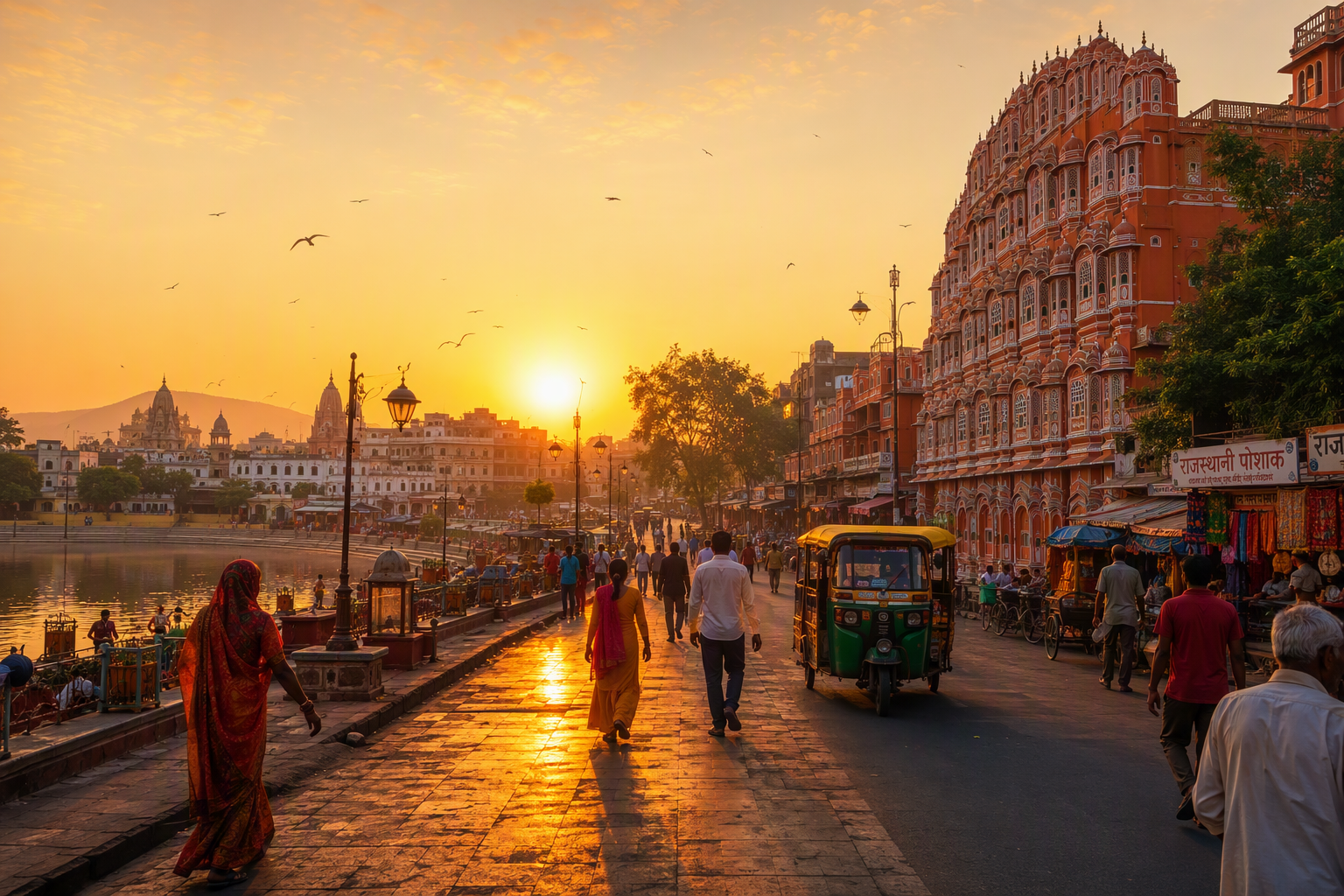
- Vitamin d deficiency is seen a lot in the Indian population. This happens even though there is abundant sunlight.
- Limited sun exposure, staying inside a lot, and not having enough skin exposed are reasons vitamin d levels can go down.
- Food plays a big role, as many daily meals do not have enough vitamin d for good bone health.
- Women, children, pregnant women, and older adults are at higher risk of vitamin d deficiency in many places.
- Air pollution, what people wear, and the use of sunscreen can slow vitamin d synthesis.
- To avoid issues, people should get safe sun exposure, eat better, use food fortification, and check their vitamin d levels.
Introduction
Vitamin d deficiency is a big health problem in the Indian population. It does not get enough attention. Many people feel surprised by this because there is so much sunshine in India. But still, there are a lot of people who have poor vitamin d status.
The effect of vitamin d deficiency is not only on bones. It also harms immunity, strength, and overall health. A lot of people ask why vitamin d deficiency is so wide spread. When you look closer, you see that lifestyle, diet, social habits, and the environment are all part of the reason.
Most people do not see how these things connect and cause vitamin d deficiency in the Indian population.
Overview of Vitamin D Deficiency in India
In the country, there is still a big problem with vitamin d deficiency. Recent research shows a high prevalence of vitamin d deficiency. Many age groups are facing this. People from different backgrounds and several regions of india are affected. This is happening even though there is a lot of sunshine.
The causes of vitamin d deficiency in India include living mostly indoors, not getting enough skin exposure to the sun, the way people dress, air pollution, using sunscreen, and not eating food that gives vitamin d. The Indian council of medical research and other national reports say that a lot of people in the country are vitamin d deficient. This problem can be found in both big cities and small villages. In the next parts, you will read more about the causes of vitamin d deficiency and why India faces this issue.
Current Prevalence Across Urban and Rural Areas
Vitamin d deficiency happens in both cities and countryside. But it looks different in each place.
People in cities often get less vitamin d. This happens because they stay inside more. They are at work, school, or at home for longer.
Studies show that women and girls in cities feel this problem more. Some people in the countryside do not feel it as much.
Rural women may not always have good vitamin d levels even though they live outside cities. Sometimes, the clothes they wear and the food they get do not help. Many of them also do not spend enough time out in the sun. In northern india and other places, research shows that many pregnant women and other at-risk groups have low vitamin d.
| Area or group | Key pattern |
|---|---|
| Urban residents | More indoor time and less direct sun exposure |
| Urban girls | Higher deficiency reported than rural boys in school studies |
| Rural women | Ongoing risk due to low intake and restricted skin exposure |
| Northern India | Pregnant women reported with very high deficiency in some studies |
Recent Trends and Statistical Highlights
Recent research shows that vitamin d deficiency is a bigger problem than many people think. A national report in 2025 found that at least one in five Indians have vitamin d deficiency. This issue is there in all states, age groups, and income levels. So, it is a big health problem for the country.
Among kids and teenagers in India, the situation is not good. Studies from schools show that just 42% of Indian kids and teenagers between ages 5 to 18 have sufficient vitamin d. This means many of them have low vitamin d or low vitamin d levels. Urban girls seem to be more at risk.
Other numbers help us see how big this problem with vitamin d is. Reports say that close to half of kids from birth to ten years old have rickets. They also say that about 80% to 90% of older people are at risk of osteoporosis. A systematic review shows the prevalence of vitamin d deficiency is high and it does not change with time.
The Role of Sunlight in Vitamin D Production
Your body uses sunlight exposure to make vitamin d. UVB radiation begins this process when you have good skin exposure. But even with abundant sunlight in the country, many people do not have enough vitamin d.
The answer is simple. If people do not go outside much, cover up, or block the sunlight, their bodies will not be able to make enough vitamin d. Even in areas where the sun shines a lot, the production of vitamin d goes down if people keep their skin away from uvb radiation. This is what happens in daily life.
Limited Sun Exposure in Daily Indian Lifestyles
Many people think that having abundant sunlight helps everyone get sun exposure. But this is not true. Most people spend their time inside during the day. A lot of us are in school, at work, or on the way to places. We also use digital devices, so we stay indoors. This is why we get only limited sun exposure. Even with so much sunlight outside, many of us do not get enough sun exposure.
People are now doing fewer outdoor activities. Outdoor activities help the body make vitamin d. The skin needs to be out in the sun to get enough of the sunshine vitamin. When skin exposure drops, the body does not get vitamin d. This is true even in warm places. So, vitamin d deficiency is a bigger risk for people living in cities and towns.
- Children now have less outdoor activities than before.
- Desk work and school stress stop kids from having skin exposure in the daylight.
- When kids stay indoors for long hours, they get less healthy sunlight on their skin.
Impact of Urban Living and Indoor Occupations
Yes, the way that people live in cities in India makes vitamin d deficiency more common. Many jobs are inside and people often stay in their apartments. Days can be busy, so there is not much sun exposure. A person can be in a place with lots of sun but still not get enough sunlight in the day for vitamin d.
Office jobs, school days, and spending more time in front of screens at home can lower the chance for vitamin d synthesis. Even when I go to work, I am in the car or I stay away from the sun. This can make the amount of vitamin d that your skin makes too low.
This is why there are some people in the city who have this problem. A person can stand in bright sunlight and still not have enough vitamin d. City life can change things for kids and teens too. They can spend less time outside, playing, and more time inside to study or have fun. So, the way you live matters as much as the weather if you want to get enough vitamin d and not end up vitamin d deficient.
Dietary Factors Contributing to Deficiency
Diet is a big reason for vitamin d deficiency in India. There are not enough foods in the diet that give vitamin d. Many people eat what they like or follow a diet that does not help them get more vitamin d. A lot of people also do not get enough sun exposure. This makes the problem worse. That is why people often do not have enough vitamin d. It leaves gaps in what they need for good health.
Foods such as egg yolks and fatty fish may help. Fortified dairy is another good choice to eat. But, not all people have these foods every day. Food fortification is not as usual as some steps done to help public nutrition. This shows that what you choose to eat can change the situation. Your diet plays a big role in solving it, too.
Common Indian Dietary Patterns
Many people in India do not have enough vitamin d in their food. A lot of meals are made of grains, pulses, and vegetables. These foods can be good, but they have very little vitamin d. This can make vitamin d status decrease over time.
The problem is bigger because not many foods have enough of this nutrient. If you do not eat fish, eggs or dairy with extra vitamins, you may not get what you need. This gap in your diet can go on for years. Food fortification can help people get more of this nutrient. But it is not used enough right now to fix the whole problem.
- Many homes do not have foods that have vitamin d in them often.
- Most people do not know a lot about foods with more vitamin d, like enriched milk or cereals.
So yes, the things you eat are very important. If you do not get enough sunlight, what you eat starts to matter even more. A lot of families do not get all they need from just food.
Vegetarianism and Nutritional Gaps
Vegetarianism is common in India. This means some people may not get enough vitamin d. There are not many foods that have vitamin d in them naturally. If you do not eat animal foods, you will have fewer ways to get vitamin d each day.
Egg yolks and fatty fish are great sources of vitamin d. A lot of people do not eat them. Some vegetarians do not eat eggs, so they have even fewer options. If you do not use foods that have added vitamin d or take supplements, you might get vitamin d deficiency more often.
This does not mean vegetarian diets are bad for you. It means you have to think more about what you eat when there is less sun exposure and less food fortification. In India, this is the reason why the shortage is seen so often. When your diet, low sun exposure, and some social habits are together, the gap gets tougher for people to fix.
Cultural and Social Influences
Cultural habits and what people do together can change how much vitamin d they get. In some areas, people like to wear clothes that cover their skin. This leads to less skin exposure. Because of this, the body does not make as much vitamin d. Even when you spend time outside, vitamin d synthesis drops since clothes stop the sun from reaching your skin.
This can be tougher for women of reproductive age. The rules in society, home work, and not being able to go outside much may stop them from getting enough sunlight. So, the things people wear and the customs they follow can lead to lower vitamin d production. The next sections explain how these habits affect different groups.
Clothing Practices and Their Effect on Sunlight Absorption
Clothing habits can change how much sunlight hits your skin. If you wear clothes that cover most of the skin, you get less UVB light. Because of this, your body will not make as much vitamin d. This happens even if you go outside every day for some time.
In many places, people wear clothes that cover their arms, legs, and heads. This is how they dress every day. They pick these clothes for comfort, tradition, or because others want them to. The clothes cover most of their skin. When the skin is covered, it does not get enough sun. This is a main cause of vitamin d deficiency in India. It happens because clothing limits skin exposure, so the body does not make enough vitamin d.
The way vitamin d works in the body is not always clear. A person may look like they get enough sun, but that might not be true. Sunlight helps make vitamin d, but it works best when it hits the skin straight. If people do not get much sun on their skin for a long time, their vitamin d levels may go down. This can happen even more if the food they eat does not give them enough vitamin d.
Gender Roles and Vitamin D Levels in Women
Indian women often have low vitamin d because several things add up. Many do not go outside much. They do not always get to choose what to eat. A lot of them wear clothes that cover most of their skin. This is true in cities and villages, but the reasons can be different.
Women of reproductive age are thought to be weak or at risk. Pregnant women often have low vitamin d levels, as shown in many reports. Rural women can also have low vitamin d because they do not have many food options. They keep their skin covered most of the time, so their bodies get less vitamin d. Even when the sun is bright where they live, these habits make their vitamin d levels low.
- A lot of the things we do at home and what people feel is right keep us from getting sunlight in the day.
- Wearing clothes that cover the body or not eating foods with vitamin d makes low vitamin d get worse.
The problem is not only about science or how life forms grow. It is also something we see every day. It is about the way people get things they need and the old habits everyone has that may affect health.
Environmental Barriers to Adequate Vitamin D
Not all barriers come from how people live or what they eat. Some barriers are from the environment. The body needs sunlight to make vitamin d through vitamin d synthesis. In many Indian cities, air pollution gets in the way. This air pollution blocks sunlight. That makes it hard for the body to get vitamin d.
The use of sunscreen adds a layer to your skin. It helps keep your skin safe. But it can make uv rays less strong. These uv rays are needed for vitamin d production. When there is polluted air, covered skin, and people stay away from the sun, you see why vitamin d deficiency happens. This is how these things block vitamin d in real life.
Air Pollution and Its Role in Inhibiting Sunlight Synthesis
Air pollution can affect vitamin d levels. It does this by stopping uvb rays from reaching the skin. In busy city areas, there is smog, dust, and tiny bits in the air. These can all lower your sunlight exposure. Even if it looks bright outside, the sunlight you get may not be as good for making vitamin d.
This means someone can be outside but still not get as much vitamin d as they may think. Vitamin d synthesis happens when UVB rays hit the skin. But when there is a lot of pollution in the air, this does not work that well. Because of that, people in cities often have lower vitamin d status than most people think.
The effect is big in places where there are many people and pollution stays high for a long time. In these spots, sunlight alone may not keep air good enough. It is important that public health teams think about this. Cleaner air helps more than our lungs. It can also help with things like nutrition and bone health.
Influence of Sunscreen and Modern Habits
People these days do not spend much time in the sun. A lot of people care about skin care now, so you see them use sunscreen more. Many of us stay out of direct sunlight to keep our skin safe. These things can help protect your skin, but they also lower the sun exposure you get.
High SPF products block most UVB rays from reaching the skin. If you put on sunscreen before you get outside, it can stop vitamin d synthesis. This is true when there is not much skin exposure to sunlight. If you also stay indoors a lot and move mostly in the shade, then you may have less vitamin d daily.
- The use of sunscreen can lower the amount of UVB that touches the skin.
- Today, people stay inside more. So, there is less sun exposure.
You should still think about how to stay safe in the sun. It is good to find a way to keep safe and get enough sunlight. This matters a lot if you or someone else has low levels of vitamin D.
High-Risk Groups and Age-Related Insights
Some groups in India can get vitamin d deficiency more than others. The age groups for this are children, adolescents, pregnant women, and the elderly. Each group has special needs. They might have low vitamin d if they do not get enough, or if their vitamin d synthesis is not good.
The health effects can be serious. Kids can have bone problems. Older people may feel weak in their muscles. They might break bones more often. Pregnant women need to be careful. Not having enough vitamins can harm both them and their babies. The text below shows how these problems happen at each age.
Children and Adolescents in India
Vitamin d deficiency happens often in Indian kids and teens. Many studies in schools show this problem. Only 42% of kids aged 5 to 18 have enough vitamin d. This means most kids do not get the right amount. Urban girls have lower vitamin d levels than rural boys.
This matters a lot because the years when you are a child and a teen are big for bone health. If you have low vitamin d at this time, it can cause rickets, weak bones, and trouble with how your bones grow. Later, this can change your strength, how you grow, and your health in the future.
The effects can impact more than bones. Info pulled together shows that vitamin d deficiency is linked to frequent infections and low immunity. Kids today are outside less, which keeps the risk up. This problem can last unless families, schools, and health care work to prevent it and use early tests.
Vulnerability Among Pregnant Women and the Elderly
Pregnant women in northern India need more care. A lot of older people also be at high risk. Some studies from that area show many pregnant women do not get the vitamins that they need. Many of them lack vitamin B12 as well. Because of this, pregnant women should have more checks and support.
Older adults have their own risk factors. Most elderly people have a risk of osteoporosis. Reports show that 80% to 90% of them can get this. Aging and vitamin d deficiency can make bones weak. This can make falls more likely. It also takes longer for them to get better.
- Pregnant women may give low levels of nutrients to their babies.
- Old people can have a higher risk of osteoporosis and bone breaks.
These groups have a lot to gain from simple checkups and early care. It helps to find problems fast and fix them early. If they miss something their body needs, it can lead to big health bills. So, it is good for them to get care and checkup soon.
Overlapping Vitamin Deficiencies in India
Yes, there is a clear link between vitamin d deficiency and vitamin B12 deficiency in India. Many people in India have these two health issues. They often happen together. Food habits, daily life, and not knowing much about it play a big role in this.
This overlap can make it hard to see symptoms. A person may feel bone pain. They may feel tired or feel weak. A person may get frequent infections. They may not know that more than one thing is missing in the body. Because both nutrients help the body in big ways, having both missing can lead to more health problems. The next two parts talk about this overlap with more detail.
Coexistence with Vitamin B12 Deficiency
Vitamin d deficiency and vitamin B12 deficiency are often found together in the Indian population. It is not strange, as both of these happen for many of the same reasons. Most people in India have low dietary intake. A lot of people also have a vegetarian food pattern. Food fortification is not common there. People do not know much about vitamin d and B12. All these things lead to vitamin d deficiency and B12 deficiency.
The overlap of low vitamin d and low vitamin B12 happens often in pregnant women and kids. A study in Jammu found that 86% of pregnant women did not get enough vitamin d. Also, 72% of them were low in vitamin B12 at the same time. This mix can cause problems for both the mother and the baby.
For many families, the problem can be hidden for a long time. Signs can get worse before anyone notices them. Both types of lack can come slowly. People may not see the early signs or may ignore them. This is why checking for these gaps is important. If you only look for one missing thing, you may not see the real problem. You could wait too long to get the right help.
Potential Complications and Health Effects
When your vitamin d is low, and you lack other nutrients, your body feels the change. Bone health is usually the first thing affected. It does not stop there. People often feel bone pain. Muscle weakness can show up, too. There can be fatigue. You might take longer to get better from illness.
Low vitamin d can hurt the immune system. A lot of reports show that low vitamin d can lower your body’s defense. It may also make you get sick more often. Some reports say low vitamin d may link to health issues that last for a long time. A few of these issues are diabetes, cancer, trouble with how your brain works, and rheumatoid arthritis.
- If you do not have enough of this for a long time, your bones can get weak. They could break more easily.
- If you do not have enough of both, you might feel more tired or weak. Your health may also get worse.
These problems tell us why it is important to do something soon. A deficiency is not just about a number in your tests. It can really change how you feel each day. It can also change how you move and how good your life can be.
Prevention and Effective Management Strategies
The main causes of vitamin d deficiency in India are spending little time in the sun, not eating enough vitamin d-rich foods, air pollution, the kind of clothes people wear, and not having enough knowledge about the issue. Because there are many reasons for vitamin d deficiency, preventing it will take more than one step.
Helpful preventive measures to keep your vitamin d at good levels include safe sun exposure, making better food choices, and taking vitamin d supplements if you need them. Food fortification also helps, along with more public awareness. Screening is key for people who have symptoms or are at higher risk. The next sections will show you some simple ways to improve your vitamin d status, so it does not feel hard to do.
Increasing Safe Sun Exposure
One of the best ways to take care of your health is to spend time in the sun. It is good to be outside for about 20 minutes each day. When you have enough skin in the sun, your body will make vitamin d. Safe sun exposure can help your vitamin d production. This is one way that helps stop health problems before they start.
The main thing is to not stay outside for a long time when the weather is not good. You should try to add outdoor activities to your daily life. People of any age can get good things from doing simple outdoor activities. It is important to do this often and to be safe each time.
- The, try to add short walks. A bit of light exercise can help you feel good. You can play outside too. It works best when you do it during the day.
- Try to let your skin be in the sun often. Do not let it be out for too long at one time.
This way works well if you eat good food and have health checks often. Sunlight can help, but it does not help everyone. That is true for people in cities with lots of pollution, or for people who cannot move around much.
Role of Diet, Fortified Foods, and Supplements
Diet plays a big role in boosting vitamin d, especially if you do not get much sun exposure. There are not many foods that have vitamin d naturally. To reach adequate vitamin d levels, most families may need to eat foods with vitamin d, use products that have vitamin d added, and talk to a doctor. This can help improve your vitamin d status.
Useful choices in the list are egg yolks, fortified milk, fortified cereals, mushrooms that get some sun, fortified orange juice, and fatty fish if you eat that. Food fortification helps people fill regular gaps of vitamin d. You may need vitamin d supplements if tests show that you do not get enough.
- Use foods with added vitamin d often if you don’t get enough from your diet.
- Take vitamin d supplements if your doctor tells you to.
This way of doing things works well. A good diet is important, but it might not help everyone by itself. Still, it plays a big part in stopping problems and handling them over time.
Community Awareness and Public Health Initiatives
One big reason that vitamin d deficiency is hard for people to see is there is not enough public awareness. Many people do not see signs like tiredness, bone pain, weak muscles, or often feeling sick. They may not get help until things get worse. This makes it hard to stop or treat vitamin d deficiency early.
For the general public, good awareness campaigns can really help. People need information that is clear and simple. This includes how to be safe in the sun, who is most at risk, what foods to choose, and what signs to watch for. When the message is easy to understand and shared many times, families can get it early and take action faster.
Public health programs have to help with early testing. They also need to add more nutrients to food and give extra vitamins to people who need them. Experts say that the country should do even more. We should put vitamins in foods that most people eat. Mothers and kids should get better care to make sure they stay healthy. These steps can help find cases that many people might miss. It will help everyone stop health problems before they come up.
Effects of Vitamin D Deficiency on Health
Vitamin d deficiency can hurt more than just your bones. It is clear to see how it affects your bone health. It also changes the way the immune system works. You might feel less strong, and your daily wellbeing can go down. Low levels of vitamin d may take away your overall health with time.
The problem can show up as small things at first that you might want to just ignore. But, if you do not do anything about it, it can get worse. Children, grown-ups, and older people can feel it in their own ways. The next part has two main issues to look at. One is the skeleton. The other is how the body stays balanced and deals with tough times.
Bone Health and Skeletal Disorders
Vitamin d helps keep bones strong. It makes it easier for the body to take in calcium. If you do not get enough vitamin d, your bones can feel weak and soft. Bones can break more easily too. A lack of vitamin d is linked to bone problems in people of all ages.
In kids, low vitamin D can make them get rickets. In adults and older people, it can make bones weak. These people can break bones more easily. They are also at a higher risk of osteoporosis. Reports from India say that older people there are at high risk. A lot of older people already face the risk of osteoporosis because of low vitamin d.
Symptoms can show up as bone pain, less strength, and slow healing after you get hurt. A lot of people do not pay attention to these signs, but you should not ignore them. If you do not get enough vitamins or minerals for many years, problems with your bones can be much harder to fix. If you get tested early and get help when you need it, things will get much better.
Immune Function and General Wellbeing
Vitamin d deficiency can hurt your immune system. It can also have an impact on how you feel day to day. If you have low levels of vitamin d, your body may not fight off illness well. You might get frequent infections. So, vitamin d deficiency is not just about your bones or having fractures. It can affect other parts of your health too.
Many people feel tired at first. Some have low stamina or muscle weakness. They do not feel bone pain right away. These early signs are easy to miss. A lot of people ignore them. This makes it hard to find the problem early. Over time, it can affect work, school, recovery, and overall health.
- Frequent infections may show that the immune system does not work well to help the body.
- Feeling weak and tired all the time can make life feel hard.
When you see these symptoms and do not eat well or get enough sun exposure, you should think about getting tested. Taking care of this now can stop bigger issues from happening later.
Conclusion
In the end, dealing with vitamin D deficiency in India needs many steps and ideas. The way people live, eat, and the time they spend outside, and even the weather, all change vitamin D status. Jobs and habits lead to limited sun exposure for many, stopping them from getting enough vitamin D. Food choices and social norms also change their vitamin d levels.
Helping people know how safe sun exposure is important can make a big change. Teaching them about foods with vitamin D and starting health programs in the area are good ways to raise vitamin d levels for everyone. By learning more about these things, we can lower the prevalence of vitamin d deficiency and make people feel good. If you want a plan to help your own vitamin D levels, you can ask for a consultation today!
Frequently Asked Questions
Why Are Indian Women More Prone to Vitamin D Deficiency?
Indian women often have low vitamin D. Many do not go out in the sun much. Their clothes also cover most of their skin. So, the sun does not get to their skin and cannot help make vitamin d in it. Food alone may not give enough vitamin d either. Both rural women and women in cities can get vitamin d deficiency. So, people should pay more attention to checking vitamin d levels in women.
Can Diet Alone Prevent Vitamin D Deficiency in India?
Diet alone will not stop vitamin d deficiency in India. Foods with vitamin d are hard to find. A better dietary intake can help, but it is not all you need. Food fortification is also required because it can add more vitamin d to people’s food. Taking vitamin d supplements, with a doctor’s advice, can fill the gaps in nutrition. This becomes more important when sun exposure is low.
How Does Air Pollution Affect Vitamin D Status in Indian Cities?
Air pollution blocks some UVB rays from reaching the skin. This slows down how fast the body makes vitamin d. Even if sunlight exposure seems okay, the body might not get enough vitamin d. So, people living in polluted Indian cities can have poor vitamin d status. They have strong sunlight for much of the year, but air pollution stops some UVB rays. This means their vitamin d synthesis goes down.

