Key Highlights
- Health misinformation spreads on social media fast. A post that makes you feel something or can be shared will often win over careful medical information.
- False health claims go up in health crises. When people feel unsure, it leaves room for rumors and bad advice.
- Vaccine misinformation, fake cures, or unsafe health advice hurt public health. It can keep people from getting the right care.
- Young people, social media users, and those who do not know much about health are more at risk.
- Trust, media literacy, prebunking, debunking, and strong health communication help stop the harm.
- Health professionals and digital platforms both have big jobs in fighting the problem.
Table of Contents
Introduction
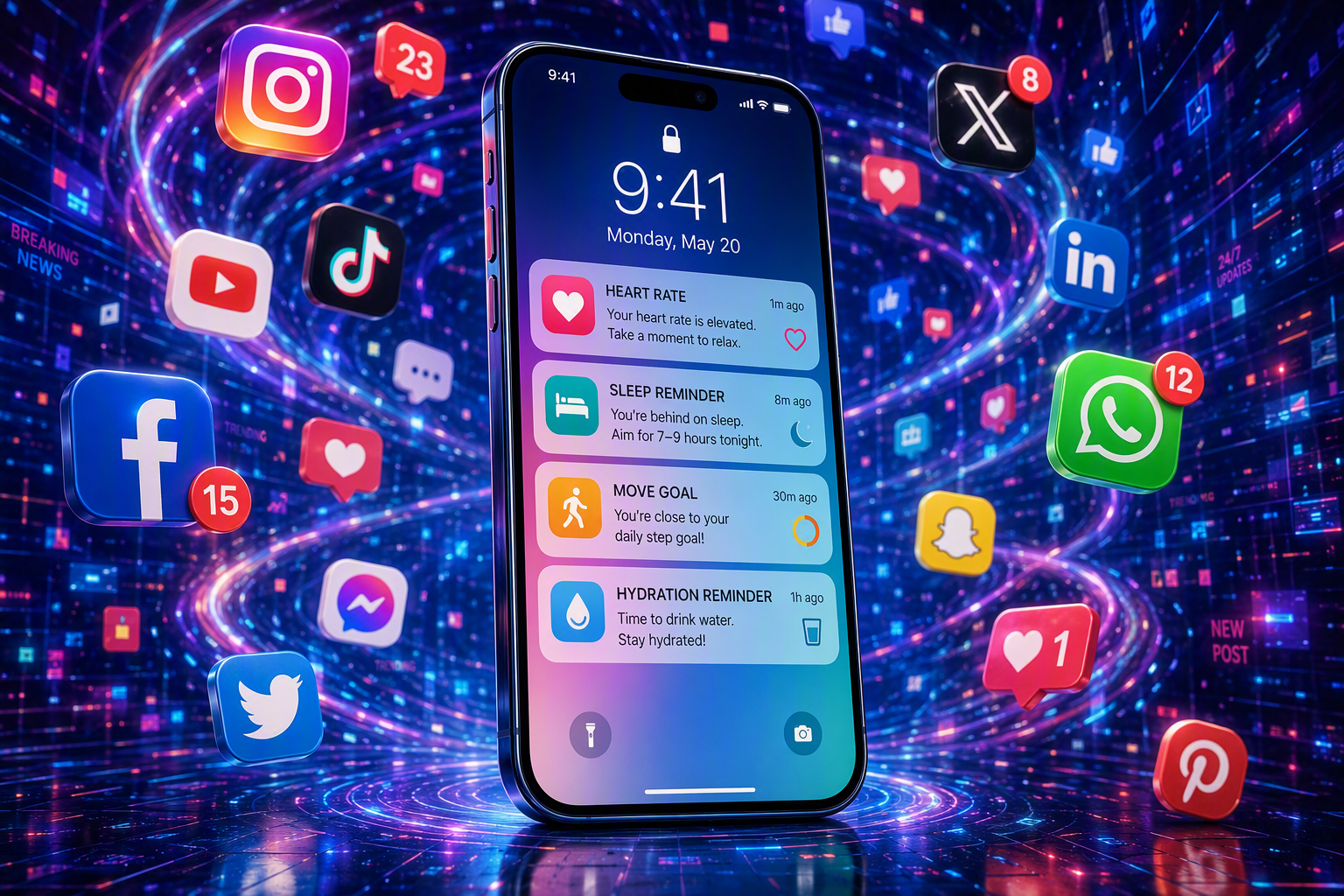
Health misinformation is now a main problem. It changes how people see symptoms, treatments, vaccines, and health information they use every day. On social media, the spread of misinformation can go much faster than true medical information. This happens a lot when posts make people feel fear or think that there are easy answers. This puts you, your family, and others at real risk. To get what is going on, you need to look at how false claims move, why people believe them, and what could stop them.
The Digital Age and Medical Misinformation
Today, social media lets you see health information right away from many sources. This can be useful, but it also makes it easy for medical misinformation and online misinformation to spread.
At the same time, the overload of information in health content makes it hard for people to know what is true and what is not. There are fast-moving feeds, short videos, and posts that come up many times. This can make false ideas feel normal to people. To understand why this happens, look at the way health content spread on digital platforms.
Rise of Health Information on Social Media Platforms
Health information is now all over the top social media platforms. You can get advice about vaccines, birth control, cancer care, infectious diseases, and diet fast. This easy way of getting info has changed how social media users learn about symptoms, how to stop sickness, and treatment choices.
The same system that helps spread useful updates can also help the spread of misinformation. Fake headlines, tricky videos, and personal stories can go around fast. They are easy for people to see, easy to share, and they often make people feel strong emotions. When times are unclear, this speed can be even more dangerous.
Researchers say videos on sites like YouTube and TikTok matter a lot. These are the top places for social media content, and they reach many people. The information in them can guide health choices for many users. If unreliable voices get popular there, their wrong medical advice can feel real, trusted, and convincing.
Why the Internet Makes False Claims So Accessible
The internet lets people make false information fast and easy. A misleading claim can become short health content, a meme, a quick video, or a dramatic headline. It takes just a few minutes. After it shows up on social media, it can spread to many people before anyone checks if it is true.
Another big issue is uncertainty. During health crises, science needs time to find answers. People want clear reasons right away. Online misinformation steps into that space with easy stories, even if the facts are not strong or are wrong. If there is no good alternative explanation, the false claim can take hold fast.
Money and attention play a big part in this. Some people share fake health content to make money with their products or services. Others do it to get more followers, clicks, or to feel important. Platforms work to keep people watching, so posts that catch your eye often get shared more than careful and trusted medical advice.
Shifts in How People Seek Medical Advice
Many people now use the internet when they want health answers. They feel it is quick to do a simple search or watch a short video. It can feel much faster than getting an appointment with a health professional. As social media use gets bigger, digital advice is part of the way people make health choices each day.
That change affects how health advice is given. You may not just get one answer from a doctor now. There can be lots of opinions from influencers, other people, and those who call themselves experts. If your health literacy is low, picking the true advice from all of these is not easy. When you see the same thing again and again, it can feel true even if it is not.
Even if people feel good about doctors, what they read online can affect their opinions first. Many young users may see antiscience ideas online early, and they may see them a lot. That is why health literacy is important. It is also important that trusted health professionals talk clearly with people online in this digital age.
How False Health Claims Spread Rapidly Online
False health information often spreads online very fast. It uses simple words, big feelings, and looks that grab your attention. These things help people read and share posts easily. Because of this, weak claims can beat careful health communication.
Viral content spreads in both public and private places at the same time. Things like reposts, headlines, videos, and group messages all help the spread of misinformation. The next parts will show the main ways these claims move around.
Viral Content and the Power of Shares
Viral content is a big reason why false health claims spread online. A strong story, a short video, or a shocking line can move fast across the internet. With so much information overload every day, many people respond to what they see without stopping to think or check it first.
That is why false news often does so well on social media. Studies in the shared information say people interact with false or poor-quality content more than they do with real news. Social media posts are usually made to make you feel shocked, scared, or angry.
Common ways viral content spreads include:
- Quick shares from friends, influencers, or big social media accounts
- Short videos that take tough medical information and turn it into bold statements
- Seeing the same claim on several feeds, making it feel common and true
When a post gets shared a lot, it seems like it has to be true, just because you see it all over the place.
The Role of Clickbait Headlines in Spreading Misinformation
Clickbait takes weak health claims and turns them into content that gets people to click. The headlines say there are hidden cures, shocking secrets, or urgent warnings. You can see a claim that sounds definite, even if the real proof is not there, has been changed, or never was there at all.
This matters because a lot of people only read headlines. They do not read the rest. On social media, content fights for attention in just a few seconds. A strong headline often wins over a clear explanation. This lets false information spread faster than true health news.
Better media literacy can help slow this trend. If you stop and ask who made the claim, what proof is shown, and if the headline fits the source, you break the clickbait effect. The small steps like this can cut how often wrong health stories spread.
Private Messaging Apps and Closed Networks
Not all health misinformation spreads for everyone to see. A lot of false information passes in private group chats and long message threads. In these places, people feel like the messages are personal. This can make the health misinformation seem more trustworthy than posts from someone you do not know.
That sense of trust can make you see more misinformation exposure. If someone in your family or a friend sends you a warning about vaccines, cancer treatments, or ways to stop sickness, you may not feel the need to check if it is true. Social bonds make you feel safe, even if that statement is not backed up.
Closed networks are not easy to watch. You do not see fact-checks, corrections, or public replies go through these spaces so often. A rumor can spread and stay for a long time in such groups. People in those groups may not see any reason that fights the rumor. This makes private sharing a quiet way, but it is one of the best ways for harmful medical myths to spread.
Key Reasons People Believe and Share Misinformation
People often hold false beliefs not just because they miss facts. Things like feelings, trust in others, who they are, and wanting easy answers when times get rough can play a big part. Low health literacy can make it feel tough for them to say no to these false beliefs.
Social dynamics play a big part in this. Echo chambers and confirmation bias can change what people see, believe, and share. When someone hears a claim that matches what they already think, they feel more ready to believe it. The next sections will show how these things work in a more clear way.
Emotional Triggers and Fear-Based Messaging
Fear is strong on the internet. Health posts that say there is hidden danger or claim that some people are hiding the truth can make you feel you have to act right away. These emotional triggers make you feel urgent. They also make fake news seem more important than it is.
Fear-based messaging tends to work well when there is an outbreak or a health event that puts people in a uncertain spot. At these times, people worry about things like their family, money, and safety. A lot of people feel a need for quick answers. If a claim gets repeated again and again, the illusory truth effect makes it feel true to many people, just because it sounds like something they have heard before.
Common emotional hooks include:
- Messages that say someone in your life is in trouble right now
- Claims that offer a quick fix but make you question regular care
This is why misinformation spreads, even when people mean well. It is not always because they do not care. Many times, they want to keep others safe and act when something seems like a real danger.
Confirmation Bias and Echo Chambers
Confirmation bias happens when you pick things that back up what you already feel. In social media, this gets stronger because your feed shows you stuff you have liked, watched, or shared before.
Over time, people can end up in echo chambers. In these places, the same ideas bounce around again and again. Challenges seem to disappear. Health misinformation starts to feel normal. People hear the same worries about vaccines, treatments, or public health advice from those around them.
There is also a social pull at play. When you share a belief, it can help you feel like you belong to a group. If you start to doubt, you may stay silent. The reason is that you don’t want to lose friends, feel left out, or lose your spot in the group. Because of this, it’s harder to fix false ideas than just posting better facts.
Lack of Trust in Official Health Sources
Trust is key in health communication. People are more likely to follow advice if the feel official sources are honest and reliable. When trust is lost, things like rumors and false claims tend to take over fast.
The collected facts show that a lot of people still believe health professionals a great deal. This is good. But trust is not the same everywhere. Some groups feel unsure because they have been hurt in the past by medical systems. Sellers of fake information use this history to trick people.
There is another problem too. Sometimes people in charge give wrong or mixed information. This makes things more confusing. Public health messages then feel weaker. Trust does not come back just because someone fixes the mistake. People need honest and clear communication. The system should also help people find good care they can trust.
Impact of Medical Misinformation on Public Health in India
The impact of misinformation is real. Medical misinformation can make public health harder to manage. It can leave people unsure about how to stop, treat, or control disease. In India, just like other places, digital rumors move fast in outbreaks. They can change how people act in day-to-day life.
That means vaccine misinformation, unsafe remedies, and false prevention tips can spread fast to many people. In a short time, these false claims can reach large groups. The next sections talk about how online lies can make health crises worse, help cause hesitancy, and put more stress on health care systems.
Recent Health Crises Amplified by Online Misinformation
Health crises bring a lot of questions. People are not sure what to do. This makes it easy for online misinformation to spread. When no one has all the facts about how a disease moves from person to person or how to keep safe, false information comes in and fills that space.
This makes disease control hard. False claims take people away from the steps that work. People may start doing things that are not safe. Many feel unsure about what health workers really tell them. When there is a crisis, late news and mixed talk spread fast, just like the outbreak.
The material shows that false information about Covid-19 caused people to get hurt or sick. Newer stories, like what happened with the Mpox outbreak, also became fresh targets for fake news or tricks. The key idea is this. When things feel urgent, it gets even more important to share clear and quick answers. People need simple words that help them know what is really going on, so made-up stories do not spread fast.
Vaccine Hesitancy Fueled by Digital Falsehoods
Vaccine misinformation is a big problem in health news online. A rumor about fertility, safety, or secret side effects can move from one platform to another very fast. It can also be shared in private chats. When many people hear this, it can make vaccine hesitancy get worse.
This is a real public health problem. If many people wait or choose not to get the vaccine, their community loses its protection. It gets harder to stop outbreaks. Rumors and lies online do not have to trick everyone to do harm. They just have to make some feel unsure to stop people from moving forward.
The compiled information says trusted messengers are very important. A doctor, a religious leader, an athlete, and other respected voices help fight fear. They do it by sharing explanations that are true and easy to understand. In fast-moving times, it is important to respond quickly. If there is silence, people may start to believe rumors.
Strains on Healthcare Resources Due to Misinformation
Misinformation can have real effects on health care. If people follow unsafe advice or turn away from care that works, things can get worse when they finally see a doctor. When they wait to ask for help, every problem needs more time and work. This puts more stress on health care workers and their services.
It can make people feel worried for no reason. When there are rumors, people get scared and keep asking for help. They may visit the doctor when they do not need to. Bad advice about cures or how to stop the disease can cause other problems.
Public health systems must deal with not just the disease, but also wrong information around it.
The material says that fixing wrong information matters. However, making it easy for people to get care can help even more. Things like free vaccines, walk-in visits, and help from the system can make it simple for people to do the right thing. This can stop the harm caused by false claims.
Popular Types of Viral False Health Claims
False health claims take off on social media because they seem to give simple fixes for tough problems. A simple story will beat detailed health advice most of the time. If the message says you can be in control, feel sure, or know some hidden truth that other people missed, many will share it.
The spread of misinformation often happens in the same way each time. The same kind of claims show up again and again. You will see them on different websites, videos, and group chats. Here are some common examples that you may find online.
Miracle Cures and Herbal Remedies
Miracle cures are one of the most common types of health misinformation. The claims say you will feel better quickly from tough problems like cancer, viral illness, or pain that does not go away. Often, there is not much proof for these ideas. The cures seem easy, feel natural, and sound better than what regular doctors give.
Herbal remedies can be used as part of real wellness habits. But false health information happens when people say these remedies are replacements for proven medical treatment. The provided health information shows that there are dangerous trends, like toxic fake cancer treatments and other harmful things that are shared online without any science to back them up.
These ideas spread because they mix hope and doubt about doctors or usual treatments. When a post tells you that a cheap thing can help where hospitals or medicine fail, lots of people feel ready to believe it. The strong feelings pull you in and cover up the real danger. You may wait, get hurt, or miss out on the right help.
Fake Preventative Measures for Common Diseases
Another type of post is about fake ways to stop sickness. Some people say you can avoid a disease with a drink, something you use at home, or by doing a simple thing each day. You often see these posts when there is an outbreak. People feel worried, and there are not good answers yet.
This is the way misinformation spreads fast. People pass on false health information, because it feels useful and important. A message like “do this now to stay safe” grabs your attention. It can be tough to ignore, even when there is no science behind it.
Examples from the compiled material include:
- Promoting hydroxychloroquine as a way to stop or treat Covid-19 without good proof
- Sharing harmful habits like drinking borax mixed with water like it helps or protects
Fake news about prevention can make people ignore real ways to stay safe. This can push them to do dangerous things instead.
Misleading Dietary and Nutrition Advice
Nutrition posts may seem safe, so many people feel the need to trust them. But I see that wrong facts about food, supplements, or hormones can affect big health choices. Many influencers share diet tips as if they are facts from a doctor. The thing is, most of them do not have real training in this.
The gathered information talks about creators who share choices other than hormonal birth control with many people. This shows how health content can often go past simple life advice and enter medical areas that may not be safe. When people talk about these claims in a positive or easy way, they get much support from their followers.
Misleading nutrition advice can be strong because it ties in with who we are, what we do every day, and what we hope for. At first, you may not feel it is wrong. But you need to be careful when someone says a single way of eating or one supplement will fix big health problems. Simple advice like that does not match how the body works.
Who is Most Vulnerable to Medical Misinformation?
Medical misinformation can reach anyone. Some groups that may be at higher risk. A few things like health literacy, trust, past experience, and the way people use social media can change how they see or believe false claims. These can also affect the way they act on that wrong information.
Risk can be different based on where you are, and how you feel. The place you live, the way you feel about using digital tools, and if you have a health problem can make you more open to new risks. These things can lead to more problems. The next parts will show what happens with each one, and explain them more.
Impact on Rural vs Urban Populations
Rural and urban people get exposed to health information in different ways. Both groups may see wrong or misleading facts online, but the way they check or know what is true can be different. A lot depends on their internet habits, the things they have in their area, and if they can get good or trusted care.
Digital literacy is important here. People who use forwarded messages or social sites the most and do not have enough time to check facts with real doctors can start to believe rumors more. When they have little access to health care, unproven advice from these sources may feel like the only thing they can try.
Urban users may come across a lot more content online. People in rural places may have fewer ways to get corrections from their local channels. Still, the problem is not just about where you live. The real issue is if people have good support, honest ways to talk, and the tools they need to check any health info that may not be true.
Age Groups and Digital Literacy Gaps
Age can affect how people face risks. Young social media users often spend more time on platforms. The way memes, videos, and influencers share health misinformation spreads fast there. Older adults have other problems. New social media formats can be hard for them to use. This makes health misinformation harder for them to see and avoid.
The information shows there is a big worry about young people. A lot of them see antiscience views online. A survey found many young adults follow influencers who share these views. When they see these claims often, it can seem normal to them. So, weak or wrong health information starts to feel true.
Groups with elevated risk include:
- Younger people who use the platform a lot and see many posts from influencers
- People, no matter their age, who are not good with technology and feel unsure when checking where information is from
The issue is not only about age. It is about how age works with habits, platform design, and how people check what is real.
Effects on Those with Chronic Conditions
People who have chronic conditions can be at risk for bad health advice. If you live with long-term pain, cancer, or another illness that keeps coming back, you may feel a strong need for help. This is because the promise of feeling better can feel important. When standard treatment takes a lot of time or wears you out, false information may look more tempting.
False cures often show up in these types of situations. The information shows that unsafe alternative cancer treatments are a main example of this. These claims may lead people away from helpful and proven care. They can make people choose risky options that have serious effects.
This is the place where health professionals come in. Many people trust doctors and trained clinicians, so talking with them can help someone see what choices are real and what is only false hope. Support from these experts is important when people feel stressed, let down, or feel like anyone who promises a sure answer seems right.
Role of Social Media Platforms and Algorithms
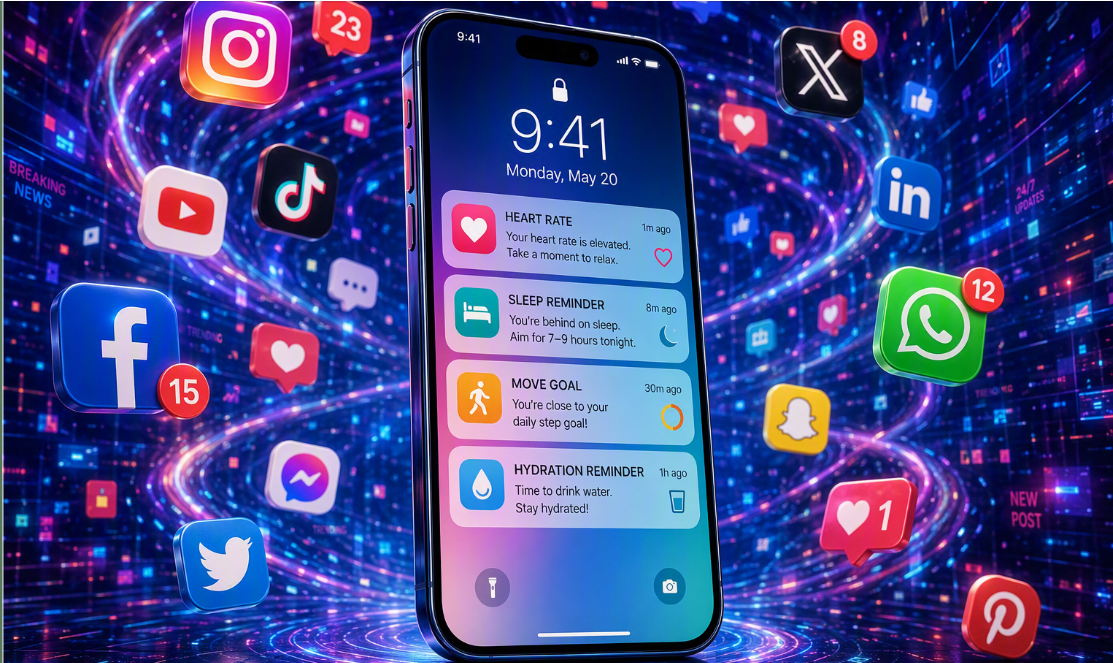
Social media platforms are not just places to post things. The algorithms decide what you see, what comes up more often, and which people get noticed. This makes the design of social media a big reason why wrong health information spreads.
When these systems pay people for getting more attention, social media content that talks to people’s feelings can spread more quickly than something that gives a slow and careful explanation. As time goes on, the way the algorithms work can make echo chambers even stronger. The next parts will show how personalization, trends, and internet culture can make it easier for medical misinformation to grow on social media.
Personalization and Algorithmic Recommendations
Personalization can help online places feel good to use. But it can also limit what you see. Algorithms look at things like what you click; they see what you like and how long you watch. After that, they show you more of the same posts. If you watch one questionable health video, you might soon get more videos like it.
That matters because false claims can come together in groups. If a person follows social media accounts that share wrong information, they might see more things that are not true. Watching one misleading clip can also lead you to more clips like it. In today’s world, we get too much information. Seeing the same false ideas often can make them feel normal and true.
This system does not have to trust what someone says to share it. It looks for posts that get people talking or reacting. If emotional or surprising false information gets a lot of attention, the recommendation engine can show it to even more people. A single wrong post can quickly grow into a much bigger untrue story.
Trending Topics and the Spread of False Claims
Trending topics can take an idea that is not well-known and make it a big talking point. When a health rumor shows up in a trending area, people see it more. A lot of them react and pass it on to others. This extra notice can make fake claims feel more important to people.
On social media platforms, things move fast. A post can go viral quickly if it makes people feel something strong, even if it is not true. A lot of viral content spreads because people react to it, not because it is correct. In times of health worry, this can be more risky. Rumors, anger, and guesses pass between people, and each one makes the next worse.
The information here gives a good example using how people reacted fast to rumors about vaccines and fertility. It shows that when one big statement gets noticed, many pay attention and public groups feel they have to respond. If a false idea goes viral, the problem is not fixing it for just a few. It turns into a big job to fix for everyone.
Influence of Meme Culture on Health Narratives
Meme culture shapes the way health stories travel on social media. A simple joke, picture, or text can turn a heavy idea into something easy to pass around. On social media, this style makes things feel fun and relaxed. People do not push back as much, because it seems less strict and more fun.
The problem is that jokes can spread wrong facts. A meme might make fun of vaccines. It may question scientists. It can turn a hard medical issue into one quick joke. When many people share it, that message can change how people feel. Even if they say, “I am just joking,” it can affect what others think.
This is important because the way something is shown again and again changes what people think over the years. Health misinformation is not always given to us as a clear article or a thing someone says. Sometimes, it comes from the way people talk, the feel of a place, or who we are. Memes are used to make false ideas into quick, easy things to share in a group. This makes it tough to question or fight health misinformation directly.
Responsibilities and Responses from Digital Platforms
Digital platforms cannot fix health misinformation by themselves. But they shape the place where it spreads. This makes social media companies stand out in the way of fact-checking, visibility, and keeping the platform safe.
Still, people react in different ways. Content moderation is useful, but it has limits and problems. Users also need better tools to help them. The next parts talk about what platforms are doing, where those efforts do not work well, and how people can join in to help.
Fact-Checking Initiatives by Social Media Companies
Fact-checking is one way to deal with false facts you see online. It is when websites mark some posts as not true, share links to accurate information, or make it so fewer people see fake posts. Doing this can help slow down part of the problem. This is very important during times when health news changes fast.
Still, the gathered information shows that some social media companies have gone back on old promises to watch over misinformation. This makes people on the sites more open to bad posts. A big problem happens when posts that are not true feel very strong and spread fast before the checks come in.
Fact-checking is most helpful when it is quick, simple, and easy to read. It is also better when the correction gives a strong answer instead of just saying the claim is false. People are more likely to not believe false news if they get a better and fuller story of what is true.
Content Moderation and its Limitations
Content moderation may sound easy, but in real life it is hard and messy. Social media platforms need to work out what is false information. They also must choose how fast to do something, and if they should use removal, add labels, or make posts reach fewer people. Health topics cause even more trouble, as the science can change over time.
There are some clear limits. A lot of bad content shows up in private groups. Sometimes the language in posts is hidden or coded. It can even be in videos, which are hard to check. Some of these claims come from leaders or big influencers. This makes it harder for people to moderate because of politics or social reasons.
Key limits include:
- False information sometimes spreads before the moderation team can get to it.
- People can see decisions as controversial when public trust is not strong.
That does not mean moderation is useless. But moderation by itself cannot fix a problem that comes from business goals, how people act, and the never-ending flow of content.
Reporting Tools and User Empowerment
Users need real steps for what to do when they see bad health information. Reporting helps because it lets people point out posts that are wrong. These posts can then be checked. It also tells the platform which posts might need to be looked at. This is a simple and important way for users to feel they have control.
Tools work best if people know what they want to find. Media literacy is important here. It helps users stop just scrolling and start thinking about what they read. Instead of sharing some post that seems dramatic, they can ask where it comes from, why it was made, and what proof there is.
User action also matters in the online world. When more people slow down, report bad claims, and also avoid giving likes or shares to big false stories, this changes how things look on the internet. It may not stop every rumor. But it makes it harder for hurtful content to spread so easily.
Effective Strategies to Combat Online Health Misinformation
It takes more than one solution to fight against wrong information. Research in psychological science shows that there are many ways to do this. Some things that help are debunking, prebunking, using trusted messengers, giving support for critical thinking, and making care easier to get. Public health responses work best when they are quick and also easy to use.
AI tools are now playing a bigger part, especially in finding viral claims fast. The next parts explain how groups, people, and the technology can all work together in a better way.
Collaborative Efforts by Public Health Bodies
Public health works best when it does not act alone. The gathered facts show that it helps to have psychologists, agencies, community groups, and trusted people join in. Working together lets them share accurate information with people in ways that feel easy to understand. This can lead to better disease control as the correct messages reach us faster.
One important thing to know is trusted messengers matter. People like religious leaders, athletes, doctors, and community leaders can give health advice in ways that big groups often cannot. This is helpful, especially when people do not feel sure about agencies.
| Partner Type | Contribution to Combating Misinformation |
|---|---|
| Public health agencies | Monitor rumors, provide accurate information, respond quickly during crises |
| Researchers and psychologists | Study behavior, test debunking and prebunking methods, improve messaging |
| Community leaders | Translate messages into trusted local communication |
| Health professionals | Explain risks clearly and guide people toward evidence-based care |
These group efforts can help the correction be done faster. They also make it clearer and easier to trust.
Community-Led Fact Checking
Community-led fact checking helps make things better because people tend to trust those they know more than big groups far away. When local groups, teachers, or leaders in the neighborhood take part in reviewing and explaining health information, it feels close and easy to understand. The message becomes useful, not too hard to get.
The collected details show work done in the community, such as webinars and local efforts that fight false information. These programs do more than fix one rumor. They grow science literacy and make people see how lies can play with attention, fear, and bias.
This way of doing things helps people talk to each other in a much better way. Instead of making fun of those who share the wrong info, groups can work on talking with respect and simple checking steps. That is important because health misinformation spreads between people. A louder fight is not always the answer. Many times, the most help comes from advice you can trust from people near you.
Technological Solutions and AI Tools
Artificial intelligence can cause some problems, but it can help us find answers too. The material talks about how AI tools are used to check for health misinformation online. This is about topics like vaccines, emergencies, and drug overdoses. AI helps us spot wrong information and keep people safe.
These technology tools help because they find patterns faster than people can. This speed is important when a false claim spreads quickly. Catching it early lets corrective information reach people sooner. This way, it can stop the rumor before it takes hold.
Promising uses include:
- Tracking the topics about misinformation that rise quickly across platforms.
- Helping agencies answer fast with debunking or prebunking messages.
AI tools alone are not enough. They work better when you mix them with good human talks, strong public health systems, and simple ways for people to get safe care.
Healthcare Professionals Fighting Misinformation
Health professionals are some of the most trusted people when it comes to fighting medical misinformation. They do more than treat sickness. They help people understand things that feel unclear. They make sure health communication is better. They are there to guide and support us.
That makes them key when we think about a long-term plan. From online reach to talking with people face-to-face, clinicians can make science literacy stronger. They help patients tell what is real and what is not. In the next parts, you will see how this works in real life.
Doctor Engagement on Digital Channels
Doctors can reach people where misinformation spreads. This happens online. When doctors use the internet to talk about symptoms, vaccines, and treatment choices in simple words, they help fight false posts. This lets doctors give real advice that people can trust.
This matters because the first thing people do is look online. If doctors are not there, influencers and people who do not know much about health may talk more. Clear videos, short answers, and friendly health communication can help accurate information feel easy to get. It makes things less scary for everyone.
The put-together info shows that talking to the public and answering their worries in a simple way helps a lot. This kind of talk works. People do not just need the facts. They want facts shared by a person who is trusted, easy to follow, and ready to speak up when things feel unclear.
Patient Education During Consultations
Consultations let medical professionals talk one-on-one with a patient. In this time, they can ask the patient about the medical information that they read on the internet. The doctor can help clear up any confusion. They can also explain why medical information can change as new facts come out.
That last point matters. A lot of people find it hard to understand that scientific findings change with time. If doctors tell patients that change is normal in science and does not mean something is wrong, health literacy gets better. People will then be ready when they hear new claims or see news that does not agree.
These talks help to build trust. A quick fix might not work, but a clear and calm reason often does. When people feel that you listen to them and not judge them, they to ask more questions. They are also less likely to look for random information online when they feel unsure the next time.
Partnering with Influencers for Accurate Health Messaging
Social media influencers have a big impact on the way people get medical information. Sometimes this is risky when they share things that are not true. But it can also be helpful if experts work with them to send out accurate information.
The gathered info shows the power of people who are trusted. People listen to those they look up to. This could be celebrities, sports stars, or online creators. When health communication comes from these people and is done in the right way, it can reach people that big groups have trouble connecting with.
Partnerships do well when the message is simple. It should be backed by facts, and everyone should know how the information is being shared. Influencers should not take the place of doctors. They can help spread good advice. If this balance is kept, expert-led content can reach more people. It will not lose trust or become advice that is made just to entertain.
Recognizing and Avoiding False Health Claims Online
You can not stop every rumor on the internet. But you can change how you react to it. Good health literacy makes you pause and think. It helps you ask questions and check each claim before you believe or share it.
It starts with easy habits. You need to know the red flags, use credible sources, and practice health literacy. These help you stay away from common traps. The next parts give you practical ways to spot and avoid misleading medical content.
Red Flags in Online Health Content
A lot of false news in social media content acts in the same way. It uses clear words, fast calls to action, and tries to get you to feel strong emotions. If you read something on social media and it says doctors keep secrets or promises good results like a miracle, you should stop and take time to think.
Red flags show up when the proof is not clear or missing. You need to watch out for stories with no name, big before-and-after claims, or posts that are based on just one person’s story. These things make you more open to misinformation exposure. They feel close to us, but do not share real proof.
Watch for warning signs such as:
- Headlines that feel shocking, sound like they hide secrets, or try to make people feel scared
- Posts that pitch a product and say bad things about normal advice from doctors
If you see a claim that looks made to upset or get a reaction, instead of share real facts, be careful.
How to Verify Reliable Medical Sources
Verification starts with the source. Ask who is saying the claim and what they know or do. Credible sources show where their health information comes from. They do not rely only on unclear people or stories that pull feelings.
Next, look at the claim and check it with public health bodies, trusted doctors, or well-known medical places. Science literacy is useful because it teaches you to value process, proof, and being open over confidence and popularity. A shiny video is not the same as a good explanation.
It also helps to look for consistency. If you see a claim only in influencer posts, ads, or shared messages, you should think twice. Good checking is not just about finding one place that says you are right. It is about seeing if trusted and careful experts agree with the claim.
Tips for Critical Thinking and Digital Health Literacy
Critical thinking can help people stay safe online. Do not just ask, “Do I like this?” Try to ask, “How do I know this is true?” That change will help you handle medical information in a better way. It will also make it less likely for you or others to share something bad.
Good health literacy and media literacy mean you need to be ready for things to change. Science can take time to find right answers, even more so when there is a new health threat. When a post or someone sounds sure of things right away, you should be careful. Real proof comes in steps, and advice can change as people know more about it.
You can make better habits. Stop for a moment before you share something. Take some time to read more than just the headline. See how you feel about what you read. If a claim makes you feel angry or afraid right away, that could be the reason it was made to spread. Taking it slow keeps you safe. It also helps the people in your network.
Noteworthy Actions by Indian and Global Organizations
Organizations are working to keep up, even if the problem changes all the time. Public health agencies, researchers, and groups in the community are now using quicker ways to watch what is happening online. They are also sharing better information and building stronger partnerships to fight false health claims on the internet.
The gathered information shows that AI can help watch and respond fast to wrong facts. It also helps teach the community and gives tips from people in different fields. For government groups, the World Health Organization, and public health partners, one thing stands out. To stop wrong facts, you need to act fast, build trust, and work together.
World Health Organization’s Anti-Misinformation Campaigns
The World Health Organization works hard to stop health misinformation. It shares true health information through its many campaigns. The group helps the public learn more about media literacy. This lets people know which sources are good and which are bad.
One project called “#KnowTheFacts” looks at problems like vaccine misinformation. It also tries to spread science literacy to all. The WHO makes interesting content. It partners with social media platforms to spread the message.
This teamwork helps stop false health information. It also helps in disease control. Because of these efforts, people get good health information, and the world becomes safer.
Government Policy Changes in India
Recent changes in government policies in India are made to stop the spread of health misinformation, especially on social media. The government wants online platforms to have stricter rules for what people share. They are also asking health professionals and social media platforms to work together so that the people can get the right health information. This can help improve health literacy among people and fight the effects of wrong health advice.
The aim is to push credible sources and help people learn how to check the media for right information. The government wants everyone to know the facts and build strength against false beliefs. These steps work towards a better-informed population that can deal with the challenges of health communication on social media platforms.
Partnerships with Social Platforms to Promote Accuracy
Collaborations between health organizations and social media platforms help fight medical misinformation. These partnerships use artificial intelligence and advanced algorithms to spot and cut down false health information. Social media users often see health content that is not credible, so it is important to put out accurate information. Organizations and social media platforms work together to build media literacy for all users. They encourage people to check health advice and to think before sharing it. The goal is to create a more informed online community. This way, good health communication that is based on science gets to people who need it.
Educational Resources for the Public
Access to learning tools gives people the power to spot true health information from false information. Health literacy programs help the public gain a better understanding. They make it easier for people to work through the many types of health advice that they see. Social media users come across a great deal of health content and much of it can be wrong. Because of this, resources that support science literacy and media literacy are very important.
Fact-checking websites are useful tools. They help users check claims before they choose to share the information. Being part of community outreach programs can also help people build strong thinking skills about health advice. This keeps public health as a top concern for everyone, even when faced with the problem of misinformation in social media.
Free Online Tools for Fact-Checking Health Information
Many free online tools help people check if health information is true. Websites like Snopes and FactCheck.org give reliable details to stop health misinformation. These platforms let people look up health claims and see correct facts that help fight false claims. Health Feedback is another tool that uses expert opinions and scientific findings to clear up health content seen online. By using these tools, social media users can get better health literacy and know what advice is right. Promoting these fact-checking tools is important to fight against wrong health information.
How Schools and Universities Can Help
Educational institutions have an important part in fighting health misinformation. Schools and universities that add media literacy to their classes help students check health information more carefully, especially what they see on social media. If there are workshops and talks led by health professionals, students learn how to spot good health communication. Working together on group projects and research gives people the space to talk about health misinformation and learn what is true. When the place supports science literacy, it helps people know more. This makes the community stronger against wrong health claims and health misinformation that spread through social media or other ways.
Awareness Drives and Public Outreach Programs
Awareness drives and public outreach programs are important to fight health misinformation. When you involve the community, you help share true health information with workshops, seminars, and interactive meetings. When health professionals work with the public, these ideas can build media literacy and help people think about health content in a smart way. Local organizations and social media platforms often join in to reach more people.
These outreach programs have a ripple effect. They cut down on false beliefs and help people look for credible sources. This lets people make better health choices. In the end, public health gets better because more people know and use right health information.
Conclusion
Getting good health information can be hard, especially when there is so much medical misinformation on social media. It’s important for all social media users to build media literacy skills and look for credible sources. Awareness campaigns and learn-at-home tools that help raise health literacy can make a big difference in fighting false beliefs. If we share accurate information and use better ways to talk about health, we can lower the impact of misinformation and help people make good choices for health care. A group like the World Health Organization is at the front, making sure science literacy is part of our lives every day. Let’s work together to share clear and true health communication!
What are some common signs of false health claims online?
Some fake health claims you see online often use eye-catching words. They might not list credible sources. The statements can be unclear or seem bigger than they really are. A claim that offers a miracle fix, or has not been checked by experts, can show the information is wrong. Always check with trusted health groups before you believe any claims.
How can I report medical misinformation on social media?
To report medical misinformation on social media, you can use the reporting tools found near the post. Give details about why the information is not true. Share credible sources to back up your claim. Talk to fact-checkers to help more people know the facts and make sure things are correct.
Where can I find trustworthy health information for India?
To get good health information in India, look at official government health websites. You can also use WHO resources or trusted medical organizations. These are places that give accurate information. You can check facts with special tools too. Local health programs help give true information and stop wrong info. Always check what you read with other sources to make sure it is right.