Key Highlights
- Health literacy can help you feel sure when you use health information every day.
- Digital health literacy matters, because digital health technologies now shape many choices in care.
- Strong personal health literacy can help you make safer choices, ask better questions, and feel good about your health outcomes.
- Online access to health information is good, but tough words and text may stop you from knowing what to do.
- People need skills to find, check, and use trusted health information from many digital sources.
- Closing the gaps in digital health literacy can help with fairness, access, and care for all people.
Table of Contents
Introduction
Health literacy is not just about reading something at the doctor’s office anymore. These days, care often begins with digital health tools, online sites, apps, or text messages. This change can be difficult for people who do not have the right skills to use health information in the best way. As digital health grows, you need clear thinking. You also have to feel comfortable using basic digital tools and use what you know to help yourself. In this new form of care, health literacy is very important. It helps you make safer choices and get better care every day.
Understanding Health Literacy in the Digital Era
Health literacy is important right now because health care is changing to digital health. People have to book visits online. They read lab updates on a portal. They may use remote health tools. So, health literacy skills must keep up with all this digital use.
In the past, people used to get information by talking to others. Now, you have to look for it, read a lot, and choose from many sources on your own. This means there is more work for you. So, it is very important to know about the digital world. The next parts will talk about what this change can mean for us.
Defining Health Literacy and Its Evolution
Health literacy is about how well you read and use health information. It helps you make good choices for your health. Personal health literacy is about what you can do for your own health. This affects how you handle your care, ask the right questions, and use any advice you get.
Over time, this idea has become more important. It is now tied to public health, access, and fairness in health systems. Many researchers say digital health literacy is a big factor in health. It helps decide who uses digital health and who may not get the same care. People need health literacy to get the best care from new ways in health. The level of digital health literacy can tell us which people get health benefits and which do not.
In the world we live in now, digital health literacy has many parts. You need health literacy, digital literacy, information literacy, scientific literacy, and also general literacy to help with this. All these skills help shape health outcomes. They make it easy for people to look for the right information in digital health. People can then understand this information and use it every day.
How Technology Has Transformed Health Information Access
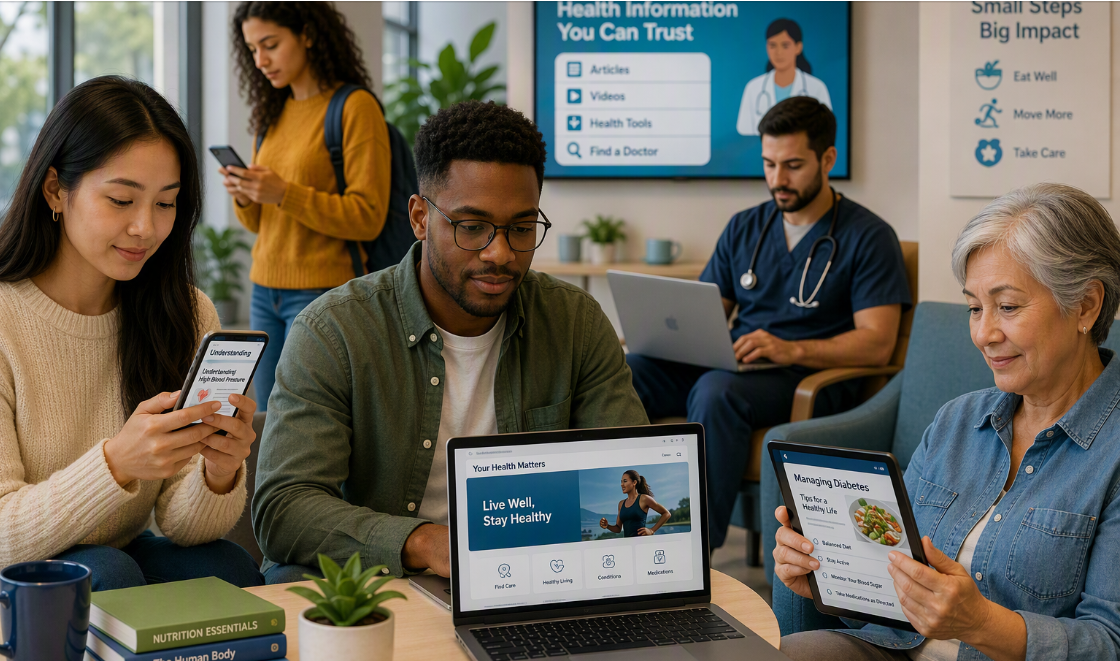
Technology has changed how people get health information. In the past, you had to visit a clinic or read papers for health care details. Now, you can use digital health every time you need. Electronic health gives faster access to health services. It also makes things easier. People can be more involved in their own health care than before.
You can now get health information and use it in these ways:
- the patient portals and electronic health record access
- the telemedicine and virtual care visits
- mobile apps and some wearable digital tools
- the online messages from care teams and health systems
Even with better digital access, people do not always know what things mean. Many feel lost because the words are confusing, the way it works is not good, there is too much information, and they do not know what to trust. Digital health advancements help most to get support. But they also make it more important to use good judgment and get help.
Key Components of Digital Health Literacy
Digital health literacy goes beyond simply looking at a screen. It is about using health literacy and digital literacy together. You need to know how to handle information and understand what health content means to you in daily life. These skills help you feel confident when you use health systems and digital health tools.
It also has personal health literacy. This skill lets you use information for your health. You get details about your health. You check if the information is good. You know what the words and ideas mean. You use digital tools to help with your care. The next parts show how these steps are part of the daily tasks you do.
Navigating Online Health Resources
It is not enough to just type a question into a search bar when you want good health information online. You need to use health literacy and digital skills to read electronic sources and not get confused. This matters more now because digital health care is growing.
A practical approach can help you:
- use the official portals or well-known health services first
- check the same topic in more than one place
- pick resources that use plain language
- keep your questions to ask a health professional
These steps can help you feel more sure about yourself as time passes. People get more from health literacy when digital health and digital health literacy are part of learning all through life. It should not be just something you learn once and then leave behind. The main goal here is to help you get information that is good, easy to read, and matches your health problem.
Evaluating Credibility and Accuracy of Digital Health Information
You should not trust every piece of health information you see online. A lot of the content does not have all the needed details. Some of it is hard to read. At times, it can make weak claims sound like strong facts. This can make it harder to use your health literacy. It also puts you at risk of following bad advice about your digital health. This is why good digital health literacy is so important.
A big challenge in digital health and digital health technologies is the speed at which information travels online. People can find it hard to know if what they read is true. Many feel lost when they see difficult words or new medical terms. Much of the information looks like it comes from experts. But it is often not clear and may not be trusted.
When health literacy is low, you may get bad information that can hurt health decisions. You might wait too long to get help. There is a chance you do not understand what instructions mean. You could pick options that do not help you feel better. Better evaluation skills help you stop and think. You can ask yourself if what you read is true and look for information that you understand and feel safe using.
Why Health Literacy Matters More Today
Health literacy matters a lot, especially today. Digital transformation is changing health care. Now, you use screens to manage your appointments and records. You read messages online. This gives you more control, but also more to do for your own health.
When you read and understand things well, you can take care of your personal health in a good way. You also can stop mistakes before they happen. If you have strong literacy, it will help to make health outcomes better. You will know what to do sooner, ask good questions, and use health services in the right way. The next parts will show how this changes real choices and helps to keep patients safe.
The Role of Health Literacy in Personal Health Choices
Your personal health literacy lets you know how to use the information you read. It helps you understand the symptoms, follow the advice, check options, or ask for help when you need it. In today’s digital world, you might make these decisions even before you see a doctor.
Digital health literacy, health literacy, and digital health matter a lot. These help you make good health decisions. The more you know, the easier it will be to find good information online. This can help you take care of your health and feel better. With digital health literacy, you can see what is true and what is not. It also helps you read and understand health topics. It is good to know how and when to use digital health tools to get help and feel well. That is why it is important to have health literacy and to use it when you make health decisions.
- know what online health information means for you
- use preventive tools for health promotion
- talk better with care teams
- skip confusing or false advice
These skills help people have better health outcomes. When you read something, you can use it in real life. If you feel good about using digital tools, you will take care of your health even more. This helps you catch problems early and make choices that fit what you need. You don’t have to guess.
Safeguarding Patient Safety in Modern Healthcare
Patient safety is not just about good technology. It is also about how people understand and use digital health. If instructions are hard to read or the tools feel confusing, mistakes can happen before care, during care, or after care.
Poor digital health literacy can make it hard for people to get the right health care. Some people may not read messages or know what to do for their care if they struggle with health literacy. A person could miss out on important updates in a digital health portal. This can lower patient engagement. It also means they may not get the health care services they need. In the end, not having good digital health literacy could bring more health risks. Digital health literacy matters a lot for good health and for better health care.
Safer care needs health literacy to be in the systems we use now. It is good to speak in simple words, use designs that everyone can use, and get help from experts. When people feel sure with digital tools, patient safety is better. This helps cut down mistakes, long waits, and problems with what people know.
Common Challenges in Digital Health Literacy in India
In India, there are problems with digital health literacy because of the digital divide. Not everyone has good access to digital health systems or can pay for them. Language and the state of infrastructure also play a big part. These things change how people use digital health. They affect who can get health promotion and who faces barriers in these health systems.
The problem is not only about technology. Many people feel it is hard to understand. Some feel unsure about it or do not trust it. When things like this happen, health equity can get hurt. In the next sections, there will be talk about two main things in India. These are accessibility and language. Then, there will be talk about misinformation and getting too much information.
Addressing Language Barriers and Accessibility Gaps
Language barriers can stop people from using digital services. If the words or set-up are not simple to read, people may not use them. This can lower health literacy. It also makes public health weaker, especially for people who are already dealing with problems.
Some people are more likely to have low digital health literacy. Older adults, those who do not have much money, people who have disabilities, and people who live with chronic diseases or mental health conditions often get left out when it comes to digital health. These people also have more health needs.
| Population group | Common digital health literacy risk |
|---|---|
| Older adults | Lower confidence with devices and online navigation |
| Low-income groups | Limited devices, data, or stable connectivity |
| People with disabilities | Accessibility barriers in design and content |
| People with chronic or mental health conditions | Greater care needs but weaker support for digital use |
To get better at health literacy skills, you need to use plain language. The text in the interface should be easy to read and simple to use. It is also important to give support that fits what people need. If you do these things, health literacy can improve for everyone.
Identifying Misinformation and Overcoming Information Overload
Sometimes, people get too much health information in digital health care. This can be just as hard as not having enough health information. There are a lot of tips, thoughts, and messages all the time. Without good digital health literacy, it is very tough to tell which health care advice is good and which is not. Some information may even be false. So it is important to have strong health literacy when looking at digital health.
This problem happens for many reasons that can change health. Some of them are education, money, and how people use technology. If you do not have a lot of time, skill, or the internet, things get harder. It can be even more difficult to read hard content. The chance to feel lost goes up, too.
Helpful ways to respond include:
- make sure the message is easy to understand and can help you in real life
- do not let one post or video shape your choices
- see how health information from other trusted places stack up
- search for clear talk instead of big, flashy words
- talk with a health expert when you feel unsure about what is suggested
These steps can help bring down overload. They also support safer choices for us all.
Social Media and Digital Platforms as Health Information Sources
Social media and digital platforms are now the main way people find health information for the first time. These sites can help share good ideas fast. They are also important in health promotion and let more people know about health services. Tips for prevention and self-care reach a lot of people every day on these platforms. It is easy to find and use them online.
At the same time, these spaces can blur the line between what an expert says and what a regular person thinks. That is why health literacy is so important. You need it to look at what you read or hear, find out what works for your life, and avoid bad advice. The next sections will show both sides of how this may affect you.
Risks and Opportunities in Social Media Health Advice
Social media lets people get health information right away. It makes public health messages easy to read and follow. You can see how others feel about health topics, and get health promotion ideas sent right to you. The way it works is fast and simple. This helps you know more, and may help you make good health choices.
Digital health literacy is important in the world today. Social media moves fast and can show you things that make you feel a certain way. They can even give you the same message again and again. A health tip or idea could look good at first, but it may not be clear or helpful. A site where people read about health can also make them believe things that are not true. This is why knowing about health literacy and digital health is so key now.
Key opportunities and risks include:
- you get prevention messages and service updates fast
- people feel stronger awareness because of stories and pictures that make sense to them
- there be false certainty because health claims are made too simple
- there is pressure on us to copy trends even when we do not understand the context
If you use social media the right way, it can help people learn new things. But if you use it without thinking, it can change how you make choices.
Shaping Health Behaviors Through Online Communities
Online groups can change the way people look after their health. A lot of people join these groups to get help, read about things others face, and pick up good tips. These groups make users feel that they are not alone. They help people feel stronger and ready to deal with health issues day by day.
They can help people learn more about health. Members can share easy tips with each other. They can talk about digital health tools. People can also ask questions to experts. This support makes people feel better about using digital health, like portals, apps, and health services online.
Yet, people should not let community advice be more important than careful thinking. It is good to have digital health literacy, because what others share is not the same as tips from doctors. The best online communities help people learn, know their options, and talk to their doctors. These communities are not meant to be a replacement for care.
Bridging the Gap Between Patients and Healthcare Providers
Health literacy helps people and healthcare providers connect. It makes it easier for them to talk. Right now, digital health is used in many areas of health care. For things to go well, both people and providers need to understand each other. If there is no understanding, messages can be sent, but people may not know what they mean.
Better digital health literacy makes patient engagement stronger. When people feel sure about how to use digital health tools, they ask good questions. They also know new facts well and join more in their own care. This helps doctors and nurses give facts to patients in ways they can use. The next parts show why this is important for consent and for working together in care.
Enhancing Communication for Informed Consent
Informed consent works when people know what they are agreeing to. Digital systems can send out consent forms fast. But, they do not always make these forms easy to read or understand. That is why health literacy and plain language matter.
Health professionals can improve communication by:
- write consent forms using short and clear words
- use simple digital layouts to cut down on confusion
- check if patients understand the main points before they give consent
These steps help the patient and the provider feel closer. When the info is simple to read and the steps are easy to follow, people can see their choices. Then, they can pick what works best for them. Good talk is not only for following rules. It is a big part of giving safe and caring help that puts the patient first.
Leveraging Digital Tools for Collaborative Care
Digital tools make it easy for people and doctors to stay in touch for health care between visits. The tools, such as portals, text messages, remote watch, and shared records, help us work in the best way together. It is good when they are easy for us to read and use.
The value of digital health is highest when people feel sure they can use it. If people know about new changes, what to do next, and how to handle things by themselves, they feel more in control. This makes care feel like a team effort, instead of something that only goes one way.
This matters a lot for health outcomes. When people know how to use digital tools well, it helps them talk with others. People act faster, and they do not miss key information. But things work better when systems feel easy and clear for everyone, instructions are simple, and users get help that suits their skill level and what they need every day.
Conclusion
In closing, having health literacy in the digital age is not just good—it’s a must. Now, people can find a lot of health information online. It is important to know how to read, check, and use this information. These skills can help you with your personal health and well-being. When you work on your digital health literacy, you give yourself power to make smart health choices. You also keep yourself safe from false health information.
This way helps people and their healthcare providers talk better. It leads to good things for patients. As we use more technology to learn about health information, let’s focus on improving our health literacy skills. If you want to know more about digital health, feel free to reach out or find the resources that are open to you.
Which groups are most vulnerable to low digital health literacy in India?
Vulnerable groups include older people, people with low incomes, people with disabilities, and those who have chronic or mental health conditions. These groups often have low health literacy and weak digital health literacy. The tough social determinants of health make things harder for them. Many in these groups face higher disease burdens. They also get less access to digital health support that they can use.
What practical steps can individuals take to boost their health literacy online?
Start with trusted health services when you read health information online. Try to look at more than one source so you get a better idea about the topic. Choose content that uses plain language, which is easy to read and understand. Write down any questions you want to ask a professional.
These best practices help build digital health literacy over time. When you get better health literacy skills and improve your digital skills, you feel more sure about online health information. You feel less confused by what you read and feel more confident with your health choices.
How are organizations improving digital health literacy in India?
Organizations use plain language so that people can get help more easily. They also work on usability, accessibility, and to give support to vulnerable groups. Many health literacy initiatives try to train others and set up new policies. These digital health policies connect digital health solutions with health promotion. All this work wants to make sure more people get fair access and better support inside health systems.