Key Highlights
- Green spaces help public health. They make it easier and more fun for people to get physical activity every day.
- Going to parks often can help your physical health. It is good for your heart, helps with weight, and keeps you more active.
- Being in nature helps mental health. It can lower stress, lift your mood, and help you focus.
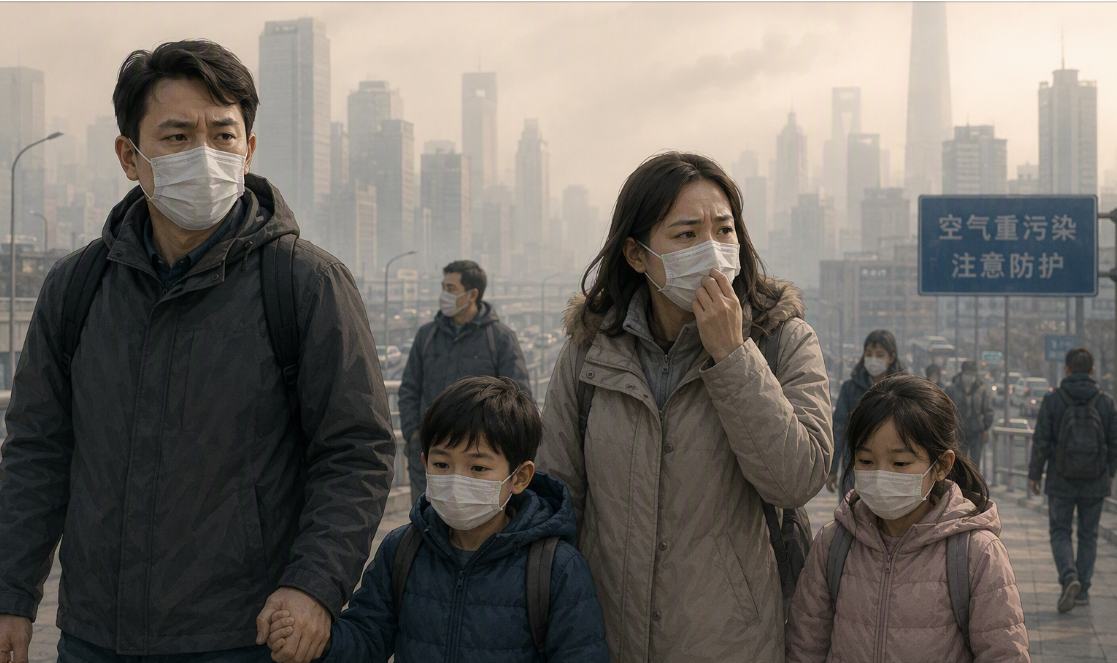
- Trees and plants better air quality. They lower air pollution and cool areas with many buildings.
- Shared green areas make it easier for people to have social interaction. They help bring the community together and improve the quality of life for everyone.
- Good green infrastructure helps cities handle heat, water runoff, and keeps animals and plants safe. It supports biodiversity.
Introduction
Green spaces do more than just make a city look good. They have an important role in public health. These areas help people move, rest, connect with others, and stay in a cleaner place. In busy neighborhoods, green areas can lift the quality of life for urban residents who are in the built environment most of the time. If you feel calm after walking in a park, you know this effect. That is why green spaces need attention today.
Understanding Green Spaces and Their Types
Green spaces are areas of land with plants and trees, not buildings. In urban areas, there are things like urban parks, gardens, community plots, and small green parts in neighborhoods. There are also some bigger natural places. In rural areas, green areas might be much bigger and not as planned, but they help people live their daily lives. These places also help keep plants and animals healthy.
The most important thing is how green spaces are used. In urban environments, green spaces give people a place to exercise, relax, and meet with others. These areas also help make the local space feel better. They cool the streets, support wildlife, and make places with many people nicer to live in. The sections below show the main types of green spaces.
Definitions of Green Spaces in Urban and Rural India
An urban green space is a spot with plants or grass inside the built environment. The green area could be a public park, a group of trees, a neighborhood lawn, or a community garden. These open spaces break up busy development and help people enjoy nature right in their city.
In the country, green spaces are not made in a planned way. They are part of how people use land every day. Still, these open spaces help people move, rest, and spend time with others in their community. The change you see is in how they look, not in what they are worth.
For public health in urban areas, urban green space is important. These places give people somewhere to walk, play, and meet friends. They help the air quality to get better. They cut down heat in the city and provide a break from cars, noise, and filled streets. All of this makes urban green space good for people and the city.
Public Parks, Gardens, and Community Spaces Overview
Public parks are a well-known kind of green space. You can walk, play sports, sit, or talk with neighbors there. Gardens and shared open areas are like small parks that be near your home. They help improve quality of life in simple ways every day.
Community gardens are a big part of green spaces. They help bring people together. A group can work on the garden, share ideas, and feel good about where they live. That kind of community engagement helps green spaces feel useful. It also makes them feel friendly and part of the area’s everyday life.
Main benefits of regular access include:
- People will get more chances for physical activity and spend less time sitting.
- A person may feel better, have less stress, and see strong mental health benefits.
- You can make a greater social connection when you join in with others and take part in local events.
Green Corridors, Urban Forests, and Biodiversity Reserves
Not all green spaces are just one park. Some connect different areas in the city. Green corridors link neighborhoods and paths. They also help to join habitats together. Urban forests give more tree cover all over the city. Biodiversity reserves help protect plants and animals that live near cities or inside them.
These places help give us ecosystem services. These services can change our health in our day to day life. A tree cover makes the air feel cooler. It helps people be less exposed to extremely high heat. Tree cover also may lower air pollution and noise. Urban greening makes walking feel better. It may help us move more and feel good in our everyday life.
Green infrastructure boosts public health by:
- Cooling hot streets and helping reduce the urban heat island effect
- Making local air better with plants
- Backing biodiversity, so urban environments can be healthier
Role of Water Bodies and Wetlands as Green-Blue Infrastructure
Green spaces are better when water is added to them. Blue spaces like ponds, lakesides, rivers, and wetlands bring calm and beauty. They also help with the ecological value of the area. Research shows that water features can give people more good feelings when they spend time in nature.
Wetlands and other water bodies help manage stormwater. Unlike hard surfaces, these places slow water down. They also help clean water and lower stress on drains. This means there is less risk of flooding. It also helps keep water clean and safe.
This be important for climate change and health. When cities get hotter and have more rain, wetlands and blue spaces help deal with this. They cool the air near them. They also lower the risk of floods. The areas around these spaces give people a place to rest, walk, and feel better.
Historical Perspective of Green Spaces in India
Green spaces have always been part of how people set up and feel about their towns and cities. When talking about India, many people bring up old cities, gardens, and shared yards. These places are seen as adding comfort, order, and helping daily life feel good. This connection is still important in urban planning today.
Today, this main idea stays the same. Green spaces are known to make places healthier and nicer to live in. The change now is that public health explains these good things by using research. That research looks at activity, stress, heat, and how people use these spaces.
Evolution of Green Urban Planning from Ancient to Modern Times
Urban planning has seen many changes over the years, but there is one thing that has stayed the same. People always need green areas. In older towns and ancient cities, gardens and open space helped people feel comfortable. These spaces gave shade and made the area nice for everyone to use and share.
As urban development got bigger, the cities became crowded and tough. Roads, homes, and stores moved nature out to the sides. That is why green areas in the city are so important. They are now the main way for people to connect with nature in their daily life.
Green infrastructure is now seen as a useful tool. It is not just for looks. Parks, green corridors, and planted spaces help people get around, meet, cool down, and handle rainwater. Today’s plans use an old idea, but the goal is clear. It is about health.
Influence of Traditional Indian Gardens on Community Health
Traditional gardens are known for beauty and calm. But they can do more than that. A garden that is kept well gives people a place to be quiet and think. You can take a slow walk there, or meet with others in a relaxed way. These simple things can help human health in real ways.
Community health gets better when outdoor places feel shared and open for everyone. Gardens make busy neighborhoods feel warmer and softer. They give older adults, families, and children a place to go outside. This helps people feel less alone and lets them see each other more often.
There is the social side to think about. When people use local gardens again and again, they start to know each other better. This helps build social cohesion. These gardens, even if they don’t have official events, let people feel part of the place. A regular visit can make them feel connected to what they do and to other people around them.
Shifts in Policy Towards Sustainable City Landscapes
Policy thinking has changed in the way that people no longer see parks as nice extras. Now, they are seen as a key part of a city that wants to last and grow the right way. The collected information shows that green infrastructure is now talked about with roads, drainage, and buildings in urban planning.
Government rules now aim to keep old green space safe and to build new things like green roofs, rain gardens, bioswales, and surfaces that let water pass through. These things help cut down air pollution. They also lower heat and manage rain water. They make the area better for people who live there every day.
This change matters. Cities have many things to focus on. Housing, transport, and land value often make people forget about nature. Good planning rules help keep green infrastructure safe from quick fixes. This lets us care about public health, resilience, and environmental justice.
The Science Linking Green Spaces and Public Health
The science on green spaces and public health has moved fast. Studies have looked at links between being near plants and many health outcomes. These include how much people move, how they feel, and certain long-lasting illnesses.
At the same time, the evidence base is not easy to read. Researchers say results change with the study design, how good the work is, and the way green space use is measured. But the overall pattern shows real health benefits. These are stronger for physical activity, mental health, and social contact.
Key Epidemiological Studies Supporting the Connection
The evidence base has several types of studies. It includes observational studies, ecological work, randomized trials, and systematic review results. If you use Google Scholar or other sites like it, you will see people asking again and again about how access, use, and quality link with health outcomes. A lot of sample size studies show that when people live near green spaces, their risk for obesity and type 2 diabetes goes down.
Study design is important. Many studies are cross-sectional. This means they show a link, but do not prove one thing causes another. Researchers point out several limits. There can be other factors mixed in, short follow-up times, and different ways people define green exposure.
| Study focus | What the evidence suggests |
|---|---|
| Availability of green space | Often linked with higher physical activity and lower overweight risk |
| Nature contact and stress | Associated with better mood, less distress, and restoration |
| Chronic disease patterns | Some studies report lower rates of type 2 diabetes and better cardiovascular health |
| Park-based exercise | Can support rehabilitation and everyday active living |
Biological Mechanisms Impacting Physical Well-Being
Green spaces are good for your physical health. They change what your body takes in. You feel cooler air all around, and that helps with heat stress. You also breathe in less pollution. People move more in these places. All of this impacts how the body feels every day.
Another way is by changing how people act. Parks and green paths help people walk, play, and do exercise more. This makes it easy to begin, and easy to go again. With time, this helps keep heart health strong by keeping blood pressure down and body weight steady. It supports blood pressure and cardiovascular health from regular activity.
There are wider systems in the body that are tied to stress. When stress goes down, the body can feel better and recover. Studies show that green environments be important to let people feel calm and to lower stress. This can help someone’s immune function and health in general, even if these changes happen slowly and not all at once.
Pathways by Which Green Spaces Reduce Morbidity
Green spaces can help lower illness in a few ways. It is not just one single thing that causes this. The main ways are: people do more physical activity, can recover from stress better, and connect with others more often. When these things come together, it can lead to good health benefits that last a long time.
That matters because daily habits are what often lead to chronic diseases. When people sit too much, feel alone, deal with hot weather, or feel stressed, it adds up over time. Green spaces break those patterns. They help you pick healthier choices in a way that feels easier and natural.
Important pathways include:
- Moving more each day can help you feel better and support physical health benefits.
- Feeling less stress and tiredness may make it easier to recover.
- Spending time with others can help you feel stronger and give support.
Physical Health Benefits of Green Spaces
Physical health is a solid reason to care about green spaces. Parks and other areas give people a place to do physical activity. You can walk, play, cycle, or use sports spots in these spaces. For urban residents, green spaces offer a free and easy way to exercise.
The effects of being around green spaces are not just about movement. Studies show that it can help lower the risk of being overweight. It is also good for your cardiovascular health. Over time, you may see better habits and feel more healthy. The next sections will talk about why this happens. There will be information on how activity, shifting in the body, and stopping long-term illness all make a difference.
Encouraging Physical Activity and Reducing Sedentariness
Urban parks help people get active. A walking path, sports field, or open lawn can make you move during your free time. In the built environment where most live, this is good because many people spend a lot of time indoors, sitting down, or stuck in traffic.
Regular access to a green space helps, as convenience shapes what people do. When there is the green space close to you and easy to get to, you and others are more likely to go there. People will use it more often. Research in the compiled information shows that if the space is easy to reach, people will be more likely to use it, and also go there more often.
This is one of the good health benefits of going to parks often. It helps people be less inactive, builds habits for exercise, and makes moving feel easier instead of hard. For children, playing hard in parks adds to most of the movement they get in a day.
Influence on Cardiovascular and Metabolic Health
The link between green spaces and cardiovascular health shows up in a few ways. First, green spaces in neighborhoods can help people walk more and get some exercise. Second, having cooler and quieter spaces around may cut down on physical strain, which is not the case with hot and busy streets.
These changes can also impact metabolic health. The research collected shows that people with more access to green areas often have lower chances of being overweight. They may also have a lower risk of type 2 diabetes in some groups. When you put physical activity into your daily routine, things like your body mass index and your body mass can get better.
Evidence about chronic disease does not match in every study. But the way it works can still help us. When green space lets people move, feel calm, and be at ease, it can help with blood pressure. It also lowers the chances of getting sick in the future.
Lowering Risks of Chronic Diseases through Green Exposure
Green exposure is not a magic fix. But it can help people build good habits over time. Studies show links between green environments and better health outcomes. This includes less risk from obesity, diabetes, and heart problems.
One key reason is consistency. People who stay near green spaces that they can use may walk more. They may sit less. This can make them feel good about being outside. After some time, these simple choices can affect body mass. They can change energy balance. These choices can also help with recovering from stress each day.
The link between green space and long-term health problems is most clear when you see how the whole system works. It is not only the plants that matter. It is also about how these spaces help people behave in a healthy way. They give comfort and lower some problems from the outside world in our everyday lives.
Mental and Emotional Health Advantages
Green spaces give good mental health benefits. People go there to feel calm and to slow down. They use these places to get away from noise, busy crowds, and stress. This helps them feel better every day and gives them a chance to feel restored.
Research in the compiled information links being in green environments to less stress, a better mood, and more attention. Some studies say people feel the effects more when water is around. The next sections talk about how these places help you feel balanced, focused, and can help your mind feel better.
Stress Reduction and Psychological Restoration
If the city makes you feel tired or stressed, green environments can help your mind feel better. A park lets you get away from the traffic and noise. There is less for your eyes to take in, too. This change can help lower stress. Your brain can rest and feel calm in this kind of place.
The gathered information shows that walking in green spaces like parks can help lower the body’s stress hormone, cortisol. It says that these green spaces are good places for rest, quiet, and to feel less stressed. These things may be simple, but they can really help the mind feel better.
Quality is important for green spaces. Green spaces that feel peaceful, natural, and inviting help people feel better. So, being in good green spaces can help your mind feel calm. They can lower stress, help you feel less tired, and give you a safe place to relax and feel good.
Alleviation of Anxiety, Depression, and Mood Disorders
Green spaces can help people who feel anxious, sad, or have mood problems. They give you a calm place to move or sit. Being in nature does not feel as hard as being inside or in busy places. This makes it easier to start a healthy habit.
The mental health benefits are not only found in the view. You get these health benefits from easy movement, being with people, and having calm times. This is why green spaces, when they feel safe and are nice to be in, can help our mind feel better.
Helpful features include:
- Calm surroundings that help you feel less stressed. These places also help lift your mood.
- Simple walking paths where you can move and feel better. They help you relax with each step.
- Social spots that make you feel less alone. You can join others without feel pressure to talk.
Evidence for Improved Cognitive Function and Focus
Green spaces help the mind work well. You feel better, and you also think more clearly. The information shows that being in parks or nature boosts focus and memory. This is important in cities. Busy life and noise can make it hard to stay sharp.
One reason could be that there is less attention fatigue. In urban settings, you have to always keep out noise, watch for traffic, and notice so much movement. Urban green space can help with this. It lets your brain have a place that feels more calm and easy to think in. This can help you feel better and give your mind a break.
The psychological benefits can be used in real life. When you have better focus, you may do well in school, feel more sharp at your job, and be more patient with your day. A short visit can help too. The space should feel calm and easy to get to. It must have many natural things and not be full of concrete or things that make you lose focus.
Social Health and Community Well-Being
Health is also about how people connect with others. Green spaces help people meet and talk in easy ways. Parks, gardens, and open areas let people spend time together. This feels relaxed and not forced, unlike meeting only indoors. Green spaces make social interaction feel simple and natural.
These social benefits are important for resilience. People feel a greater sense of community when they often use shared spaces. This can help build trust and increase community cohesion as time goes on. The next sections will talk about how green places support belonging, civic life, and fun activities for people of all ages.
Fostering Social Interaction and Sense of Belonging
Parks are not only a place for activities. They also help build relationships. When people in the area walk, sit, get some exercise, or join events in the same outdoor place, social interaction goes into what we do every day. Doing these things again and again helps people feel counted and less alone.
A strong sense of community can grow when people use a park together. The information shows that parks are spaces for everyone. People come to them for gatherings and events. This helps people feel closer. It can also help social cohesion. Over time, this can make community health better.
Green spaces support this by:
- Giving residents a neutral, shared place to meet
- Encouraging community engagement through events and regular use
- Creating familiarity that can strengthen trust and belonging
Strengthening Community Ties and Civic Engagement
Public green spaces give people a place to relax. They can also be spots for cleaning days, local get-togethers, volunteer work, and talks about plans. This helps link how we use these spaces every day and how we all work together in the community.
Community cohesion goes up when people feel they all own a spot in their area. A well-kept park or garden shows that the neighborhood is important to them. But open space that is not cared for can stop people from trusting each other and make them feel unsafe or think something is wrong.
This is why the social benefits of green spaces depend on how you design and take care of them, not just how large the land is. When public green spaces are used by people and are kept in good shape, they help get local people involved. These spaces also build a sense of belonging in the neighborhood. They make people feel more willing to spend their time in community life.
Safe Areas for Recreation for All Age Groups
Urban residents need places where they feel safe and relaxed while having fun. Green spaces give people this by letting them walk, play, rest, and move around gently. They can do all this away from busy streets and crowded buildings.
These safe areas are important for everyone. Kids need places where they can run and play. Grown-ups want spots to work out or feel less stress. Older adults like open space with easy walking paths, close seats, and ways to meet other people for small talks. A good open space can help all of them.
Safety is not only about gates or rules. Clean and well-kept spaces matter too. When people can see around and feel the area is looked after, they feel good about being there. A park that feels safe and friendly helps more people come, feel relaxed, and stay active. Residents of all ages can get health benefits and enjoy these places.
Impact of Green Spaces on Special Populations in India
Not all people get the same help from green spaces. Some need them more because their day-to-day life does not give other options. This is very true for children, older adults, and people from groups that may not get many chances. They may live in busy or poor neighborhoods where green spaces are few or hard to find.
For these special groups, the parks and green areas near them can help with moving, feeling better, and meeting others. These places can also make some access gaps smaller because of the built environment. The next parts will talk about why these groups need special attention in planning.
Importance for Children’s Physical and Mental Development
Children often get their strongest physical activity when they are at parks. This is why public green spaces matter a lot in urban settings. Many people in cities do not have private outdoor areas. In these green spaces, kids can run, climb, and play. This type of play really helps their physical development.
The way you feel in your mind is important too. Being outside in green areas can help lower stress. These spaces can also make people feel more curious and help them pay attention. The facts put together also show that a sense of wonder is a big part of what people get from being in nature. For children, feeling like they are finding something new can help them learn and feel more balanced emotionally.
Access to green spaces is very important because you can’t get these same benefits inside. In places where many people live close together, children need safe outdoor spots so they can move, learn, and grow. If there are no parks or open areas nearby, chances for good physical activity and better mental health get smaller and less fair.
Role in Elderly Wellness and Active Aging
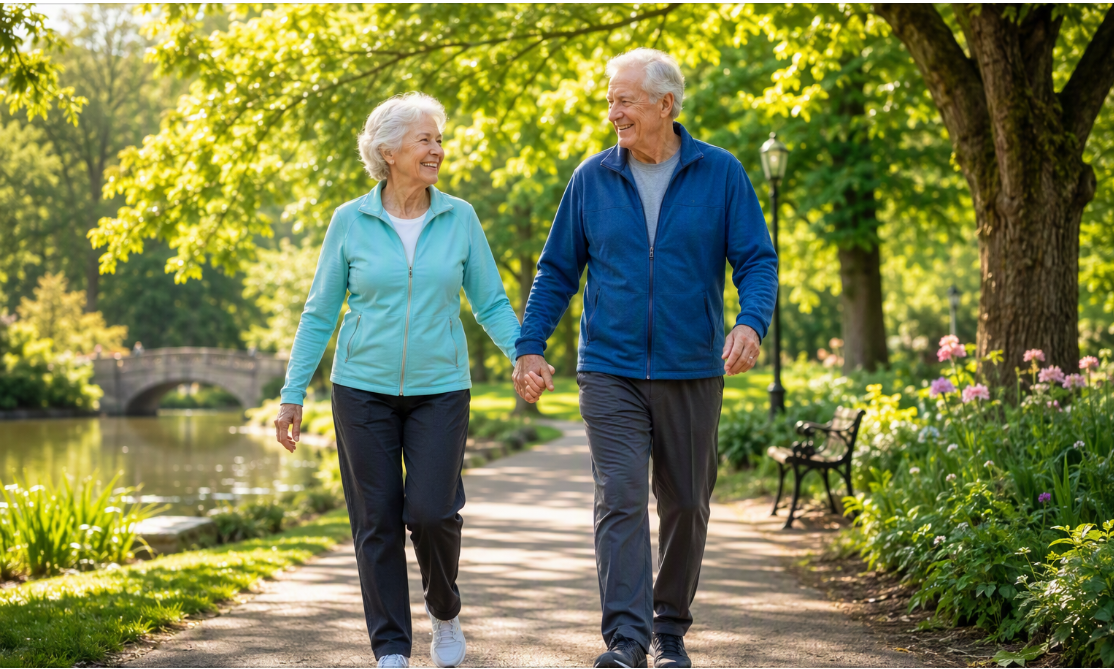
For older people, green spaces can help them feel better in simple ways each day. A park close by gives them somewhere to walk, sit down, or talk with others. These small things are important for active aging because the people know how to do them and can keep doing them often.
The information shows that spending time in green spaces is good for older adults. Going there often can help people feel less lonely. It can boost confidence and help them stay in touch with neighbors. This is good for both their personal well-being and community health.
Health benefits happen when comfort and design are there. Safe paths, shade, benches, and easy ways to get in can decide if people use these spots or not. When planning cares about these needs, green spaces help with moving, staying strong, and letting people age with respect.
Benefits for Marginalized and Low-Income Urban Residents
For many people who live in cities and do not have much money, green areas can be the best place to go. You can get exercise, relax, and spend time with others here. These spaces do not ask for money, sign-ups, or long drives. They give health to all. This is what makes green areas so key for fair health in the city.
The information also talks about environmental justice. Not every neighborhood gets the same chance to have safe and nice parks. When more green space and work go into richer places, people in the areas who need help the most do not get cooler spots, cleaner air, or the daily help for their health that they should.
Green spaces reduce disparities by:
- Giving free spaces where people can move around and feel less stress
- Making areas better where there is more pollution or other problems
- Helping people connect with others in communities that might not get enough support
Green Spaces and Health Equity
Health equity is about who can get to and use green spaces. If parks are far away, feel unsafe, or are not taken care of, only some people get their benefits. This causes gaps in who can enjoy them. These gaps can really affect vulnerable populations.
This is why environmental justice should be a part of every talk about green spaces. Giving everyone equal access is not just about land or where a park is on a map. It is also about making sure the places are good, safe, open, and work for people in that area. The next parts will look at the planning problems behind fair access.
Addressing Urban-Rural Access Gaps
Access gaps show up in different ways in urban areas and in the country. In cities, people often face problems like not having enough spaces, places being too far, or not having good spots inside a busy and packed city. In the country, you may see green land, but there may not be places for the public to go, places to use, or safe spots to share with others.
Environmental justice is about seeing how people face different barriers. Not every community needs the same help. In one area, having a park close by may be very important. In another, people may need safer roads and clean, open spaces more.
Green spaces can help lower health gaps between different groups. This works best when the planning team keeps real-life needs in mind. The main goal is not to just have more plants or trees. People need to get real access to places where they can walk, rest, or spend time with friends and family. This is most helpful for those who need these benefits the most.
Green Initiatives Targeting Vulnerable Communities
Green initiatives work best when they help neighborhoods that do not have many resources and deal with big environmental problems. The information here shows that when money goes to urban greenspace in places that have been left out for a long time, it can lead to better health and stronger communities.
For vulnerable populations, community engagement is very important. People living in the area need to have a say in what is built, how to use it, and what problems it should help fix. If this does not happen, even a project that gets a lot of money might not meet local needs or may not get used much.
Strong initiatives often include:
- New or fixed-up public green areas are being added in places that do not have many.
- People in the area help with the design, take care of the spaces, and run events.
- The plans make sure all can get to these green areas. They do not turn them into spaces for only a few people.
Policy Considerations for Inclusive Green Space Planning
Inclusive green space planning begins with policy choices. Cities must have rules that keep parks open for everyone. These rules help with the upkeep of parks. Good rules also link park planning with the way we build roads, homes, and ways to keep people healthy. If there is no coordination, good ideas will stay split apart.
A government group needs to look at more than just the number of green spots. The information says that some new private projects add plants or parks, but only let people who live there use them. This can make the homes more wanted or liked. But it does not help public health for everyone. In fact, it can make things feel more unfair for other people.
True inclusivity means that you should ask who gets something from it and who might get left out. Good policy should help make places closer, safe, open, and easy to use for people of all ages and the different groups in a place. This is the way that planning for green areas turns into something that helps everyone, not just a few people.
Environmental Improvements That Support Public Health
Green spaces help public health in a few ways. They give people places to move and feel good. These places also give environmental benefits. Trees, soil, and other plants change the area around you. They clean the air, make heat less, and help with water.
These ecosystem services are very important in places where a lot of people live close together. In these areas, pollution, too much heat, and water runoff can be hard to handle. The next parts show how having more green spaces can lead to cleaner air, help keep the weather cooler, and support more types of plants and animals in the city. All these things can have a good effect on our everyday health.
Better Air Quality and Pollution Mitigation
One of the best things about green spaces is they help make air quality better. Plants take in things that are bad for the air and give out oxygen. This makes the places with green spaces healthier than those full of concrete and roads with traffic.
This type of pollution control is very important in the built environment. People in these places can be around car fumes and heat all the time. Trees and green spaces help make these problems less harsh. They can make every day feel better, especially for those who like to spend time outside.
In talks about climate change, the role of green spaces is even more important. Green spaces do not fix air pollution by themselves. But these areas help take away some of the problem. Also, they keep neighborhoods cooler. When you put these things together, they can lower health problems when it is hot and the air is bad.
Reduction in Urban Heat Islands and Climate Moderation
Cities tend to hold more heat because there are a lot of hard surfaces. These surfaces take in the heat and keep it. This makes the urban heat island feel worse, so some neighborhoods get much hotter in the summer than you would think. A good way to help with this is to use green infrastructure. This can lower the problem and make it easier to handle.
Tree canopy is at the heart of this. The shade from trees helps lower surface temperatures. Plants also cool the air by releasing water, a process called evapotranspiration. The gathered data shows that places with more trees can be several degrees cooler. This can make a big difference for walking, feeling comfortable, and how much heat people feel.
That is why green spaces are so important in urban settings for public health and climate. They help cool the city down, make heat less of a problem, and let people use outdoor areas more often. All of this makes cities stronger when it gets hotter. In these hot urban places, having green spaces can be one of the best ways to keep people safe and well.
Strengthening Urban Biodiversity and Ecosystem Services
Green spaces help cities in many ways. The areas with plants and trees in urban environments give birds, insects, and other animals a place to live. This makes the cities have more kinds of life, and helps balance nature.
These gains are part of our everyday life. A healthy urban green space gives us benefits like cooling the air, helping to manage stormwater, and making the air cleaner. When there is more biodiversity, urban systems can handle stress better and be stronger. These ecosystem services help us in the city.
Key ecosystem services include:
- Habitat support that helps make urban environments stronger for plants and animals
- Stormwater absorption and natural filtration to keep water clean
- Cooling and air benefits that make urban environments feel better every day
Quality vs. Quantity: Maximizing Green Space Benefits
Having more green spaces in a town or city can help. But the quality of these places really matters for people to use them. A park close to your home is good, but if it feels unsafe, dirty, or is not planned well, people may not visit. This means it may not do much to help public health or quality of life.
That is why user experience is so important. Research in the information we have shows that, for people’s minds, having good green spaces matters more than just having many green spaces. The next parts will talk about what features help make green spaces work better, feel more welcoming, and be used by more people.
Critical Elements of High-Quality Green Spaces
Quality affects how people use green spaces. People will come to public green spaces more often if the paths are easy to walk on. They also like it when the place looks clean and well-kept. Things like shade, good lighting, places to sit, and nice views all help make people feel good about coming to these areas.
Environmental factors are important too. The information shows that things like walking paths, shade, water features, grass, birds, sports places, and road conditions nearby are linked to better mental health and regular use. These things help people feel better and make them come back more often.
Good green areas can help improve public health in many ways. They make it easier for people to exercise, feel better, and spend time with others. Poor green areas may look fine on paper, but they do not really give people these public health benefits each day. This is why quality matters when it comes to green areas.
User Experience and Perceived Safety Concerns
People make up their minds about green spaces fast. If the area looks dirty, cut-off from others, or not kept up, people are likely to stay away, even when it is near. This shows that what people feel when they use green spaces is a big part of how much the spaces get used.
Feeling safe is very important for women, children, and older adults. The information shows that when places look run down, there can be more crime, damage, or bad actions. When this happens, just being able to get to these places is not enough to give health benefits.
Key concerns include:
- Poor lighting or hidden spots can make green spaces feel less safe.
- Hard-to-reach routes, like having to cross a busy road, make it tough for people to get there.
- Signs that no one takes care of the area can make these green spaces feel unwelcoming.
Maintenance, Inclusivity, and Accessibility Factors
A green area is good only if people can get there and feel like they belong. It needs to be cared for, it must feel open to everyone, and people should be able to use it without trouble. If one of these is missing, the open space loses its worth fast.
The information shows that it matters how far a place is from your home. People are more likely to use spaces that are just a short walk away. But, being close is not the only important thing. The feel of the place, local life, and how people act there also help decide if people feel welcome. All of these things work together to show who will use a space.
Important factors include:
- Regular upkeep keeps the paths, lawns, and facilities open for everyone to use.
- A design that works for all ages and needs is there.
- Safe paths, a spot nearby, and fewer things in the way help with access.
Green Infrastructure Strategies in Indian Cities
Green infrastructure gives cities more choices than just the usual parks. In urban planning, it can be things like green roofs, bioswales, rain gardens, trees, and public open spaces. All these parts connect and work together as one system.
In urban development, there is not much land, and a lot of people want to use it. Urban greening can help make these areas better places to live. It can also help with heat, too much rainwater, and life in the neighborhood. The next parts will show some examples of projects, talk about where policy is going, and look at how local people take part.
Case Studies of Successful Urban Greening Projects
The gathered information gives good case studies from urban greening projects done outside India. You will see that Baltimore is a main example here. These stories show that when people turn empty land into parks or green areas, the neighborhoods do better. People use the space more, feel less stress, and take part in more healthy daily work. This is how green areas can help in urban greening.
The results show that there is more to it than just how things look. A well-made green project can help boost community engagement. It can help people feel safer. Property values might also go up. However, planners should pay attention to displacement. If the changes make homes too costly, some people living there may not be able to stay.
Common lessons from these case studies include:
- Bring empty or forgotten land back into use for everyone.
- Get people living in the area involved early, so that community engagement can last a long time.
- Make the area better, but also be fair and make sure all people have the same chance to use it and feel welcome.
Government Policies and Smart City Initiatives
Government policies help shape what happens in cities. When planning rules make sure public parks stay safe and green infrastructure is part of new development, cities can keep these healthy spaces for years to come. This helps people, now and later, to have places that support their well-being.
This idea also matches how smart cities should work. A smart city is not smart if it turns away from heat, runoff, pollution, or what people need every day. Green infrastructure can help handle these problems. It also helps public health in ways people can see and use in real life.
The compiled information shows the need for better links between planning, housing, transport, and health. This is a key policy problem. When there is stronger coordination, green space is not seen as just a nice extra. Instead, it becomes a main part of how cities are built.
Community Participation in Creating Urban Green Spaces
Community participation helps make sure an urban green space works well. When people from the area help plan it, the space fits their routines, likes, and needs. Because of this, there is a better chance that the space will be used and enjoyed for a long time.
Local input also helps the community feel better. People who feel they belong in a place will use it more. They take care of it and look out for any problems, too. This feeling grows over time and makes social cohesion stronger. It also means the place is more likely to stay busy and inviting for everyone.
The information collected shows again and again that getting people involved should be a main goal when planning. A city should not just make a park and wait to see what happens. Local people need to help with the design, daily use, and care of the park. That way, cities can give real and long-lasting health benefits to their people.
Overcoming Barriers to Expanding Green Spaces
Expanding green spaces may seem easy. But cities run into problems when they try to do it for real. There is not enough space because many people live close together. The land is used for other things, and there is not a lot of money to work with. Because of this, making or keeping parks often gets pushed aside. These issues are big in places that grow fast.
Cities still have choices. Good planning, smart ideas in design, and working better together can help use the land and money they have. The next parts talk about why land is hard to get, some new ways to add green spaces, and why it is good for different groups and people to work as one.
Land Use, Urban Density, and Resource Challenges
Land use is a big problem when you want new green spaces. In cities with a lot of people, there is not much space. Houses, roads, and businesses all try to use the same land. This makes urban planning a tough job. It is also a touchy topic for people in the city.
Resource problems make things harder. Green spaces need money for design, care, cleaning, and safety. If there is less money, parks can be left out because people feel other things are more important. Spaces that are not taken care of may be used for something else.
This can make a cycle that cities have to stop. If more people move into the cities and there is not enough space for nature, health problems can go up as well. Cities should see green areas as very important. They should be planned in from the start, not just left over or used up when things get busy.
Innovations in Vertical Gardens and Rooftop Greening
When there is not much land to use, cities can grow upwards instead. Vertical gardens and green rooftops help add more plants. You do not need big new sites at ground level for this. These ways can work along with parks, not take their place.
In urban development, green roofs can help cool down buildings. They also make hard surfaces feel nicer and add more nature to the built environment. The information shows that green roofs are an important part of green infrastructure. These are useful for making cities more sustainable.
Potential advantages include:
- You can add more plants even when there is not much ground space.
- It helps to keep the temperature more steady in places with a lot of buildings.
- It works with other green systems to help manage rainwater.
Collaboration Between Government, NGOs, and Citizens
No one group can make green spaces grow by itself. Cities need different groups to work together. Local authorities, NGOs, residents, and private partners all have to help. This is the way to get green spaces in neighborhoods that will stay there for a long time.
The compiled information tells us how working together can help raise money, create designs, reach more people, and keep things running. An official government organization may make rules and offer land for the project. NGOs can give local trust, energy for the project, and help with community engagement. People who live in the area can help with how it is used and cared for.
This shared way of working is important. Green space work is connected to many areas. It affects public health, planning, housing, water, and community life. Working together helps everyone agree. It is also easier to create spaces that are useful, fair for all, and have the support of many people.
Conclusion
To sum up, green spaces are very important for public health. They do much more than just look nice. These spaces help people move more and feel better about their lives. Green spaces also help connect people in a community. They make urban settings better for all of us. When we see how important good green spaces are, we need to push for smart urban planning. It’s important to support any work that helps create or keep green spaces. No matter if you’re one person, have a role in your community, or set rules for a city, what you do does make a difference. If we all help, we can build cities with more green space where public health will get even better.
Frequently Asked Questions
How do green spaces most effectively improve public health in cities like Mumbai, Delhi, or Bengaluru?
Green spaces help people feel better in urban areas. They make it easier for us to get the physical activity we need. These spots also help cool the city down, clean the air, and let us relax when we feel stress. The health benefits are best for urban residents when parks are close by. Parks work well if they are safe, looked after, and feel good to walk in, meet people, or use every day.
What are the best ways to maintain high-quality green spaces in rapidly growing Indian cities?
High quality green spaces need care. People should feel safe getting to them. There should be clean areas, some shade, places to walk, and people in the community should share their ideas. Urban planning must help protect urban parks from getting ignored or changed into something else. It needs to connect parks to travel options, homes, and people nearby, so these green spaces stay helpful as cities get bigger and grow fast.
Why is access to green spaces more important for children’s development in urban India?
Access to green spaces in urban India is very important for children. These places help kids get more physical activity. Green spaces also support better mental well-being and let kids spend time with others. Being in these areas helps children explore, become more creative, and live healthier lives. This can also help them grow and think better in cities where many people live close together.
Future Directions and the Growing Importance of Green Spaces in Public Health
As cities get bigger, making room for green spaces is very important for public health. In the future, we need to give people easier access to these areas. It also helps to bring in more plants and wildlife, and to get the community involved. By doing this, people can feel better in their minds, have good physical health, and help keep the environment safe. Because of all this, nature should always be part of the city.