
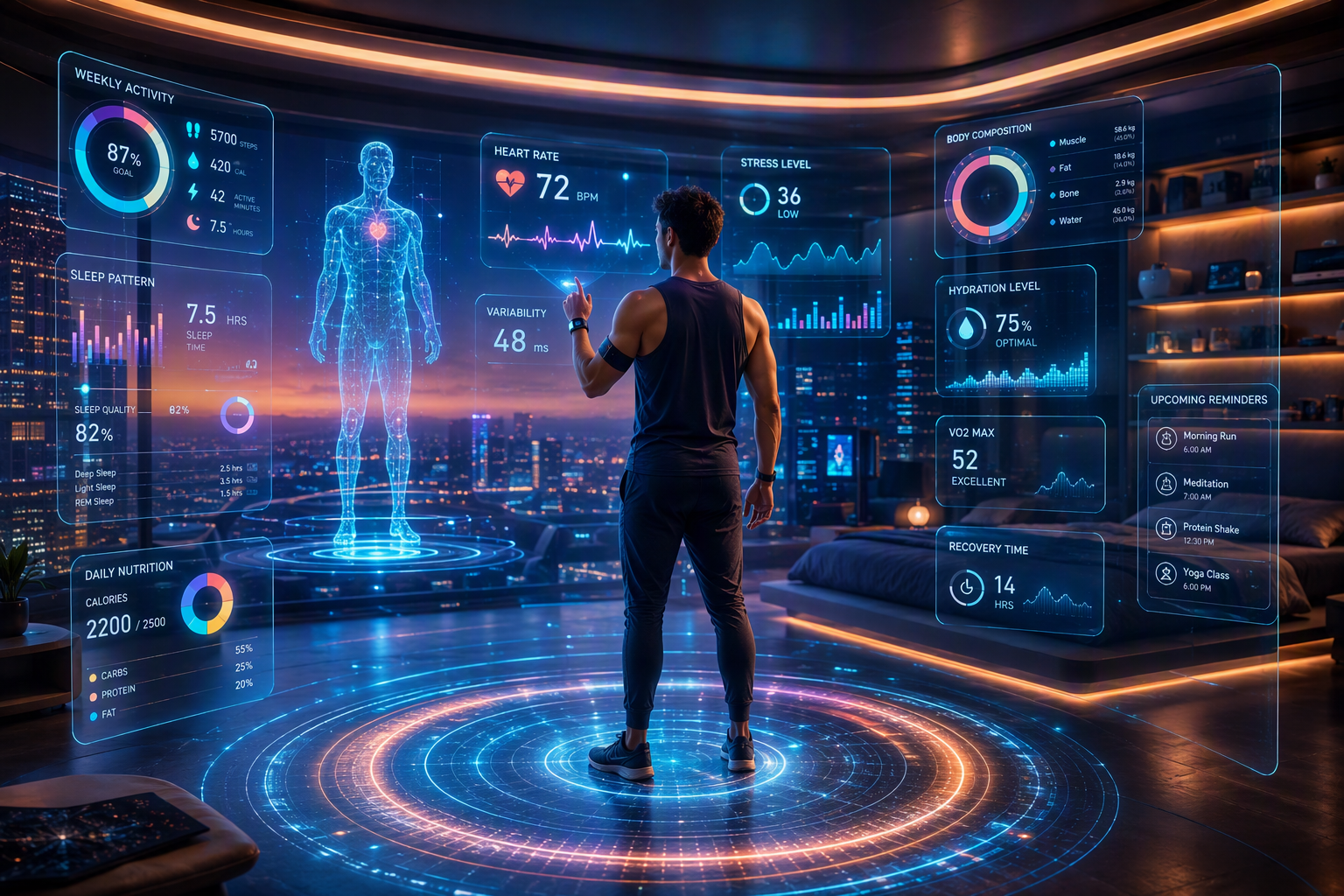
Key Highlights
- Wearable technology lets healthcare providers get health data all the time by continuous monitoring, not just when you come in for checkups.
- A lot of wearable devices watch your heart rate, sleep, glucose levels, and other signs in real time.
- This move helps digital health improve. It builds stronger patient engagement and makes patient care more informed.
- Healthcare providers find health issues quicker. They can switch up treatment plans faster.
- Wearable devices work for chronic disease management, remote monitoring, and help you set personal health goals.
- Artificial intelligence takes health data from wearable technology and makes it easy to use. It helps you act on what the data shows.
Introduction
Wearable technology is now used more in health care every day. A few examples are smart watches and continuous glucose monitors. These devices collect health data from you all the time. The data can go to apps or be sent to healthcare providers. This lets you see your body, habits, and health trends better.
With digital health, doctors do not need to rely on only one reading now. They get health data often and can check for changes. Health monitoring is better for both people and healthcare providers. As wearable technology and continuous glucose monitors get better, they are changing how we look at health care and how we use health data.
Understanding the Role of Health Data in Modern Healthcare
Health data has become more important for patient care. Wearable devices collect information the whole day, not just when you are at the clinic. This lets healthcare providers see how your body works in real life.
Now, people can use medical devices to be watched over at home. They do not have to wait for checkups. Because of this, healthcare providers get health data faster. They see changes in the body right away. This helps them do their job better and feel sure about what they tell the patient. If you want to know why this matters so much, just look at what these medical devices check and how they help with patient monitoring.
Types of Health Data Collected by Wearable Devices
Most wearable devices keep track of health data. Some examples are heart rate, blood pressure, how you sleep at night, and activity levels. A few devices also track your respiratory rate, body temperature, glucose levels, and blood oxygen levels. A small number measure heart rate variability. Some even look at your movement patterns.
Here is a simple text table showing common data points:
| Health data type | What wearable devices track |
|---|---|
| Vital signs | Heart rate, respiratory rate, body temperature |
| Cardiometabolic data | Blood pressure, glucose levels, blood oxygen levels |
| Physiological data | Heart rhythm, heart rate variability, electrodermal activity |
| Lifestyle data | Sleep quality, physical activity, strain, activity levels |
Some wearable devices are made to help people feel better overall. Others deal with certain health issues. Continuous glucose monitors look at glucose levels all the time. There are smart watches that can watch for signs of seizures for people with epilepsy. This rise in different ways to get physiological data makes health monitoring more useful for us.
Significance of Real-Time Health Data for Patients and Providers
Real time patient data helps healthcare providers see what is happening as it happens. This lets them find trends right away. Doctors do not have to wait for a problem to get worse. They can step in sooner to help. Continuous monitoring is good for blood pressure issues, heart disease, diabetes, sleep problems, and recovery after surgery.
For you, this means you get alerts sooner. Tracking is easier, and patient engagement is better. Many wearable devices send updates straight to smartphones. This helps you check your personal health data anytime. When you can see heart rate, sleep quality, or glucose levels, you feel more ready to take care of your personal health. You can also get more involved in health management by keeping track of your personal health data each day.
Integrated wearable systems are making healthcare better today. These systems link devices, apps, and safe cloud platforms. The setup makes patient monitoring and remote patient monitoring easier. Medical workers can now check patient data even when people are not at the clinic. This means doctors can help faster. It also improves how patients and medical teams talk with each other.
What Is Wearable Technology and Its Key Features
Wearable technology in health care means you use smart tools that you wear. These are called wearable health devices. Examples are smart watches, patches, and glucose monitors. These medical devices help you check your health metrics in real time. They can collect your health information and send it. You can see how you feel and track your health with these health devices.
What is important about them is that they let us use digital health every day. You get to use continuous monitoring, wearable health devices, and other health devices. This happens through sensors and wireless links. With the help of software, your care keeps going after you leave the doctor’s office. In this way, digital health is always with you.
The next section explains the wearable health devices that people and health providers use most often.
Common Types of Wearable Health Devices
You likely spot wearable health devices all the time. Some are for people to use at home. Some are for doctors and nurses. These health devices track health metrics. They help with remote monitoring. They also make patient care better in many real ways.
Common examples include:
- Fitness trackers can check your heart rate. They watch your activity levels. They also track your sleep patterns.
- Smart watches come with ways to read your heart rate like ECG. They can tell you if they see signs of a seizure.
- Continuous glucose monitors read your glucose levels all the time. They send your glucose numbers right to your smartphone.
- Blood pressure monitors now come as patches you can wear. You get blood pressure checks all day and night.
- Smart patches can check your vital signs. They help you keep up with your medicine schedule.
Other examples are sleep-monitoring masks, wearables that check sweat, smart hearing aids, and devices like the Oura Ring or WHOOP strap. Each one does its own task. But when you look at them all, you can see how wearable technology changes the way we use and get health information.
Technological Advancements in Wearables
Recent changes in technology have made wearables small, smart, and simple to use in digital health. Better sensors give you more health metrics that are easy to understand. Wireless features make it simple to send these details to apps, the cloud, and healthcare professionals without any trouble.
Artificial intelligence helps make wearable devices better. These devices do more than just give numbers. They look for patterns in big groups of data. If something new happens, they show it right away. They are good for early warnings and make remote monitoring better. Small changes can show before you feel sick. This helps people stay on top of their health.
In the future, wearables could use smart clothing, smart implants, and smart contact lenses. These new ideas may make life easier for people. They could help get better results. As artificial intelligence and sensor design improve, wearables will be able to help with health monitoring each day.
Benefits of Wearable Devices for Individual Health Monitoring
Wearable devices help with your health monitoring by checking your personal health all the time as you go about your day. You get a better idea of your health with these devices than just from trips to the doctor.
This steady flow of information lets people take action sooner. It gives a clear view of what happens each day. This makes it easier to stick to treatment and keeps people focused. Doctors use real data to change care, not just what they think might be happening. All these steps can help improve patient outcomes, especially for those who need care for a long time. The next sections show how this works in real, daily life.
Continuous Tracking of Vital Signs
Continuous tracking with wearable devices lets you see how your body changes over time. These devices do more than just one check. They monitor your heart rate, blood pressure, respiratory rate, and body temperature. You can also watch your activity levels during the day and night.
This matters because blood pressure and health can change when you are not at the doctor’s office. A person may feel nervous during an appointment. This can cause their blood pressure to be high. This is known as white coat effects. On the other hand, sometimes blood pressure looks good in a clinic, but it is high at home. That is called masked hypertension. The patient monitoring over time helps show what is really happening.
For healthcare providers, steady data makes it easier for them to make good choices. It also helps them act fast. For you, health monitoring can feel simple and not like you are guessing. It does not matter if you track heart health, sleep quality, recovery, or how you move each day. Checking often gives a clear look at patient health.
Early Detection and Prevention of Health Issues
One big benefit of wearable health devices is early detection. These health devices check your data all the time, so you can see small changes in patient health. It gets easy to spot things like irregular heart rhythms, changes in glucose levels, or issues with sleep and recovery before they feel serious.
These devices are important in preventive care. They give a clear starting point for health. When you know what is normal, you can spot changes faster. This lets alerts warn you or healthcare professionals to look into any issues early. Problems can be handled before they get worse.
This way helps people with health issues like heart disease, diabetes, and high blood pressure. It also makes life better for those who have sleep troubles. With this, people can act faster when they need to in daily life. Preventive care is good because it finds problems before they turn into big trouble. Wearables help make this possible more often.
Impact of Wearable Technology on Medical Research and Innovation
Wearable technology helps people gather health data as they go through their day. This lets medical research look at patient data from real-life settings, instead of just at one point. Because of this, researchers can study health data and patient data for long periods. They can also see how people feel and act during their regular routines.
This change is good for healthcare innovation. It lets people find patterns, see how people react, and check results in a better way. As wearable technology becomes more common, it gives research teams in healthcare systems more proof and data. This lets them test new ideas. You can see this happen in clinical trials the most. After that, there will be even more new things in India.
Improved Clinical Trials and Data Accuracy
Clinical trials often depend on visits that are set before the study begins. But, these visits might not catch events that happen between them. Wearable medical devices fix this problem. They take patient data all the time. This gives us a better picture of how people feel and react during the trial.
That can help the data be more right since the info comes more often and in places where people live each day. Instead of only asking patients or using just one test, researchers get data sent right from connected devices. This is good when they want to learn about things like how active people are, heart rhythm, sleep, blood sugar, and other signs.
For the healthcare industry, getting better data can help plan stronger studies. It also makes results more clear. Wearables let people take part from home. This makes things easier for them. A simple and detailed way helps more people join. It makes the research better for all.
Accelerating Healthcare Innovation in India
Wearable technology is changing the way healthcare works in India. It helps patients, doctors, and healthcare systems stay in touch with each other. As digital health keeps getting bigger, there are now more health devices that make remote monitoring easy. With these tools, healthcare systems can look after people even when they are not in the hospital.
This matters when it is tough or expensive for people to visit the doctor often. Wearables help keep track of long-term health issues. They also let doctors follow up after surgery and help take care of older people at home. This gives real value to healthcare systems, making it easier for people to get help and saving time and resources.
India is now going to have smarter care that is more connected. The country is doing this as health devices work with apps, cloud systems, and clinical workflows. When these things join and work together, it is easy for care teams to get real-time information fast. This digital health setup can help make care better and quicker. It also can help make care easier to grow and reach more people.
Achieving Health Goals with Wearable Tech
Wearable tech is now in so many people’s lives. It can help with sleep. It also helps you boost your activity levels. Some people use it for managing glucose. Others use it to stay on their treatment plans. The data from these devices comes to you all the time. This helps you know if your daily choices are good for your personal health and feel sure that you are on the right path.
That feedback can turn your goals into everyday habits. It also gives healthcare providers more clear info if they want to change care. You can use wearable tools for better fitness, steady recovery, or stronger chronic disease support. Some good examples are personalized wellness plans and chronic disease management.
Personalized Fitness and Wellness Plans
Fitness trackers and other devices can help you make wellness plans that match what you actually do. They do this by checking your activity levels, sleep patterns, and heart rate. They also keep track of strain and when your body is ready to go. With these tools, you get a better and truer view of your health.
When it is easy to get this data, patient engagement gets better. You can see how changes in your sleep quality impact your energy. You can track if you move more or less over time. You also see when it may be time to focus more on recovery. This helps make your goals feel more clear, not something that is hard to understand.
For healthcare professionals, noticing these patterns can help them give better advice. They can also put together more helpful treatment plans. A treatment plan can change based on what your body does at that time. It does not have to use only what you say or remember. This is why wearables can really help with personal fitness and wellness. They give support to people for the long run. It can also help people change their habits as time goes by.
Chronic Disease Management and Support
People who have chronic conditions need to get checks often. Wearable devices help a lot with this. They can help with continuous monitoring of blood sugar in diabetes, blood pressure if you have hypertension, heart disease, and sleep problems. You do not have to go to the clinic every time. This is a good way for people and their doctors to stay on top of chronic disease management.
This makes health management simple. Blood pressure and glucose monitors, and heart devices let you share your data with healthcare providers. The tools help you stay on your treatment plans with less work. You can also check if the plans are working or not.
As time goes by, this can help people get better support for chronic conditions. It helps people stay on their care plans. It also lets changes in care happen fast. If something in the readings changes, health providers can act right away. This way, care can be more proactive, not wait until there is a big problem. This is important for people who have chronic conditions and need steady oversight.
Frequently Asked Questions (FAQ)
Many people ask how wearable technology works with health data. They want to know how wearable devices watch heart rate and blood pressure. A lot of people wonder how fitness trackers check activity levels and sleep quality. Some of us worry about the privacy of personal health data. Maybe you wonder how healthcare providers use this information.
When you get answers to these questions, you start to learn more. It helps you feel involved in your own health management. You feel good about taking care of your personal health.
How do wearable devices help in preventative healthcare?
Health devices use wearable technology. They help people check their heart rate, glucose, sleep, and other key signs. Keeping an eye on these signs over time makes health monitoring better. It also helps with early detection. This means users and health providers can act quickly. A small issue may get fixed before it turns into a big health problem.
What privacy concerns should users be aware of regarding health data from wearables?
The big privacy concerns are about how wearable data is saved, shared, and protected. These devices use sensitive health information. So, strong data privacy and good data security matter a lot. Users want to know if their health information moves to apps, cloud systems, or healthcare providers with connected platforms.
How does artificial intelligence enhance wearable health technology?
Artificial intelligence is used in wearable health devices. It helps these health devices read real time data in a better way. It can notice changes and see patterns. This makes health metrics more correct by working with a lot of data. In digital health, this means wearable health devices are good for remote monitoring. They can give early warnings. This helps people make better care choices.
Conclusion
Wearable technology and health data are changing the way we see healthcare. These devices can track your vital signs all the time and share what is going on with you. This helps people feel more in control, and can spot problems early. A wearable can also help stop health issues before they start. With AI, you get an even more personal health feel.
We need to think about privacy concerns, but there are good things the new wearable technology can offer. If you want to take care of your health in a better way, check out the new wearable technology in the market. You can get a free consultation to learn how these tools fit with you!

