Key Highlights
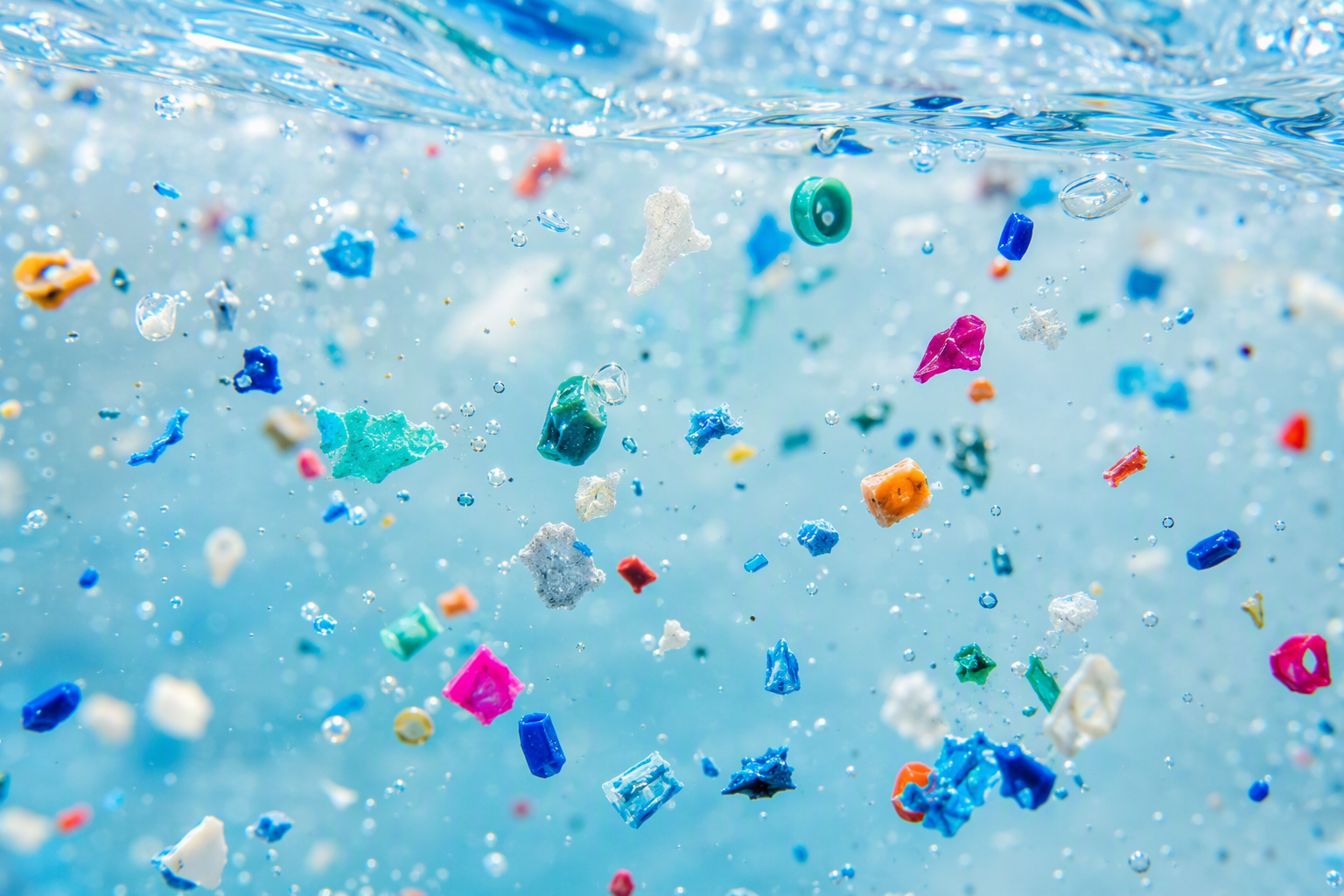
- Microplastics are tiny plastic particles. They come from plastic pollution and broken things made of plastic.
- You can get these plastic particles in your body by eating food, drinking tap water, breathing air, or maybe even through skin contact.
- Researchers have found plastic particles in the blood, lungs, liver, kidneys, and placenta.
- Right now, we are still learning about how microplastics affect human health, but health risks are a real and growing worry.
- Air, tap water, clothes made from synthetic fabrics, and plastic packaging are common ways people are exposed.
- Simple habits and stronger policy from people in charge can help cut down microplastics exposure and protect human health.
Introduction
Plastic is helpful in many ways. But now, more plastic waste is a real problem for human health. Large plastic things can break down into tiny bits. These are called microplastics. The microplastics can move. They get into the air, water, soil, and even our food.
Researchers are studying the harmful impacts of microplastics. They have already seen them in several parts of the body. This means that the issue goes beyond nature. It is not just an environment problem. The harmful impacts of microplastics touch your daily life and public health. We all need to think about plastic waste and what it can do to people and the world around us.
Understanding Microplastics – Definition and Types
Microplastics are tiny plastic particles. Most are 5 millimeters or smaller. These bits come from plastic that breaks down. They also come from small plastic pieces made for products like scrubs and creams. Now, these plastic particles are found all over in the environment.
You may ask how these tiny particles get to people. They travel in the air, water, food, and in products that you use every day. Natural fibers break down in a different way, but plastic-based materials can stay around for much longer. To understand the impacts of microplastics, it is good to begin with their size and where they come from.
What are Microplastics and Nanoplastics?
Microplastics are tiny plastic particles that are 5 millimeters or smaller. They come from bigger things that break down or from things made using plastic beads. These tiny plastic particles are so small that they spread quickly and are often hard to see.
Nanoplastics are tinier than microplastics. The research says there is growing worry about these small pieces. They can move in new ways inside the body and in the world around us. Scientists now want to do more to help find them. Their small size makes testing much harder for everyone.
These tiny plastic particles have been found in different environmental media like air, water, soil, sediments, and in the sea. Once the plastic particles are there, they can move into food and water. Sometimes they get into the air too. This shows one way tiny plastic particles enter the human body. People can eat, drink, or breathe them in.
Classification Based on Source and Size
A good way to sort microplastics is to look at where they come from. Some are made when larger plastic debris breaks apart. Others are made to be very small to use in products. Both kinds can get into the environment. Later, they can reach people.
Size is important in this work. Larger pieces can be found more easily. Small bits are hard to measure. They can move farther in air or water. People are still working on ways to find these tiny pieces. The smallest ones are the toughest to keep track of in real-world tests.
- Secondary microplastics come from larger plastic debris as it breaks down over time.
- Primary microplastics are already small when they are made. A common example is microbeads found in products.
- A lot of microplastics come from synthetic clothing and plastic packaging. They shed small bits both when you use them and when you throw them away.
Pathways of Microplastics into the Human Body
Microplastics get into the human body in three main ways. You can eat them, breathe them in, or they get on your skin. The release of microplastics happens when plastic items wear out, break, or drop tiny bits into the environment.
Plastic particles can get into water, food, and air. Some of them may touch your skin when you use creams or cosmetics, mainly near hair follicles, sweat glands, or on small cuts. The next parts talk about the two main ways the plastic particles get into the body. These are by breathing them in and by swallowing them.
Inhalation from Airborne Particles
Not all microplastics enter the body through food or drinks. Some of them are so light that they can float in the air. You can breathe them in during everyday tasks. This brings up new questions about air quality and how these tiny plastics can affect us over time.
In cities, city dust is a big concern. Tiny pieces come from car tires, brakes, landfill erosion, road markings, and even ocean spray. These small particles get into the air. They can travel a short way or a long way.
That helps explain why there is the presence of microplastics in the lungs and other body tissues, as many studies have found. Scientists are still finding out how much breathing adds to total exposure. But the way is clear. When plastic gets broken down small enough, it can go into the air and get into the body when we breathe.
Ingestion through Food and Water
Food and drink can have microplastics, too. You may get them from packaging, from soil that has them, from fertilizers, or from cooking tools. If crops grow in places with microplastics, these tiny bits can get into the food chain. They can be in the food before it gets to your kitchen.
Water is important too. A dirty water supply can have plastic pieces. Researchers say that tap water may have tiny plastic bits in it. In some cases, bottled water may have higher levels of microplastics than tap water. Everyday things that we use with heat can also make the problem worse.
- Tap water can give you some particles, especially if there are already things in the pipes or system.
- Tea bags and plastic utensils might let out some particles when you use them, especially when you use them with hot drinks or food.
- Food that is put in or served with plastic can get small pieces from the packaging or from how it is handled.
Primary Sources of Human Exposure in India
In India, the main source of microplastics comes from things many people use each day. Most of the microplastics you get are in food, water, air, and things you buy. Tap water, plastic containers, and plastic packaging are just a few examples. Synthetic clothing also lets out tiny bits of plastic that end up in the air and on your skin. Usually, these sources of microplastics match what you find in other places, too.
Because people use plastic everywhere, it can get into homes, streets, and food too. A lot of packaging is made with plastic, and this does not last long. Most times, it ends up as a lot of trash. Later, this trash breaks down into smaller bits. Two main ways people get exposed are through dirty water and when small pieces of plastic move through the food chain.
Contaminated Water Supply
Water is a simple way for microplastics to get to people. Plastic waste breaks down over time. Small plastic particles go into rivers, lakes, and other freshwater systems. They can move through water treatment and end up in household supplies.
Tap water can let microplastics get into your body, so it is important to pay attention to it. The covered details show that bottled water may have higher levels of microplastics. So, if you stop using bottles, it does not solve the problem fully. It mostly just changes how you get exposed.
Scientists look at these materials as environmental contaminants. This is because they can move around a lot and stay in many places for a long time. Labs that focus on this research have studied where these things show up, how they spread, and what happens to them in freshwater systems. For people, the main idea is simple. The water that we get matters, and there is a need for better checks and tests.
Food Chain Contamination
Food chain contamination does not start at the dinner table. It begins far away. When larger plastic debris breaks into smaller pieces, these bits get into the soil and water. Crops can take them in. Aquatic animals and other creatures might swallow these fragments too. This is how the problem moves up the food chain.
The notes say that people have found microplastics in agricultural soils and fertilizers. This is important because food in these areas might come into contact with them before harvest. Teams doing research have also looked at animal tissues. They have tested fish, clams, and other animals to find out where these tiny bits build up.
For you, this means you might still get exposed to microplastics even if you try to stay away from the regular plastic products. These tiny plastic pieces move through fields, water, and living things. They can get into food in more than one way. That is why problems with the food chain are one of the top worries when it comes to microplastic exposure.
Scientific Detection of Microplastics in Humans
Researchers do not rely on guesswork to spot microplastics in people. They use special tools and lab tests to check for the presence of microplastics in blood, organs, and other materials. This is an area of ongoing research.
The information shows that an analytical laboratory can test many sample types. These can be water, soil, animal tissues, and even medical devices like saline water products. When you know what tools are used to find things in these tests, it makes it clear why the science is getting better but still has some challenges.
Methods for Identifying Microplastics in Tissues and Organs
Finding microplastics in human cells and organs is not easy. This work needs special tools, good sample handling, and people who know what they are doing. An analytical chemist checks things like the size, shape, and chemical features of the bits to tell plastic apart from other things near human cells and tissues.
The compiled information is about the Environmental Contaminants Analytical Laboratory at Penn State. This laboratory uses tools like LDIR, SurveyIR, and visual microscopy. The lab also has equipment such as pyrolysis-GC/MS, thermal desorption-gas chromatography-mass spectrometry, and a High-Resolution Time-of-Flight Aerosol Mass Spectrometer. These systems let people find and measure plastics in complex samples. The work of this analytical laboratory helps us know more about environmental contaminants.
| Method/Tool | What it helps scientists do |
|---|---|
| LDIR chemical imaging | Identifies plastic type and maps particles in samples |
| Visual microscopy and SurveyIR | Finds and examines particle size and shape |
| Pyrolysis-GC/MS | Confirms chemical composition of suspected plastics |
| Thermal desorption-GC-MS | Detects released compounds from plastic materials |
Insights from Recent Studies and Case Reports
Recent studies show one clear point: microplastics are found in more parts of the human body than most people thought. Reports say microplastics are now found in places like blood, saliva, lungs, liver, kidneys, and the placenta. This does not prove every health problem, but it does make people worry.
The material put together also shows that there is ongoing research about how these tiny particles move through the body, including in organs and in thick tissues. Scientists look at how easy it is to spot the particles, how they travel, and what small ones do when they get inside the body. These are still questions that people in science want to know more about.
It is important to talk about expert teams in this area. The source gives the name of an assistant research professor, Hlengilizwe Nyoni, who leads the work. Your AI questions use the names University of New Mexico and Matthew Campen. But there is no information about them found here, so we cannot say for sure if those details are correct.
Current Health Risks Linked to Microplastics
Researchers do not want to make big statements yet, but there are already some health risks being talked about. The direct health impacts of microplastics are still being looked at. We do not have strong proof yet for bad results, but people are not ignoring the impacts of microplastics.
Right now, what worries scientists the most is what is showing up in blood vessels and several organs. They also see problems from chemicals that can get out from plastic and get into the body. Experts are concerned about things like inflammation, blood clotting, stroke, and cardiovascular disease. The next parts will talk more about what happens in the stomach and what problems there may be for the immune system.
Impacts on the Digestive System
The digestive system is often where plastic particles first meet the body. This is because eating and drinking are very common ways these particles get in. Plastic particles can move into the body through food, drinking water, or things the people use to cook or keep food in. That means the body gets hit many times by these plastic particles over the years.
The information collected does not say for sure that there is a known digestive disease caused by microplastics. But, researchers are worried. These tiny bits and their chemicals can move out of the gut. They have been found in blood and organs. Because they turn up in many parts of the body, people keep thinking about how our digestive system gets exposed.
Some of the main worries are about what happens in the blood vessels, not just in the gut. Microplastics in blood vessels have been linked to inflammation, clotting, stroke, and a higher risk of heart attack. This material does not say there is a link between microplastics and chronic obstructive pulmonary disease, so that connection is not made here.
Effects on Immunity and Cellular Function
The immune system is a big area people worry about. The gathered facts show chemicals that come with microplastics have been tied to damage in the immune system. They have also been connected to problems with how the body grows and has babies. This does not answer every question. But it does show there could be some stress on the body.
Some of the worry comes from what plastic can bring or let out inside the human body. Researchers say that things like Bisphenol A and chemicals that stop fires, for example PFAS, might be in it. These things could be just as important as the plastic pieces themselves.
- Some chemicals in plastic could work as endocrine disruptors.
- Microplastics may bring toxic stuff with them. This can have heavy metals and other pollutants.
- Scientists watch to see effects on inflammation, immune signaling, and how normal cells work.
Expert Perspectives on Long-Term Health Effects
Experts feel the science is changing quickly, and it is moving fast. Still, there are not enough answers about the impacts of microplastics that come over a long time. These impacts can build up because people get exposed again and again. Some ways you get exposed are through the air, food, water, and the products used every day.
People are worried that higher levels of microplastics in the body may lead to more problems like inflammation, heart disease, and reproductive problems in the future. Right now, researchers do not have all the answers. They say there needs to be better monitoring, stronger testing, and long-term studies to find out more.
Risks Associated with Chronic Exposure
Chronic exposure is when you take in a little bit many times over months or even years. This is what makes microplastics different from a single pollution event. A lot of people might get exposed every day without even knowing. It can happen from food, water, air, and the products you use in your house.
Experts worry about cardiovascular disease. They have found microplastics in blood vessels. These tiny pieces might be linked to clotting, inflammation, stroke, and heart attack. It is not clear what happens if these particles or their chemicals get into other organs. This makes experts even more concerned.
There is more interest now in knowing if smaller particles can have an effect on the central nervous system. The information shows that this is still being studied and clear answers are not yet known. Toxic chemicals in plastics, like BPA and PFAS, make the risk for our long-term health even bigger.
Gaps in Research and Areas for Future Investigation
Even though people are worried, the researchers say there is still limited evidence. Right now, we do not have clear proof that microplastics are already making people very sick everywhere. A big reason for this is that the ways to study microplastics are not the same in each place. That makes it hard to compare the results.
Another problem is getting access to special tools. To spot tiny particles in hard samples, you need advanced tools and deep knowledge. Ongoing research is working to make it easier to find, understand, and measure these particles in different kinds of materials and exposure paths.
- Scientists have to use the same testing methods in every lab.
- More people need to work on the smallest size limits. This is more important for nanoplastics.
- Animal models and transport studies are useful. They help us know what happens after the particles get into the body.
Comparing Microplastics and Nanoplastics Risk Profiles
Microplastics and nanoplastics are both types of plastic particles, but they are not the same. The main way they differ is in size. Nanoplastics are smaller pieces of plastic. Because of this, they can move through the environment and the body in a different way than bigger plastic particles.
The information that we have shows that people are starting to worry more about these tiny forms. They are harder to find and can get into organs more easily. The impacts of microplastics are still being studied, but nanoplastics may be even harder to deal with because they are so small and can move so easily.
Toxicity and Bioaccumulation Differences
The size of plastic particles matters when it comes to risk. Bigger plastic particles can be trapped, measured, and studied more easily. Nanoplastics, which are very small, act differently in air, water, and in living tissues. The information collected shows there are big problems with finding these tiny plastic particles. This makes the risk from nanoplastics even more complex.
Toxicity is not only from the plastic on its own. It also comes from what the particles hold or let go, like chemicals such as BPA and PFAS. People are still trying to figure out how these build up in living things. But, researchers mainly want to know where these small pieces go and where they stay in the body.
- It is easier to spot microplastics, but nanoplastics can be much harder to control.
- Nanoplastics can move through organs and into many samples more easily.
- Toxicity can go up if plastic particles carry other chemicals or pollutants.
Potential to Cross Biological Barriers like Blood-Brain and Placenta
One of the things people often ask is if these particles can move through big biological barriers. The data shows that microplastics have been found in the placenta. This means that some of these particles, or things connected to them, can get into body areas that are very protected.
Scientists have looked into how nanoplastics move in things like mouse brain tissue. This does not mean these tiny plastics easily cross the human blood-brain barrier all the time. But it helps show the reason why people in science are interested. Blood vessels are also important here. Particles have been found in them too.
The source we looked at does not talk about breast milk. So, there is nothing more to say about it here. What we do know is that what they found about the placenta and how organs are moved makes people want to study this more in the future.
Strategies to Reduce Exposure to Microplastics
You cannot get rid of microplastics in modern life fully, but you can try to lower how much you get exposed to them. There are some simple steps you can use in daily life. Choose reusable items instead of single-use ones. Use less plastic where you can. Watch what you drink, wear, and cook with. These things help keep the amount of microplastics in your life down.
At the community level, people need more public education, stronger rules, and better ways to spot and handle these problems. These particles are now all around us as environmental contaminants. The actions you take help the most when you also reduce waste and push for bigger changes in the system.
Policy Initiatives in India
The material put together does not include laws for India. It does show the policy direction very well. Governments can reduce risk if they cut plastic production. They can also make waste rules better and back steps based on proof. A move like that is needed because microplastics go way beyond the area where someone dumps waste first.
Good policy steps should also look at where particles end up after throwing them away. The source talks about urban dust, landfills, ocean spray, and solid waste going onto agricultural fields. So, policies need to deal with more than just litter. They need to talk about how these particles travel through the air, soil, and water.
- Enforce rules that stop plastic production and limit single-use waste.
- Make disposal systems better so plastic pollution does not break down in open areas.
- Help research, watch programs, and public awareness things that connect to real ways people get exposed.
Everyday Precautions for Individuals
Small choices we make every day can really change things. The source says to pick reusable products instead of single-use plastics. It also says to use natural fibers instead of synthetic ones. Using water filters can also help catch microfibers. These steps will not fix everything, but they can help you have less contact with these materials on a daily basis.
It can help to know where heat and rubbing can happen. Food and drinks can take in tiny bits from plastic packaging, plastic containers, and utensils. Some personal care products have small beads in them, so what you pick matters too.
- Try to pick clothes made with natural fibers instead of picking synthetic clothing when you can.
- Use fewer plastic containers and try to not buy things with too much plastic packaging.
- Look at your personal care products and do not use items with microbeads in them.
Frequently Asked Questions (FAQ)
Are you wondering about microplastics and what they can do to us? Many people want to know how these tiny plastic particles get into our bodies and into the world around us. In your daily life, you can get plastic particles from tap water, food wrappers, and even things like personal care products. People ask about what health risks, like heart problems or effects on the immune system, these things might bring. Ongoing research around this is helping us know more about microplastics, health risks, and how they can really affect human health. Scientists hope to give clearer answers as they keep working on this.
How do microplastics affect human health according to current research?
Current research says microplastics are in the blood, lungs, liver, kidneys, and placenta. The direct health impacts are not clear yet. A team is still studying this. Some health risks under review are inflammation, clotting, effects on the immune system, and chemical exposure. So, the impacts of microplastics on human health are a concern. People do not know all about it yet.
Are microplastics able to cross the blood-brain barrier or placenta?
Research shows that microplastics have been found in the placenta. This means plastic particles can get to even the protected parts of the human body. Scientists are now looking into nanoplastics in models of brain tissue. This brings up questions about how the blood-brain barrier deals with these things. But in all of this information, there is not any proof about breast milk.
What steps can people in India take to minimize microplastic exposure?
In daily life, you can stop plastic waste by using things again and again. Try clothes and items made from natural fibers. A good idea is to filter your tap water. Cut down on plastic pollution at home. Stay away from single-use packaging that does not help much. When you buy personal care products, check if they have microbeads. A few small changes can make you get less exposure to plastics over time.
Conclusion
In short, ongoing research shows that microplastics could be risky for human health. People and scientists both want to know about how microplastics get into our bodies and what they do to our stomach and immune system. This topic is not simple, and it needs more people to be aware and to act right now. As we find more proof of microplastics in the body, it is important to know ways to cut down how much you get exposed. People can do this by following new rules or just being careful what they do each day. Keeping our health safe is important. The work on what microplastics do over time is not finished yet. It is good for everyone to know about it and do what they can. If you want help with cutting down exposure, you can get a consultation and ask for help. We can work together for better health for us all.