
Key Highlights
- Telemedicine lets people get medical care quickly, even if they live in remote areas.
- Video consultations help people cut down on hospital visits, save travel time, and lower stress for families.
- It makes life easier for people with chronic conditions by giving them regular medical advice and easier follow-up.
- Healthcare providers can work better with records, referrals, and consultations.
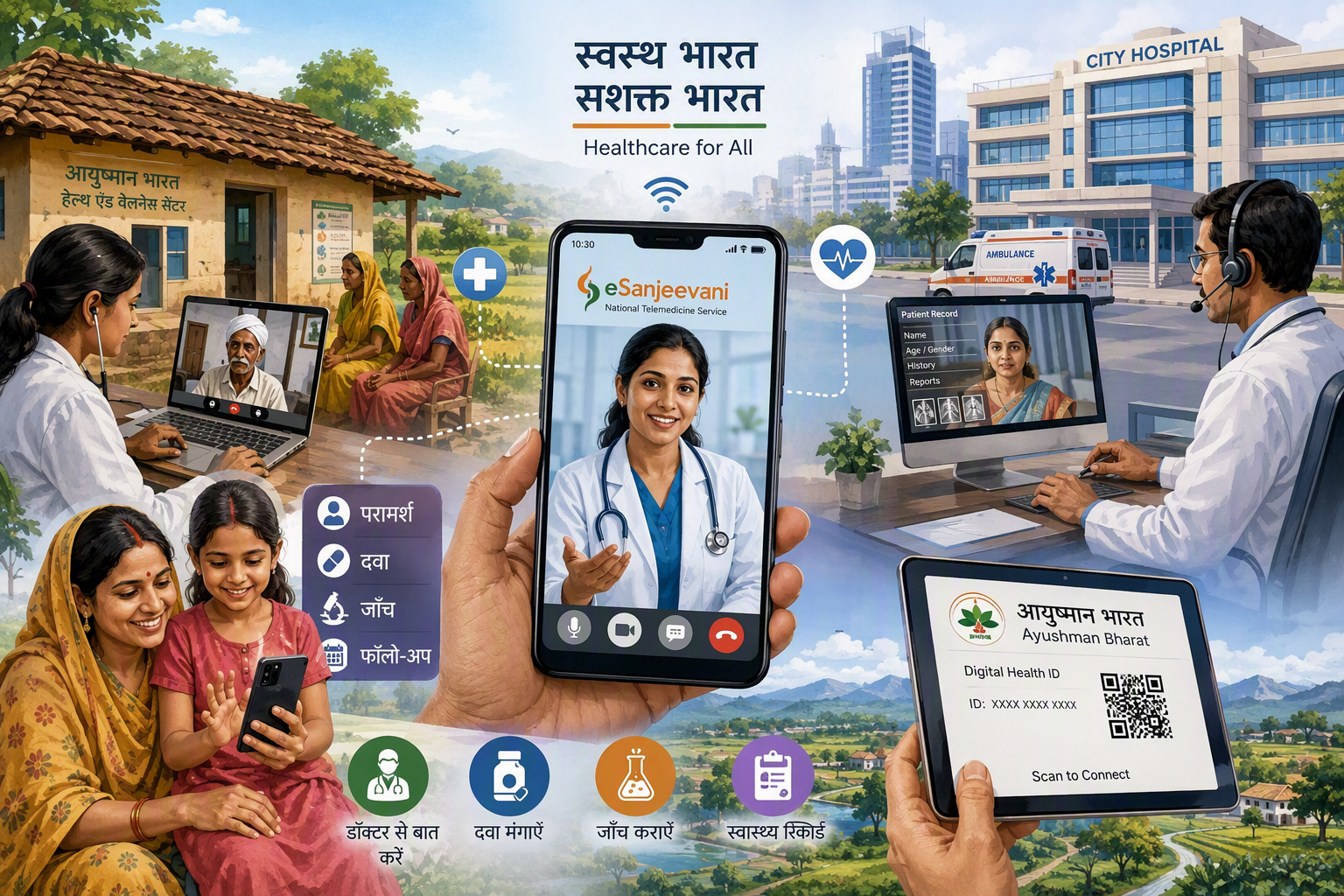
- Government platforms like eSanjeevani have brought telemedicine services to more places in India.
- There are still problems though, like low digital literacy, poor internet access, worries around data privacy, and not being able to do a full physical examination.
Introduction
Telemedicine is making it easier for people in India to get healthcare services. You do not have to travel a long way for medical care anymore. You can reach doctors by phone, text, or video. This change is big in a country where many people live far from hospitals and specialists. It helps with follow-up visits, support for chronic diseases, and simple medical advice. As more people go online, telemedicine is now a regular part of medical care, and not just something used once in a while.
Understanding Telemedicine in India
Telemedicine is a way for people to get medical care without having to be at the doctor’s office. It uses digital communication technologies like phone calls, video, messaging, and other connected systems. This lets doctors and patients talk to each other even when they are not in the same place.
In India, telemedicine practice has helped more people get care. People do not have to travel as much, and it is now easier to get follow-up support. This way of working has also helped the medical industry. There are now better digital systems, better records, and safer ways to look after people online.
Definition and Key Components of Telemedicine
Telemedicine is when people get medical care by using digital communication technologies while the doctor and patient are not in the same place. This means you can talk to your doctor through video consultations, audio calls, text messages, emails, or apps. The main goal of this is for you to get medical advice quickly without always needing to go to the clinic.
Telemedicine works well when several parts come together. A doctor needs to know who the patient is. The patient must know who the doctor is. There has to be a good way to talk. A doctor should check the patient in the right way. It is also important to keep notes safe.
Doctors must find out if the problem can be seen on a screen. If not, the patient may need to go to the doctor in person.
In India, the laws for telemedicine practice guidelines got clearer after the Ministry of Health agreed to them in 2020. The rules are important for [telemedicine practice] and [telemedicine services]. This is because [telemedicine practice guidelines] make sure all health insurance or policy plans can keep track of telemedicine in a safe way. So, these services are now easier to see in proper health care systems.
Growth of Telemedicine in the Indian Healthcare System
Telemedicine practice in India did not grow fast at the start. It picked up speed later when people needed more ways to get care. There are a lot of doctors in cities but not many in remote areas and villages. So, there is not enough care in those places. Telemedicine was a good way to fix part of this problem. It helped bring care to people who need it most.
Government bodies and healthcare providers had a big role in this growth. ISRO was one of the first to set up telemedicine links. Later, other projects helped connect rural hospitals with bigger centers. The role of telemedicine got more clear as new networks helped with cancer care, rural health, and gave support to medical colleges.
A big change happened in 2020, when the Medical Council of India set up clear rules for telemedicine practice. This gave the doctors more clear legal and ethical guidelines to work with. Since that time, remote consultations have become a more normal part of the healthcare system in India.
Major Benefits of Telemedicine for Indian Patients
The benefits of telemedicine for Indian patients are clear and useful. You can have medical advice sooner. You do not have to travel far or spend time in long waits. With telemedicine, you can keep in touch with healthcare services even if there are not many options near you. This helps a lot for routine questions, follow-up visits, and when you need care for health problems that are not emergencies.
For many families, telemedicine is good because there are lower costs to deal with. You can also keep up with work or other things you have to do in your day. It helps people who need to talk to their doctor often. In the next parts, we will look at these benefits more closely.
Improving Healthcare Access in Rural and Remote Areas
For people living in rural areas and remote areas, it may take a long time to reach a qualified doctor. Telemedicine helps by linking local centers, health workers, and patients with medical professionals in towns or big hospitals. This makes the gap between need and treatment smaller.
This change matters a lot in India. Many doctors are in cities, but most people live outside these cities. With telemedicine, you can get advice from a specialist even in places that could not before. Many families get help sooner, and there are fewer things to wait for.
- Patients get to talk to medical professionals without having to travel far.
- People living in rural areas can reach specialist doctors by using connected health centers.
- It is easier for people to get follow-up care for their health conditions.
- Local health workers help with telemedicine consultations and referrals.
Enhancing Convenience and Reducing Travel Time
One big benefit of telemedicine is convenience. You do not need to spend the whole day on hospital visits. Now, you can talk with your doctor from home or from a close health center. Video consultations are good for follow-ups, talking about your symptoms, or getting advice you have gotten before.
This helps working adults, older patients, and people who have trouble moving around. It also makes things easier for family members, who may not need to travel to give help. When medical care is easy to get, people are more likely to get help at the right time.
- You spend less time going to the clinic or hospital.
- There are fewer work hours missed by patients and their family members.
- It is easier to get video consultations for regular issues.
Lowering Healthcare Costs for Patients and Families
Healthcare costs are not just about what you pay for the doctor. You have to add up things like travel, food, lost work, and going back and forth for more visits. All of this can make the total cost of medical care go up for you and your family. Telemedicine can cut out many hidden costs, which helps family welfare right away.
This is very important for people who have chronic conditions. They need regular check-ups. A short visit from home can help. It means you do not have to go to big-town hospitals just for a review or help with medicine. As time goes by, these cost savings can really help families who watch their budgets closely.
- You spend less money on travel and other costs.
- There is not as much lost income because of days you miss at work.
- You have fewer times you need to go back for in-person visits to get your routine medical care.
Advantages of Telemedicine for Healthcare Providers
Telemedicine helps healthcare providers to do their job in a better way. It lets medical practitioners share medical advice with more people. The process is clear and simple. It lets doctors talk to patients who do not need to come in. This makes clinics less crowded. It also saves time for everyone involved.
For doctors in India, telemedicine practice gives them better ways to record patient details. It also helps them reach more people and makes follow-up visits easier. These good things work well for both government and private clinics. The next two sections show how all that fits into everyday practice.
Efficient Management of Consultations and Patient Records
Telemedicine consultations help doctors plan care better. When people talk to doctors using set digital tools, it’s easier to write down symptoms, advice, medicines, and plans for follow-up. This way, patient records are more clear, and doctors can make choices that stay the same each time.
Good documentation is very important because doctors use medical history to decide on future care. A clear digital record can make things less confusing. This is helpful, especially when a person has a sickness for a long time and needs more than one visit. A good record also helps keep things on track if someone comes back for the same problem in a set time.
At the same time, data privacy is very important. Healthcare providers have to keep patient information safe and not share it during telemedicine consultations. They should use secure systems. They must get the right consent and handle all records with care if people are to trust and get good help from digital care.
Broadening the Reach of Medical Expertise Across India
A doctor in a city can now give medical advice to people in places far from the hospital. This is one of the main advantages of telemedicine for providers. With communication technologies, specialist doctors can use digital communication technologies to help patients, health workers, or other doctors who are in places that do not have enough help.
This wider reach matters a lot in India. The top know-how is often found in big cities. With telemedicine practice following the rules and advice from the Medical Council of India, doctors can now give help with more confidence. They work inside a clear set of rules.
- Specialist doctors can help people in areas where there are not enough local experts.
- Doctors can also give advice and share their opinions with other healthcare providers using remote tools.
In this way, telemedicine lets doctors share what they know with more people. Even if most doctors are in just a few places, telemedicine makes it easy for everyone to get help and learn from them. This makes the spread of health knowledge fairer for all.
Popular Telemedicine Platforms in India
India’s telemedicine platforms are now a big part of routine medical care. Some of these come from the government. Others are run by private healthcare providers and hospital networks. Together, they help make telemedicine services easy to get for people in both cities and far-off places.
Among them, eSanjeevani is special because it can reach many people and covers a large area. Some private hospital groups have helped telemedicine grow for some years too. First, let’s talk about eSanjeevani. After that, we will see some other important platforms and provider networks.
An Overview of eSanjeevani and Its Features
ESanjeevani is a big part of how the government is bringing telemedicine consultations to people all over India. This platform helps many people get the care they need, even if they live far away from hospitals or clinics. It shows that public systems can use digital ways to help bridge care gaps. You can see its power in how it works across the states and union territories. This makes it an important step forward.
The platform shows how the Ministry of Health has made telemedicine a normal part of delivering services. It lets people and doctors connect from different places. This helps cut down on the number of times you need to go see a doctor in person. In short, it brings medical care much closer to the places where people live.
| Feature | How it helps |
|---|---|
| Government-backed model | Expands trust and reach in public healthcare delivery |
| Telemedicine consultations | Connects patients with doctors without requiring travel |
| Video consultations | Supports direct interaction where visual review is useful |
| Wide geographic coverage | Reaches all states and union territories |
| Large-scale use | Demonstrates acceptance of telemedicine in everyday care |
Other Leading Telemedicine Platforms in India
Several healthcare providers and big hospital groups started using telemedicine a while ago. It was not new. They began building links for remote care in areas like heart care, cancer, eye care, and surgery. These efforts have helped people get medical help from far away. Alongside eSanjeevani, several private and institutional telemedicine platforms also support this kind of care in India.
Groups like Apollo, Narayana Hrudayalaya, Asia Heart Foundation, Escorts Heart Institute, Amrita Institute of Medical Sciences, and Aravind Eye Care helped the field grow. Their work made it clear that telemedicine platforms can be used for both special care and regular check-ups.
- Private healthcare providers helped show that telemedicine can work for many types of medical care.
- Institutional networks made it possible to give remote care in places where there were not many specialists.
Public and private systems have worked together to help more people accept telemedicine. This has given patients more options in the country.
Telemedicine’s Role in Indian Public Health Initiatives
Telemedicine is now helpful for more than just one person’s care. It also helps with planning for public health. Using telemedicine can make talks with doctors safer. More people can get care. Contact between a doctor and patient can be faster, which matters when we need to control disease. This became very clear when there were problems with the spread of some diseases.
It also helps the government health programs by giving support with screening, education, referrals, and connected services. In the next parts, you will see how telemedicine is used to help control diseases. You will see how it works with bigger public systems in India.
Remote Consultations for Infectious Disease Control
During times when there is risk from infectious diseases, telehealth services help stop people from meeting in person if they do not need to. This keeps patients and healthcare providers safe. It also helps people still get the medical care they need. Telehealth services can make sure there are not too many people in hospitals, which is very important when things are busy.
Telemedicine turned out to be very helpful when people needed to stay apart from each other. It let doctors still talk to their patients and handle follow-ups. They could also help people who had chronic diseases and might have been at risk for more problems. In some cases, remote patient monitoring and steady check-ins made sure care did not stop.
- Telemedicine helps people stay safe by lowering the need for many hospital visits. This means you do not have to go out and be at risk.
- It lets you keep getting the medical care you need, even when there are disease outbreaks happening.
If you use this approach in the right way, it helps control the disease. At the same time, it lets people stay in touch with doctors and get the advice and care they need.
Support for Government Health Programs and Screenings
Telemedicine helps the government with its health programs. It connects smaller clinics, some health workers, and big hospitals. This way, people can get help from experts more easily, get referred to the right place, and have better follow-ups in areas where there are not many doctors. It also helps to make these services work in the same way across different places.
Public health work is about more than just treatment. It also means giving health education, doing screening, and helping families with the right advice. Telemedicine can help health workers talk with people, link them to doctors, and show them what steps to take. This way, people can get early help when someone finds a medical problem.
As India improves its digital health infrastructure, systems like the Ayushman Bharat Digital Mission help bring care together. With better digital records and linked services, government health programs can track consultations better. They can also coordinate referrals in a better way and keep care connected at all levels. This makes it easier for people to get the help they need, no matter where they are in the system.
Limitations and Challenges of Telemedicine in India
Telemedicine gives people real help, but it cannot do everything. In India, there are some main problems. A lot of people do not have good digital literacy. Many places still have weak internet connectivity. There are also big worries about data privacy. People and healthcare providers both feel these things can make it hard to use telemedicine in a safe way.
The telemedicine practice guidelines gave a strong base for telemedicine practice. Still, using them well depends on having the right training, safe systems, and smart choices in care. The next parts talk about the main problems that are still changing how telemedicine practice happens across the country.
Issues Related to Digital Literacy and Internet Connectivity
Telemedicine services need more than just a phone or an app. People have to have enough digital literacy to set up appointments, send information, and understand what they should do. The doctors and support staff also need training to be able to use these systems the right way. If they do not, even the most simple telemedicine services can feel frustrating for everyone.
Internet connectivity is still a big problem. A steady and safe connection is needed for clear talks, especially in video care. But in many remote areas, weak networks make it hard to talk with others. This can make some care visits feel shaky or not work well.
- When people in remote areas do not know much about using computers and phones, they may not get the help they need for their health.
- Bad internet connectivity in remote areas can stop people from talking with health workers and can make care take longer.
These are some of the main problems when you try to put new things in place. They show that technology by itself cannot fix access issues. It needs help from local people too.
Data Privacy, Security, and Regulatory Concerns
Trust is key in telemedicine practice. The people who use telemedicine give out their personal details, medical history, and prescriptions in digital ways. Because of this, data privacy has to be taken seriously. If people feel unsafe, acceptance of telemedicine practice will go down.
Security matters cover keeping information safe, making sure details stay private, and making staff use the right steps with data. These needs are not nice to have. They are must-haves for good medical care. They also help telemedicine services stay trusted over years.
Regulatory concerns are important. In the past, before formal guidance, both doctors and patients did not always know the rules. The telemedicine practice guidelines helped with some of these issues. But providers still need to make sure they have clear standards. This includes what they do for consent, how they keep records, the right way to give prescriptions, and when they should tell patients to see a doctor in person. The telemedicine practice guide helps keep the practice safer for all.
Limitations in Physical Examination and Diagnosis
Telemedicine does not work for every health issue. There are some problems that need a physical examination. A doctor may have to check the body in person, feel the area, or help right away. A doctor cannot feel the abdomen, listen to the chest by ear, or check some signs of it is urgent through a screen alone.
That is why it is important to be careful when using telemedicine. It can be helpful for follow-up visits, chronic conditions that are stable, counseling, and problems you can see on video. But it should not be used when a diagnosis needs touch, tools from the doctor, or when there is an emergency.
If you have severe abdominal pain, struggle to breathe, or feel other symptoms that worry you, telemedicine is not always the best way to get care. In these cases, doctors will usually suggest you see someone in person as soon as you can so you get the appropriate level of care.
Impact of Telemedicine on Healthcare Delivery and Treatment Outcomes
Telemedicine is making it easier for people to get medical advice when they need it. With this, people do not have to wait long to talk to a doctor. They also are less likely to miss any of their needed follow-up visits. This helps them stay on track with care and get steady support. Doctors and other providers also get help with better teamwork and keeping good records.
The role of telehealth is clear when it comes to talking with doctors and handling diseases for a long time. These things matter a lot for how well treatment works. The next sections will show how better talks and check-ups can help care in good ways.
Changes in Patient-Doctor Communication
Telemedicine is changing how patients and doctors talk to each other. It lets people reach out more directly and sometimes more often. Now, you can have video consultations, talk by voice call, or text for follow-up. This means you do not always have to wait or go to a hospital to get medical advice. Care can feel more ongoing and helpful this way.
Digital communication technologies help doctors show people what to do next. They also help tell patients how to use medicine and what signs to watch for. When communication technologies make talking easier, people can ask about small problems right away. This can boost confidence. It can also help people not wait too long before getting help.
- Patients do not need to set up another visit at the clinic. They can ask any follow-up questions from home.
- Doctors can give better and steady medical advice for health problems that do not change much.
Good communication does not take the place of a checkup, but it does help people understand things better, remember what to do, and move more easily through their care.
Influence on Treatment Adherence and Chronic Disease Management
For people who have chronic diseases, going to follow-up appointments often keeps their health stable and helps them avoid problems. Telemedicine helps people keep up with their treatment because it makes it easier to go to these check-ins. When the access gets better, people do not miss advice from doctors or wait too long to have their medicine checked.
This is very helpful in chronic disease management. It can be used for health problems like diabetes, blood pressure, and asthma. Doctors can look at your symptoms, talk about the medicine you use, and check things like your blood pressure from home during online visits. This makes it easier to keep your treatment on the right path.
Remote healthcare has changed the medical field in India. Now, it is possible to give ongoing care to more people than before. This way does not take the place of full medical care. But, it helps many patients get support and regular health checks over a long time.
Future Trends and Opportunities for Telemedicine in India
Telemedicine in India can grow as digital health infrastructure gets better and more common. With better records and connected systems, it will be easier for patients, doctors, and public programs to use remote care. This will help make service smoother, more reliable, and smarter for everyone.
In the future, we may see the use of more artificial intelligence tools and better help from health insurance. This could make telemedicine a bigger part of everyday care. The next parts will talk about both new ways of using technology and chances for policy changes.
Integration with Artificial Intelligence and Digital Health Tools
Telemedicine has changed the medical industry by making some parts of care digital. The next thing to happen will be more digital health tools. These tools help with talks between doctors and patients, keeping records, and follow-ups. As the systems get better, health care will be more connected and easier to handle.
Artificial intelligence can help make this change easier. It does this by sorting information, making workflows better, and helping with digital steps used in telemedicine. The main medical choices will still belong to trained professionals. But, with better tools, the work can have less friction and be more efficient.
- Digital health tools can help people get to their records. These tools also make it easy to send referrals. The tools help keep care going from one place to another.
- Artificial intelligence can make telemedicine work better in a health system. It lets things go more smoothly for patients and staff.
As India works on its digital health infrastructure, these tools can help make remote care more steady. This is important for people in many places and for big groups of people.
Potential for Expanding Insurance Coverage and Policy Support
Health insurance for telemedicine works well when the services are given by known and trusted sources. In India, the telemedicine practice guidelines help give a clear rulebook for doctors on what they can do with telemedicine practice. This guide is key for health insurance to accept these services in the future. It can also help more people use telemedicine practice.
Policy support can help with one big problem in telemedicine. This problem is getting paid, which is called reimbursement. A doctor or nurse needs simple steps for billing the care they give on a call or video visit. A patient needs to feel sure the telemedicine help they get will count as real medical care, if their plan covers it.
As there is more help from policy makers, telemedicine services may soon be a normal part of care that health insurance covers. Better rules, good records, and set ways of working can help the health insurance industry fit telemedicine services into the main healthcare system.
Conclusion
Telemedicine is changing medical care in India. It gives people, in both cities and remote areas, better access to doctors. Now, you can get help faster and it often costs less. It is more handy for the patients and the doctors.
We saw that telemedicine can help people who live far from hospitals. It also makes easier, the way providers and patients talk about health problems. But, there are still things to fix like digital literacy and data privacy. These need to be looked after, so everyone can use telemedicine well.
Even with some issues, the future looks good for telemedicine. There are new things coming, like AI and better insurance plans. The way we get medical care may get even better soon. It is a great time for both patients and people who work in healthcare, as telemedicine is growing fast.
If you want to find out what telemedicine can do for you, feel free to ask about a free consultation.
Frequently Asked Questions
How does telemedicine work with health insurance in India?
Health insurance in India supports telemedicine services when there is a proper medical care process in place. You need to have good documentation, and the right policy support helps a lot. When telemedicine platforms work inside set rules, it is easier for people to get coverage. Things like clear records, doctors who are registered, and strong rules for getting paid back by insurance matter the most for making insurance cover telemedicine for more people.
What are the common challenges faced by patients and doctors with telemedicine?
Common challenges in telemedicine are low digital literacy, unstable internet connectivity, and worries about data privacy. Some patients find it hard to use technology. Healthcare providers have to protect people’s records and explain things in a clear way. A big limit is that some cases need a physical examination. Telemedicine cannot give this, so it is not always enough.
Is telemedicine suitable for all types of medical consultations?
No, telemedicine does not work for every consultation. Video consultations are good for follow-up visits, stable health issues, and normal medical advice. But if you need a physical examination or your symptoms are serious, medical professionals will tell you to get the appropriate level of care in person.

