Key Highlights
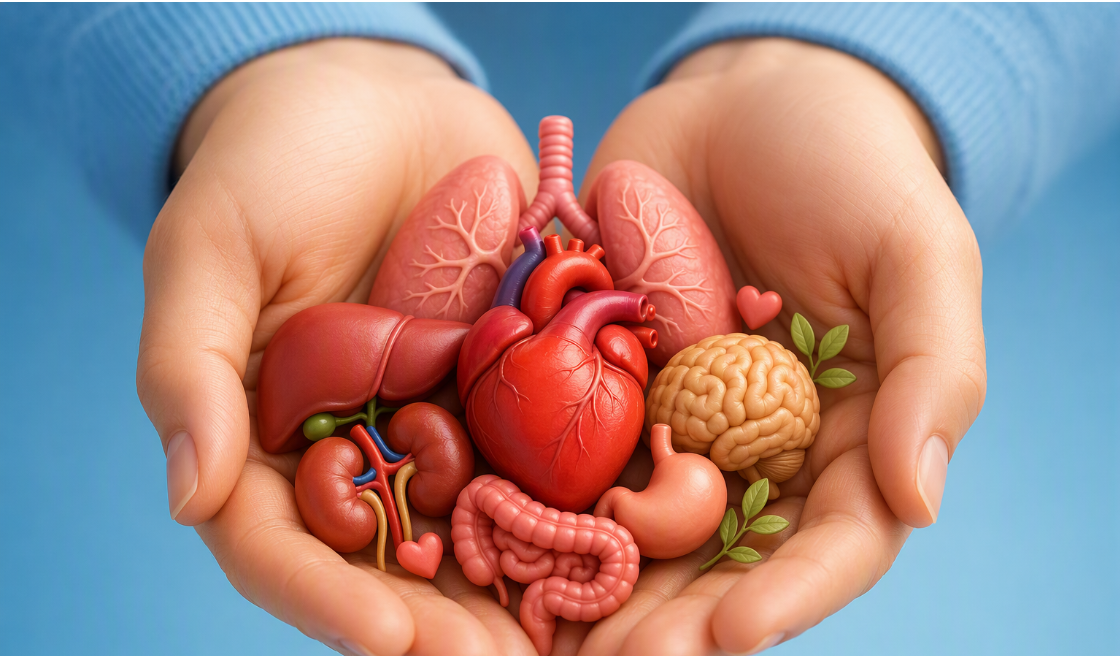
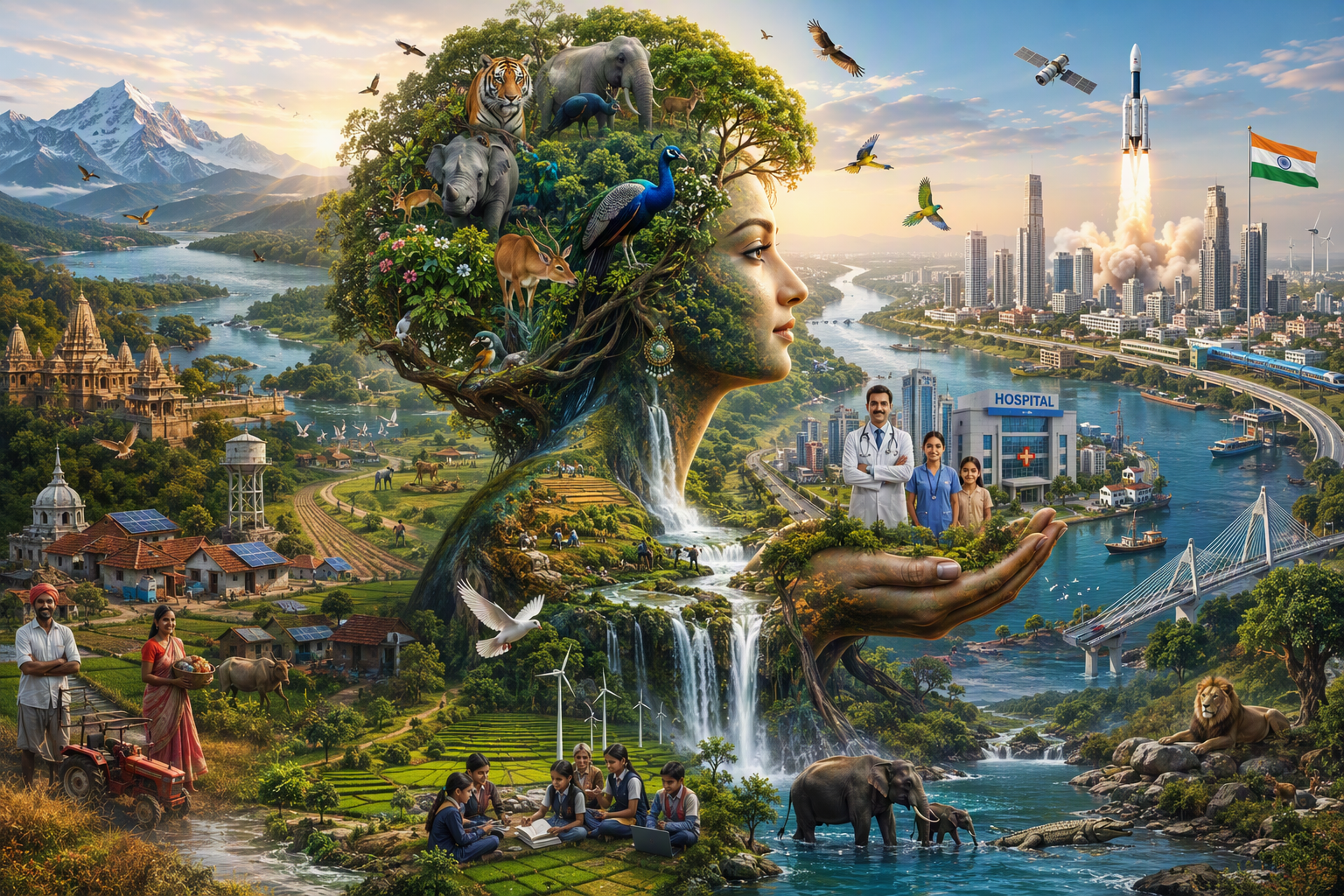
- The one health approach links health of people, animals, and the environment. This leads to stronger public health steps in India.
- It is important because zoonotic diseases, like Nipah virus, avian influenza, and rabies, still are big health threats.
- India’s National One Health Mission brings many groups together. This includes ministries, people who study health, and teams at the local level.
- The model helps with finding illnesses early, tracking them, and quick action during outbreaks. This gives better global health security.
- It also helps handle problems like antimicrobial resistance, food safety, and diseases that come from climate change.
- A team effort helps India stop only reacting to health crises and start working on prevention.
Table of Contents
Introduction
The one health approach is a simple and helpful way. It joins human health, animal health, and environmental health. This means we do not see them as different problems. Why does this matter for India? The country deals with more zoonotic diseases. The climate is bringing new risks. There is a lot of stress on health systems. India has high biodiversity and many animals in the country. So, there is a need for a strong model. The one health approach protects people, animals, and the environment together. This is why one health is not just important for India now. One health is also a key part of global health talks.
Overview of the One Health Approach in India
In India, the one health approach looks at the health of people, animals, and the shared environment as parts of one system. This matters because disease control gets better when we notice these links sooner.
At the same time, this way helps us stop health problems before they get bad. India is now using the one health idea more. This shows it is now a big part of global health work that handles zoonotic disease risks, antimicrobial resistance, and pandemic preparedness. The next few parts will talk about its most important rules, its history, and why it matters now.
Definition and Principles of One Health
The one health approach brings together people, animals, and the environment to help them all feel better. This is not about each group working alone. Instead, the health approach wants different sectors to share what they know and work as a team. A one health approach is a unifying approach that asks everyone to tackle risks and problems together.
This idea matters a lot because many health challenges can move across different places. Human health can be changed by things like domestic animals and wild animals. Food systems, how we use land, and changes in the environment also play a part in this. If we do not think about these links, disease control gets worse. It can also lead to slower action against health problems.
For India, one health helps reach the best health for everyone by bringing together people from different communities, health workers, and the government. It also makes global health security stronger. This is because a small problem in one area can turn into a bigger health threat for many. In simple words, one health is all about working together before a health issue becomes a big crisis for the public.
Historical Context and Global Adoption
The idea of one health became known around the world in the last twenty years. In 2004, people asked that we all work together to connect the health of humans, animals, and the environment. After that, more groups started to support it at global levels with help from technical agencies and international teamwork.
Today, the World Health Organization and its partners back this framework. They see it as a useful way to deal with zoonoses, antimicrobial resistance, and being ready for a pandemic. The One Health Joint Plan of Action helped countries know what to do next. It showed that all countries should take part and share the work.
| Global milestone | Why it matters |
|---|---|
| 2004 “One World One Health” call | Highlighted the connected risks across humans, domestic animals, wildlife, and ecosystems |
| World Health Organization support | Helped place one health within public health and health security planning |
| One Health Joint Plan of Action (2022-2026) | Offered a common guide for countries to act across sectors |
| Wider partner involvement, including the World Bank and World Organisation for Animal Health | Strengthened financing, technical guidance, and international alignment |
Relevance to India’s Health Landscape
India has a wide and rich mix of plants and animals, even though the country does not take up much of the world’s land. This means people, their livestock, and wild animals live close to each other. Because of this, there is more chance for zoonotic diseases and other health issues to show up. That is why one health is very important in India.
You can see how there is pressure in planning disease control. Diseases like Nipah virus, avian influenza, and rabies show that animal-borne risks can break the health of humans. Climate change makes this harder because it moves disease carriers into different places. This brings diseases to new areas.
- When there is high biodiversity, animals and plants have more contact with each other.
- If there are many animals in one place, it can help diseases move from one to another.
- Climate change and changes to the land can put people and animals at new risks.
For India, one health is a must. It matches what the country needs.
Drivers Behind the One Health Approach in India
Many things are leading India to build a better one health model. There are big worries about zoonotic disease risks, disease outbreaks that happen often, and people using antibiotics in the wrong way. These issues are not just in hospitals or on farms. They can be found in many places.
They also have an impact on food security, jobs, and the wider environment. As land use shifts and people spend more time with animals, health activities have to be more connected. India’s actions are shaped by these drivers. You can see this when you look at the patterns of disease, connections in the ecosystem, and changes in farming.
Rise of Zoonotic Diseases and Key Outbreaks
Zoonotic diseases are a big reason why India needs one health. A lot of new infectious diseases come from animals. This makes it hard to stop them if each sector works alone. These risks are not far away. They are health threats that bring social and economic problems.
India has faced disease outbreaks that show how fast animal-linked infections can move among people. A one health approach brings together several things. It uses better tracking, animal checks, signals from the environment, and action in public health. These steps can stop problems before they get too big.
- The Nipah virus has shown how spillover can be a real threat.
- Avian influenza shows that bird diseases can hurt people and poultry.
- Rabies is still a big worry for many people.
- Diseases from wildlife can spread quietly before anyone knows.
This is how the one health approach helps to control zoonotic diseases in India. It brings together early detection and coordinated disease control. The one health approach makes it easier for people to find problems early and also work on them as a team. This helps keep both people and animals safe.
Human-Animal-Environment Interface
Many infections show up where human health, wild animals, and domestic animals meet. In India, people are often near livestock, forests, and shifting lands. This helps diseases jump between species with little warning.
The shared environment is very important in this. Water, soil, food chains, and where animals or plants live can all have risk when these systems feel stress. If people ignore one part of the system, another part will feel the harm later.
That is why one health supports team planning instead of working alone. The health joint plan of action idea brings together veterinary teams, human health groups, and environmental agencies. This way of working helps spot problems early and limit the damage. A quick response stops a small event from turning into a big outbreak.
Urbanization and Changing Agricultural Practices
Urban growth and farming changes are shaping the way risk looks in India. When the way we use land changes, people and animals end up living nearer to each other. This makes it easy to disturb nature and can open new ways for infections to spread. This is seen a lot around new towns and farm areas where the land use is different than before.
Intensive farming practices can put more pressure on food safety and public health. In these systems, there are a lot of animals kept together. If watching out for sickness is not strong, disease can spread fast. This is a big problem for farmers, people who buy food, and public health groups.
- Changing land use can give more chances for diseases to move between animals.
- Intensive farming practices can make animal diseases spread faster.
- Sustainable development needs to use safer ways to connect farming and the land around it.
These trends tell us that India is growing quickly. But there is also a big challenge. It is important that different sectors of India work together and keep up with this fast growth.

Structure of the National One Health Mission
India’s one health mission is set up as a system that includes many ministries, not just one office. It was given the green light by the Prime Minister’s Science, Technology, and Innovation Advisory Council. This shows that, at the national level, there is a move towards bringing bio-security planning together under one health mission.
As of the year 2026, the National Institute for One Health in Nagpur leads the mission. The Indian Council of Medical Research works to put this into action. The plan brings together policy, science, and real work on the ground. It helps connect national level goals to what people do at the district level. The details of this plan of action matter, so let’s look at them.
Organizational Framework and Key Stakeholders
The National One Health Mission has a two-part setup. The Executive Committee takes care of policy decisions. The Scientific Steering Committee helps plan science work. This way, the One Health Mission can keep both leadership and science moving together. It makes sure direction and solving problems in science stay connected.
The Indian Council of Medical Research has a key role in how things are done. At the same time, the mission joins together over 13 departments. These include health, veterinary, environment, pharmaceuticals, biotechnology, and agriculture research groups. Defense research teams and state groups are also part of it.
| Stakeholder group | Role in the mission |
|---|---|
| Indian Council of Medical Research | Leads implementation and scientific coordination |
| Health and veterinary departments | Support disease surveillance, response, and prevention |
| Agriculture organization and research bodies | Link farming systems, livestock health, and food concerns |
| Environment agencies | Track ecosystem risks and wildlife spillover threats |
| International partners such as the World Bank and World Organisation bodies | Offer guidance, support, and broader technical alignment |
This framework helps the mission go far and deep.
Role of Central and State Governments
The central government guides the main direction for the mission. It can bring the ministries together. The government can agree to national plans and set the same rules for watching health problems, studying them, and acting on them. This matters because health threats are connected. They need common rules and ongoing watch.
State governments matter just as much because they carry out plans where people live. They run local health systems. They look after veterinary networks. They lead field teams. They bring together districts, making sure everyone works together. If the state is not involved, one health is only an idea. It never becomes real practice on the ground.
The central government and state governments work together. They help move plans into real steps. Both take action to make health security better. This lets disease control happen in the same way across different areas. They also help health workers report faster. This means people can be ready in their towns. One health tools are used in ways that really help those who face risk.
Partnerships with Research Institutions and NGOs
No national mission works well alone. Outside help is important. In India, there are research places and NGOs that help the one health plan happen in real ways. They bring their know-how, their trust with local people, and support in daily work and during health emergencies.
Research institutions help to make evidence better. They help improve tools for finding illness. They also work on the way people follow sickness and on training. NGOs work with the people in the area. They really help boost community engagement, which is needed where not many know about the issues. They also make sure public messages are easy for all to grasp. This is important because one health is at its best when people know why different areas must act together.
- Research institutions help with studies, training, and fixing problems.
- NGOs work to make community engagement and local outreach better.
- Both groups work to make capacity building stronger in different areas.
These partnerships help the mission be more flexible and work better, especially in rural and district places where it can be hard for people to work together.
Intersectoral Coordination for Effective Implementation
Intersectoral collaboration is a main part of one health in India. When health systems are not connected, disease control gets slow. It also costs more money and may not work well. When there are shared threats, people need to make shared decisions.
That is why it is important for all parts work together for health security. Human health teams, animal health workers, farm groups, environment groups, scientists, and local people each have their own piece to give. When they share information, they can spot problems sooner and handle them in a better way. The next parts show how this teamwork happens in ministries, communities, and in examples from different states.
Collaboration Between Health, Agriculture, and Environment Ministries
India’s one health plan really needs good teamwork between the health, agriculture, and environment ministries. Each of these may see a different part of the same problem. Maybe one will spot sickness in people. Another will see a disease in animals. A third one may see changes in the land and forests. This way, all of them have to work together for one health.
When these ministries do not share information, people can miss warning signs. Good coordination helps disease control. It connects signals from farms, clinics, wildlife areas, and labs much faster.
- Health ministries keep an eye on cases in people and how to handle them in public health.
- Agriculture ministries check risks that come from livestock and farming.
- Environment ministries look at what happens with nature, animals, and land use.
This type of teamwork does more than just make reporting faster. It helps to get a better idea of outbreaks. It also helps us stop problems before they get bigger, instead of only acting after things go wrong.
Private Sector and Community Participation
Government action is not enough on its own. The private sector also has a big role in one health. It gives support in things like diagnostics, health services, supply chains, and technology help. These things can help response time get better and also help more people take part in one health activities.
Community engagement matters a lot. People who live in the area are often the first to see strange sickness in animals. They also notice when animals die suddenly or when things change in their surroundings. If communities trust the system and know what they should tell others, it is easier to act early.
India’s health approach becomes stronger when both groups take part. The private sector helps bring in new ideas and reaches more people. Communities share their local knowledge, which the main system can sometimes miss. When they both work together, the one health approach can deal with health challenges in a better way. This also means that steps to stop health issues are based on what people face day to day.
Case Studies of Successful Coordination in Indian States
Field evidence shows that working together helps make things better. Indian case studies in the material tell about one health activities done locally. These activities made teamwork between sectors stronger. This was most clear when people at the district level cooperated and worked in ways that could be used in real life.
One story says there were fewer animal bites or exposure cases after a one health project took place in rural communities. This is important. It shows that public health can get better when people plan together. It helps to give clear local messages and work as a team, instead of everyone acting alone.
- Working together at the district level can help with early detection.
- Local projects can cut down on exposure and help people report problems faster.
- Practical team work is good when there are disease outbreaks because it helps people act quickly.
These case studies may be few, but they show something important. One health is real when departments, communities, and field workers work together to fix shared problems.
Surveillance and Outbreak Response Using the One Health Model
A strong health approach is about more than rules. It needs programs that watch for signs of change in people, animals, and the environment. This is when one health is very helpful in India.
Early warning plays a big role in handling disease outbreaks. Many times, these outbreaks start out in small ways between people, animals, and the environment. If every group keeps their data separate, it leads to slow action. One health helps by joining all these early signals together. This makes it possible to respond faster. The next sections talk about how integrated surveillance, alerts for new threats, and working together help with India’s outbreak response.
Integrated Disease Surveillance Programs
Integrated surveillance is key to one health. It uses facts from human health services, animal health systems, and checks on the environment. This helps start disease control by getting a better idea of what is going on. In India, this is very helpful because risks can come from many sides at the same time.
The material shows how important it is to have systems that work together and run in real time. This is because surveillance should not be kept separate. It needs to help people report things fast, understand strange patterns better, and plan health security from the district level up to the whole country.
- Shared surveillance makes early warning better.
- Linked reporting helps to find odd things happening in different areas.
- When the district and national teams work together, they can make disease control faster.
When surveillance happens like this, people do not have to rely on bits of information during an outbreak. The response comes faster and is more focused. It fits better with the one health approach.
Early Warning Systems for Emerging Threats
New health threats can show up with small signs before they turn into big problems. Early warning systems pick up on these signs through reports, what people see in the field, and by looking at information together. In a one health approach, these systems do not just stay in hospitals. They also get signals from different places.
This is important because many infectious diseases can show up in wild animals, farm animals, or places where the environment changes. If strange sickness in animals, changes in bugs that spread disease, or problems in nature are not looked at, people may miss the early warnings. India’s one health focus works to keep an eye on more things. This helps make sure small signs of disease are not missed.
The National One Health Mission talks about using AI tools to find health risks early. This shows that the country is moving toward at better and faster ways to spot risks. It will help India send early warning messages between groups and take steps to stop the problem before it gets big. A good early warning can’t take away all doubt, but it will give India a better chance to act quick before more harm is done.
These steps will help make the one health mission strong and keep people safe.
Examples of Coordinated Outbreak Management in India
India has faced many zoonotic threats. Some of these include Nipah virus and avian influenza. These outbreaks do not just need medical care. A coordinated response is important. Teams from animal health, labs, environmental groups, and local officials must work together. This makes their response much stronger and helps to control the problem.
When health systems work together, public health choices are made more quickly and with better facts. Animal checks help people respond when someone gets sick. District teams can react faster if everyone shares news across departments. This is how one health works and helps in the real world.
- A fast answer brings together both people and animal tracking.
- A group in the district can move quickly when the information moves well between them.
- A better way to control disease needs everyone to know what is going on.
These examples show a clear idea. One health makes outbreak control better because the risks are linked and it looks at them as linked problems.
Addressing Antimicrobial Resistance through One Health
Antimicrobial resistance is one of the biggest health threats for India. It gets stronger when people and animals use antibiotics too much. But, the problem does not stop with just them. Resistant microbes can spread through food, water, and also the environment.
That is why using a one health approach is important. A one health approach brings together public health, veterinary use, food safety, and the environment. It is better than treating each one as its own thing. When you look at how people use livestock, what the policy is, and how tracking is done, you can understand this one health approach better.
Use of Antibiotics in Livestock and Public Health Implications
The way people use antibiotics for livestock is a big issue in India’s one health talk. If these medicines are given too often or not with care, bad germs can build up strength and spread. This does not hurt only animal health. It soon turns into a public health problem too.
Food safety is one way that these problems can spread. Resistant organisms can travel through food chains and the environment. This can make many infections harder for people to treat. The information also says the environment can be a place that gets, mixes, and holds on to these forms of resistance.
One health is important for antimicrobial resistance. It shows that livestock, how people get treatment, and pollution in the environment are all connected. If India tries to fix just one area, the problem will still spread to other places and to the people who live there.
Policies and Guidelines on Antimicrobial Use
Policies and guidelines are very important if India wants to slow down antimicrobial resistance. The main challenge is not just with the technical side. It is also about making expert advice easy enough for people to use in health systems, on farms, and in local offices.
The World Health Organization has shared a worldwide plan to fight antimicrobial resistance. Many countries have made their own plans, too. But the progress has not been the same everywhere. The collected information shows that most plans did not lead to strong action with real budgets. This has made disease control weaker.
- The policy has to include use by people, animals, and the environment at the same time.
- The guidelines need to be made so they are good for both district and rural areas.
- The health mission method should connect planning and doing carefully.
For India, a better antimicrobial policy means setting clear rules. It also means making things easier for people to follow. There should be strong teamwork across all areas. This is better than having several broken up control efforts.
Surveillance Efforts and Success Stories
Surveillance is a strong tool to fight antimicrobial resistance. If there is no good data, India will not know where resistance is getting worse or how it spreads. There will also be no way to see which areas need action right away. A one health model helps with this. It brings together monitoring for humans, animals, and the environment.
The information points out that there is a need for joint surveillance in the district and in the whole country. This is needed because resistant microbes can move around and do not stay inside borders. Better surveillance can also help cut down economic losses when treatment does not work, when there is a drop in how much work people can do, and when there are bigger problems from outbreaks.
- When people watch things together, it makes it easier to make choices in health systems.
- Data from each district can help do better actions that fit each place.
- When monitoring is shared, we can see how something spreads in a clearer way.
The main lesson here is clear. India can fight antimicrobial resistance better if it uses connected surveillance. It will not work well if there is just isolated reporting. This is the real benefit of one health for this area.
Public Health and Environmental Benefits of One Health
One health offers many good things for public health. It helps stop risks before they spread to many people. One health also makes environmental health better. It does this by showing that when nature is damaged, people can be open to more disease and have less strength to fight back.
This combined view is important in India. Here, the health of the ecosystem, climate resilience, and farming that lasts are all linked to how people live and stay safe. When you protect people, animals, and the places they live together, prevention gets stronger and lasts longer. The next parts show how these benefits show up in disease control, food systems, and how planning works with climate.
Reduced Disease Spread at the Source
One big benefit of one health is that it helps stop disease from spreading right where it starts. You do not have to wait until the disease is now in many people. The one health way wants you to act fast if there is a risk showing up in animals, places, or how people are exposed.
Early detection is the key. When field teams, labs, and community systems talk to each other early, it helps spot problems sooner. Outbreak management then gets faster and more to the point. This protects public health and lowers the pressure on services that are already busy.
- Early detection helps stop the disease from spreading.
- Taking action at the source makes it easier to manage an outbreak.
- Sharing reports across different sectors cuts down on delays.
This benefit matters a lot in India. Many problems start where people, animals, and wild animals meet or live close with each other. The places also change with time. Stopping the issue at its beginning is not costly. It is not risky and it works much better than trying to fix things after something bad happens.
Enhanced Food Safety and Sustainable Agriculture
One health helps make food safer by connecting what happens on the farm, animal health, the environment, and how people feel. Food systems do better when they stop disease risks early. This should happen before the problems spread through animals, water, or the supply lines.
This is important for farming in India that helps the earth. Farmers need animals to be healthy, good ways to grow food, and places that stay safe. If these parts are handled one at a time, problems can show up. When they are managed all together, disease control gets easier and stops more problems before they start.
Stronger health systems are helped by this too. When there are fewer outbreaks tied to farms, and less contact with microbes that resist medicine, it can take pressure off health services. One health gives people safer food and keeps farming more stable. So, this matters for health policy and also helps rural areas stay strong for the long run.
Improved Ecosystem Health and Climate Resilience
Healthy ecosystems lower the risk of disease. One health shows this link. When forests disappear, land changes, or the environment gets worse, animals, bugs, and people end up closer to each other. This can cause new diseases to spread and make the body’s natural protections weaker.
Climate change makes these pressures feel stronger. It can change where disease-carrying bugs live and move sickness like dengue, malaria, and things you find in forests into different places. A one health approach helps us deal with changes from the weather by looking at these shifts as health problems, not just nature problems.
- Good ecosystem health helps to cut down spillover pressure.
- Climate change may shift where diseases spread and where people get exposed.
- When we build climate resilience, it also helps us reach more of our sustainable development goals.
For India, this way gives a better chance to move ahead. It can help protect nature. It can also guard health and help people get ready for the future, all at the same time.
Government Initiatives and Recent Developments
India has put in place several steps by the government to turn one health from an idea into real action. Lately, there has been more focus on pandemic preparedness and zoonotic threats. Different departments are now planning together to tackle these problems.
The National One Health Mission shows this change well. It brings better health systems, more ways to watch for health problems, and more work with people in the community. There are new projects. Policy support and teaching are also becoming key parts of the one health mission. The steps for the health mission are growing in these ways.
Launch of New Projects and Programs
India has made new progress in one health with the start of well-planned programs. The National One Health Mission is a big change. Now, there is more focus on working together, not just reacting when there is a problem. The National Institute for One Health in Nagpur leads the work, and the plan is carried out by top people in science in the country.
The mission also wants to use tools powered by AI to find sickness in animals early. It will help grow research and development for vaccines and tests. The mission also plans to help a National Wildlife Health Policy. These are important steps taken by the government. They are important because they help the country be more ready for the future.
- New projects focus on finding health problems early and watching them closely.
- The health mission brings together plans, what we know, and people working in the field.
- Planned checks on wildlife help us keep an eye on risks that can spill over to people.
These steps show that India is trying to build a better system to stop problems before they start. One health is at the center of making sure people get ready for the future.
Policy Changes and Funding Support
Policy changes are needed if the idea of one health is to go further than just words. The compiled material shows that the main problems are siloed governance, poor coordination, and not enough resources. Better policy needs to bring everything together and not just try to grow bigger.
Funding support is another big issue in public health. There is not enough money, so there are problems with buildings, staff, and animal care. If there is no better funding, even good plans might not get done right. This is why using proof for advocacy and putting more resources in the right places is so key.
India’s path shows what people can learn from the health joint plan of action that is talked about all over the world. Help from people like the World Bank can make local plans stronger. But the most important thing is if India is able to keep working together and keep putting money in, so there will be real results in the field.
Community Outreach and Educational Campaigns
One health will not work if it is only for experts. The idea needs to reach more people. It is important to have community outreach and educational campaigns. People need to know how animal sickness, changes in the environment, and human sickness fit together. This is very important in places like rural areas and districts.
The text points out that one health can feel too complex for people in towns and villages. This is a real roadblock. It is important to use simple words so policy makers, workers, and people can understand and act. A good level of community engagement can help bridge this gap.
- Educational campaigns need to use clear and simple words.
- Community outreach can help people report and stop problems sooner.
- A better understanding helps us deal with health challenges early.
These steps might look simple, but they are very important to how you use one health. When people know what one health means, they tend to back it and use it more.
Conclusion
To sum up, the one health approach is very important for handling the health challenges India faces. This way of working gets health, farming, and the environment sectors to join hands. It helps spot diseases early and pushes for quick action when there is an outbreak. The one health approach also lowers the chance from zoonotic diseases, which are illnesses coming from animals.
This method has benefits that go past public health. It also helps keep farming safe, takes care of the ecosystem, and makes the country stronger against changes in weather. As India starts using this approach at a bigger level, it will be key for all of us and leaders to keep taking part and support new efforts.
Let’s put our health first, so there will be a safer and better tomorrow. If you want to know more about the one health approach and what it means for you or your community, feel free to reach out!
How does the One Health approach help manage zoonotic diseases in India?
The one health approach brings together animal tracking, human health, and environmental checks. This makes it easier for India to handle zoonotic diseases. It helps groups work as a team. The one health approach lets us find problems sooner and act faster. This way, public health plans are better, disease control works well, and health security is stronger. It does not let groups work alone but gets them to help each other across all areas.
What are the biggest challenges in adopting One Health in India?
India deals with many health challenges when using the one health approach. The country has separated ways of working, not enough sharing of data, low money for this, not many animal doctors, and not a lot of people in rural areas know about the health approach. These problems make it hard to track disease outbreaks. This also shows why there needs to be stronger intersectoral collaboration so the one health approach can work well.
How can One Health contribute to rural and agricultural development?
The one health approach helps people in rural areas. It does this by making sure livestock are healthy, lowering the chance of disease, and making sure there is enough food. It also connects safe farming, keeping watch for problems, and taking care of the land. This gives farming communities a better base for lasting development and better health.