Key Highlights
- Chronic pain lasts for more than three months. It can lower your quality of life.
- The most common causes are arthritis, back pain, nerve damage, injuries, and other health conditions.
- This type of pain can get in the way of daily activities, work, moving around, sleep, and your social life.
- Common signs of chronic pain include aching, burning, stiffness, throbbing, feeling tired, and changes in mood.
- Pain management often uses medications, therapies, and lifestyle changes to help.
- Chronic pain can also affect mental health. This includes anxiety, depression, and stress.
Table of Contents
Introduction
Chronic pain is not just something that happens to your body. It can change the way you live each day. It can make you feel sad, stop you from sleeping well, and turn simple things into hard jobs. You might feel it all the time. Or, it could come and go. Still, the effect on you can be big.
The good news is, pain management can help with this. When you know what chronic pain is, what causes it, and how it changes your daily life, you can start to get help. It can make taking the next step feel easier.
Defining Chronic Pain
Chronic pain is pain that goes on for more than three months. It can stay all the time or come back now and then. This kind of pain, also called persistent pain, can be in any part of your body. It may go on even after the main problem gets better.
In many situations, pain signals go on in the nervous system even after the body should stop sending a warning. This is one reason why chronic pain can feel hard to understand and tiring. To get a better idea about it, you can look at how it is different from short-term pain and see how health providers check it.
Difference Between Acute and Chronic Pain
Acute pain is the body’s way to let you know when something is wrong. It often starts fast, right after an injury or illness. These pain signals help you know there is a problem. Acute pain will usually get better as your body heals.
Chronic pain is not like other kinds. It stays for more than three months, even after you heal. The discomfort does not go away. It might keep coming back. This persistent pain can last, even if the injury or sickness is gone.
In the study of pain, knowing the difference matters. Chronic pain is not just about how long it lasts. It can happen with changes in how the body and the nervous system react. This is why chronic pain often needs support for a long time. But acute pain is usually handled with short-term care and healing.
Duration and Diagnostic Criteria
Healthcare providers use the term chronic pain when you feel pain for more than three months. Sometimes pain keeps coming back during this time. How long the pain lasts is important when doctors look at it. But this is not the only thing they check. Your healthcare provider also looks at how much chronic pain changes your day-to-day life.
During an appointment, you may talk about your pain levels. You will say where you feel pain. You may also share how often it comes. Then, you will tell what makes it better or worse. Pain assessment tools help to put this information in order. A physical examination is important, too. It can show which body part hurts or help spot a pattern.
If the pain keeps happening, gets worse, or makes it hard for you to do work, sleep, or go about your usual activities, you should see a doctor. They might use some tests to try to find out what is going on, especially when your symptoms show you could have a problem that needs care.
Prevalence and Demographics in India
Chronic pain is common and can happen to people of all ages and from different backgrounds. The information you see does not show details for India, so we should not guess about patterns for the country. What we know for sure is that chronic pain is found everywhere. It can have a big effect on quality of life.
It also shows that chronic pain is tied to mental health issues. People who have ongoing pain may feel major depressive disorder, anxiety, and have problems doing daily things. If things get worse, the emotional trouble can be serious. This includes suicidal ideation and a worrying lifetime prevalence of suicide attempts.
| Area | What the compiled information shows |
|---|---|
| Overall burden | Chronic pain is very common and one of the most frequent reasons people seek care |
| Daily impact | It can limit self-care, work, movement, and relationships |
| Mental health | Major depressive disorder and anxiety are common alongside chronic pain |
| Serious risk | Lifetime prevalence of suicide attempts ranges from 5% to 14% in people with chronic pain |
Common Causes of Chronic Pain
The most common causes of chronic pain are arthritis, back pain, fibromyalgia, headaches, neck pain, cancer pain, and neuropathic pain. Sometimes the initial cause of pain is clear. In other cases, it is not easy to know what causes it. The pain may be from more than one thing.
Pain can be from tissue damage, swelling, nerve problems, or long-term health conditions. Some people feel pain even when there is not one clear physical cause. But the pain is real. Seeing the main types of pain can help you know where chronic pain often starts.
Musculoskeletal Conditions (Arthritis, Back Pain)
Musculoskeletal pain is pain you feel in the bones, joints, muscles, ligaments, and tendons. It is one of the most common causes of chronic pain. A lot of people get this as they get older or when they go through strain again and again. There are many reasons for this type of pain. It can come from everyday use or from diseases that make the joints swell.
Arthritis is a big problem for many people. Knee pain and other joint pain can last a long time. Pain from these joints may make it hard for people to walk, stand, or do normal things each day. Rheumatoid arthritis and things like it can cause swelling that keeps knee pain going for years.
Back pain is a common issue for many people. It happens a lot in the lower back. The pain can start after someone gets hurt, does physical work, or gets older. Chronic musculoskeletal pain can be found in the neck, shoulders, or other parts of the body. Because this pain makes it hard to move, it can also affect work, exercise, or how you feel all day.
Nerve-Related Disorders (Neuropathy, Fibromyalgia)
Neuropathic pain happens when the nervous system is hurt or not working right. Nerve damage often leads to pain. It can feel burning or shooting. Some people feel stinging or electric shocks in their body. Things like peripheral neuropathy, pinched nerves, and trigeminal neuralgia all cause this kind of pain.
Fibromyalgia is one cause of pain that lasts a long time. It is often tied to central sensitization. This happens when the nervous system gets more sensitive to pain and feel. The body may respond more than usual to touch, sound, light, or stress.
Some people feel psychogenic pain. This pain is not always from a clear physical injury. That does not mean the pain is not real. It shows there are changes in the nervous system. The pain can also be linked to emotions or how someone thinks. Sometimes, more than one thing can cause the pain at the same time.
Injuries, Surgeries, and Medical Treatments
Not everyone gets chronic pain from a disease. For some people, it comes after the get injuries, have accidents, or need surgery. A bad injury from before can make the chance of pain last for a long time, even when the body looks healed. This happens when tissues, nerves, or pain pathways in the body stay upset.
Some medical treatments and health conditions can add to pain. Cancer pain is one such case. At times, the treatment that is given to help may cause pain that stays, or bring on side effects. These side effects need to be watched. Many will need support to deal with them.
If you feel pain that does not go away after surgery or treatment, gets worse, or stops you from sleeping and living the way you want, talk to your provider. Getting help early can help with pain management. A provider can help set up a pain management plan, watch for problems, and make sure pain does not turn into a long-term issue.
Symptoms Associated with Chronic Pain
Chronic pain symptoms can feel different for each person. The type of pain can change based on what causes it. Some people feel sharp or burning pain. Others feel pain that aches, is stiff, or throbs. This kind of pain can last for months.
Pain symptoms are not just about where you feel pain in your body. You can feel tired, have trouble sleeping, feel angry, and notice your mood change. These problems tend to come with the pain you feel. Because there can be a lot going on, doctors use pain assessment tools to learn more about your pain and how much it changes your life.
Physical Sensations and Types of Pain
One part of chronic pain that makes it tough is that it feels different for everyone. Some pain conditions make you feel constant pain. Other types go up and down. The spot in the body and the reason for the pain can change how it feels.
You can feel many pain symptoms at the same time. A person who has inflammatory pain because of arthritis may talk about stiffness and aching. A person who has nerve pain may say they feel burning or shooting pain. Chronic pain can go from mild to strong in the same day.
Common descriptions include:
- Aching
- Burning
- Shooting
- Stinging
- Throbbing
These feelings in your body are important. They help doctors know the type of pain you feel. If you talk about them in a clear way, it can make it easier to find out what is wrong. It also helps them choose the best way to help you.
Impact on Mobility and Function
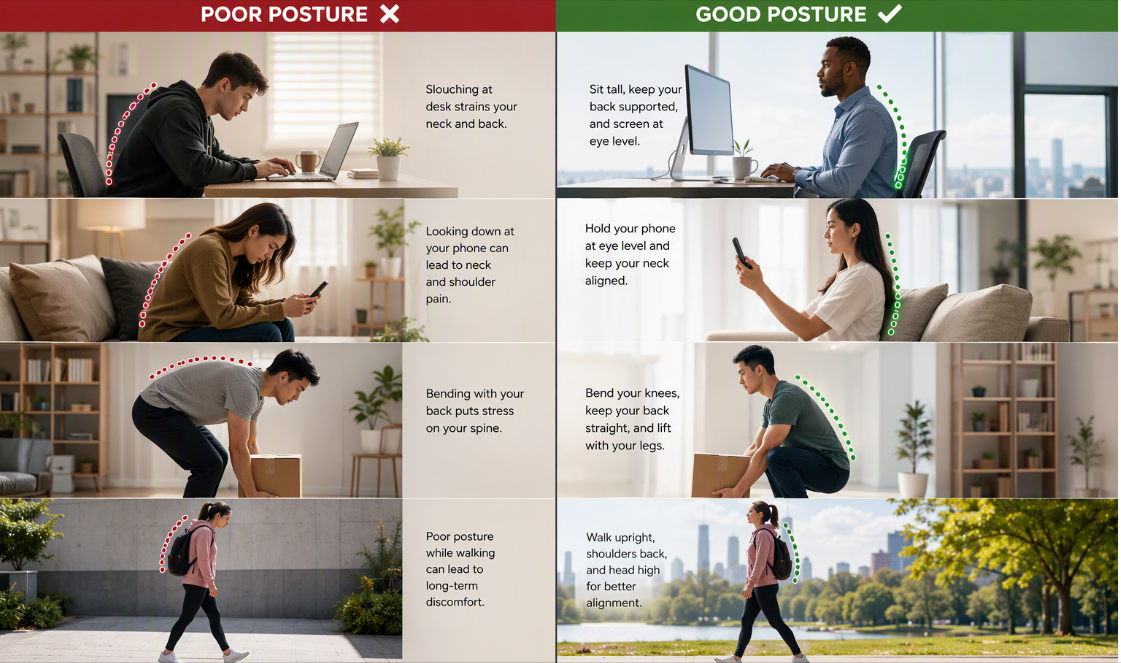
Pain can change how things feel in your life. It can make you move slower, and you may feel like it is hard to do things. Sometimes, pain makes you feel less sure about what your body can do. Even small things feel hard when you are not comfortable and the hurt keeps coming back or does not go away.
Many people start to cut down on physical activity when walking, bending, lifting, or standing feels hard. Over time, not moving much can hurt your strength, balance, and how long you can keep going. This often leads to a cycle where pain makes you move less, and then moving less makes things feel even worse.
This can make daily activities harder. It might take more time to cook, clean, drive, shop, or care for others. Some people stop doing usual activities they used to like. They worry the pain will get worse if they do them. Losing the ability to do things is often as upsetting as the pain itself.
Associated Symptoms (Fatigue, Stiffness, etc.)
Chronic pain does not just cause pain by itself. It also brings other problems that can make day feel harder. These extra issues can make it not easy to feel better fast. They often make the pain feel worse and slow how you get back to normal.
Fatigue happens a lot. It is tough when pain keeps you from sleeping or uses up all your energy during the day. Stiffness is another big problem, mostly for joint and body issues. Some people feel more grumpy or notice their mood can go up and down as they face pain and side effects from treatment.
Common associated symptoms include:
- Feeling tired or worn out
- Stiff joints
- Not being able to sleep
These extra symptoms can make your quality of life worse, even if your pain levels don’t go up. That is why good care should not just focus on the pain. It needs to look at how your whole body and mind are doing.
Effects of Chronic Pain on Daily Life
Chronic pain can affect almost every part of daily life. Things that seemed easy before may now take more time. Some tasks may need planning or help from others. The limits of chronic pain often grow slowly. That is why people sometimes don’t see how much pain is changing their life.
Chronic pain does not just cause the body to feel bad. It can also make it hard for you to do daily activities and take care of yourself. You may not be able to do your usual activities that feel important. Things like work, chores at home, or time with others can be different. The next parts will show where these changes happen most often.
Challenges in Work and Productivity
Work may feel much harder when you have chronic pain. The pain can make it tough to sit, stand, lift, type, or focus. You may still go to work, but it can be harder for you to get things done because the body uses a lot of energy to deal with discomfort.
For people in jobs that need a lot of physical work, the challenge can feel much bigger. Doing the same tough movements over and over may make back pain or other lasting aches worse. When you miss days or have to slow down, you may feel worried about your performance. It can also make you feel pressure about keeping your job.
That is why a good treatment plan matters. Support can be pacing your day, changing what you do at work, and using occupational therapy. These steps can help make moving safer and easier. When your work life is affected, simple changes can help you keep doing your job and stay involved.
Limitations in Everyday Activities
At home, chronic pain is felt in everyday things. It can be hard to get dressed, carry groceries, or go up stairs. It may also feel tougher to stand in the kitchen. You might notice using more energy than you did before. At first, these changes seem small and easy to miss. But over time, they can pile up fast.
Chronic back pain and joint problems can cause people to do less physical activity. When that happens, moving around the same way can feel harder as time goes on. Because of this, some people may start to skip tasks, or ask others for help more often. This change can hurt their confidence as well as how comfortable they feel.
Common daily activities may get harder.
- Housework like cleaning and laundry
- Shopping, driving, and errands
- Taking care of yourself or other people
When the usual activities feel hard, it’s good to spot it early. You can then change your routine. You can also get support before things get worse.
Social Interactions and Relationships
Pain does not just stay in the body. It can change the way you see people and how often you get out. You might not feel good about talking or going out somewhere. You may not feel ready to take part in plans. After some time, your social life can get smaller even if you did not mean for it to.
Relationships can feel pressure from chronic pain. The people close to you might not understand what living with it is like. Sometimes symptoms change every day. This can lead to people not getting it, which makes you feel upset, guilty, or alone, even when you are with those who care about you.
This is important because the quality of life is about how we feel with others and not just our health. When pain keeps us away from people, there can be more risk for problems like major depressive disorder. If you talk about what you need and what you can do, you help keep your relationships and feel better.
Emotional and Psychological Impact
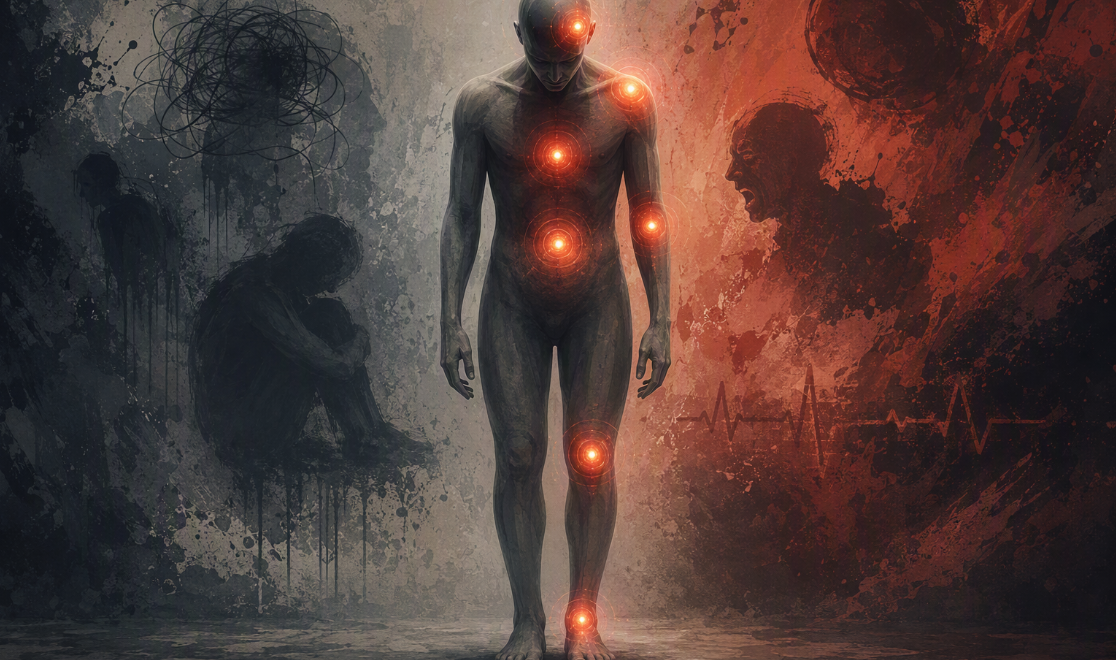
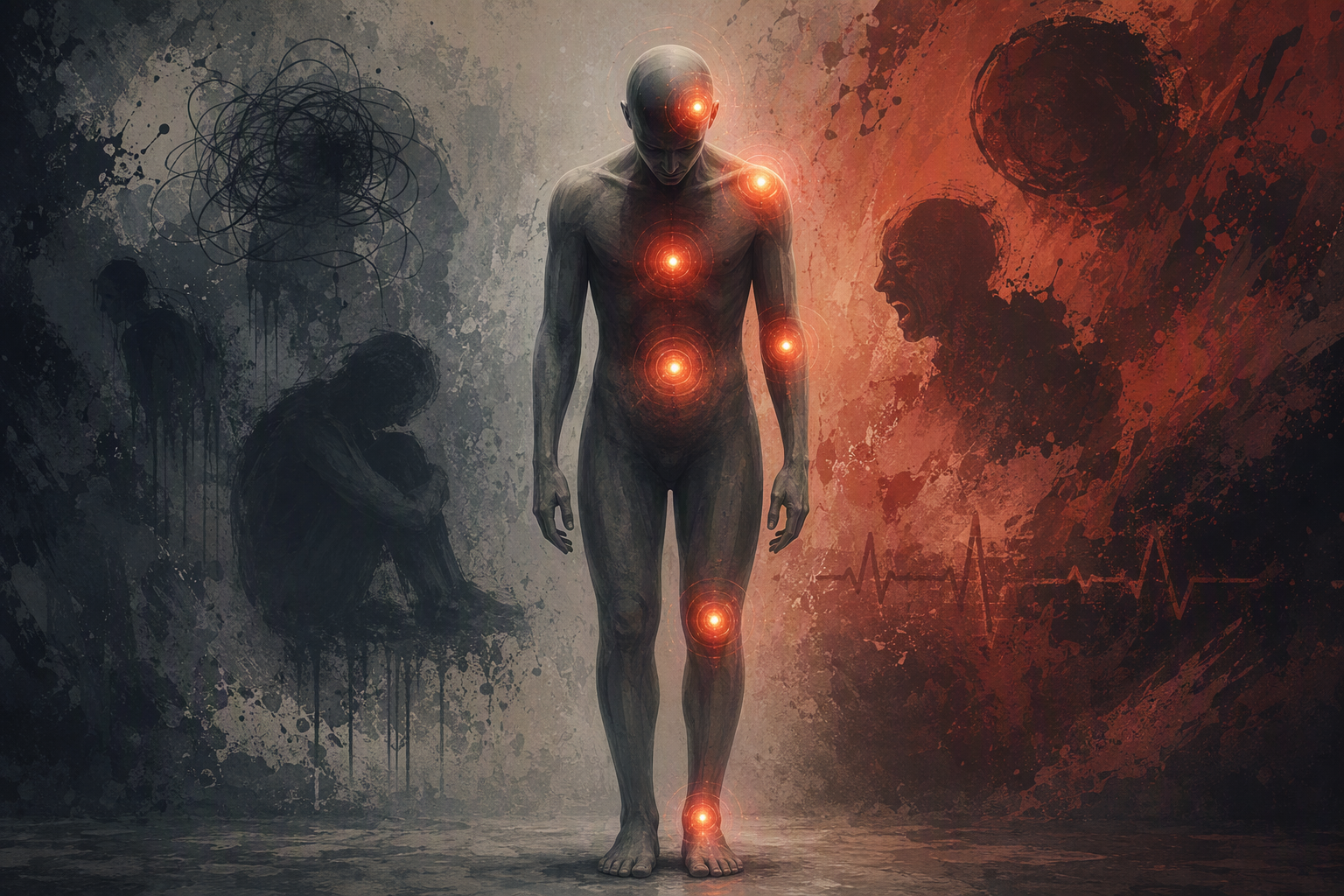
Living with chronic pain can make you feel low. When the pain stays for a long time, it does not just hurt your body. It can also change how you feel day-to-day. Worry, sadness, and being upset may be things you have to deal with every day.
Depression and anxiety disorder are often seen in people who feel chronic pain. When things get really tough, some people may also have suicidal ideation. This is why emotional symptoms are not to be ignored or treated as less important. They are part of what one goes through with chronic pain and also need care and attention.
Mental Health Concerns (Depression, Anxiety)
There is the deep connection between chronic pain and mental health. Pain that won’t stop can make you feel scared, nervous, and not sure things will get better. You might start to think that life will be tough all the time, especially if your symptoms don’t go away fast.
Major depressive disorder and anxiety disorder often happen with chronic pain. A lot of people with chronic pain also have a mental health problem. Not sleeping well, moving less, and losing some independence can cause emotional symptoms to feel even worse.
Some people can turn to things like substance use when they are trying to deal with chronic pain. Not all people feel the same way or go through the same things. Still, this shows how much emotional support can help. To treat chronic pain well, you should care for both the body and the mind.
Coping Mechanisms and Resilience
Coping with chronic pain does not mean you have to act like it is simple. It means you should find real ways to deal with the pain so it does not take over your day. With time, making small changes can help build strength and make chronic pain management feel easier and more steady.
Pain management is often most helpful when it blends medical care and emotional support. Cognitive behavioral therapy can be used for chronic pain. It helps you deal with pain, stress, and thoughts that are not helpful in a better way.
Helpful coping mechanisms may include:
- Sticking to a pain management plan
- Doing cognitive behavioral therapy if it is recommended
- Trying stress reduction methods like mindfulness or meditation
These ways will not take your pain away right away. But, they can help you feel more in control and deal with hard times with more confidence.
Impact on Sleep and Energy Levels
Many people who live with chronic pain find it hard to sleep well. Pain can stop you from falling asleep. It can make you wake up during the night. You may also feel tired when you get up. A mild pain that stays all night can keep your body tense and make sleep feel worse.
Poor sleep can cause you to feel tired during the day. When you do not have energy, it is harder to focus. You may not want to move much, and it gets tough to handle stress. This can make pain feel worse. After that, you may find it hard to sleep again, feel even more tired, and the cycle of discomfort keeps going.
That is why sleep needs to be in your treatment plan. If pain makes it hard for you to sleep, talk to your provider. Better pain control, therapy, or changing your routine can help you rest. When you sleep better, you may feel your mood is better, your energy is steady, and you feel a bit more strong during the day.
Diagnosis and Assessment of Chronic Pain
Getting a chronic pain diagnosis begins when you talk about your pain and how long you feel it. The pain is personal, so people who help you need to hear everything, not just a short story. A good pain assessment will help decide what to do next.
A physical examination helps the doctor see what is going on in your body. They ask about your history and use pain assessment tools to learn more about your pain. If the pain goes on for more than three months, comes back again, or makes it hard to do things, it’s best to get medical help and start a careful pain assessment.
Clinical Evaluation and Medical History
A clinical evaluation starts with a talk between the healthcare provider and the person. The provider will ask where the pain is. They will ask how strong it feels. They will ask how often the pain comes, and what makes it feel worse or better. They also want to know how much the pain changes life or work.
Your medical history is important too. Doctors will ask about old illnesses, surgeries, and injuries. They may also talk to you about long-term health problems, stress, and anxiety. This helps them see any patterns in your health. They can find out if one cause stands out or if more than one thing is happening at the same time.
After that, the doctor does a physical examination. The doctor looks at movement, checks for tenderness, tests strength, and checks reflexes. The doctor also looks at related symptoms. If the situation is complex, you can be sent to a pain specialist or a pain management specialist. It is important to get help if the pain gets worse, comes back after treatment, or stops you from doing your usual activities.
Diagnostic Tests and Imaging
When you have symptoms that point to a problem, providers may ask you to do some tests. These tests do not take the place of how you talk about your pain. But they can help find an underlying cause like nerve issues, swelling, or changes in your body.
Imaging can help in some cases of chronic pain. A provider might order these tests if they think there could be a problem with the joints, the spine, or another part of the body. In physical medicine and similar areas, doctors use the test results to decide how to treat the patient. They may also use these results to send the patient to other specialists.
Common tests noted in the gathered information are:
- Blood and urine tests, EMG, and nerve conduction studies
- Imaging like X-rays and MRI
Testing can be most useful when pain has gone on for months. It can also help if the pain is getting worse or you have trouble moving or doing your usual tasks. The aim is not to run every test but to pick the ones that are most likely to show what is causing the problem.
Identifying Underlying Conditions
One key step in diagnosis is to find out the underlying cause if you can. Chronic pain is often not a disease, but it shows that something else is wrong. Doctors try to see what may be causing it. Often, it might be arthritis, nerve damage, inflammation, an injury, or another problem that doesn’t go away.
This step is important, because treatment options work better when they go after the main cause. If you treat something like arthritis, it may help to cut down joint pain more than just trying to feel better. Even when you cannot cure it all the way, knowing why it is there can help you make good choices.
Early intervention helps when pain gets worse or starts to bother you, making you feel upset, or stops you from sleeping, working, or moving. When health conditions are found early, you and the person helping you can make a better plan for support and relief.
Approaches to Management and Pain Relief
There is no one answer that will fit all people with chronic pain. The best way to do pain management depends on what causes the pain, your symptoms, and how pain affects your day. Many people find pain relief when they use several treatment options at once instead of just one.
A good chronic pain management plan usually has medicine, therapy, movement care, and help for your lifestyle. With time, you might need to change your pain management plan as your needs change. This way of dealing with chronic pain management shows how pain management works for most people in real life.
Medication and Medical Treatments
Medication is sometimes used to help chronic pain. But it is not always the main thing needed. Providers look at why you feel pain, where it is, and how strong it is. They will suggest treatment options that work for you. The aim is to help you feel better and improve how you do things. Pain relief and getting back to normal do both matter for chronic pain.
Medical treatments can use both procedures and devices if needed. Some people get help from injections, TENS, or surgery. There are also cases when botulinum toxin may be used for certain patients. The choice is based on the condition. It should always be talked about with a provider.
Examples of options listed in the compiled information include:
- Medications like NSAIDs, muscle relaxers, and opioids
- Procedures or other choices like steroid injections, botulinum toxin, surgery, and clinical trials
Each choice comes with its own good and bad points. You should talk about side effects and what might happen with your doctor. This helps you get the right care.
Physical Therapy, Exercise, and Lifestyle Changes
For many people, using movement helps them deal with chronic pain. Physical therapy is good to make you stronger. It can help your body feel looser and move better. You may feel steadier and have more trust in your own moves. This can lower fear of being active, which is normal when pain goes on for a long time.
Lifestyle changes can help. Keeping weight in check, managing stress, and staying active all play a part in the care plan shown in the information. These steps may not make pain go away fully, but they can lower strain and help make things work better.
Helpful adjustments may include:
- The best thing is to follow a physical therapy plan. Physical therapy can help you feel better and move well.
- Make sure to add safe and steady physical activity to your week. A good plan for physical activity helps your body stay strong.
- You can also try different ways to feel better like massage, biofeedback, or meditation. These alternative therapies may help boost your health and mood.
The goal is not to push your body too hard. It is to help you move more easily and feel better in your day-to-day life as time passes.
Psychological Support and Mind-Body Techniques
Pain can change how you think and feel. It may also raise your stress. Because of this, getting help for your mental health can be a big part of how you deal with pain. This does not mean the pain is not real. It shows that your mind and body work together, and each needs care.
Some people feel more calm and sure of themselves when they try mind-body methods like mindfulness, meditation, and biofeedback. There is also cognitive behavioral therapy. This can help you deal better with pain, stress, and small problems that happen day by day. Group therapy and accepting help from others can also be good for you.
These tools work best when you use them with a bigger pain management plan. It is good to mix different ways, not just rely on one thing. A pain management plan should use many things together for effective management. When you add emotional support, people can feel better about sticking to long-term care. That makes it easier for them to keep going.
Conclusion
Understanding chronic pain matters a lot. It affects not just those who have it but also their family and friends. This pain is often hard to see, but it changes daily life in big ways. People feel it at work, in social settings, and in their mind as well. Knowing the causes and signs of this pain helps people get the right help and feel more in control.
Managing chronic pain can be done in many ways. It could be with medical care, lifestyle changes, or emotional support. Taking action can help make your quality of life better. You are not alone. If you feel lost or need help, reach out to our experts for a free consultation. Your path to relief and understanding begins here.
When should someone seek medical help for chronic pain?
You should talk to healthcare providers if chronic pain lasts for more than three months. You need to reach out if the pain keeps coming back, gets worse, makes it hard to sleep, or stops you from doing normal tasks. Early intervention helps with pain assessment. It shows the cause and helps build a stronger pain management plan before symptoms get harder to control.
Can chronic pain affect relationships and social life?
Yes, chronic pain can affect your social life and relationships. You may feel less energy and your mood may go down. You might not take part in plans like before. This can also lead to misunderstandings with people. Over time, it can lower the quality of life and make daily life feel lonely. It helps to tell others about your needs and limits.
What lifestyle adjustments can make living with chronic pain easier?
Helpful lifestyle changes include staying active in safe ways. You should follow physical therapy tips. Try to manage stress and build routines that help with both rest and movement. These things can make daily activities feel easier. When you deal with chronic pain, try simple coping tips. They work well if you use them every day for a long time.