Key Highlights
- Public parks give green space where people of all ages can be active every day. This helps with physical activity.
- Spending time in public parks is good for mental health. People feel less stress when they spend time there.
- More park access helps make life better for all, especially for people living in crowded urban areas.
- Quality parks help public health. They give safer recreation facilities and let people enjoy outdoor activities.
- These green spaces also make air quality better. They help cities with rising heat in urban areas.
- Fair urban planning can help cut down health inequities by giving more people access to public parks.
Table of Contents
Introduction
Public parks give a city more than just beauty. They bring health benefits to your body, your mind, and to the place where you live. Parks offer walking paths, play areas, shade, and clean air. All these things help make life more healthy and simple every day. As cities grow fast, good urban planning can turn public parks into an easy and low-cost way to help people live better. When you see it, parks are not just nice to have. They are basic needs in any healthy community.
The Growing Importance of Public Parks in Indian Cities
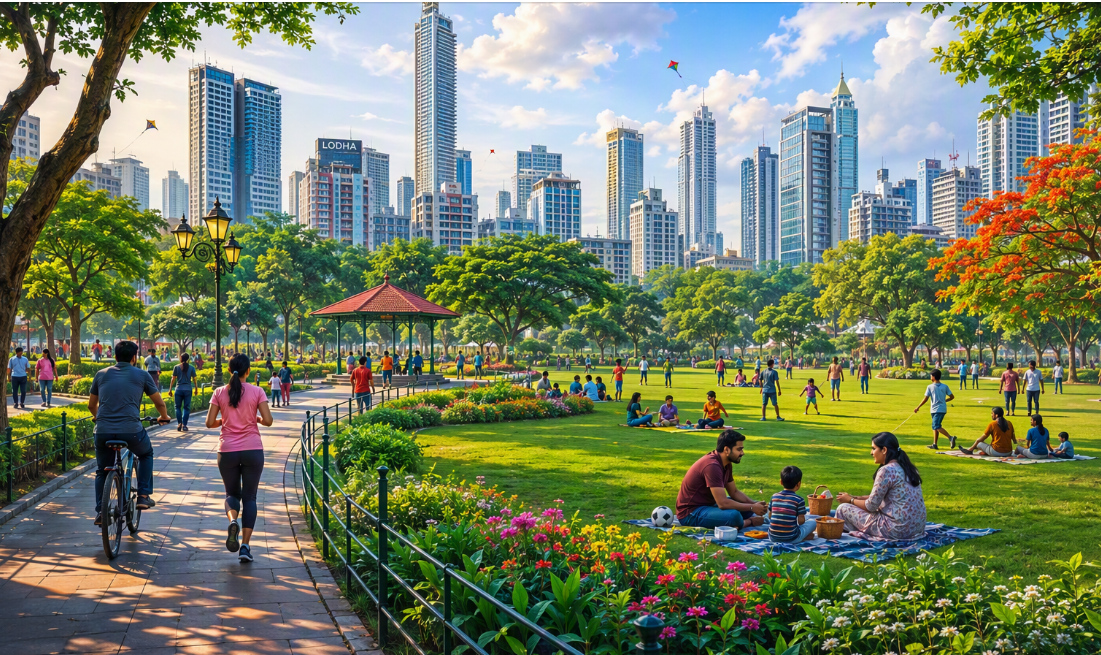
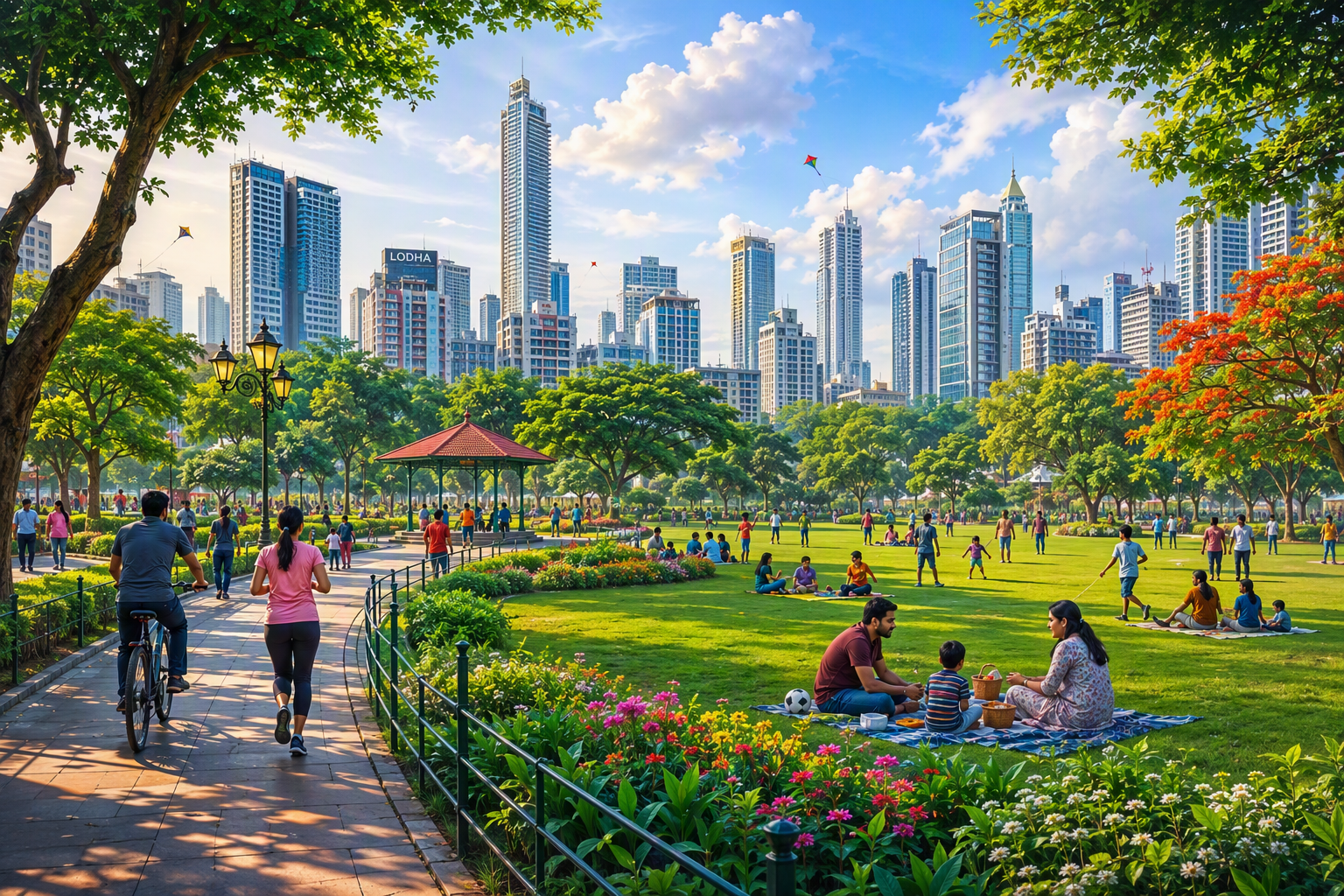
Indian cities are growing fast. This often means there is less open space. When urban areas get more crowded, people feel the need for green space even more. Public parks help with public health in clear and easy to see ways.
When people have places close by to walk, sit, and meet with others, community health often gets better. Having green areas around can help make community health stronger. These spaces give everyone a chance to feel safer, move more, and spend more time with others each day. The next sections talk about why all of this is important.
Urbanization Trends and the Need for Green Spaces
In many urban areas, you see buildings, roads, and hard grounds instead of land with plants or trees. This change in the built environment means people have less open space to walk, sit, and feel closer to nature. When cities grow, it can be harder to find places that feel open and free.
That loss is important, because green space is good for public health in many simple ways. Parks and trails help people walk, ride bikes, and move more. These places also help control the temperature and make air quality better. So, people who live close to the park feel these benefits, even if they do not go inside every day.
For people living in neighborhoods, green space can help them feel better every day. When there is green space, people have spots where they can walk, meet others, and feel less stressed from busy areas. Park planning needs to be seen as something all cities need, not something extra.
Access to Public Parks and Socioeconomic Factors
Not all neighborhoods have the same park access. In some areas, people with lower incomes and those from racial or ethnic minority groups have fewer quality parks. These parks may also have less programming. This leads to health inequities that impact daily life.
Even if public land is in the area, it might not be kept up well or feel safe. This keeps people away and hurts its public health benefits. People will not want to walk, exercise, or meet with others if the place does not feel inviting.
These gaps can change how a community feels for a long time. When there is limited access to parks, people have fewer chances to move, meet other people, and feel less stressed. If cities want people to be healthier, they need to look at who can get into parks, what kind of quality the parks have, and how parks are cared for over time.
Role of Urban Planners in Enhancing Park Distribution
Urban planning helps decide who gets to use parks. Planners look at where people live and where there are not enough services. They also check how the built environment affects how people move around. Because of this, the way parks are spread out is not just about land. It is also about health.
Cities can get better results when they work with community leaders, transportation teams, and nonprofit organizations. There can be more sidewalks, crosswalks, bike paths, and shade trees. More places to get in can make it easier and safer for people to reach parks. With shared-use agreements, school grounds or other areas can also be open for use and fun.
Strong park programs are important. When cities talk to residents and find out what they want, they can build places that show local culture and needs. If planners think about fairness, parks will be easier to get to, better to use, and give health benefits to people for a long time.
Public Parks as Catalysts for Physical Health
Public parks help your physical health. They make physical activity feel easy in everyday life. If you have recreation facilities, a trail, or open space near you, it is simple to get up and move. The walk or run does not feel like a job. This can lead to better health outcomes over time.
These spaces give people a place for outdoor activities that is away from traffic and busy stores. There are safer spots to walk, play, or bike. This helps people get active more often. To know more, you can look at things like time spent on exercise, which age group is most active, and find out how this lowers risks for some health problems.
Encouraging Daily Exercise and Movement
Yes, public parks help people to move more. Both adults and children can get more physical activity in these places. People who live near parks and trails often walk more. They stay active. When outdoor spaces feel safe and are near home, park usage goes up.
That pattern matters because people can move every day without a gym. Parks make it easy for people to have simple routines that work with their daily life. Recreation agencies can help by having spaces for everyone and showing people how they can use them.
- Walking loops make it easy for people to move around, either before or after work.
- Play areas let kids have fun and run around more.
- Open lawns give space for people to play and move a lot with games.
- Bike paths and trails help families be active and do things together.
Benefits for Adults, Children, and Senior Citizens
Different age groups go to parks for their own reasons, but the value is big for everyone. Children like open space, which helps them play, move, and grow in a good way. Adults go to parks for walking, jogging, or just to relax and be close to home.
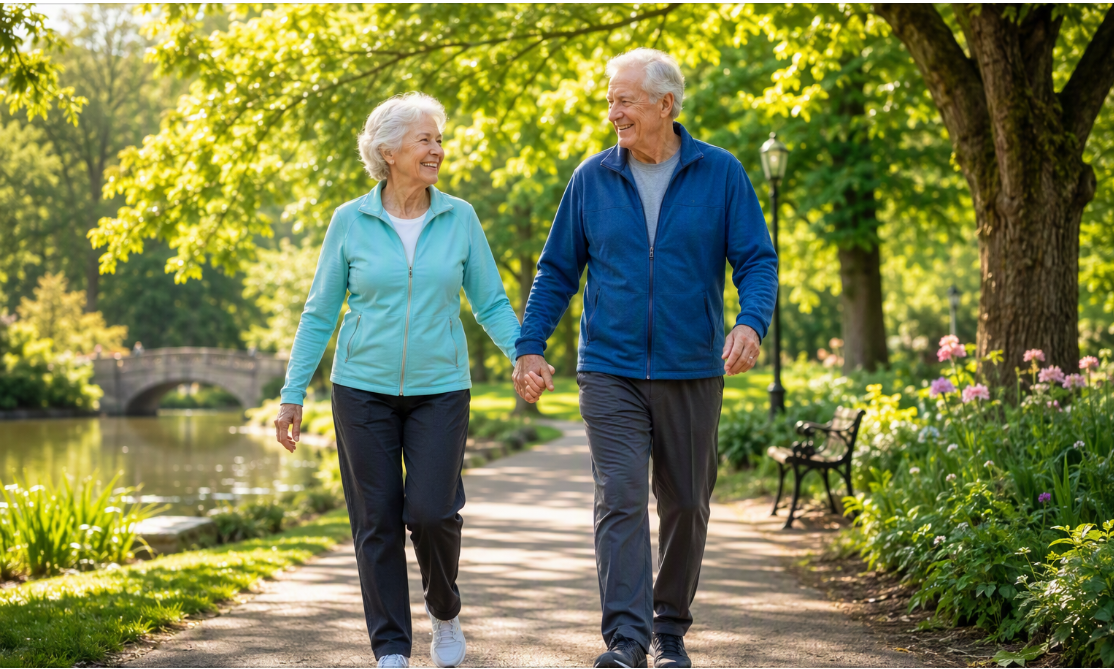
Senior citizens get a lot from parks that are planned well. Benches, shade, and flat paths help them move more without getting tired. Easy access is important because walking or moving a bit each day can help with balance and make them feel good and sure about themselves.
When parks are made for people of all ages, they help improve overall health in the community. A nearby green area can be a place for grandparents to walk, children to play, and parents to relax. This helps people be active, which is good for physical health. It also makes it easier for everyone to have a more active life.
Reduction in Chronic Disease Risks (Diabetes, Heart Disease, Obesity)
Parks can help stop health problems that last a long time. They do this by letting people live active lifestyles. When you move often in the park or other public places, you lower the risk factors for things like diabetes, cardiovascular disease, and being overweight. So, parks are not only for fun. They are also useful every day to help keep you healthy.
The effect is direct and indirect. People go to parks to walk, run, or bike. These things help control blood pressure and keep weight in check. They also help with cholesterol. Green spaces make air quality better. They help control the temperature, too. This gives us healthier places to live.
Better access can help people get better health outcomes. If a neighborhood has safe places to walk or play, people can be active more often. They then get more chances to make regular healthy habits. Parks are important for keeping people healthy for a long time and slowing down chronic disease. This helps people feel good and improves their physical health.
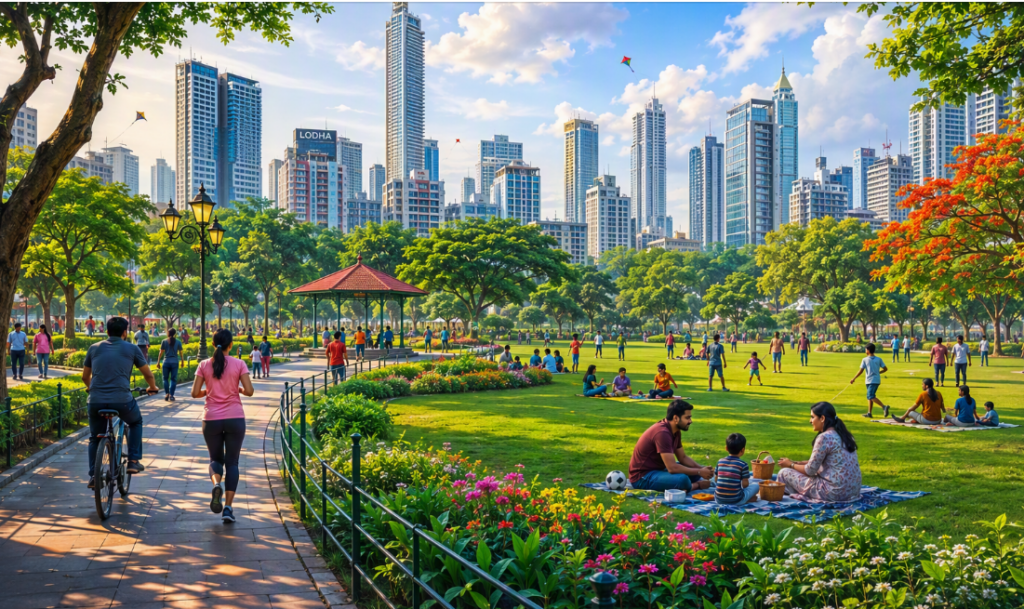
Mental Health Advantages Linked to Green Spaces
Green space helps with mental health that many people feel fast. Time outside gives less stress. It can also help you pay better attention. Many people feel more calm. Even if you just spend a short time at parks, you get a break from busy streets and your day-to-day work.
These benefits can help the immune system. This happens because there is less stress and better daily habits. People who go outside more feel better. They feel happier too. The next parts talk about stress relief. They talk about how people feel. They also talk about the mind and how it works.
Parks and Their Impact on Stress Reduction
Yes, urban parks help people feel less stress in a city. Being in outdoor spaces gives you a break from loud sounds, busy streets, and concrete. When you walk in places with trees, shade, and space to move, your mind feels calmer.
Stress relief is a big benefit for mental health when you spend time in parks. The research shows that green space helps people feel less stress. It also helps them feel better in general and deal with tough times, like the pandemic.
- Quiet walking paths can help you feel calmer in your daily life.
- Tree cover and shade can make it more comfortable and bring less stress.
- Relaxed activity outdoors may help lower blood pressure.
- Safe parks give people an easy way to take a mental break.
Nature Exposure for Anxiety and Depression Relief
Spending time in green space can help lower anxiety and depression. People who are out in nature feel less anxious. They also feel more happy and well. This shows the value of parks for emotional balance.
This does not mean parks take the place of medical care. Parks can help mental health as an easy and low-cost way to add to other ways of care. Some health care providers also use nature-based programs and Park Rx ideas to help with their treatment plans.
There can be more good effects on immune function when stress goes down and people stick to healthy habits. If you feel calm, are active, and stay outside, your body might work better as a whole. Parks give you a place to start getting these benefits.
Cognitive Benefits from Time Spent in Public Parks
Public parks help with mental health, physical health, and how people think. When you spend time in a natural environment, it can help you focus and make your thinking sharper. In busy cities, people may need this mental reset even more.
These gains can often be found in simple outdoor activities. A quiet walk, sitting under trees, or just letting kids play without any plan can give the brain a break. There is no screen or noise from cars. People feel better away from all the things they have to do every day. Children can also feel more connected to nature, which is good for their healthy development.
When you can get to parks easily, you can feel good more often. These quick lifts for the mind help you feel calm and think more clearly. This can help at school, at work, and at home each day. So, public parks are good places for feeling better and getting things done.
Boosting Community Well-Being through Social Interaction
Parks help people in more ways than just keeping them healthy. They give a space where people meet, talk, and spend time together. These meetings and talks can make social connections stronger. Parks also help public health in real-life ways.
The benefits of parks grow when people use them as a group. You can see this in talks on walking paths and events that bring people together. Parks help make community engagement better and help people feel less alone. The next sections show how having spaces for everyone, building stronger ties, and doing things together make neighborhoods do well.
Parks as Inclusive Gathering Places
Parks are great when they feel like places for all to go. These spaces welcome everyone, so people can meet without paying for anything. This helps make social interactions simple for people no matter their age, background, or income.
Open space is important here because it can be used in many ways. People can plan what they want to do, or they can just drop by to use it. Families often sit together here. Neighbors like to talk with each other. Local groups might use it to host activities. In some places, people have fixed up parks to add pavilions. These pavilions let people hold cultural events, and even offer health services that fit what the people in the area need.
These shared places help keep the community healthy. They do this by letting people get to know each other and build trust. When people visit the same spot often and feel welcome, they start to make friends. Parks can be a place for everyone. This helps a neighborhood feel more close, seen, and cared for.
Strengthening Social Ties and Reducing Isolation
Regular park use helps people feel connected. When neighbors walk on the same trail, take their kids to the same playground, or join the same event, they start to know each other. These moments can help make lasting social connections. This builds social cohesion in the area.
This is important for community health because being alone too much can take a toll on people. Parks give people a chance to be with others and take part in physical activity. You do not need a big group or an event to feel good. Just being near others can help people feel less lonely.
There is a mental part to this too. Being around others outside can help you feel less stress. It can also help you feel like you are part of something. A safe and friendly park can make the people who live close feel more close to each other. The area can turn into a place where people support one another.
Promoting Intergenerational Activities and Community Events
Parks are great for people of all ages. One space can be good for kids, parents, and older people too. Park programs and events are important because they help bring age groups together in the same place.
This kind of shared use helps people feel closer and more connected. Things that the National Park Service shows, along with work done by groups in the area, show how parks can be places for wellness, getting active, and meeting others in your neighborhood. The parks feel laid-back, so it is easier for people to join in.
- Family activity days can bring the whole family together in one place.
- Community events help people make memories together. They make people want to come back again.
- Walking groups can have people of different ages join in and get to know each other. This also lets them make a routine to meet.
- Cultural celebrations help people feel that they belong and matter to others.
Designing Healthy Parks: Features That Matter Most
Good park design affects how often people go there and what they get from it. A quality park needs more than just grass and benches. It should fit well with the built environment. A good park should have recreation facilities and make park access easy and safe to use every day.
The best changes for parks mix design, safety, and welcoming spaces. Walking paths, shaded spots, signs, and easier ways to reach the streets help people use parks more. The next sections will talk about ways to make parks easy for all, places for people to be active, and the natural things in the parks that most people care about.
Essential Elements for Accessibility and Safety
Cities can get more health benefits from parks by making them safe and easy to reach. People use parks more if they get to the park quickly and feel safe inside. The city should think about entrances, walking paths, and nearby streets when planning parks.
Easy access helps people enjoy health benefits by making it easier to stay active. It removes things that stop people from being part of physical activities. Communities can put in sidewalks, crosswalks, bike racks, shade, and signs that help people find their way. Open streets and play streets can give safe routes and places for temporary activities near parks, helping to boost physical health.
The table below shows how main features help people use parks in a healthier way.
| Feature | How it helps |
|---|---|
| Sidewalks and crosswalks | Improve accessibility and safer trips to parks |
| Shade and benches | Support comfort, rest, and longer visits |
| Wayfinding signs | Help residents locate facilities and accessible routes |
| Open streets access | Creates safer space for walking, biking, and rolling |
Playgrounds, Sports Areas, and Walking Trails
A healthy park gives people many ways to have fun in one open space. Playgrounds let children run and play. Trails are good for walking or jogging, so teens and adults can use them. This mix lets more people enjoy the open space in ways that fit what they like to do.
Recreation facilities help people feel good about their community. Things like sports fields, bike paths, and skate parks give people many choices. This variety can make people come back again. When there are different options, people want to return and add these activities to their day.
These features are some of the best ways to improve a park. They help outdoor activities feel easy and fun. A walking loop, a safe place for kids to play, or a sports field can make a local park feel safe and good for everyone. This way, people can use it to move and stay healthy.
Incorporating Plant Diversity and Clean Environments
Healthy parks need to have more than just buildings or paths. The park must have many kinds of plants, trees, and natural areas. A good green space with different plants can help people feel better when they come. A park with lots of vegetation and natural areas will feel cooler, quieter, and nicer to visit.
Clean spaces in parks are important. If a park looks messy or unsafe, people will not use it much. Good upkeep, clear walkways, and healthy plants make people feel safe to visit. This regular use gives more value for physical and mental health.
There is an environmental gain as well. City parks have many types of plants. This helps birds, insects, and other living things. When cities keep different plants and maintain cleanliness, parks feel better for people. They offer more health, comfort, and strength to the local area.
Public Parks and Their Role in Environmental Health
Public parks help keep the environment healthy. A green space in urban areas can make air quality better. It can also help with keeping the area cool and bring in more types of plants and animals. Because of all this, people living nearby have healthier neighborhoods, even if they do not go to the park often.
That is one reason parks help with physical health. Cleaner air and cooler spaces let people move more safely. They also make it nicer to spend time outside. In the next sections, you will read about air, heat, and city wildlife. These are important pieces of the story.
Improving Air Quality in High-Density Neighborhoods
In places with many people living close together, parks help the air get better by bringing plants and trees to areas with lots of concrete. Trees and green spots make the space feel better for everyone. This is very important in areas where cars, tall buildings, and hot weather make it tough to spend time outside.
Better air quality helps public health. It can make health outcomes better for all people in the area. People who live close to green space can feel these benefits, even if they are not in the park doing exercise. Cleaner local air makes walking and spending time outdoors feel better and easier each day.
This is how parks help with better physical health. When the air is clean and the place is nice, people feel good about going outside. It makes the area better and helps more people be healthy each day.
Urban Heat Reduction and Climate Resilience
As cities get bigger, urban heat gets to be more of a worry. Things like buildings and roads soak up the sun and make the air feel hotter. Green space and open space help cool things down. These spots keep local areas from getting too hot and make it easier for people to spend time outside.
This cooling role is good for the environment and helps with climate change. Parks help cities deal with hot weather. They give people safe places to walk, rest, and meet each other. This work becomes more needed as crowded areas keep growing.
- Trees and plants lower the heat in cities that have a lot of buildings.
- Parks feel cooler, so people can walk outside when it is hot.
- Open space helps people feel better and gives a break from busy places.
- Less heat in the area makes the neighborhood stronger when facing changes in climate.
Biodiversity Protection within City Landscapes
City parks help keep more living things safe in cities. Even small green spaces help animals like birds and bugs, and many plants. These places let the natural environment have a home in busy cities.
The benefits of parks are good for people and the natural world. When public land has different plants and trees, it helps living things. This can make the air cleaner. It can also make the temperature cooler. A more even feel in the city will be there.
These changes in the natural environment are good for health. A healthy natural environment makes parks better. People feel more welcome and may walk, play, or spend more time outside. Because of this, protecting nature helps the city and improves everyone’s physical health.
Conclusion
Public parks are important for good health. These places help with both physical and mental health. They give people a spot to exercise, feel less stress, and talk to others. This helps to make community ties strong. Parks also make people feel better. As cities grow and change, the need for green spaces goes up. Parks that are easy to reach matter even more now.
When city leaders put care into parks and keep them nice, it makes air quality better. The heat in cities goes down. Good parks also give a home to many types of plants and animals. These areas help cities be strong when things change. Using what parks have can lead to a better way to live. People feel more happy.
If you want to know how to get more health benefits from your parks and feel good in your everyday life, feel free to ask for help. A free consultation is ready for you.
Are there any health risks associated with visiting public parks?
Public parks give people a place to move and feel good. But if a park is not looked after, or you do not feel safe getting into it, you might not want to go there. When park access is unsafe, people stop doing physical activity there, and lose the health outcomes. A park should be clean, easy to get to, and feel safe. That way, everyone can use it well and feel good.
How can Indian cities design parks to maximize health benefits?
Indian cities can help people feel better by planning parks with good access, plenty of shade, safe paths to walk on, and places for everyone. A strong urban planning plan should keep open space safe, link parks to neighborhoods, and meet what the community wants. This will let people use parks more often and feel good about it.
Do public parks truly encourage more physical activity among all age groups?
Yes, public parks help people do more physical activity when everyone can easily get to the park and feel safe there. Children, adults, and older people may use parks in their own ways. Still, when more people use parks, they get health benefits. These benefits come from walking, playing, exercising, and moving every day. Parks give us all better physical health.