Key Highlights
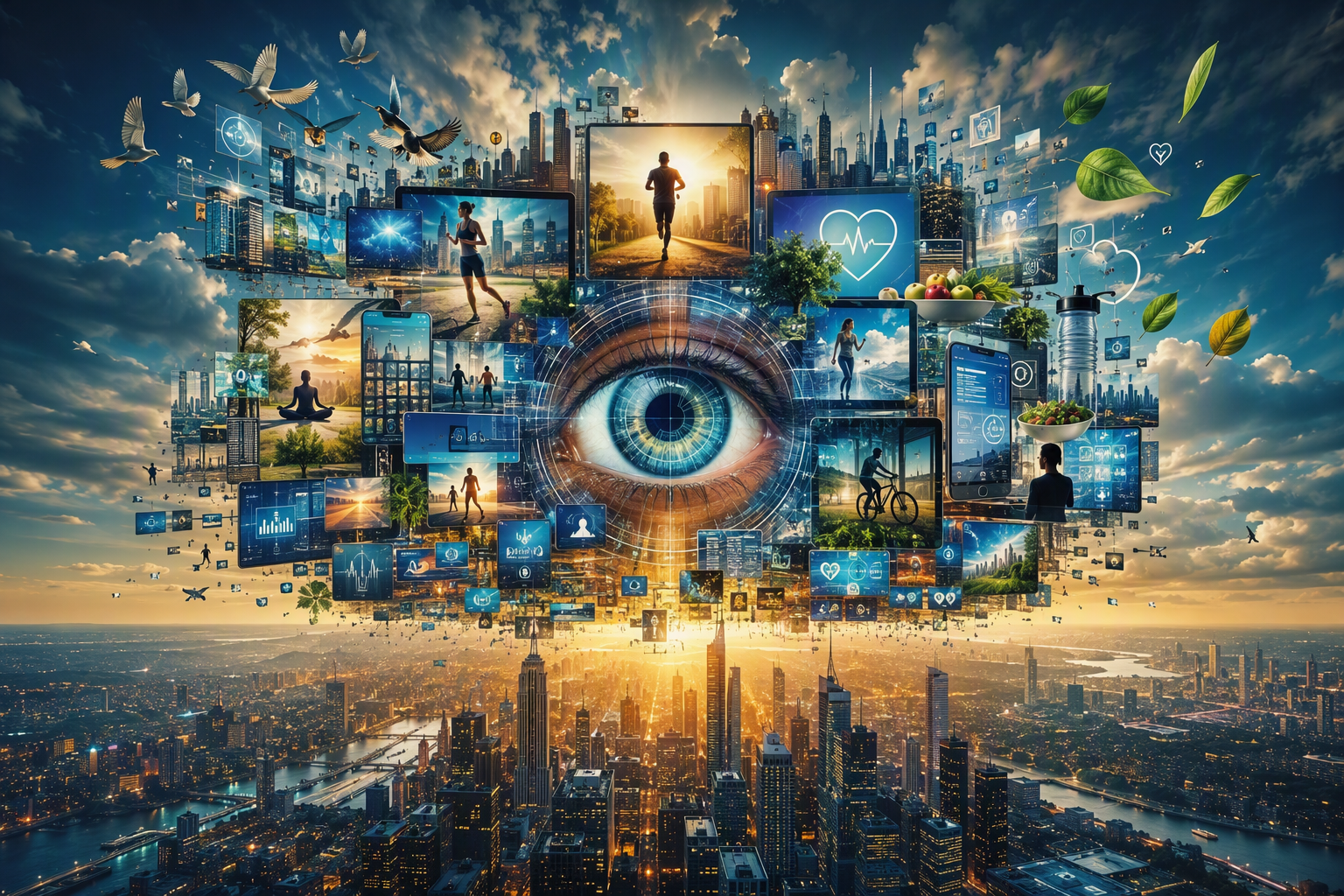
- The way many people live now can affect eye health. Longer screen time and not enough rest often lead to this.
- Digital eye strain is common. People get dry eyes, blurry vision, and feel eye fatigue after using screens for a long time.
- Some daily lifestyle factors hurt overall eye health more. A poor diet, not enough physical activity, and a lack of sleep can all cause problems for your eyes.
- It is good to practice simple eye care to help with these issues. Taking breaks from screens can cut down on eye strain.
- Using protective eyewear and sunglasses can help lower your risk from injuries and exposure to UV rays.
- Having regular eye exams is important. This helps with early detection of any problems and can keep your vision good in the long run.
Table of Contents
Introduction
In the digital age, modern living has changed how people use their eyes. You now spend more time looking at screens like phones, computers, tablets, and TVs. This extra screen time can put more stress on eye health and often raises the risk of vision problems. Many people feel some discomfort but do not think it comes from daily habits. The good thing is that small changes can make a big difference. When you know how lifestyle and eye care are linked, it gets much easier to protect your sight.
How Modern Lifestyles Are Shaping Eye Health in India
Life in the digital age means we use digital devices more. This change affects eye health. People now work, study, and have fun by looking at screens. So, screen time goes up, and eyes feel more strain.
Urbanization is also part of this. People in cities have busy lives. They spend more time inside. They do not always rest well, eat healthy food, or get enough exercise. These things can slowly change how you see and feel. To understand this better, first, look at screen use. After that, also notice other ways of living in the city that can change your health.
Increased Screen Time and Its Effects on Vision
One big shift in the digital age is that we spend a lot of time looking at screens. You could be using a laptop for work or your phone to check updates. A lot of digital device use may cause eye strain. This is also called digital eye strain or computer vision syndrome. It has turned into a common issue in today’s digital age.
When screen time gets higher, your eyes have to work more to keep focus. This can lead to eye fatigue, dry eyes, and blurry vision. These problems get worse after long periods of screen use. People talk about blue light exposure a lot, but the bigger problem is how long and how often you look at screens without taking breaks.
A simple habit can help. Try to follow the 20-20-20 rule. Every 20 minutes, look at something that is about 20 feet away and do that for 20 seconds. This small break gives your eyes some time to rest and feel better.
The Link Between Urbanization and Eye Health Challenges
Urbanization has made day-to-day life different for most people. Now, many spend a lot of time inside. People use screens to do work and also to relax. They do not move as much as before. These changes in lifestyle factors may look small at first. Over time, though, they can put pressure on your eye health.
In the digital age, people can have risk of eye diseases if they skip breaks, do not sleep enough, or eat bad food. Doing a lot of work close up and spending a long time looking at screens can also make eyes feel tired. This can support myopia progression. It is common in younger people who spend much of year on digital tasks.
Some bad habits can be hard to notice. They feel normal to us. It is good to know the signs early. When you see these warning signs, you can act before things get worse or before you feel too much pain.
Common Symptoms of Eye Strain in Today’s World
Eye strain is a clear sign that your eyes feel stress from your day. A lot of the time, digital eye strain happens when you spend too much time in front of a screen. It can get worse if you do not blink enough, or if you do not take breaks often.
You may feel dry eyes, tired eyes, or find it hard to focus when the day is almost over. At first, these issues may feel small, but they can grow over time. The next two parts show you what signs to look for. They also talk about how the problems with dry eyes affect your body and mind.
Signs to Watch for in Daily Routines
Your daily routine tells us much about eye strain. If you are on digital device usage for hours, you may feel it in your eyes. These signs can be clear, but most people ignore them. The discomfort may go away for a bit, but if these symptoms keep coming back, it is important to pay attention.
Common signs include the following:
- Dry eyes that feel irritated after long time on digital screens
- Blurry vision when you switch from close work to looking far
- Eye fatigue that gets worse as the day goes on
- Tired or heavy eyes when you use a computer or phone
- Trouble feeling comfortable when reading on digital screens
Sometimes, you might feel these things when you are doing normal things like work, watching TV, or looking at your phone before you sleep. If you feel this, your eyes may be reacting to looking at things up close for a long time and not blinking much. If you notice this early, it can help you take better care of your eyes and feel more comfortable.
How Digital Eye Strain Manifests Physically and Mentally
Digital eye strain does not just hit your eyes. It can change how you feel in the day. You may feel dryness and irritation in your eyes. They might feel tired, and you could have a hard time keeping your eyes focused after being on a screen for a long time. For some, these signs feel like dry eye syndrome or computer vision syndrome.
The mental side is easy to miss. When your eyes feel tired, doing your work or reading may be harder. You may feel less comfortable. You may feel less sharp. By the end of the day, you feel more tired. This can lower the quality of life in small ways that really matter.
Many times, symptoms come on slowly, so you may get used to them without seeing it. But, if you feel eye fatigue a lot, you should not ignore it. Pay attention to your food, how much you move, and your daily habits. These things can help you find the reason behind your eye fatigue and deal with it.
Key Lifestyle Factors Impacting Eye Health
Many things you do every day can change how well your eyes work. The food you eat, how much you move, the way you sleep, if you smoke, and how long you look at screens all affect your eye health. If you do not pay attention to these lifestyle factors, your eyes can feel upset. It can also make problems last for a long time.
The good news is that you can make some changes that help. Eating right keeps your body strong. Moving your body helps your blood flow. In the next parts, you will find out how picking the right foods and doing regular exercise lead to better vision and overall health.
Diet and Nutritional Choices in Urban Living
What you eat can help your eyes or make things worse for them. A balanced diet is good for eye health. You should have fruits, vegetables, leafy greens, fish, and citrus foods. These foods have things your body needs for good vision. If you eat the wrong foods, they can harm your eyes over time.
In the city, people often eat quick meals or processed foods instead of fresh food. A diet with a lot of saturated fat and sugar can make oxidative stress go up. This can make it more likely for you to have problems like cataracts and macular degeneration. But fatty acids such as Omega-3s can help dry eyes feel better and support good ocular health.
| Food choice | Possible effect on eye health |
|---|---|
| Leafy greens and vegetables | Support good vision with key nutrients |
| Fish with Omega-3 fatty acids | May help prevent dry eyes and support eye function |
| Citrus foods | Add nutrients that help maintain healthy eyes |
| High sugar and saturated fat intake | May raise risk of cataracts and macular degeneration |
Physical Activity and Its Role in Maintaining Healthy Eyes
Physical activity does more than help with weight control or heart health. It also helps your eyes. If you do regular exercise, you can improve blood flow in your body. This will help give oxygen and nutrients to your eye tissues. That is important if you want to keep good vision as you get older.
Another good thing about staying active is that it can help cut down on risk. Keeping your body moving may make it less likely to have health issues like diabetes and high blood pressure. These are problems that be linked to vision problems and eye diseases. When we move and stay active, it helps with eye care and makes overall health better too.
Modern routines mean that many of us sit for a long time. Not moving much can affect eye health in an indirect way. Still, it is important to find balance. Some types of physical activity, like weightlifting, can raise eye pressure. If you have certain eye conditions, you should stay away from these activities.
The Role of Sleep Quality in Eye Health
Sleep quality has a big impact on eye health. Your eyes need time to rest and get better, just like any other part of your body. If you do not get enough sleep or if your sleep is not good, you may feel discomfort in your eyes soon.
Lack of sleep can make your eyes feel tired and dry. It can also cause other vision problems. These issues can make it hard to get through the day. Over time, not getting enough rest may hurt your quality of life. To see how this happens, it’s good to learn what sleep loss does and what can help make sleep better.
Consequences of Poor Sleep Habits on Vision
Poor sleep can cause problems with your eyes very fast. After even one night without enough rest, you might feel eye strain, dryness, eye spasms, or trouble with focusing. These signs can make screen use and doing close work feel a lot harder than it should be.
There are more effects from lack of sleep. It can increase the chance of getting vision problems like glaucoma and macular degeneration. Lack of sleep can also lead to high blood pressure. This can then be linked to later vision problems. When the body has more oxidative stress, it puts more pressure on how the eyes work.
This does not mean that just one bad night of sleep will cause vision loss. But having poor sleep again and again is not good for you. If your eyes feel tired or sore often, how you sleep at night may play a part in this. Getting better rest can help you keep your eyes healthy.
Tips for Improving Sleep to Support Eye Health
Better sleep quality can help with both comfort and eye care for the long term. In the digital age, many stay on screens at night. This can make your eyes feel tired the next day. A few steady habits can help, and you will see the change.
Try these simple steps:
- Try to sleep for seven to nine hours every night.
- Cut down on using screens late at night when you can.
- Make a healthy lifestyle with good food and movement for your day.
- Notice if you feel dryness or feel tired again and again. Do not just ignore it.
- Get regular eye exams if your signs keep coming back.
Good rest will not take the place of care from a professional, but it helps support it. If you have sleep problems and your eyes feel bad at the same time, talk to an eye doctor. This chat can help you keep your eyes safe. That way, small problems with your eyes can be handled before they get harder.
Protecting Your Eyes in a Digital Age
Taking care of your eyes in the digital age begins with paying attention each day. Most people use digital devices and cannot avoid them. You can make better habits for screen time. Small steps you take each day may help you more than trying to change everything at once.
Good eye care is not just about what you do for your eyes. It also includes what you eat, how much you sleep, if you move your body, and how you keep safe. A healthy lifestyle gives your eyes support in many ways at the same time. The next parts show real steps you can take to help now. It also tells you why seeing your doctor often is one of the best ways to stop problems before they start.
Simple Lifestyle Changes for Healthier Eyes
Healthy eyes need steady habits, not hard steps. If you spend a lot of your day with screens, begin with simple lifestyle changes. These will help lower strain and make your eyes feel better. You can use these ideas at work, while studying, or at home. They fit in without much trouble.
Helpful actions include:
- Use the 20-20-20 rule when you look at screens. After every 20 minutes, look at something 20 feet away for 20 seconds.
- Put on protective eyewear while doing sports, working outside, or doing DIY jobs.
- Pick sunglasses that give you 100% UVA and UVB protection when you go out.
- Take care of your eyes by eating a balanced diet and doing regular exercise.
- Go for routine eye exams often to keep track of how your eyes are doing.
These habits help each other. Taking breaks can help lower stress from long screen use. Safety eyewear can help cut the risk of hurting your eyes. A lot of people talk about blue light the most. Still, you will get more from rest, good protection, and keeping eye care part of your day.
The Importance of Regular Eye Exams and Early Detection
Even having a good routine does not find every problem by itself. It is important to get regular eye exams because some eye diseases start without clear signs at first. You may feel okay, but there can be trouble building up without you knowing it.
That is why spotting problems early is important. A eye exam can help find issues before they get bad. This includes problems from high blood pressure, diabetes, glaucoma, or damage in your eyes. When our lifestyle choices put more stress on the eyes, seeing a doctor on time is more helpful.
Eye care professionals can help you. They will look at your habits, signs, and risk factors to guide you. If you use screens for a long time, feel dry eyes a lot, or see changes in your sight, do not wait to get help. Regular checkups are one of the best ways to keep your eyes healthy for a long time.
Conclusion
Modern life has a big effect on eye health. There is more eye strain now because people spend a lot of time looking at screens. Urban living has also made this worse. You might feel physical and mental tiredness because of it. A good diet, regular physical activity, and sleeping well can help stop this. These things help keep your vision safe.
Getting regular eye exams and making simple changes in how you live can keep your eyes healthy in the digital age. This is important because the way you care for your eyes today can make a big difference in the future. If you want advice that fits you, feel free to ask for a free consultation!
Can habits like skipping exercise or unhealthy eating affect eyesight in the long term?
Yes. Low physical activity and a poor balanced diet can change eye health as time goes on. Exercise is good for blood flow. A healthy diet gives your eyes what they need. When you do not have these, the risk of eye diseases can go up. This can cause discomfort, poor vision, and maybe even vision loss.
Are there any quick remedies for eye strain caused by long hours on digital devices?
A good way to stop digital eye strain is to follow the 20-20-20 rule. Every 20 minutes, look at something 20 feet away for 20 seconds. This gives your eyes a break from screen time. You can help your eye care every day by taking breaks often, blinking more, and noticing dry eyes early. These steps can make your eyes feel better.
Why should children and young adults prioritize eye care today?
Children and young adults now use digital devices more. This can put pressure on eye health. Early habits are important, especially when there is worry about myopia progression. It’s good to care for your eyes by making smart screen routines. Having routine eye exams also helps find problems early. These steps can support better vision for the long term.