Key Highlights
- A long commute can make stress levels higher, hurt mental health, and lead to lower life satisfaction.
- When people have longer commute times, there is less time for physical activity, and this can lead to weight gain.
- Sitting every day in heavy traffic can push up blood pressure and may also bring other health risks.
- The way people travel, like using public transportation or going by different work modes, can shape commute stress and quality of life.
- Having less personal time can hurt job satisfaction, break up family routines, and lower your overall wellbeing.
- People who live with a chronic health condition may get increased risk from all the travel time in a long commute.
Table of Contents
Introduction
Your daily commute may seem like a normal part of work. But it can have a real effect on your health. When you face longer commute times every day, you feel it before work, during your work hours, and after you reach home. It can give you stress. You may move less, sleep poorly, and have less personal time. All these things matter. If you are thinking about how your trip to work is changing your wellbeing, the answer is usually yes. A long and unpredictable journey has a big impact.
Understanding Daily Commutes in India
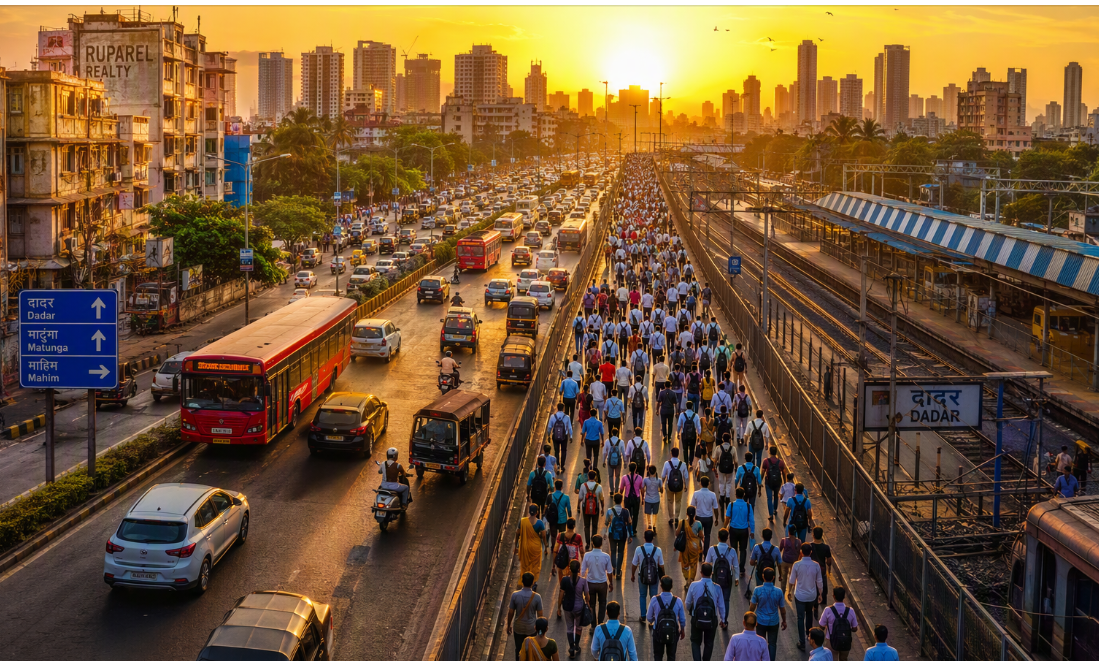
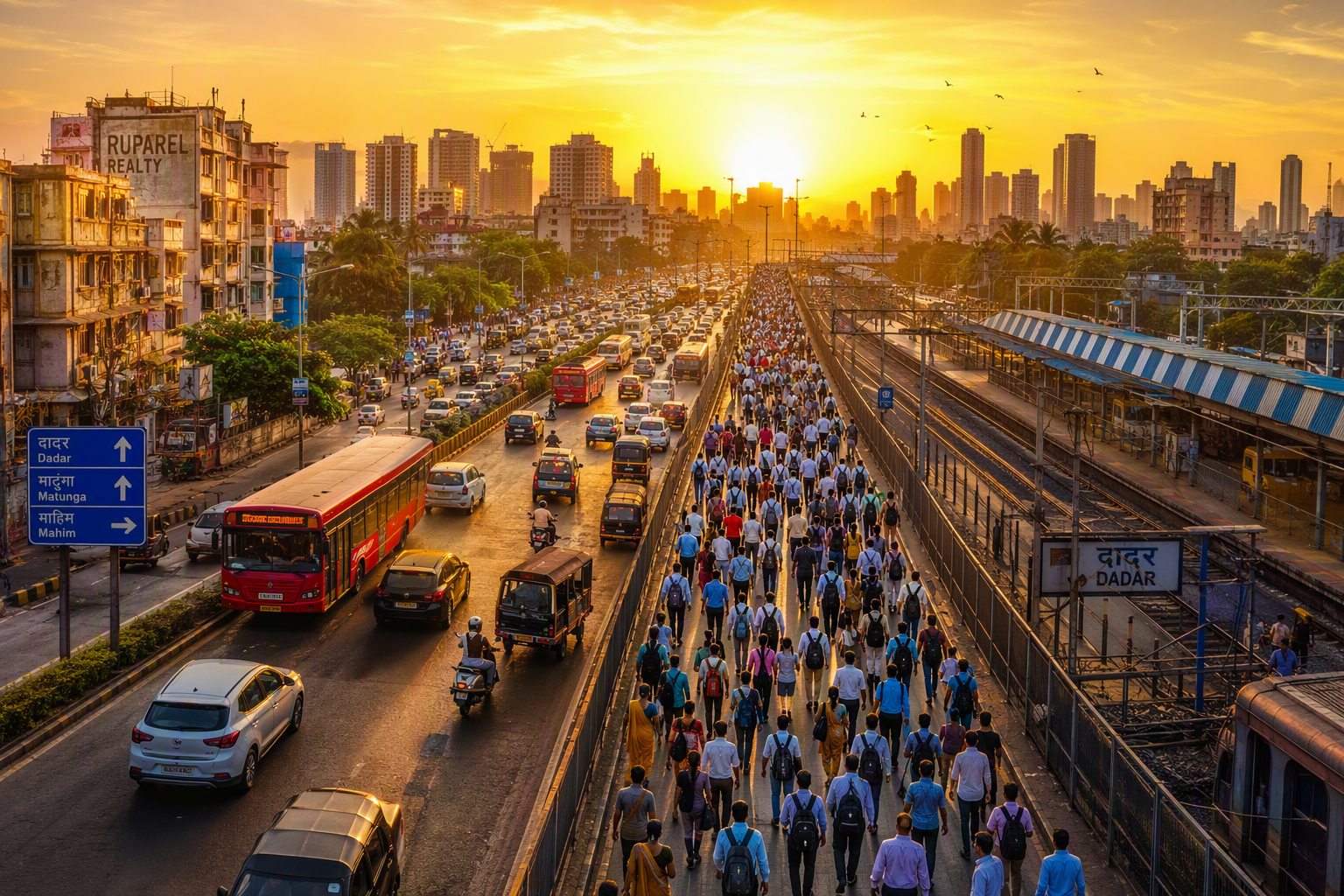
Many workers in India face a tough daily commute. There is heavy traffic, long travel time, and crowded public transport. Even when the average commute seems easy, delays can make it worse than what most people expect.
The unpredictability of traffic can lower life satisfaction and job satisfaction. Longer commutes make it less likely for people to do active commuting during the day, so there is less movement. Before we look at how this can affect health, it is good to understand the common patterns that workers face.
Common Types and Lengths of Commutes Faced by Workers
Many workers get to their jobs by car, bus, train, metro, two-wheeler, bicycle, or by using more than one of these ways. A short trip to work is often fine for most people. But longer commute times can slowly cause tiredness, stress, and less time for you to exercise or rest. This is when most health problems often start.
Here is a simple text table that shows how commute time can change based on travel pattern:
| Commute type | Usual travel time pattern |
|---|---|
| Walking or cycling nearby | Short travel time with more movement |
| Bus or train with transfers | Moderate to long commute time depending on delays |
| Car in city traffic | Often longer commute times because roads are congested |
| Two-wheeler in busy areas | Faster at times, but still stressful in traffic |
| Mixed public transport | Travel time can vary a lot across the week |
When the average commute gets longer, people often sit more and wait a lot. They may feel stress because they do not know what will happen next. This can make stress levels go up. It can also lower physical activity. Over time, people may sleep badly. Their mood can change and they might get higher blood pressure.
Urban Versus Rural Commuting Experiences
Urban commuting usually means roads are full, public transit is packed, and there is a lot of noise. At the same time, there are always some delays. A long commute can happen even when the distance is not that big. This is because traffic does not move fast and the timing can change anytime. All this leads to commute stress before the workday starts.
In country areas, the roads do not have as many cars and trucks. But the places people need to go can be far from every other place. Public transit is not always easy to find, so people may have to drive their own cars or share rides with other people. This makes it harder to change their trips each day when their time table changes.
The quality of life impact is not the same for everyone, but both places can be tiring. People who work in a city may feel more stop-and-go pressure. People who work in the country may lose more time because of long distances. No matter where you are, less active travel and more time driving can use up your energy, take away flexibility, and cut into your personal time.
Health Risks Associated with Long Daily Commutes
A long daily trip can cause many health risks at the same time. The main ones are higher stress levels, less physical activity, and a more sedentary lifestyle. Sitting for a long time can also give you higher blood pressure. When your travel time is long, you may not sleep as well and have less time to get back on your feet.
Commute stress can feel even worse when the roads are full or when public transportation is delayed. These feelings build up over time, not right away. The next parts will show how stress and moving less can change your health.
Increased Stress and Elevated Cortisol Levels
Your morning commute can put a lot of stress on your body before you even get to work. Dealing with heavy traffic, running late, or missing your connection can set off your nervous system. This makes your body release stress hormones like cortisol. If this happens often, the short stress you feel may grow into chronic stress over time.
That strain, when it keeps happening, can change the way you feel or think during the day. A lot of people feel worn out, get grumpy, or feel tired in their minds even before they get to work.
- Stress levels can go up when travel does not feel sure or easy.
- There are times when delays happen over and over. When that happens, the body can keep making cortisol.
- Chronic stress can change your mood. It can also hurt your focus and sleep.
- A tense morning commute can change how the rest of the day goes.
Over time, this can be bad for your mental health and how you feel in general. It is not only about getting upset when you are stuck in traffic. It is also about your body staying on alert too many times.
Sedentary Lifestyles and Reduced Physical Activity
Long travel often means you sit for a long time. You may drive, or sit on a bus or train. That stillness adds to being inactive. Even if you want to exercise later, commute time can use up the time and energy you need for that.
This is important because moving helps with your body health and how you feel. When people stop active commuting, their daily activities become less active. The research in the information shows that when your commute is longer, you do not get as much physical activity, you feel less fit, and your body mass index can be higher.
- Walking less can make your total physical activity drop.
- If you sit more, you may feel more tired at the end of the day.
- When you move less, it can take away from your happiness and wellbeing.
A long commute takes up your time. It can also push out simple things you do each day to feel good, strong, and happy. These healthy habits help you feel more balanced. A long commute may stop you from doing them.
Impact on Mental Health and Emotional Wellbeing
The link between commuting and mental health is clear. Long trips can raise your stress levels. They can also bring mood changes and lower life satisfaction. Over time, some people may feel depressive symptoms. This is more common when the travel is tiring and feels the same each day.
A change in quality of life can come from losing time, not sleeping well, and always feeling the need to be there on time. To know more about this, you need to look at how these things make people feel.
Anxiety, Depression, and Mood Changes
A hard trip to work can make you feel stressed before your day even begins. You might feel afraid to be late, miss something important, or sit in traffic again and again. When you feel this way often, it can be part of your daily life. That is why long rides to work are a big reason people feel poorer mental health. A tough commute can hurt your mental health over time.
The compiled information also says there is a social part to this. People who have very long commutes often do not make trips for social reasons. When they spend less time with their friends or family, they can feel lonely. This feeling of loneliness can lead to a higher risk of depression.
Mood changes can be seen in small ways too. You may feel more impatient, feel tired in your mind, or feel less happy by the end of the day. When chronic stress keeps building, these mental health problems can start to change your work, your relationships, and also your sense of control.
Effects on Overall Happiness and Life Satisfaction
Happiness has a lot to do with how much control and free time you have. A daily commute that is hard can take both away from you. When you spend much of your day traveling, the commute’s effect does not just stop at getting from one place to another. It can change the way your whole day goes.
That shift can change your quality of life in real ways. You may have less time to work out, spend on hobbies, eat with family, or just rest. The job might feel good, but long travel can make the day feel out of balance.
- If you have less free time, it can lower life satisfaction.
- When you miss social plans, it can hurt your happiness.
- Travel each day can be hard and make the quality of life not as good.
Yes, a long commute can change how happy you feel every day. It is not just about how far you travel. The main thing is what you lose with the time spent going to and from work in your life.
Physical Health Consequences Linked to Long Commutes
Long trips can put a lot of pressure on your physical health. They are linked to weight gain and can increase your body mass index. This can raise your risk of obesity. Long travel can hurt cardiovascular health too, especially when you feel stress and do not move much for some time.
A long morning commute can make you feel more tired. It can also lead to pain in your muscles and joints because you sit for a long time. These things matter a lot, especially if you have health conditions. Next, we will talk about pain, tiredness, and the risk of getting a long-term disease.
Back Pain, Musculoskeletal Disorders, and Fatigue
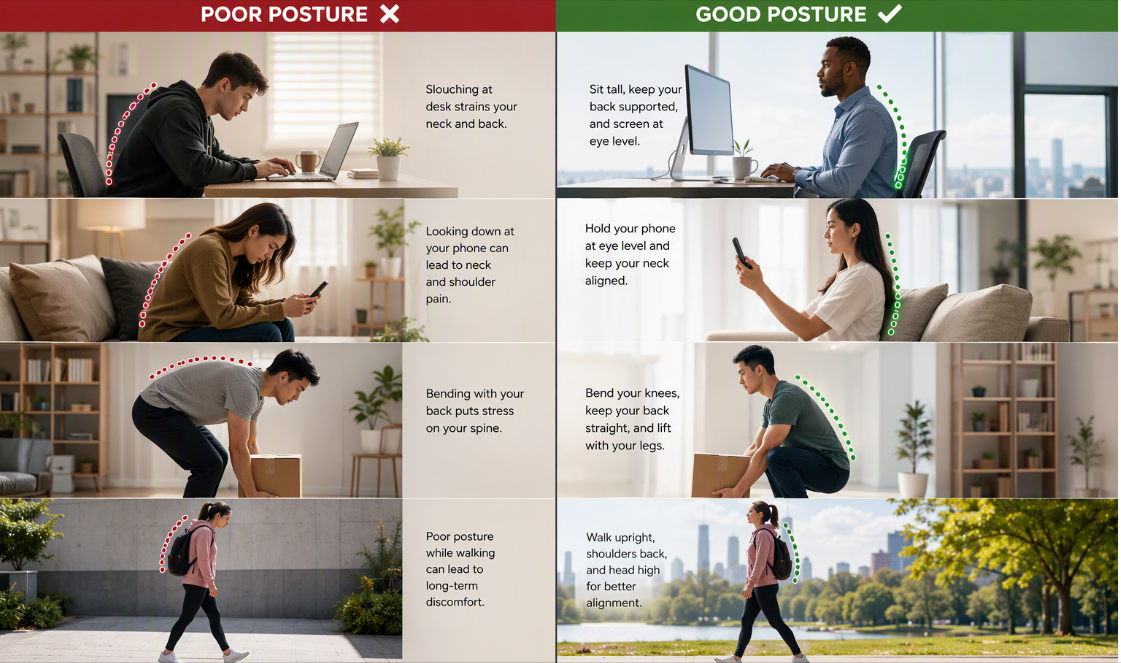
Sitting in one spot during a long commute can make your body feel sore and worn out. If you drive or sit on the way, being in the same position can cause back pain, a tight neck, sore shoulders, and tiredness. When commute time goes up, the strain in your body can grow.
This is one reason people often talk about musculoskeletal disorders when they speak about physical health and commuting. Sitting too much can do more than just change your weight or how fit you feel. It can also affect how your muscles and joints feel each day.
- Sitting for long periods can cause back pain.
- Staying in one position may lead to pain in your muscles or joints.
- Traveling every day can make you feel tired even before the workday finishes.
If you sit for much of your workday, your drive or ride to work can add more physical stress. This can make it harder for you to feel better by the end of the day.
Weight Gain and Increased Risk for Chronic Diseases
Long travel times to work can affect body weight. They can take away time you need for physical activity and healthy habits. The data shows that longer commutes link to less fitness and a higher chance to be obese.
It shows that if you travel 20 miles to work each day and come back, you may have higher blood pressure. If your drive is 30 miles round trip, you may have a bigger waistline that is not good for health. Both of these things matter a lot. They can lead to heart disease, higher blood pressure, stroke, or diabetes mellitus.
- You may get weight gain if you move less.
- The risk of obesity goes up if you do not stay active for long.
- Higher blood pressure can make the risk of long-term diseases go up.
A long commute can have an effect on physical health. Some changes you feel and others you do not see right away. These changes usually happen over time, so it is easy to not notice them.
How Commutes Affect Social and Family Life
The way people travel every day does more than just affect health. It also changes how much personal time you get. You may have less time for the people and things that are important. When travel takes up your day, you will have less time with family and friends. This can lower life satisfaction and make quality of life go down.
Your work mode is important too. If you need to travel every day, it can feel stressful. A lot of people use electronic devices during travel time. This helps pass the time, but it does not feel the same as real connection. The next sections look at those social effects.
Reduced Time for Personal Relationships
One of the most obvious costs of a long daily commute is having less time for people in your life. When you go early in the day and come back late, you just have less chance to eat together, visit, or talk. Losing this personal time can slowly hurt your social habits.
The collected information shows that people who travel for more than 90 minutes to get to work are much less likely to go out for social reasons. This can lead to social isolation and make it hard for them to stay close with friends.
- Less time can mean families spend less time together.
- A long trip can make you see your friends less often.
- Social isolation can hurt how you feel.
Commuting time can change the quality of life for workers. It is not just about the travel. The time spent on the commute means there is less time for other things in the day.
Challenges Maintaining Work-Life Balance
Work-life balance gets tough when you have a long and tiring daily commute. You might plan to get home at a certain time, but delays can mess that up. The unpredictability of traffic makes it hard for people to keep good habits, like getting enough rest, being with family, or having time for exercise.
Longer commute times can make it hard to keep work and home life separate. When you get home, you might feel too tired to do anything except simple things. This can make job satisfaction go down, even if you feel the work means a lot.
Over time, this can change the quality of life bit by bit. Workers may feel that travel takes over the day more than they do. If that keeps going, stress can go up and what matters most to them gets left out.
Influence of Transportation Modes on Health
The way you travel can affect your health outcomes. People who travel by car often feel higher stress levels because they have to deal with traffic. On the other hand, public transportation like the bus or train can help lower the driving strain. But, busy crowds or delays can also make people feel tired.
A two-wheeler can help you get to a place faster in some areas. Active travel adds movement to your day. The amount of air pollution you are around can change, depending on where you go and which way you take. Let’s take a closer look at both ways to travel.
Differences in Health Impact: Car, Train, Bus, and Two-Wheeler
Yes, there can be a difference in how your health is impacted depending on whether you travel by car, train, bus, or something else. Car commuters often feel more stress, especially when there is heavy traffic and when you feel pressure to get somewhere on time. Being stuck and exposed to all that congestion can make the ride feel more tiring.
Public transit can help you feel less tired from driving. But it still has things like standing, being in crowds, waiting, and sometimes running late. On the good side, many people who use public transit have to walk as part of the trip. This helps people move more. Two-wheelers can help you cut down your travel time in traffic. Still, riding them can be hard on the mind and body.
- Car commuters can feel more stress from traffic.
- Public transit can help lower the pressure from driving.
- Active travel helps people move more and can lead to better health outcomes.
- Riding a two-wheeler can save time but may still feel stressful.
The best choice usually depends on the way you want to go, if it is safe, and how much control or action you want during the ride.
Exposure to Pollution and Community Factors
Air pollution is often not thought about much when we travel every day. The time that people spend in traffic can make them breathe in more bad particles and gases. This happens more when roads are crowded. This is important for public health as being around air pollution again and again can hurt your breathing and your heart as time goes by.
The gathered info gives one clear tip for drivers. Keep car windows up and use the recirculate button. This can help limit how much pollution you get in heavy traffic. Things in the community make a difference too, like how bad the congestion is and how often people are stuck close to exhaust.
Electronic devices can help people feel like they get more done when they travel. But the devices will not cut down on pollution or take the place of sleep. It is important to pick the right route and travel mode, but the place around you matters the most. These things shape comfort, health, and the quality of life in ways that many people do not notice.
Who Is Most Vulnerable to the Health Effects of Long Commutes
Not all people feel the same way about commuting. Some people have more increased risk because of things like their health, travel needs, or busy days. If you have a chronic health condition like diabetes mellitus, high blood pressure, or high cholesterol, long and stressful trips can affect you more.
Demographics and how much money people make can also be important, especially when workers do not have many choices about their route, what time they travel, or how they get to work. The next parts talk more about who is more at risk, including if someone goes to work alone or with other people.
Demographics at Greater Risk (Gender, Age, Socioeconomic Status)
Some people feel the health risks from long trips to work more because they do not have many choices. Things like age and gender can change how safe or comfortable they feel and how much energy they have while traveling. How much money or what status someone has can decide if they live close to work. It also affects if they pick a route that is less hard for them.
The data shows that there is one group who faces more risk. These are people who already have health conditions, like high blood pressure, diabetes mellitus, or high cholesterol. Daily travel stress can make it hard for them to manage their health.
- Older adults may take more time to get over feeling tired from travel.
- People with less money may have fewer ways to get around.
- People who already have health problems are at bigger risk.
The key thing to know is this. You are more likely to feel vulnerable when you travel far, and you do not have enough money, less choices, or health problems that stay with you.
Effects Based on Commuting Alone Versus in Groups
Commuting alone can feel easy and nice. But it may lead to social isolation, more so if the trip takes a long time. If you spend much of the day alone in traffic or sitting quietly in transit, that can make you feel more cut off as time goes by.
Commuting with others does not take away delays or tiredness. But when people travel together, it can help some feel less stressed. Talking to someone or just being with a friend can make the trip feel easier. This can add to life satisfaction in small but real ways.
The health outcomes you see here are mostly not direct. The information put together shows that long commutes are tied to people spending less time with others. It can also lead to feeling alone. This means if you go to work by yourself, it may feel harder for you in an emotional way. If you travel with other people, it can help you feel a bit less cut off or down.
Conclusion
In the end, long daily drives can hurt your physical health, mental health, and how you feel each day. A tough commute brings stress and makes you sit still for a long time. This can take away time that you could spend with people you care about. These effects may make your health worse.
It is important to know what these things do to you and see what you can change. You may want to switch how you travel or work on your time plans. Put your health first. Think about ways to lower commute stress and make your quality of life better.
If you want tips to help you deal with commute stress in your life, feel free to ask for a free plan for your needs!
Can switching transportation modes improve wellbeing?
Yes, it can. Moving from stressful driving to public transportation may help some people feel less pressure. You can also add active travel to your day, which helps you move more. The best choice will depend on your route and your schedule. A better fit can make your quality of life better, support good health outcomes, and lower your commute’s effect on your day.
Are there effective ways to reduce the negative effects of long commutes?
Yes. You can make commute time feel shorter by adding physical activity to your day. Try to use active commuting for part of your route. Choose public transit if it helps lower stress. Bring healthy food with you. Be sure to get good sleep. Use calming audio or breathing exercises to help with stress.
What are signs that my daily commute is impacting my health?
You might feel tense before you need to go out. Your stress levels can go up during your daily commute. You could get headaches, feel tired, not sleep well, feel changes in your mood, and feel your physical health get worse. If your daily commute makes you feel too tired to get exercise, spend time with family, or focus at work, then your commute stress may be causing some health problems.