
Key Highlights
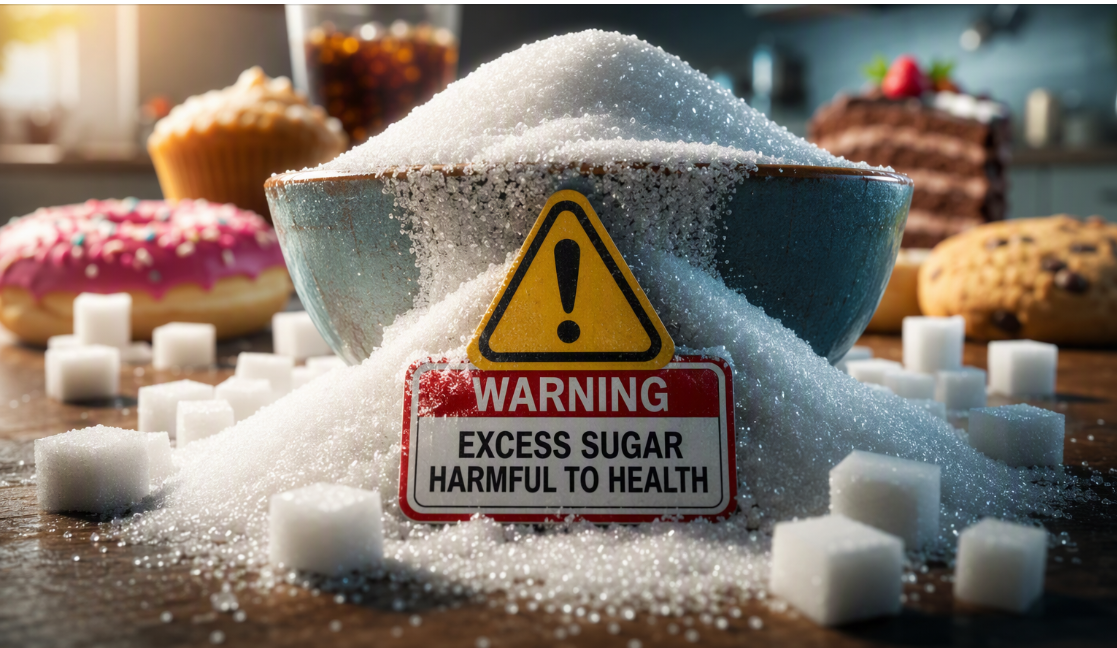
- Added sugar can make you gain weight. It also raises the risk of heart disease and causes other health effects.
- A lot of sugar intake can mess with metabolic health. It makes blood sugar go up and leads to insulin resistance.
- Sugary drinks, snacks from packages, and desserts often break dietary guidelines. They give you more sugar but not much nutrition.
- When you eat excess sugar, it can hurt your teeth, your liver, your mood, and your energy levels during the day.
- Reading labels helps you find hidden sugars, like corn syrup and high fructose corn syrup.
- When you cut back on sugar, it helps you feel steady in energy, build better habits, and get good health outcomes in the long run.
Table of Contents
Introduction
Sugar is found in most foods that you eat every day. A lot of sugar can lead to health problems that may not be easy to notice at first. High sugar intake can make you gain weight. It can make your blood sugar jump up and down. This can also raise the chance of other chronic diseases as time goes on. This does not mean that every sweet thing you eat is bad for you on its own. The problem comes when you have too much sugar often, mostly from processed foods and drinks. Learning about where sugar is in your food and how it changes your body will help you make better choices every day.
Understanding Sugar and Its Different Types
There are many types of sugar in the foods and drinks you have. The main dietary sugars are glucose, fructose, and table sugar, which is also called sucrose. These sugars can be found naturally in food or be added when food is made or prepared.
You may see sweeteners, such as corn syrup and high fructose corn syrup, in packaged foods and soft drinks. These are often used because they mix well in drinks, sauces, cereals, and snacks. If you know the types of sugar, you can see which products may have large amounts in your daily food.
Natural vs. Added Sugars
Natural sugars are in foods like fruit and milk. These foods have other nutrients, too. That is why whole foods are not looked at in the same way as foods with a lot of added sugar. When sugar is part of a food’s natural structure, there is more nutritional value.
Added sugar is not the same as natural sugar. Food companies or people add it when making, cooking, or eating food. The added sugar is in many foods. You will find it in sweets, sauces, cereals, flavored yogurt, and drinks. Even fruit juice can have a lot of added sugar, because it gives sugar all at once.
That difference is important. In the United States, people often have added sugar from quick foods and drinks. Too much sugar can lead to weight gain. It can cause problems with blood sugar. You may also have a higher risk of heart disease. Too much sugar can lead to fatty liver disease. It is bad for your teeth and may raise your risk of chronic conditions.
Common Sources of Sugar in the Indian Diet
Sugar is not just in sweets that you can see. A lot of foods you eat every day have dietary sugars, especially if they come in a package or are made outside the home. Drinks and desserts are big sources of sugar. But there are hidden sugars in foods you might not know about.
In India, you will find that some foods and drinks have hidden or extra sugar. Many people may eat or drink these often without knowing how much sugar is in them.
- There are many packaged fruit juice and sweetened drinks that people buy in stores.
- A lot of us like soft drinks and flavored drinks.
- Some dairy desserts, like sweetened yogurt and ice cream, are in this group too.
- There can be sweet breakfast foods, sauces, and many snack foods.
- Some processed starchy foods with extra flavors or sweeteners are on the list as well.
You need to watch sugary drinks most of all. These drinks have a lot of sugar and can add calories very fast. They do not help you feel full, so you may drink more without even knowing. This makes it easy to take in a lot of sugar without seeing the problem.
How Sugar Is Metabolized in the Human Body
When you eat sugar, your body turns it into blood glucose. This causes your blood sugar to go up. Then, your pancreas sends out insulin. Insulin moves glucose into cells. The cells use it for energy.
At first, this can make your energy levels go up. But foods that have a lot of sugar and not much fiber, protein, or fat often make your energy jump fast and then fall. That change can make you feel tired and hungry. You may end up wanting another sweet snack soon after.
Eating too much sugar over a long time can make it hard for your body to deal with sugar. If blood sugar stays high again and again, your body may not react well to insulin. This is called insulin resistance. It is the main way sugar hurts the body and can lead to health problems later.
Recommended Sugar Intake and Guidelines
Most health advice does not say you need to take out all sugar from your meals. The main thing is to keep your sugar intake in check. It’s important to watch how much added sugar is in packaged foods and drinks. This matters for your own health and also for public health.
Dietary guidelines say that added sugars should be less than 10% of your daily calories. This guideline can help people cut down on weight gain and keep their blood sugar steady. It also helps lower long-term health risks. To follow these limits, you have to read food labels and know the official advice.
WHO and Indian Council of Medical Research Recommendations
If you want to know what the daily limit for added sugar is, here is what you should know. Most health experts say it should be kept low. The world health organization says to lower free sugars. Many dietary guidelines say you should have less than 10% of your daily calories from added sugar.
For adults who eat about 2,000 calories a day, you should try not to go over 50 grams of sugar that is added to food. Some experts say men should use only 36 grams of sugar a day. for women, it is 25 grams. These daily limits can help you keep your grams of sugar low.
| Guideline Source | Recommendation |
|---|---|
| World Health Organization | Limit free sugars as much as possible within a healthy diet |
| General dietary guidelines | Keep added sugar below 10% of daily calories |
| 2,000-calorie example | Under about 50 grams of sugar per day from added sources |
| Common daily cap example | About 36 grams for men and 25 grams for women |
Age-Specific Sugar Consumption Limits
Sugar is different for everyone. The right amount of sugar depends on how many calories you eat each day, what your eating habits are, and how old you are. That is why dietary guidelines talk about percentages and daily patterns, instead of giving the same number to all people.
For adults, the guide is to have up to 36 grams of added sugar a day if you are a man. For women, it is 25 grams a day of added sugar. These numbers show you how fast drinks with sugar, desserts, or snacks with flavor can put you over the limit.
For kids and young adults, eating less sugar is good. Habits start early, so what you do now matters in the long run. If you drink a lot of sugary drinks and eat processed snacks, you may face health problems later. The key is to keep the amount of sugar low at every age.
Reading Food Labels for Hidden Sugars
Food packaging can tell you much about what is inside. If you look at nutrition labels, you can see the total sugars listed. Many products also show added sugar on its own line. This helps people spot foods that look healthy but really have lots of sweetness.
Ingredient lists matter too. Sugar can be called by different names. You need to look past the front of the pack. Some products with hidden sugar are sauces, breakfast cereals, snack bars, flavored dairy items, and drinks.
Check these label details:
- Check added sugar against the total sugars.
- Look for corn syrup and high fructose corn syrup.
- Pay attention to the serving size before looking at the grams.
- Read sauces, spreads, and drinks closely.
This habit lets you spot hidden sugar in what you eat. It stops sugar from being a regular thing in your day.
Signs of Excessive Sugar Consumption
Your body can tell you when the consumption of sugar is too much. You may feel changes in your energy, mood, appetite, skin, and mouth health. One sign on its own may not mean much, but if you see these things happen again and again, it is good to notice them.
Eating too much sugar can change blood sugar levels. This can start a series of health effects that get worse as time goes by. You may not notice the long-term harm right now. There are several symptoms that show up every day. These signs can tell you when there may be a problem with blood sugar. In the next parts, you will read about what these warnings look like.
Physical Symptoms to Watch Out For
One way to know if you eat too much sugar is to watch for changes in your body. If you eat a lot of sugar, your blood sugar and blood glucose can go up and down fast. This may make you feel not so good during the day.
Some symptoms feel normal, so you may not notice them at first. But if these signs keep showing up, it can hint at health problems. When you often feel changes in hunger, weight, or feel comfort drop day by day, it could mean your sugar intake needs to be checked.
Watch for patterns like:
- You may feel energy for a short time and then feel tired after.
- You might feel more hungry again soon after you eat.
- You could see weight gain, mostly on the stomach.
- You may get more cravings for sweet foods.
These signs do not on their own show the risk of diabetes. But they can say that the way you eat is putting your body under too much stress.
Behavioral and Mood Changes
Sugar does not only change the way your body looks. It can also change how you feel and act. If you eat a lot of sugar, you might feel moody, or get upset easily. It can be hard to feel steady all day, because sugar intake makes your body go up and down.
You can feel more awake right after you eat something sweet. But soon after, you may feel tired or lose focus again. These ups and downs in your energy levels can make it hard to work, study, or do house chores. This kind of pattern is often linked to high blood sugar swings.
If you feel like you always want something sweet, feel low on patience, feel tired all of a sudden, or feel down after eating sugary foods, your habits may be causing this. These signs should not be ignored. They can also come with trouble sleeping or trouble focusing.
Impact on Energy Levels and Daily Performance
A sugary snack might feel good when you want a fast boost. But this feeling does not stay for long. Foods with lots of sugar may make your energy levels go up fast. Then, when your blood sugar drops again, you feel tired.
This cycle can change the way you feel all day. You might feel good when you wake up. But as time goes by, your focus, patience, and energy might go down. If you feel this a lot, it could have an effect on your work, how you exercise, and how you deal with stress.
Having a strong sweet tooth can make you snack a lot. This can make things worse. Your body keeps going through ups and downs because of high blood sugar and feeling tired. If your energy does not feel steady most days, excess sugar may be behind it.
Effects on Metabolic Health
Metabolic health is all about how your body uses fuel, mainly glucose. If sugar intake stays high for a long time, the system may not work as well. It gets hard for the body to manage blood sugar and control hunger signals.
This is where insulin resistance matters. It is a big step on the way to the risk of type 2 diabetes and a higher risk of obesity. To see the harm clearly, it is good to look at insulin, diabetes, and body weight one at a time.
Sugar and Insulin Resistance
Eating too much sugar can be bad for you. It makes the blood sugar go up often. When this happens, insulin works to move the sugar into the cells. If it keeps happening, the cells may not respond well.
When the body stops responding well to insulin, this is called insulin resistance. At this time, the body needs more insulin to keep blood sugar steady. If you keep eating the same way, high blood sugar tends to happen.
This process is important because insulin resistance is linked to worse metabolic health. It does not take place all at once. A regular habit of eating foods and drinks with a lot of sugar can make it happen more often. Keeping added sugar low helps the system be more steady and work better.
Link Between Sugar and Type 2 Diabetes
Type 2 diabetes is not caused by just one food. But eating sugar often can raise the risk of diabetes. A lot of sugar intake can lead to weight gain. It can also add to body fat and cause insulin resistance. These things change blood sugar levels. The regular consumption of sugar makes the risk of diabetes higher.
Sugary drinks, like soft drinks, are a big problem. Many of them have corn syrup or high fructose corn syrup in them. You can get a lot of calories from these drinks fast. People who drink soft drinks often can get type 2 diabetes as time goes on.
Having one dessert will not cause diabetes. The real worry is when you eat a lot of sweets over and over. When blood sugar stays high many times, the body cannot keep blood sugar levels under control as well. This is why cutting back on sugary drinks is one of the best ways to help prevent this problem.
Role of Sugar in Weight Gain and Obesity
Yes, eating too much sugar can make you gain weight. This is true when you drink sugary drinks. These drinks have a lot of calories. They do not make you feel full. Because of that, you may get more energy intake than your body needs.
Drinks with a lot of fructose can make you feel hungry. This feeling can make you eat more. When you eat more often, it can cause your body to store extra fat. This fat builds up in different places, and one spot is around your stomach. The fat around your stomach, called visceral fat, is a problem. It is linked with a higher risk of health problems.
The risk of obesity can get worse if you eat too much sugar. Sugar is not the only thing that causes this, but it is part of the problem in many diets today. If you often get your calories from drinks, changing this habit can help a lot.
Sugar’s Impact on Heart Health
Too much sugar doesn’t just change blood sugar levels. It can also harm the heart and blood vessels as time goes on. That is why people talk about sugar intake as a cardiovascular risk and not only as a weight problem.
Researchers say that eating too much sugar can lead to heart disease in many ways. A sugary diet can raise blood pressure, cause unhealthy blood fats, and lead to inflammation and obesity. All of this can increase the risk of cardiovascular diseases. So, what you eat every day has a big impact on your heart health, even if you may not always think about it.
Contributing to High Blood Pressure
Sugar consumption affects the heart, mainly because it can cause high blood pressure. Eating a lot of sugary foods or drinks may change the way your heart works, and that increase stress in the body. This happens more often when people gain weight and have inflammation.
Taking in too much added sugar can make you eat more calories. This can upset your body’s balance. If you eat a lot of added sugar for a long time, it may cause your blood pressure to go up. This can increase your chance of heart problems. These changes usually happen slowly, so many people may not notice them.
You might not feel when your blood pressure goes up over time, but it can matter later on. If you often have sweet drinks, desserts, and processed foods, your blood pressure numbers can get worse. Cutting down on these foods is a simple way to help your heart stay healthy.
Increased Risk of Cardiovascular Diseases
Eating too much sugar can lead to a higher risk of heart disease. Heart disease is a big concern for people all over the world. Sugar intake can be a risk factor because it may cause obesity, swelling in the body, high triglycerides, and problems with blood sugar control. These problems can increase your chance of cardiovascular diseases.
Sugary drinks are a big part of this talk. People who have these drinks a lot might get more heart problems and stroke. So, having too much sugar is not only something that affects one person. It is also something that matters for public health.
The main thing to know is sugar does not act by itself. It puts stress on many parts of the body at the same time. When these stresses add up, there is more weight on your heart. Cutting back on sugary drinks is a clear step you can take to make this weight lighter.
Relationship Between Sugar Intake and Cholesterol Levels
Sugar intake can make cholesterol go up. Eating a lot of sugar has to do with higher triglycerides. These are fats in the blood that can be bad for the heart. This shows how sweets are connected to heart problems.
When you eat a lot of sugar often, your body can start to keep more fat. It also may not use energy as well. This can change the fats in your blood. Because of this, health problems that are connected to the heart are more likely to happen when you have high amounts of sugar.
This is why sugar is not only about the calories. It can change a few things at once. These things include blood pressure, body weight, and cholesterol levels. If you want to keep your heart safe, it is a good idea to watch your sugar in foods and drinks.
Dental and Oral Health Risks
Sugar can harm your teeth. The bacteria in your mouth eat sugar. They make acids after breaking it down. These acids take off the tooth’s outside cover, called enamel. So, sugar intake is a risk factor for damage to teeth.
The result can be tooth decay, cavities, and gum irritation, especially if you often eat sugary snacks or drink sweet drinks. Some health effects may happen slowly, but changes in your teeth can show up faster. Knowing about these risks can help you keep your teeth and gums safe.
Tooth Decay and Cavities
One of the top health concerns from eating much sugar or too much sugar is tooth decay. If sugar stays on the teeth, bacteria in the mouth feed on it. They then make acids. These acids wear down your enamel. Enamel is the hard coat that keeps your teeth safe.
As the enamel gets weak, cavities can start to form more easily. A high sugar intake makes this happen more often. Eating sweet foods or drinking sugary drinks many times a day can be bad for your teeth. If you sip a sugary drink slowly, it can be extra tough on your oral health.
This is why dental experts talk about how often you eat sugar, not just how much. If you keep giving your mouth sugar, the bacteria will make more acid and that can hurt your teeth. If you want fewer cavities, try to eat and drink less sugar. This is a good way to start.
Sugar and Gum Disease
Sugar can do more than hurt the teeth. It can make gum disease worse as it feeds bad bacteria and makes the tissue around the teeth feel sore. If you eat sweet foods often, your mouth can lose health in more than one way.
There is also a bigger connection with chronic inflammation. Eating diets with a lot of added sugar can lead to inflammation in the body. This can also change how the gums feel and look. Gums that are irritated may bleed more often and feel sore after some time.
So, what are the main health risks linked to much sugar and too much sugar here? It is not just about cavities. You may get swollen gums, extra plaque that builds up on teeth, and more chances of gum issues that stick around. What you do each day matters a lot to stop these problems.
Tips for Protecting Oral Health
Taking care of your mouth begins with cutting down how often sugar reaches your teeth. If you eat or drink things with sugar less often, the bacteria in your mouth get less to make acids. This helps keep your teeth healthier in the long run.
You can use easy habits every day to spot and manage excess sugar. If you get cravings often, see plaque, or get cavities again and again, you may want to check your sugar intake. Then compare it with the dietary guidelines.
Helpful steps include:
- Cut back on sugary drinks between meals.
- Pick whole foods more often than sticky sweets.
- Read labels to check for added sugar in packaged foods.
- Look out for repeated cavities or gum irritation.
- Keep sweet foods as an occasional treat, not something you have all the time.
Association with Other Chronic Diseases
Excess sugar is not just linked to weight problems and dental troubles. It also connects to several chronic diseases. These diseases can hurt big organs in the body. They may change how people feel about their lives over time. The links between excess sugar and chronic diseases are important, because problems can grow slowly and might not show any early signs.
Among the chronic conditions linked to sugar intake are liver disease, fatty liver disease, kidney issues, and some cancers. Sugar is not the only thing that leads to these, but it does play a big part. When you look at each problem, it helps you see the full picture of how sugar can affect your health.
Liver Disease and Sugar Consumption
Fatty liver disease is one illness which people see a lot with high sugar consumption. The connection is stronger with fructose. The liver treats fructose in a way that’s not like other nutrients. If there is too much sugar in the body, the liver changes this excess sugar into fat.
That fat can add up in your body as time goes on. This may be a risk for liver disease. Sugary drinks are a big worry. A lot of fructose in these drinks goes straight to the liver. If you have these drinks every day, you could face a much higher chance of fatty liver disease.
This problem comes up a lot in public health. Sweet drinks are popular, and people think it is fine to have them. If you want to look after your liver, it is good to cut back on excess sugar in what you drink. This is one of the easiest ways to make things better for yourself.
Sugar’s Link to Certain Cancers
Some research shows that taking in a lot of sugar may be linked to some cancers. But the link is not simple. A diet that is high in sugar can lead to weight gain and also cause the body to have trouble using insulin. Both of these can raise the chance of getting cancer.
A systematic review looked at long-term studies and found that eating or drinking more added sugars and sugary drinks could make cancer risk go up in several groups. Chronic inflammation may be a reason for this, because when you have a diet full of sugar it can cause the body to stay inflamed.
Sugar does not always lead to every case of cancer. But it can set up things in the body that help disease grow. That is why cutting back on sugary drinks and foods with lots of sugar is part of a long-term plan to keep yourself healthy.
Effects on Kidney Health
Kidney health can get worse when sugar intake stays high for a long time. When blood sugar goes up again and again, it may hurt the small blood vessels in the kidneys. This makes it hard for them to filter waste the right way.
Fructose can cause levels of urate to go up. Higher urate is linked with kidney disease. High sugar intake is seen as a risk factor for this problem. It gets worse if a person also has chronic diseases like obesity or diabetes.
You may not see signs of kidney problems at first. That is why prevention is important. When you drink less sugary drinks and eat fewer processed foods, you help take stress off your kidneys. The food you pick each day makes a big impact as time goes on.
Sugar’s Influence on Brain Health
Sugar can affect the brain in more than just making you feel hungry for it. A lot of sugar in the diet has been tied to problems with memory. It can also change your mood. People may show signs that seem like habits just for rewards. Because of this, sugar is often talked about when people discuss how the brain works and feel, think, or act.
These effects do not mean that all sweet food is bad for the brain. The main thing to worry about is eating a lot of sugar, again and again, over the years. To understand it well, it is good to look at thinking, feelings, and if sugar can make you want it all the time–separately.
Sugar and Cognitive Function
Scientific evidence shows that eating a lot of dietary sugars over time may hurt how the brain works. A high-sugar diet can lead to memory problems. It may also increase the risk of losing brain skills as we get older. That is why brain health matters when talking about dietary sugars.
The research base has both observational studies and some clinical trials in related areas. The full picture is still coming together. One thing that stays the same is that repeated blood sugar swings and poor metabolic health can put stress on the body. This stress can include the brain.
When you cut down on sugar in your diet, you may feel more focused. There will be less sudden drops in energy. Not everyone gets the same results, but eating less sweet food helps your day feel more balanced. It can also help you stick to a better routine.
Connection to Mood Disorders and Depression
A diet that has a lot of sugar can make mood problems and depression worse. This is true for many adults. It is possible that insulin resistance, inflammation, and changes in the brain’s feel-good signals all play a role. These things can affect how you feel and how stable your mood is over the year.
Some clinical trials and long-term studies give us the same message. A lot of sugar intake may make you feel more down, not better. This is important because many people eat sweets when they feel stress. The good feeling from sugar may not last long.
When you cut down on sugar, you might notice your mood stays steady during the day. You may not feel a big change at first. But having less ups and downs can help keep emotions calm and make you feel stronger all through the day.
The Risk of Developing Sugar Addiction
Many people say they have a sweet tooth. But for some, the need for sugar can feel stronger than just a simple like. Sometimes, sugar addiction is talked about as sweet foods can make people feel good. This feeling may lead us to want sugar again and again. It often feels like the habit is tough to stop.
Animal studies found that sugar can change reward behavior. This looks a lot like a habit you can’t control. In daily life, this may appear as strong cravings for sugar. Some people may eat too many sweets, or feel like they want sugar again soon after eating it. These cravings get worse after a high blood sugar crash.
What can happen when you cut back? At first, you may feel strong cravings. Over time, these cravings can get easier to handle. When you change your routine, and stop eating sweet foods all the time, your taste may change too. You might feel less like eating sugary foods. The urge for sweets can go down as the years go by.
Strategies for Reducing Sugar Intake
Cutting sugar intake does not take a perfect diet. You just need to start with small steps. These steps are easy to do again and again. They help you stay close to dietary guidelines. You will not feel like you are missing out. The goal is to make your daily choices easy and balanced.
You can do this by changing out sugary foods for other options. Try to read labels and notice when and why you grab sweets. Eating with care makes you slow down and stop any fast habits. The next part gives good ideas you can use right now.
Healthy Swaps for Common Sugary Foods
Healthy swaps can help cut sugar without making food feel dull. The best swaps are often easy and use whole foods or less processed things in place of very sweet stuff. This way, you can stay closer to dietary guidelines for a longer time.
You do not have to change all things right away. Begin with the foods and drinks that you have the most. Swapping out just one sugary item each day can do more to lower how much sugar you take in than you think.
Try these healthy swaps:
- Drink water or unsweetened seltzer, not soda or energy drinks.
- Eat plain yogurt with berries, not sweetened dairy products.
- Have whole fruit, not sweetened fruit smoothies or packaged fruit juice.
- Use rolled oats with nut butter, not sugary breakfast cereal.
- Choose natural nut butter, not chocolate spreads.
These changes can help you feel more steady energy. You may also have less cravings.
Practical Steps for Cutting Down Sugar
Cutting down works best when you change the things around you, so it is easier to manage. If you always see foods with high amounts of sugar close by, it will be much harder to say no. If you plan a little before, it can help a lot.
Start by seeing where you get most of your sugar intake. A lot of people get it from drinks, packaged snacks, and sweet foods eaten in the morning. One you know where the sugar comes from, you can make small goals each day. Also, check the labels and keep track of grams of sugar.
Useful steps include:
- Keep fewer sugary drinks at home.
- Prep simple meals instead of using packaged foods.
- Check labels before you buy snacks or sauces.
- Pair better eating habits with regular physical activity.
As you cut back, you may feel that your energy stays steady. You might snack less. It can also help you have better control over cravings.
Importance of Mindful Eating in Sugar Control
Mindful eating helps you see what you eat, why you want it, and how it makes you feel when you are done. This is important for sugar. Many times, you pick sweet foods because you feel stressed, want something easy, or just do it out of habit. It is often not real hunger.
When you slow down, you get to see patterns in how you eat sugar. You might find that you go for a sweet drink when you feel tired in the afternoon. Or you eat snacks without thinking while working. When you know what causes these habits, you can change the routine more easily.
This way of eating follows what dietary guidelines say you should do. It helps public health goals, too. People need to know about good habits before they change. Mindful eating shows you how to pick sweets on purpose. You will not just eat them without thinking. This gets better with time.
Conclusion
Overall, it is important to know how eating too much sugar can hurt your health. High sugar intake can lead to issues with your body’s metabolism, your heart, your brain, and your teeth. The risks from too much sugar are wide-ranging.
You can make things better by cutting down sugar consumption. Try to eat with care and pick better foods instead of sweet ones. This does more than help your body feel good. It can help you think well and feel better, too.
Make sure to start cutting sugar intake today. It will be good for your future. If you need more help or want advice made just for you, you can reach out at any time.