Key Highlights
- Good nutrition gives your body the things it needs to work well every day.
- A healthy diet means you get the right amount of macronutrients, micronutrients, and water.
- Nutrition facts and labels help you see what’s in foods and let you compare them.
- A food’s nutritional value comes from the different combination of nutrients in it.
- It is best to use reliable nutrition resources, like official health groups, to help you make better choices.
- Good daily habits help your immune system, help you heal, and help you stay well for a long time.
Table of Contents
Introduction
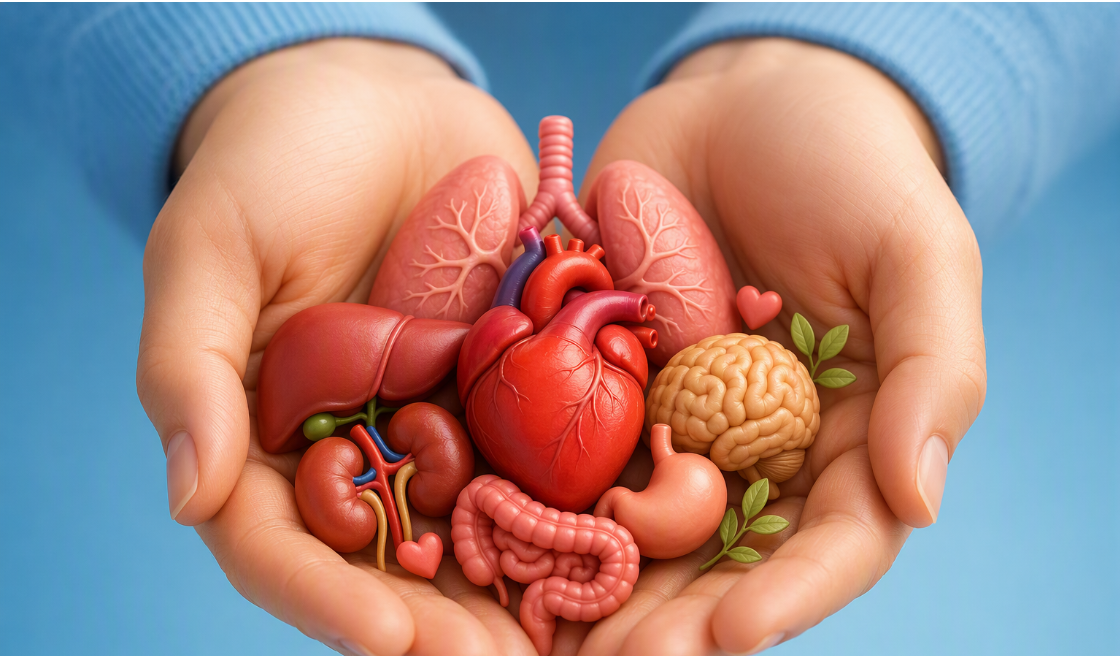
Nutrition is about what you give your body to help it work well every day. A balanced diet helps you get the right mix of nutrients for energy, growth, and body repair. It will also give your body support for simple things like moving, thinking, and staying healthy. That is why when you focus on nutrition and have a balanced diet, you may see health benefits. Good nutrition can help your body heal and may even lower your chance of some diseases. If you want to know what your body needs and how you can make better food choices, this guide is here to help you.
Nutrition Definition and Its Importance
Nutrition is about eating food and letting your body take in what it needs. The food breaks down into nutrients. These are things your body has to have to work the right way. In simple words, nutrition gives your body the energy to keep up with all its bodily functions each day.
The value of good nutrition is easy to see when you think about your health. A healthy eating routine and a balanced diet help your body feel better. They can support healing, mental health, and help with disease control, too. A good diet may cut down the risk of heart disease, stroke, and diabetes as well. To know more, it is good to look at what nutrition is and why it matters for all of us.
Understanding the Meaning of Nutrition
Nutrition is all about how your body takes in food and uses it. It is more than just eating enough or filling your plate. You have to get the right amount of an essential nutrient from what you eat. This helps your body work well and stay healthy.
Think of nutrients like the building blocks your body needs. These building blocks help with many bodily functions. They help your body make energy, fix tissue, carry oxygen, and help organs work well. If you do not get the right nutrients, your body may find it hard to do these tasks every day.
This is why what you eat can affect many health conditions. If you do not eat enough or your body cannot take in what it needs, you will miss key nutrients. This can lead to undernutrition, weakness, or missing needed things your body needs. Good nutrition gives your body a stronger base to help you feel good each day.
Why Nutrition Is Crucial for Overall Health
Good nutrition does more than just help with hunger. It helps your body feel better after being sick. It also helps your body fix cuts and other injuries. Good nutrition can even help with your mental health. These health benefits are important for all people. It does not matter if you feel good right now or if you are getting better after being sick. Good nutrition helps you in many ways.
Your immune system needs steady food to work well. If your body gets what it needs, it can heal better, fight infection, and help you do daily physical activity. Food may not fix every problem. But it does help your body handle stress and hard times.
There is a strong link between what we eat and how well we can control diseases. Getting proper nutrition may help lower the risk of heart disease, diabetes, and stroke. That is why having better food habits is one of the best ways you can help your health in the long run.
Types of Essential Nutrients
Your body needs six major classes of nutrients for it to work well. These important nutrients are made up of macronutrients, micronutrients, and water. Each type does its own job. No group can do all the work on its own.
Macronutrients give your body the energy it needs. They also help keep your body working. Micronutrients, like vitamins and minerals, support things inside your body. These nutrients help with your body’s metabolism and keep your tissues healthy. Water is also important. It helps move nutrients and oxygen through your body. The next parts will explain each of these nutrient groups in a simple way.
Macronutrients and Their Functions
Macronutrients are what your body needs in big amounts. They are important since they give energy and help build strong parts of the body. If you want to know how food helps you, you should start by learn about macronutrients.
These are the main macronutrients and what they do:
- Carbohydrates are the main source of energy for the body. This group includes sugars, starches, and dietary fiber.
- Fats, or lipids, help store energy. They also support digestion and include fatty acids.
- Proteins help build and fix tissue in the body. They are made from amino acids.
- All these nutrients work together to help with movement, organ function, and muscle repair.
In daily life, it is good to have a balance of macronutrients. You should not get too much of one or too little of another. The right mix will help keep your energy up. It can also help you feel strong for physical activity and keep your body working well over time.
Micronutrients and Their Roles in the Body
Micronutrients are vitamins and minerals. The body needs these in small amounts. Even though you need less of them than macronutrients, they are still important. Micronutrients help with things like growth, getting better after you feel sick, and keeping everything inside you working well. They help the body work, heal, and stay healthy. Even a small amount can make a big difference.
Some key micronutrients include:
- Vitamin C, vitamin D, vitamin E, and vitamin K each do different jobs in the body. They help your body’s defense system, keep your bones strong, protect your cells, and help blood clots form.
- B vitamins and folic acid help your body get energy from food. They also support your nervous system, your blood vessels, and your brain.
- Minerals like calcium, iron, magnesium, potassium, zinc, and iodine all work to keep your bones healthy, help make red blood cells, support your muscles, and help your thyroid work the right way.
When your body does not get micronutrients, it can face some problems. A lack of iron may make it hard for your red blood cells to work well. Also, not having enough vitamin d can mean your bones are not as healthy. Even though these are small nutrients, they do a big job for us.
Decoding the Nutrition Chart and Nutrition Facts Label
A nutrition chart or a packaged nutrition facts label tells you what is in your food. It shows the nutrients, the serving size, and how much energy or other things you get from the product. This can help you make shopping less hard and know what you are buying.
Labels are helpful, but only if you know what you are looking at. When you read nutrition labels, you can compare foods. This helps you fit them into your meals and makes sure you eat from all the main food groups.
The next two sections will show you how to read a nutrition chart. They will also tell you which parts of a label you should look at most.
How to Read a Nutrition Chart
When you read a nutrition chart, start with the basics. First, see the serving information. Next, check the listed nutrients. This lets you know what the numbers are about. The chart helps best when you compare foods side by side. It’s not as useful to look at only one item by itself.
Here is an easy text table to help you read nutrition facts:
| Section | What to check |
|---|---|
| Serving information | How much food the chart covers |
| Energy or calories | How much energy the serving provides |
| Macronutrients | Amounts of carbohydrates, fats, and proteins |
| Vitamins and minerals | Which micronutrients are included |
| Comparison use | How one packaged food differs from another |
If you want to be more sure, you can look at label details and compare them with advice from an official government organization on secure websites. Reliable public health sources use simple words to explain food terms. This makes reading labels easier for people in their day-to-day choices.
Understanding Key Sections on Packaged Nutrition Labels
Packaged nutrition labels show food details in sections so you can see the key things fast. When you know the way these labels look, nutrition facts feel simple to use. This helps when you pick one item over another. The goal here is not to always make perfect choices. You should just be aware of what you eat.
Pay closer attention to sections such as:
- The serving size, as the nutrition facts are shown for that amount.
- Daily values, which help you see how a nutrient works for your nutrient requirements.
- Saturated fat and other main nutrients, mainly when you look at similar foods.
- A dietary supplement or added product, since it may show nutrients in a different way than regular foods.
Reading labels like this can help you make better choices that fit healthy eating. You do not have to think too hard about every package. Look at the main numbers. Compare things that are alike. Use the labels as just one tool. A good eating plan includes other things too.
Determining Nutritional Value in Everyday Foods
Nutritional value means how much a food helps your body do what it needs to do. A food’s value comes from its different combination of nutrients, like those that give you energy, vitamins, minerals, and water. In other words, it is about what the food gives you, not only if it makes you feel full.
This is important since healthy foods help your body in many different ways. One food may give you more protein, while another might have more vitamins in it. Some foods give you a stronger mix of these things. To judge how good foods are for you, you need to know what “nutritional value” means and look at regular foods you already know.
What Is Meant by Nutritional Value?
Nutritional value shows how much a food helps your body. It tells the nutrients found in the food and how they help your body work well. Food with good nutrients gives more to you than food that just gives energy.
The idea also relates to what nutrient requirements are for you. Your body needs to get protein, fats, carbohydrates, vitamins, minerals, and water all the time. Foods that give you these things are often called high in nutritional value. This is even more true if the food gives you several good nutrients at the same time.
That does not mean you can get everything from one food. A balanced diet is important because different foods give your body different health benefits. When you look at the nutritional value, you can make meals that help each other. You should not think that one food will give you all you need.
Examples of Indian Foods with High Nutritional Value
When you think about healthy foods, it is good to start with what you already know. There are many foods people in India eat that can help you get good nutrition. It is important to eat a mix. You do not have to eat just one type of food all the time. Choose things that give your body what it needs to feel well. This way, you get healthy foods as part of all your meals.
Examples include:
- Brown rice can give you carbohydrates and dietary fiber.
- Dairy products bring in calcium and other helpful nutrients.
- Whole grains add energy and fiber to your meals.
- You can pair protein foods with vegetables to get more nutrients.
- Olive oil is a good source of fats when used in your food.
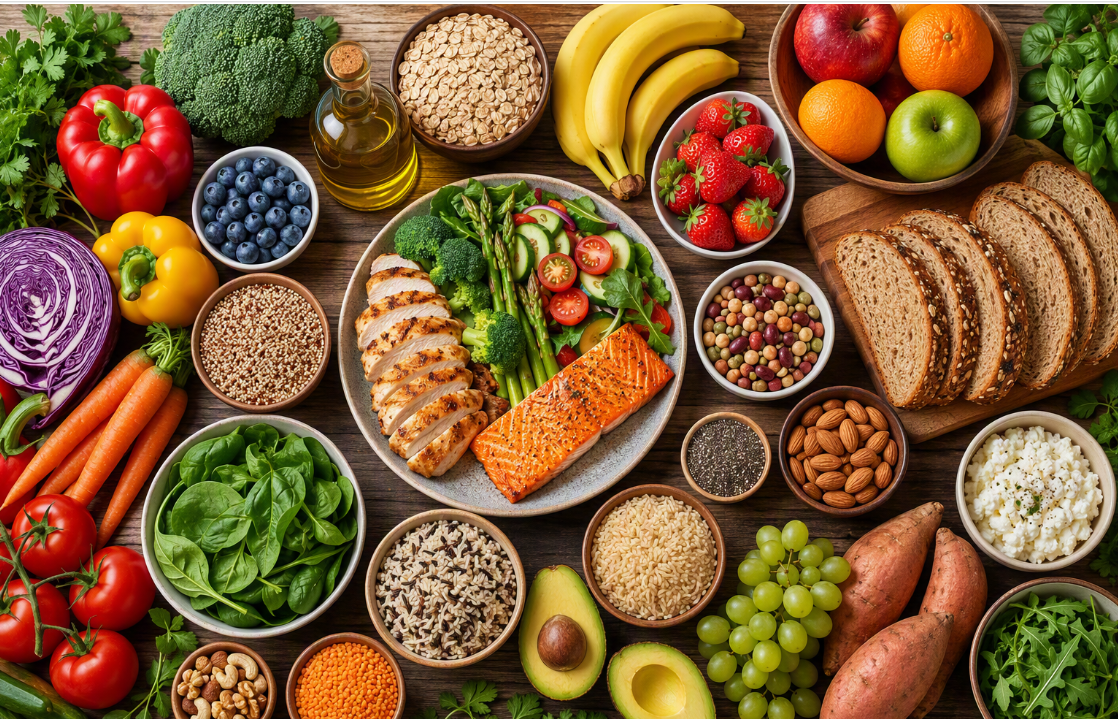
These foods give you the most benefits when you mix them together at meals. It is not just about eating one food alone. What you eat all day has an effect on your health. A mix of grains, protein foods, dairy products, vegetables, and fruits can help give your body what it needs every day.
Global Nutrition Guidelines and Reliable Resources
Finding good nutrition advice can feel hard. There is a lot of information out there. It is important to use trusted guidelines and resources. Big public health groups help give a clear place to start. Random advice from the internet may not be good.
For ideas on healthy eating, it is good to know about the World Health Organization and the National Institutes of Health. These names are important when you want clear facts on food, vitamins, and minerals. They give the info you need to make better choices. Now, let’s see what the World Health Organization says about healthy eating and how you can find trusted nutrition info on the web.
World Health Organization Recommendations for a Healthy Diet
A healthy diet is built on balance and variety. You need to get the right nutrients for your body. With healthy eating, the goal is to give your body what it needs each day. You should not depend on just one food or one nutrient. The World Health Organization also says healthy eating is about meeting your body’s needs in this way.
Key things to look for on official websites:
- A healthy diet means eating many different kinds of foods, not just sticking to the same things every day.
- Food choices need to help give you energy, help you grow, help your body fix itself, and help your body work the way it should.
- Eating the right way can help lower your chance of getting sick later in life.
- Food safety matters, too, because eating food that is safe helps keep you healthy.
- You should get your advice from official websites, and not from posts that are not checked or true.
If you want to make your meals better, starting with a simple balance is a great idea. Eating a range of things from several food groups helps you get more nutrients. It also makes it easier to keep up this new way of eating for a long time.
About Nutrition International and Finding Trusted Nutrition Information
When you want good nutrition advice, it is important to check where it comes from. The source is just as important as the message itself. Large health groups like Nutrition International can help you get facts instead of just opinions. Still, you need to look at where the information is from every time.
Use these simple checks:
- It is best to get news from an official government organization or a top public health group.
- Always use secure websites when you read or give any sensitive information.
- Pick sources that talk about nutrition in a clear way and show guidance from facts and proof.
This way can help you save time and stop any confusion. If you see a site that says big things, sells easy fixes, or does not show who they are, you can’t trust it. A good source will give you clear and easy steps. Good advice comes from known health rules and is down to earth.
Meeting Daily Nutritional Requirements
Meeting your nutritional needs begins when you understand that needs can change with time. The nutrients you need each day might be different because of age, sex, physical activity, or health. This is why one way of eating will not work for everyone.
A simple nutrition plan that starts with healthy eating can help a lot. When you eat meals that have a variety of foods from the main food groups, you build a strong base for good health. In the next few parts, you will see how your needs each day shape your diet. You will also read about ways and habits that can help you stick to these needs and practice healthy eating more often.
Calculating Your Daily Nutrient Needs
Your need for nutrients is not the same for your whole life. It changes as you get older. It also depends on if you are a man or woman. How much you move or do physical activity changes it too. Babies and young children need a different mix of things than adults do. Older adults need something different as well. Your need for nutrients can also change if you are sick, during pregnancy, or as you age.
A few key factors shape your needs:
- Age can change how you grow, keep your body strong, and help your bones.
- Gender may change what your body needs. For example, women often need more iron.
- Physical activity can change the amount of energy your body needs and how you take care of yourself.
Because everyone is different, it is good to eat a mix of foods. This is better than trying to look for only one nutrient on its own. If you, or anyone, have medical conditions or feel changes in your appetite, getting some help or advice can make it easier to pick foods that fit your needs.
Tips to Ensure You Get Adequate Nutrition in India
A good nutrition plan does not have to be hard to follow. The most important things are to eat regular meals, try different foods, and keep your health conditions in mind. If you live in India, the main idea remains the same. Mix the foods you eat so your body gets more of all the nutrients it needs over time.
Helpful habits include:
- Make your meals with more than one type of food group, not just one main thing.
- Try to eat grains, protein foods, dairy products, fruits, and vegetables during the day.
- If you are older, notice if your hunger changes.
- Get help if any health conditions make it hard to swallow, take in food, or plan meals.
- If you need advice just for you, talk with medical professionals.
These healthy eating habits can help you get enough nutrients more often. You do not have to eat perfect meals each time. You just need steady habits that fit your everyday life, your health needs, and the foods you can get.
Nutrition’s Role in Disease Prevention
Nutrition is key in stopping diseases before they happen. The body needs many nutrients to stay strong, fix itself, and work the right way. Eating well will not take away every health risk. But good food choices help the body in many ways to protect itself.
Research found in the source material says that proper nutrition can lower the risk of heart disease, stroke, and diabetes. Eating the right foods is also good for your immune system and can help you heal. To understand this better, we can first look at how but the immune system works in the body. Then, we can look at which nutrients have, give help with, or are linked to common health problems.
How Proper Nutrition Supports Immunity and Wellness
Proper nutrition helps your immune system stay strong. It gives your body what it needs to protect against sickness and fix any damage. The body needs good nutrients to grow tissue, heal wounds, and keep the immune system working right. If you do not eat well, the immune system and other body systems may not work as well.
Healthy foods are important for more than one reason. They give you energy to do physical activity. They help your body heal after you get sick. They also help your organs work the way they should.
What you eat has a lot to do with blood pressure. If your body does not get enough key minerals, or if you get too much of some, your blood pressure can change. Good nutrition can help keep that in check.
As time goes by, these small things you do each day really matter. When you eat balanced meals on a regular basis, your body can be stronger. This is one of the best ways to feel good now and stay healthy for a long time.
Key Nutrients for Preventing Common Diseases
Some nutrients are very important because they help the body in ways that can stop common health problems. These nutrients work with other things in the body, but some play a bigger role for strong bones, good immunity, blood flow, and keeping the body in balance. If you do not get enough, you may have health issues after some time.
Examples include:
- Vitamin D works with calcium to help the body keep healthy bones. It also helps the immune system.
- Vitamin C is important as it helps healing and keeps your tissues growing. It gives support to the immune system.
- Potassium helps stop high blood pressure and is good for muscles.
- A balanced energy intake may help stop unwanted weight gain with time.
These nutrients are important because they link to big health problems like cardiovascular disease, weak bones, and high blood pressure. You should not try to focus on just one nutrient at a time. It is better to make meals that help your whole body stay strong, and do this all the time.
Conclusion
In the end, knowing about nutrition matters to keep yourself healthy and feel good. When you learn about the nutrients your body needs, you can choose foods that help you stay well. The big nutrients give you energy. The small nutrients keep you strong. Both are needed for good health. Knowing how to read nutrition labels helps you see what is in your food. That way, you are better able to get all the nutrients you need each day.
What you eat has a big effect on how you feel and helps you stay away from sickness. If you want to care for your body, you can talk to our experts for free. They will help you with nutrition and guide you on your next steps.
How are daily values on nutrition labels determined?
Daily values you see on nutrition labels are general numbers. These numbers show you how much a nutrient in one serving fits into your nutrient needs for the day. An official government organization usually sets these numbers. They help you compare foods in different ways. Still, your own needs might not be the same as others.
How can I check if I am meeting my nutritional needs?
You can start by looking at your nutrition plan. Ask yourself if your meals have a variety of foods from the main food groups. If health conditions, poor appetite, or other things make it hard to eat well, you can talk to medical professionals. They can help you with healthy eating habits and find any gaps in your meals.
Where can I access reliable nutrition charts and resources?
For a reliable nutrition chart or help, look at the official websites from trusted public health groups in the United States. It is good to use secure websites. This matters more if you will share sensitive information. Try not to use sources that make big claims if they do not have a clear link to an organization or public health group.