Key Highlights
- Living in a busy city can add a lot of stress to mental health. This is because of things like noise, crowding, and always being in a hurry.
- Urban stressors may make sleep quality go down. You may feel more tired in your mind each day.
- Working long hours and having to travel for a long time can cut down on physical activity. It also makes people sit still more often.
- A busy city life can pull people away from friends and family. This may lead to more social isolation and weaker social connections.
- There is also more risk for your body. Pollution, not eating well, and long-lasting stress can hurt your physical health over the years.
- You can help yourself by taking some simple steps. Try mindfulness, connect with your community for support, and seek care when you need it.
Table of Contents
Introduction
Living in urban areas can feel exciting. City life is fast and full of chances. It can feel efficient, and there is always something happening. But this speed can put pressure on your mind and body. Crowding, pollution, lots of screen time, and busy plans affect how you feel every day. The good thing is cities offer health services, social networks, and ways to make healthier routines. To know more, it is good to look at how urban living affects health in India.
The Landscape of Urban Living in India
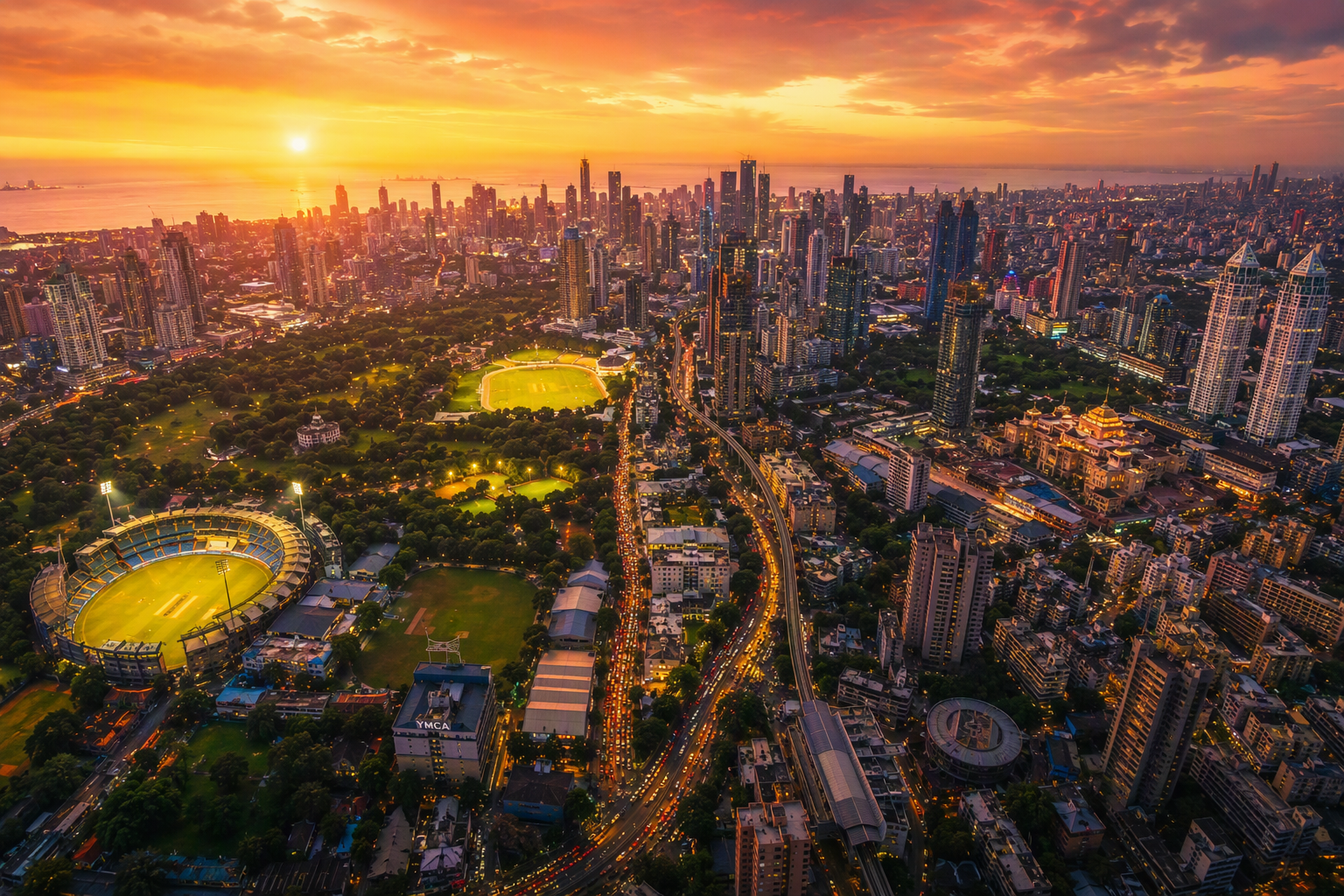
India’s fast city growth has changed daily life for many people. As more people move into cities, the urban environment gets more packed and loud. It also becomes harder for people to handle. This change affects how they go about their day, where they live, how they get around, and how much they can enjoy calm spaces.
City stress is not the same as stress in rural places. In the city, people deal with traffic, pollution, less personal space, and always feel there is not enough time. This is why urban planning and urban design are so important. The way these things are set up in a place can make growing cities feel better to live in, or they can make stress worse. The next parts will talk more about these changes in an easy way.
Rapid urbanization and changing lifestyles
Urbanization has changed daily life for many people in India. Now, lots of urban dwellers work, travel, eat, and rest in new ways. In cities, packed roads, crowded homes, and a busy day are common. The push to be productive makes simple routines feel rushed. Over time, this fast pace can make people feel more stress and mental tiredness.
In rural areas, people may still face hardship. But the stress is not the same. In the city, there is constant noise and overcrowding everywhere. There is also more pollution, and less access to natural environments. This steady noise and busy life in the city can wear you down. It takes a toll on you mentally and physically.
As cities grow, people change the way they live. Screen time goes up. People move less. Food and errands become easier, but this takes away balance. These shifts can lead to mental health issues. Sleep can be disrupted. It also makes it harder for people to deal with stress in healthy ways.
Demographic trends and city population growth
The rise in the number of people living in urban areas has made housing, transport, and public spaces feel more crowded. As urban populations get bigger, it can lead to more health problems at the population level. This is because more people need to use the same places and things. Crowding, long commutes, and not getting the same living conditions as others can make people feel less healthy in urban areas day-to-day.
Some groups feel the weight more than others. People in poor housing, with little support, or facing social inequalities, can deal with more stress. They often have trouble sleeping. Their mental health can be hurt. Not everyone goes through this the same way. That is why where you live and the people around you matter for mental health.
| Urban trend | Likely health effect |
|---|---|
| Rising city population | More crowding, less personal space, higher daily stress |
| Uneven living conditions | Greater exposure to poor housing and mental health issues |
| Pressure on services | Harder access to timely support in some urban areas |
| Fast lifestyle demands | More fatigue, anxiety, and reduced daily functioning |
Unique characteristics of urban environments
Every urban environment has things that can help or hurt your health. In many cities, there is poor housing, crowding, and not enough green spaces. This makes it tough for people to get better when they feel sick or stressed. When your surroundings are noisy and feel like too much, your body can stay on edge for too long.
Urban design has a vital role in how people feel in a city. Things like streets, transport, housing, and access to parks can change stress levels. If neighborhoods do not have enough spaces from traffic and noise, stress hormones can stay up. Over time, this might lead to high blood pressure and other long-term issues.
Better urban design can help people stay healthy. Adding more green spaces, making public areas safer, and building strong communities can lower stress. These changes also help people move more, feel better, and control their feelings. A few small design choices can lead to good health results.
Mental Health Effects of Fast-Paced City Life
City life moves fast, and it can change how you feel in your mind, that is your mental health. A lot of stress in cities comes from many things happening at the same time, lots to do, not enough time, noise, dirty air, and so many people around. You may feel like you have to always be ready, and this can make you feel more worry, down, or tired in an emotional way.
City life can feel lonely, even with many people around you. You may feel more alone as routines often give little time for true bonds. Having strong support from others is really helpful. So, it’s good to first know how mental health, social isolation, and social support work in city life.
Increased anxiety, stress, and depression in urban spaces
Living in a busy city can make stress levels go up each day. Urban dwellers feel lots of noise, see many people, and face pollution. It always feels like there is not enough time in the day. All these things together can make your mind feel tired and stretched, even if nothing big happens on one day.
Over time, this pressure can lead to mental health issues such as anxiety disorders and mood disorders. People living in cities often face social inequalities, not enough support, and poor housing. These problems can make things worse. Some findings show that there are higher rates of mental illnesses in cities than in rural communities, especially when it comes to mood disorders and anxiety-related conditions.
City life can change the brain system tied to fear and stress. If the the world around you often makes you feel alert, it can be hard to control how you feel. This is why being in a busy place can make you feel more on edge, more tired, and not bounce back as well after stress.
Overload, burnout, and emotional fatigue
One big problem in a city is urban stress and overload. Your mind and body have to deal with traffic, lots of work, constant pings, and pressure from people. When you go through this too many times, chronic stress can start to build up without you knowing it. You might not feel it right away, but soon you may lose patience, have a hard time staying on task, and feel tired more often.
When stress hormones stay high, burnout and feeling tired in your emotions can start. A person can feel cranky, have trouble thinking, or feel away from daily life. Sleep can get worse. Simple things feel harder than before. All these can make daily functioning at work, at home, and with other people drop.
Burnout does not just happen because you are busy. It comes from long periods of stress when you do not get enough rest. In cities where life moves fast, it is hard to take a break. You may feel like you are not getting anything done when you try to rest, but your body needs it.
Challenges in social connection and community support
A busy urban environment does not always help people feel close to each other. Many people feel social isolation in cities. Life moves fast. People are busy. They often talk for only a short time. If you do not have steady social connections, stress can be harder to handle. Your mental health can get worse more quickly.
Some people may be at higher risk. This happens when they face social inequalities, poor housing, or do not have good support around them. Community engagement can help protect these people. It works best when there is enough time, safety, and places that feel welcoming.
- Little face-to-face time can make people feel lonely and put strain on their feelings.
- Weak links in the area may mean less help is given when times get tough.
- Supportive communities can help people feel better and be stronger in tough times, which helps mental health.
Even taking little steps to build better support with people around you can make things easier. A neighbor you know, a group you meet often, or a friend you trust can help you feel less like you are doing everything by yourself.
Physical Health Risks Linked to Urban Lifestyles
Urban living moves fast. It can be hard on the mind. It can be tough on your physical health too. This is because you are around pollution, stress, and not moving much for a long time. Long commutes, lots of time in front of screens, and busy plans all make healthy habits harder to follow.
These patterns are important because they can build up as time goes on. A drop in physical activity, bad sleep, and strain from the environment can raise the risk of long-lasting health problems. To see how this works, it is helpful to look at movement, heart health, and pollution each on their own.
Sedentary habits and lack of physical activity
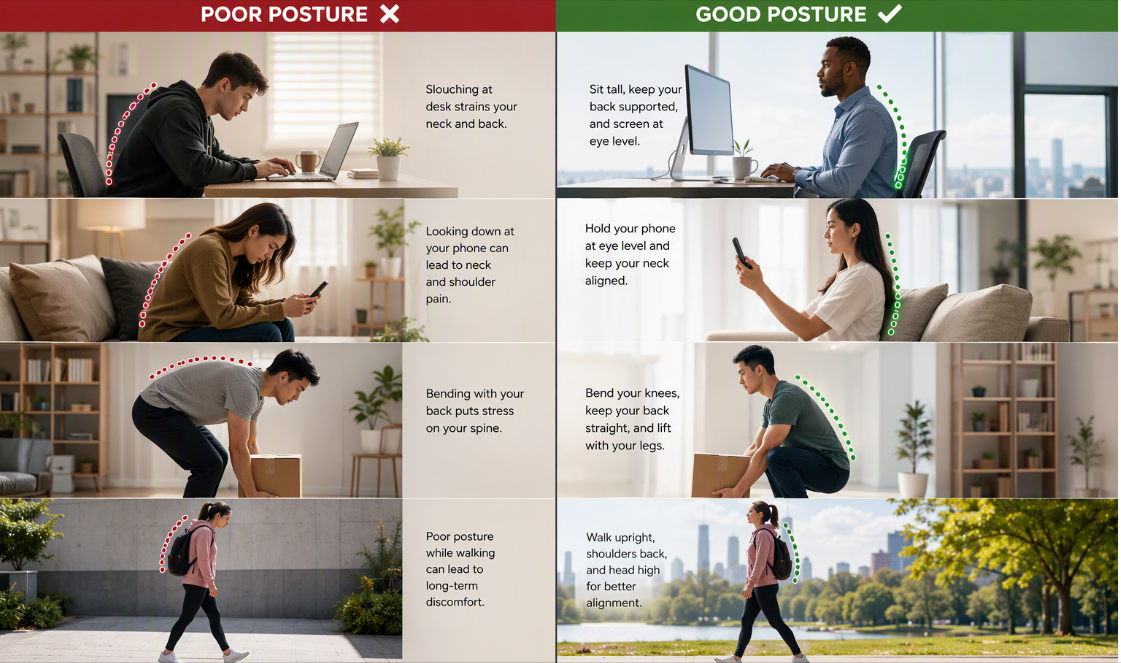
Many people who live in the city sit for much of the day. They do this at work in front of screens, during travel, and when they feel tired from busy days. When life feels so busy, moving can feel like something you can skip. But, not doing much physical activity can slowly lower energy, hurt mood, and bring health issues that last a long time.
Sedentary habits can become easy when daily life is focused on speed and convenience. You might order food, ride instead of walk, and use your break time to scroll instead of stretch. These choices feel small, but when they pile up, they take away chances for regular movement.
This is one reason why living in busy city areas can be risky for physical health. People move less in these settings. This often happens along with stress and poor sleep. When these come together, it can make people less able to cope.
Even simple activities like walking, biking, or doing yoga can be helpful. These can lower stress and help people feel better, especially in tough urban settings.
Hypertension, heart disease, and other chronic conditions
Stress hormones are not only in your mind. In cities where things move fast, stress can make these hormones, like cortisol levels, stay high for a long time. When cortisol levels are up, the body stays alert. If this goes on, it can put more stress on your heart and its health.
This shows how urban stress may be tied to high blood pressure. Things like constant noise, many people around, feeling rushed, and not getting enough rest can make stress hormones go up. This may also make it harder for us to relax. If this keeps happening over time, it can lead to a bigger risk of high blood pressure and other issues that stay with us.
Heart health can also feel the effects in other ways. In urban life, bad sleep, unhealthy eating, and low physical activity often show up together. Emotional strain is also common. When these risks build up, the body does not get many ways to reset. This can lead to worse health down the line.
Air, noise, and environmental pollution
Environmental pollution is a big urban stressor. In cities, people face chronic exposure to air pollution and noise pollution. These things can harm your body and mind. Most of the time, you do not see the damage right away, but day after day, the strain goes up. It can make you feel tired, mess with your rest, and take away comfort during the day.
Noise makes you feel stressed, and bad air can make things feel heavier for your body. When both happen, you may feel more tired and like you are always under stress. Environmental pollution is one of the most clear dangers to physical health in busy city life.
- Air pollution can put stress on the body over a long time.
- Noise pollution can make people feel more tense. It can also get in the way when we try to feel better.
- If you are always around both noise pollution and air pollution, urban stress can get much worse.
These risks show us why the way a city is set up is just as important as what people do in their own lives. A good environment in the city can help all of us be healthier, not just the things we do each day.
Nutrition and Eating Habits in Urban Areas
Nutrition changes when life in urban areas gets busy and hard. People have tight schedules. Travel takes long. A culture of convenience often makes people choose fast food and easy meals. These are simple to get, but they are not always balanced.
These changes do not happen alone. The things like stress, screen-heavy routines, and substance use can also change how you eat. When people hurry through meals, that can become the usual way. Over time, this is not good for health. In the next parts, you will read about how convenience diets, limited access, and making bad food choices again and again can hurt the body and mind.
Influence of fast food and convenience diets
Urban life is busy. Things move fast. Many people turn to fast food when they don’t have time or feel cooking is too much. Quick meals may save time, but they are not always good for your body. If you eat them instead of balanced meals too often, you can lose out on some nutrition.
Urbanization affects the way people pick their food. When cities grow bigger and work gets busy, people often choose food they can grab and eat quickly. This fits well with the fast pace of city life, but may mean there is less time for fresh meals and time to think about what to eat.
Over time, habits that put ease first can change the health of people. Poor nutrition can mix with stress, low physical activity, and poor sleep. These things may raise the odds of getting ongoing health problems. In a fast-moving world, food is often just used to fill people, not to feed their body well. That shift can bring real problems.
Limited access to fresh foods and balanced nutrition
Not everyone in urban areas gets the same food choices. A lot of people have limited access to fresh foods. This can make it harder for them to eat healthy. Things like time, where they live, and what things cost can be barriers. Social inequalities also make the situation worse. These problems change what people buy and how often they can cook good meals.
When fresh food is not easy to get, people often pick what is close and quick. This can be bad for physical health as time goes on. A poor diet, stress, and not moving enough can make things worse. Food choices you see every day matter, not just your plans or wishes.
- When there is limited access, people have a hard time getting fresh foods.
- Social inequalities mean not everyone can have balanced nutrition.
- Urban areas can have uneven food options, and this can make health gaps bigger.
This shows that nutrition is not just about your choice. The city you live in shapes what you can eat each day.
Effects of unhealthy eating patterns on health
Unhealthy eating patterns affect more than just your weight. When you eat at odd times or have food that is very processed or does not have enough good stuff in it, your body does not get what it needs to feel better or stay full of energy. In urban life, this can make you feel tired more often and may make stress feel much worse.
Eating unhealthy food for a long time can make the body feel bad. It can hurt heart health and bring other issues. A poor diet usually happens with low movement, bad sleep, and too much stress. All these work together to make things worse, not just one problem alone.
There is the mental health side to this issue. Not having enough good food for a long time can hurt mental health. This can get worse when someone has regular stress. Sometimes, people may use things like drugs or alcohol to feel better. They could even face substance use disorders. This makes it harder for them to build better habits and feel good again.
Sleep Quality and Patterns in Urban Populations
Yes, living in a busy city can change the way people sleep. A lot of urban populations have to deal with noise pollution, bright lights, and crowded places. There is also too much going on in people’s minds, making it hard for them to get good sleep and keep steady sleep patterns.
Sleep issues get worse when your schedule is not steady and you feel stressed. In city life, many people think not sleeping well is normal. But bad sleep can hurt your mood, your ability to focus, and how your body heals. When you look at what causes this, you can see that sleep should be more of a focus in city life and health.
Environmental factors disrupting sleep (noise, lights)
City nights are not quiet most of the time. There is noise pollution from cars, people, and a lot of things going on. It can keep your body awake when you want to sleep. Bright lights and other pollution can also mess with your sleep. You may get less rest and feel like your sleep is broken.
This nonstop sensory overload makes it hard for people to relax. The nervous system stays active instead of calming down. When this keeps happening, you may lose sleep. It can also make you feel cranky or tired during the day. A lot of people get used to it and do not see how much rest they are missing.
- Noise pollution can make your body feel stressed at night.
- Artificial light can mess with when you normally fall asleep.
- Sensory overload can make it hard for you to have a good night’s rest.
These things show that sleep issues in cities are caused by the environment. It is not just about people’s habits or how they act.
Irregular schedules and sleep deprivation
Work schedules are one big reason sleep patterns are not regular in cities. Many people work long hours and spend a lot of time going to and from work. There is also the issue of always being on phones or computers. These things make people go to bed late. But they still have to get up early in the morning for work. Because of this, many people can end up with sleep debt most days of the week.
Urban stressors can make it hard for you to relax at night. Even when you feel tired, your mind may be busy with to-do lists, noise, and things you have not finished. This gap between feeling worn out and getting good rest can make you lose sleep again and again.
Poor sleep makes your daily functioning harder. You find it tougher to focus. You feel like you have less patience. Your body can’t recover as well. In fast-paced places, this can feel like it happens again and again. Stress gets in the way of sleep. A bad night makes your stress grow. Both shape how you get through the day.
Connection between sleep issues and overall well-being
Sleep quality is important for how you feel every day. If your sleep quality is poor, the first thing you may notice is that your cognitive function gets worse. You may think slower, have a hard time focusing, and feel more emotional while doing normal things.
The effects go on. If you keep having sleep problems, your mood disorders can feel worse. You may get more anxious, feel low, or get worn out. In the city, there is already a lot coming at people. Not sleeping well takes away one of the ways the body recovers.
Sleep is important, not just to feel rested, but to help your overall mental health. Good sleep can help make your emotions feel steady. It makes thinking easier and helps you bounce back from tough times. If you live in a busy city, keeping your sleep habits in check can be one of the best ways to look after your health and mental health.
Coping Strategies for Urban Stress
Urban stress happens to a lot of people, but you do not have to let it take over your life. There are ways to help feel better. Mindfulness meditation, moving your body often, setting clear limits, and having strong social support are some of them. These steps make the pressure feel less and help you bounce back each day.
For some people, taking care of themselves is a good place to start. For others, it helps to use mental health services because they give the help and structure people need. A mix of good habits and help from others can work well for managing the health impacts of urban living. Here are three simple areas that can help people feel and live better.
Mindfulness, meditation, and relaxation techniques
Mindfulness meditation is a good way to deal with urban stress. It lets you bring your mind back to the present moment. You do not have to feel stuck in hurry all the time. When you take that pause, your stress levels can go down. It also makes it easier for you to control your feelings on busy days.
You do not need to have a perfect routine to feel the benefits. Even short practices can help reset your body when city life gets too much. Relaxation techniques work well because they help with your stress, not fight it.
- Mindfulness meditation helps to slow down fast thoughts.
- Deep breathing exercises can make you feel good when things get tense.
- A short break to relax can keep stress levels steady.
If you use these tools often, they can help you build strength to handle tough things. They will not take away all the pressure you feel in the city. But they can change how strong these pressures feel in your mind and body over time.
Building social support networks and resilience
Social support can really help you feel less stress. When you live in an urban environment, it can feel tough sometimes. But when you talk with friends, family, or people you trust, you feel less like you have to do everything by yourself. This kind of help from others can make stress feel easier to manage.
Resilience can get stronger with community engagement. When you have a group that supports you, your community feels like home, or you are part of regular social routines, it can help bring steadiness to your life, even when things move fast. These connections are important, because stress can feel much worse when those ties with others are not strong.
You do not need big things to build support. It can start when you have one trustful relationship or when you feel at home in one place. In cities, people often find ways to be strong by having small things over time. These little anchors can help you feel safe, get back up, and feel less alone when life is hard.
Access to mental health resources and counseling
Sometimes stress, anxiety, or burnout feel too hard to handle by yourself. At those times, mental health services can help. They give you support, tools, and ways to feel better. If you live in urban settings, you may have more choices for health services and counseling. This is good when symptoms start showing up in daily life.
Getting help early makes a big difference. If you reach out for support before things get worse, it can stop mental health problems from becoming bigger. Early intervention can help you feel better sooner and recover faster. Getting professional help can also teach you better ways to cope. It may help you handle your feelings, get better sleep, eat well, and feel less stress. This is why it is important to look after your mental health and seek help when you need it.
Getting help is not a sign of losing. It is a smart way to deal with real pressure. City life can put a lot of stress on people. Talking to someone, going to therapy, or using guided support can really help you feel better over time. It is one of the best ways to look after your well-being if you live in the city.
Conclusion
The fast pace of urban living can greatly affect both mental health and physical health. People in cities feel more stress and worry. They may get some long-term health problems from bad habits. City dwellers deal with these challenges every day.
But there are ways to help. You can practice mindfulness. It is good to build support networks, and it is important to ask for better access to mental health support. These steps can lower stress levels in an urban environment.
Taking care of your health is key for a balanced life in the city. Do not be afraid to get help. You should put your health first. If you want some help to deal with these challenges, you can book a free consultation today.
Are there specific groups more vulnerable to urban health issues?
Yes. In urban populations, people who deal with social inequalities, poor housing, and weak support feel stress more. At the population level, chronic stress can affect these groups the most. This can lead to more mental health problems, sleep trouble, and have an impact on daily functioning in busy city life.
How does city stress compare to rural environments in India?
City stress is often caused by crowding, pollution, noise, and always feeling like you have to hurry. In rural areas, people face different challenges, but they do not feel as much daily pressure. These social factors can change mental health and physical health in different ways, depending on where you live.
What are proven ways to manage health impacts of urban living?
Helpful coping mechanisms are mindfulness meditation, regular physical activity, better sleep habits, and stronger support from the community. Mental health services, along with early guidance, can help when stress is tough to handle. The best way is to mix your own routines with support from others and advice from health services.