Key Highlights
- Green spaces help public health by making people move more, talk with others, and feel less stress in urban areas.
- Access is important because people living near parks use them more often and in a better way.
- Health outcomes from urban green spaces include feeling happier, having lower stress, and keeping a healthier body mass.
- Environmental benefits are cooler places, better air quality, and less water from storms in streets.
- Quality, safety, and how easy it is to get to open space decide if community members use it.
- Strong community engagement makes green spaces fit what the people need and helps make life better.
Table of Contents
Introduction
Green spaces do more than just make busy city spots look nice. They help keep people healthy in ways that many do not notice. Parks, gardens, and open land give us a place to move, make friends, and feel better in our minds. These spots also help the air feel cleaner and cool areas that get too hot. As cities fill up and feel tighter, it is harder to ignore how green spaces can help us live better each day. This is why green spaces and their mental health benefits are big topics for people who plan cities, for groups in the city, and for everyone who lives in urban environments.
Defining Green Spaces in the Indian Context
In India, green spaces are parts of the city that stay open to the public. These open spaces, found in a dense built environment, can be parks, gardens, or other places with plants. People can walk, sit, meet others, or enjoy time outside in these green spaces.
These spaces are important in the city. People in urban areas do not get much time with nature. Green spaces help people feel better. They give a place for exercise, social interaction, and a break from noise and crowding. Green spaces also help keep city growth balanced.
Types of Urban and Rural Green Spaces
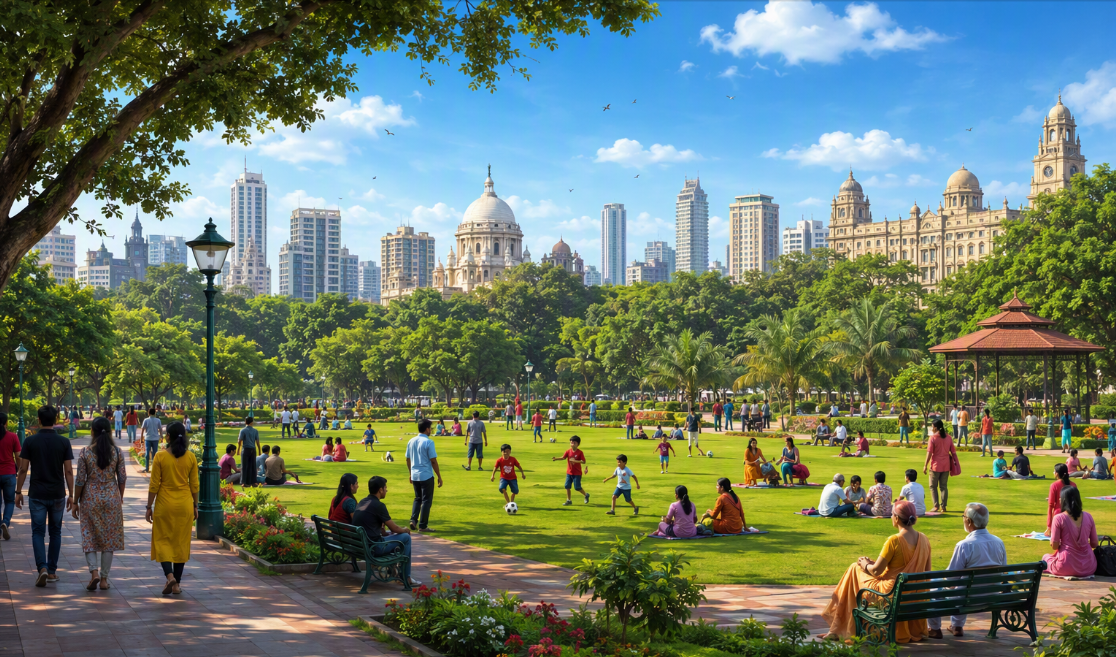
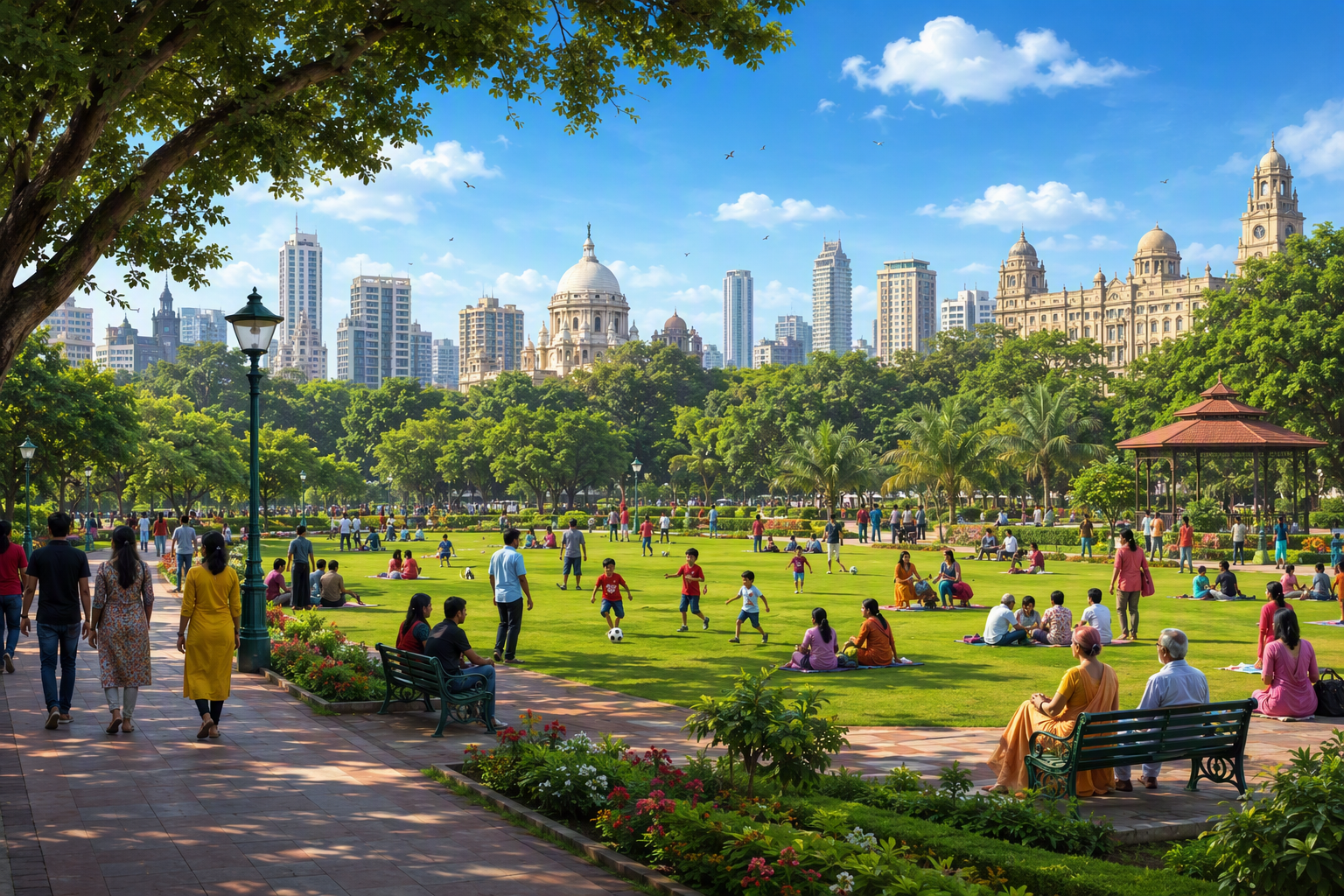
Not every green space has the same job. Some green spaces are big urban parks where people walk, play sports, and do things together. Others are smaller green spaces in neighborhoods. People use these for resting, talking, or stopping by for a short time during the day. What people do in green spaces can change how much these places help with health.
In cities and places that are not as crowded, green spaces can have these things:
- The urban parks in the area give people a place for exercise and fun.
- The community gardens let people work together and do activities as a group.
- There are small public green areas where people can sit and meet others.
- A tree-filled open space gives shade and helps people feel close to nature.
What matters the most is how people use green spaces. Bigger spaces are great for physical activity. Smaller places help people connect with each other and feel calm. All kinds of green spaces bring good things for us. They help us feel well every day by meeting different needs.
Characteristics of Accessible Green Areas
Accessible green spaces are the ones that people can get to without much trouble and feel comfortable using. How far they are from your home matters a lot. If a park is close and easy to get into, people will go there more often. Going to these green spaces often can make your quality of life better and help with human health.
Key features of accessible green areas include:
- It is close enough to walk there, and the entry is easy.
- The paths are safe, with not many things getting in the way like busy streets.
- The design is clear and helps all types of people and activities.
Quality changeshttps://www.who.int/ the benefits you get from green spaces. A park can be shown on a map, but if the place feels unsafe, isn’t taken care of, or is hard to get to, people might not go there. Good upkeep and easy access should work together. When both things are there, green spaces can help people exercise, relax, and meet others.
Role of Green Spaces in Sustainable Urban Development
Green spaces are a key part of urban planning. They are not just something added later. In the built environment, they help make places feel softer and more welcoming. These spaces help people walk, play, and spend time together. They also give strong environmental benefits.
Green infrastructure does a lot for urban environments. It helps lower the heat in the city. It can manage stormwater. It also makes the air cleaner for people who live there. These benefits tie in with public health, and they make places better for everyone.
A well-designed park is not just nice to look at. It helps cities deal with things like climate pressure and more people moving in.
Design shapes the way things turn out. A space with paths, shade, seating, and area for many things is more helpful than only lawns. When planners fit design to what people in the area need, green spaces work as useful tools. They help cities be healthier and handle change better.
Historical Perspective on Green Spaces and Public Health
The link between green spaces and public health has been known for a long time. People saw that having fresh air, shade, and outdoor spots made life better in busy urban areas, even before recent studies.
Over time, this idea went from old ways and customs to planning and study. Today, studies show that green spaces help with physical activity, stress recovery, and social interaction. The evidence base may not be perfect, but it is clear that nature has been good for people in cities for a long time.
Evolution of City Parks and Gardens in India
City parks and gardens in India show a change in how people see public open space in urban areas. As cities grow, green spaces matter more. They help balance busy development and give places for people to play, rest, and enjoy time with others.
Urban parks do more than look nice. They give people places to walk, exercise, and meet others. These parks help with air quality and keep the city cool. The parks also give us a break from busy life in built-up areas. All this makes urban parks useful for everyone. The parks are not just for show. They are true public assets.
From a public health point of view, living close to green spaces can change how people act every day. People will often go to parks when they are close. Going to parks often gives them more ways to move around, relax, and talk with people near them. These things are part of why case studies of city parks are still important.
Traditional Practices Linking Nature to Wellbeing
People connected nature with feeling good and being healthy, even before planning ideas were used. They spent time outside, took time to think in quiet spaces, and got together in open places. These habits have helped community members feel better in their hearts and minds.
This link is still important today. When people spend time in nature, they feel less psychological stress. They also feel better in their mood. There are chances to do gentle physical activity. These things can help mental health. They also help us feel that active routines are easier and better to do.
Access is the key step. If nature is close, people can use it more often. They do not need to plan or spend extra money. Being in nature again and again helps both physical and mental health. It gives space for walking, resting, and meeting others. In cities that move fast, easy access has real value.
Key Policy Shifts Over Time
Policy changes have made green spaces a bigger part in city planning now. At first, people saw them as something nice to look at. Today, we know urban greening helps health outcomes. It also gives key environmental services. The quality of life in neighborhoods gets better as well.
This change is important. Green spaces often compete with places for homes, cars, and other needs for land. Government rules that keep or add open space help to save things that are good for everyone over time. If there is no help, green spaces may not be cared for. They might also be used for other things.
The proof for these changes is building up, even if it is not complete. Studies show links between physical activity, social ties, and mental health benefits. This is enough reason to give more focus on planning, mainly in fast-growing urban areas.
Main Benefits of Green Spaces for Public Health
Green spaces help public health. They give people places to exercise. People can also meet and talk with others there. These spaces help with mental health, too. In busy urban areas, all of that can change how people feel and act each day.
Examples of health benefits are help for active lifestyles, less stress, and stronger social cohesion. Research shows that urban green spaces may also lead to lower risk of being overweight. There could be benefits for cardiovascular mortality, too. Green spaces may help people feel less alone. The next parts will look closer at these health benefits.
Supporting Physical Activity and Exercise
One of the main things green spaces do is help people get physical activity. Parks let people walk, run, do sports, and exercise. You do not need to pay for fancy places to do this. In urban areas, this is very important because people do not have much private space.
Regular time in the park can help you get good physical health. It can boost fitness and help your body mass index stay healthy. Research shows that people use parks more when they can get to a green space easily. When the park is close, it is simple for us to stay active. This is how green space makes staying active feel real and brings health benefits.
Green spaces support exercise in many ways:
- Walking and jogging on the paths or trails.
- Playing fun games and running around in open spots.
- Simple movement and easy exercise for people who need to feel better.
These easy chances can help build daily habits. If you spend more time being active in green spaces, you may lower health risks that come from sitting too much. This can make you feel better as time goes on.
Impact on Air Quality and Pollution Reduction
Green spaces make cities better by letting us have cleaner air. Trees and plants take in bad stuff from the air and give back oxygen. This is why green infrastructure is so important in urban environments. In places with lots of traffic and buildings, air pollution can go up. Because of this, green spaces play a big part in making air quality better.
The effect is not only about the environment. Cleaner air helps public health because people breathe it every day. Good air quality makes it easy to be outside. It also lowers some health problems in urban settings with more pollution.
Quality affects this benefit. A green zone that is taken care of and has healthy plants and enough trees will offer more value. A place that does not have many plants or is damaged will not help as much. When a city puts money into good vegetation and takes care of it for a long time, the pollution-reducing gains will be higher and steady.
Social Cohesion and Community Wellbeing
Green spaces help people connect more than streets and buildings do. They give neighbors a place to meet, talk, and watch their children play. People can also join local events there. This daily meeting helps build social cohesion. It also improves the social part of public health.
For many people who live in the city, parks feel important for more than just fun. The parks can help build a sense of community. When people go to parks often, they feel closer to others and trust each other more. It can cut down on feeling alone. There are some studies that say social factors can get people to use parks more than the way parks look.
Green spaces can improve community wellbeing by:
- Giving people spots where they can meet and talk in a relaxed way
- Helping out with events and group things that happen in the area
- Helping everyone feel like they are part of the same group in the community
When there is good community engagement, people feel that parks matter to them. They use these spaces more often. This makes the park feel like a real part of the neighborhood. It does not feel like just empty land.
Green Spaces and Physical Health Outcomes
Living in areas with green spaces can help with physical health. Urban residents get more chances to walk, play, and be outside when parks are nearby. All of these activities can help you make good routines as time goes on.
Research shows that green spaces can help with many health outcomes. A person who spends time in these areas may have a lower risk of being overweight. There may also be links to less disease. It is not just the fact that green spaces are there. People get better results when they use them. So things like how close they are, how they are made, and how people feel in them matter a lot for everyday health.
Reducing Risk of Chronic Diseases
Green spaces can make it easier for people to move and stay active. When these areas are close by, you can walk or exercise in them, which helps you avoid sitting too much. This way, there is less chance of long-lasting health risks that can come from living in cities.
Published findings say that being in green spaces can help with physical health. There is less chance to get overweight. Some people also have lower rates of type 2 diabetes. Green spaces are linked to fewer deaths from heart problems. These show how green space does good for physical health and not just for fun.
At the same time, the link is not simple. Not all people use parks that are close by, and not every study shows the same result. Still, green spaces help make places where healthy habits can grow. This is important in stopping long-term illness, especially in packed urban areas.
Promoting Active Lifestyles for All Ages
Green spaces let people move around and stay active in cities. You do not need to pay any fees or buy special gear to use these areas. The open access helps kids, adults who work, and older adults feel good and stay healthy.
Different groups use parks in their own ways. Bigger parks let people run, play games, or do hard exercise. Smaller parks let people walk, sit, or do light activity. Both are good because physical activity does not have to be the same for everyone to help people feel healthy.
Green spaces can serve:
- Children get to move around and have fun by playing outside.
- Adults stay active when they walk or follow exercise routines.
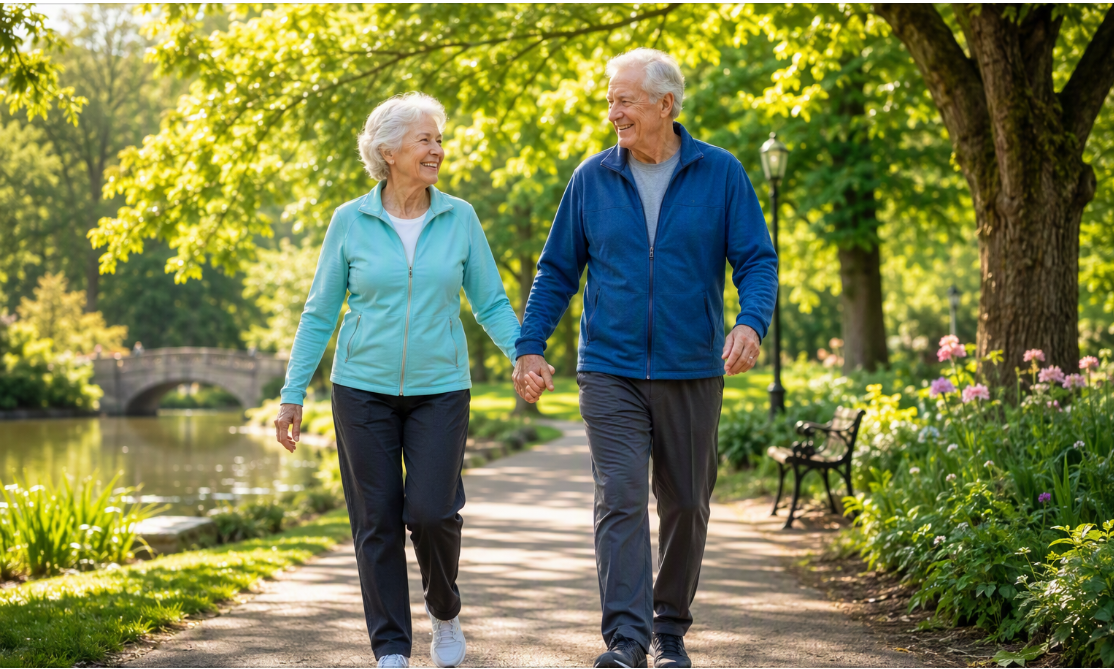
- Older adults feel better when they do safe and gentle movement.
When people can get to places easily, they are more likely to go out and move often. This helps both physical health and mental health. Being active outside can feel better and more calming than doing exercise indoors.
Encouraging Child Play and Elder Wellness
Urban green spaces help both young and old people. Kids need places to run and play. Older adults feel good in safe, quiet paths with room to walk and talk with others. Parks can give these options for everyone.
Research shows that a lot of high-energy physical activity for kids happens in urban parks. For older adults, open space near their homes helps them walk and spend more time outside. These habits are important. They have an effect on health outcomes each day, not just when people plan to exercise.
Living close to parks makes it easier to use green space. Families go more, and older adults feel better about getting out when it is not far. Being near green space helps people make it a habit. That is where many good things for health start.
Green Spaces and Mental Health
Green spaces be good for mental health. They help people get away from noise, lots of people, and too much happening all the time. For urban residents, even spending a little bit of time in nature can help lower psychological stress. It also makes their mood better.
These effects look like they come from both the place and the things people do there. Walking, resting, and talking in green spaces help people feel better and more calm. The next parts show how being less stressed, feeling happy with life, and not being alone all are tied to green spaces.
Mechanisms for Stress Reduction
Green spaces feel calming because they give people a break from the hard streets and buildings in the built environment. The trees, shade, quiet places, and natural scenes in these areas help people get their attention back. These spots also help us feel better after a stressful day.
Stress goes down from the things people do in these places. A gentle walk, sitting without noise, or being with others can help mental health. Green spaces that feel calm, friendly, and natural bring health benefits and give mental health benefits.
Green spaces support stress recovery through:
- Be in a natural environment
- Get away from traffic, noise, and crowded places
- Have space to rest quietly or move around gently
For people who live in the city, this mix can change things in a good way. A park close by won’t take away stress, but it can give a place you can count on to feel better in your mind and your body.
Enhancing Mood and Life Satisfaction
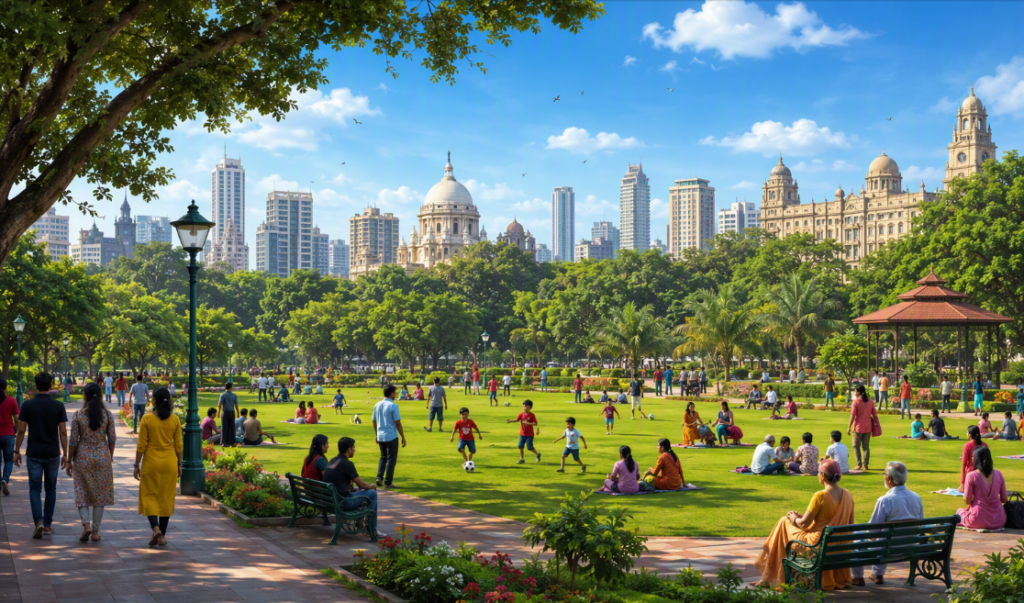
Access to urban greenspace helps people feel better in normal day-to-day life. Many of us go to parks to enjoy some calm, feel close to nature, or step away from what we usually do. These easy moments can make us feel more comfortable and lift our mood.
Studies show that exercise in green areas can help people feel better about themselves. It can also make their mood better. Sometimes, the water in a park can make these positive effects stronger. This means that the way a park makes someone feel is not just about what they do there, but also about how the place looks and feels.
Over time, these moments in green spaces can help people feel happier with their lives. When there is a place close by where you feel calm, active, and connected, living in the city is not so hard. This is why green spaces and the health benefits they bring go hand in hand.
Combating Urban Isolation and Social Anxiety
Green spaces help people feel less alone in the city. They give everyone a place to meet others without any stress. Community members often care about this more than going to planned events. Just seeing some faces you know and spending time together in the public space can make you feel better after a while.
These settings can help people who feel worried about social interaction. A park is not like being indoors or in a busy place. You can walk, sit, watch others, or just take your time before you join in. It gives the freedom to do things at your own pace. This makes talking with people feel easy to handle.
Green spaces help by:
- Encourage people to meet with their neighbors in a relaxed way.
- Make spaces that many can use together, without any stress.
- Help people feel comfortable being around often, but don’t push them to talk if they don’t want to.
Living close to parks lets these simple meetings happen more. These little moments can help build confidence, make people feel less alone, and boost their mood in busy city life.
Environmental Benefits of Urban Green Spaces
Urban green spaces offer real environmental benefits. In urban areas, these spaces help make life better. They cool neighborhoods when it gets hot. They soak up some pollution. They let more plants and animals live there. They help deal with water from storms. People feel these benefits in day-to-day life as they see the change around them.
These benefits also tie in with public health and health outcomes. Cooler streets, clean air, and good water management help make cities safer and easy to live in. As climate change puts more stress on things we need every day, these changes become even more important. The following sections will show how this happens in real life.
Mitigating Heat Island Effect
One big way that urban green spaces help the environment is by cutting down the heat island effect. In cities, there are a lot of paved spots that keep heat in and give it off. This makes many areas much hotter than places outside the city. When you put in trees and other green spaces, these help push back against this big problem.
Tree canopy blocks the sun and gives shade. The plants help cool the air by letting water leave their leaves. A good green space can make it feel better for you when you walk, work out, or sit outside. As the climate gets warmer, public health needs this help.
Design is very important here. Places that have healthy trees and lots of plants do more than just look good on a street. They help make the air feel cooler and can lower heat stress. This makes it easier for people to be outside. With climate change getting worse, staying cool this way is even more needed now.
Enhancing Urban Biodiversity
Urban parks are not just for people. They also help keep urban environments full of life. Parks give places for plants, birds, and other living things to live and grow. Even small green spaces in the city can help keep things balanced in nature.
This is important because green infrastructure needs biodiversity. A place with more plants and animals can make parks feel better. It also helps the city stay strong against problems like heat or floods. Birds, trees, and many kinds of plants can make the space feel full of life and help people feel calm.
Quality affects biodiversity through:
- Healthy plants and lots of trees
- Room for local animals and their homes
- Looking after the land over time so it does not wear down
When you take care of a green space, it helps both nature and people. People feel good when they see more green and lively places around them. At the same time, the city also gets better support for the environment.
Water Management and Soil Health
Green spaces help a lot with water management. When it rains, the planted ground lets water soak into the soil. Concrete and asphalt do not do that. This makes less water run off and slows down the water. It also lowers the pressure on drainage systems when there is heavy rain.
That same process helps the soil stay healthy. When soil and plants are healthy, they can take out bad things from water before it goes into rivers, lakes, or the ground. In urban planning, green spaces are not only for fun or relaxation. They are also important parts of a city’s system.
Green spaces help public health, even if it is not always clear at first. Better control of stormwater lowers the risk of flooding. Cleaner water in cities can make the whole area healthier for people. These good things show why green spaces matter in cities. They are more than just extra land. They have long-term value for the people who live there.
Quality of Green Spaces: Why It Matters
A city might have a lot of green spaces, but if these places are not good, they do not help much. People enjoy parks when they feel safe and welcome there. They also want parks to be useful. So, making green spaces better is important for the quality of life.
Urban planning should look at more than just how much space there is. Things like walkways, shade, lights, and places to sit make people want to come and stay. Keeping the area nice is also important. When people who live there help make choices, the space fits what people want and need. Community engagement is key because residents know what really works. The next parts will explain more about this.
Accessibility, Safety, and Maintenance
In urban settings, a green space is helpful only if people can get to it, feel safe in it, and enjoy being there. A park has to be easy to reach, feel safe, and be well kept. If these things are not there, people will not use the park or feel good in the green space.
Research shows several things that make people use it:
- There are easy ways to get to and from home, with not many things in the way.
- Good lighting, clean areas, and a feel of safety are important.
- The paths, lawns, and places stay in good shape through regular care.
Poor care can make people lose trust fast. When parks are rundown, some may connect these green spaces with crime, vandalism, or unsafe things. This can keep women, children, and older adults away. A clean and safe place will get more people to visit often. When they come back again and again, these green spaces become good for public health, not chances wasted.
Inclusive Design for All Demographics
Inclusive design is about making green spaces that welcome all urban residents. It’s important to think about the needs of the full range of urban populations, not just those who feel at home at a park now. The people who live in cities have different ages, abilities, health, and backgrounds. A feature in the park might be good for some, but it may not work for everyone.
This matters a lot for vulnerable populations. Studies show that there are some groups who may stay away from parks if they feel the place is not safe, feel unwelcome, or feel like they do not belong there. This can make health gaps grow even more, instead of helping to close them.
When more people can get to a park, mental health and health benefits can reach more people in a fair way. A park made with everyone in mind should let people do different things. It should feel good for all and fit different social needs. Parks that welcome all kinds of people can help the whole group feel better and add to stronger population health.
Impact of Amenities and Facilities on Health
Amenities can help a green space be good for public health. Things like walking paths, shade, lighting, playgrounds, seating, and places to play sports change how people use a park. These small things make a plain area into a useful physical environment.
Studies show that park features can do more for health outcomes than just how many parks there are. A park with good equipment helps people walk, play, rest, and meet with others. This means things in the park can affect health outcomes because they support the things people do to stay healthy.
Different people look for different things in green spaces. Some want a quiet place where birds and water are. Others like to have playgrounds, big lawns, or exercise paths. A good design thinks about all these needs. When the space gives people what they really need, green spaces get used more and feel open to everyone. They help people feel better and live healthy lives.
Evidence Supporting Public Health Outcomes
The proof about green spaces and health benefits is big, but to be clear, it is not easy. A lot of work shows good things for physical activity, mental health, and feeling good with others. Still, the results can be different. This happens because not every study uses the same way to look at things.
This is important when you look at public health outcomes. Observational and cross-sectional studies may find links, but they do not always show cause and effect. Still, the pattern of positive results gives us a good reason to think about green spaces in planning and policy for public health.
Findings from Global Research
Research from around the world often ties green spaces to better health outcomes. In the United States, the United Kingdom, Australia, Denmark, and more, studies show that green spaces help people with physical activity, handling stress, and seeing other people. A systematic review usually points out these good patterns, even if not every study is strong.
Still, results do not always stay the same. Some studies that use clear ways to check activity or obesity do not show big effects. This does not take away the value of green spaces. But it does show that it is important to think about the setting, the way we measure things, and if people really use them.
| Research area | What global research commonly shows |
|---|---|
| Physical activity | Access to parks is often linked with more movement and more frequent use |
| Mental health | Contact with green environments is associated with lower stress and better mood |
| Social wellbeing | Parks support social interaction, neighborliness, and reduced isolation |
| Environmental value | Urban greenery can cool cities, improve air quality, and manage stormwater |
Key Indian Studies and Case Examples
Case studies of parks and urban green spaces in India help us see how these places work in crowded and quickly changing cities. Even if local research is still new, people still want to know the same things. They ask who uses the space, why they go there, and how these green spaces can affect public health and health outcomes.
A look at Indian examples shows that the use and accessibility of parks matter most. If a park is near, safe, and clean, people are more likely to walk, meet others, and feel less stressed. If the park is not looked after or is tough to get to, its health benefits become less, even though the land is still green.
That is why case studies are important. They help link broad research results to the real life conditions in cities. In India and in other places, we see the main lesson is this. Green spaces work well when design, where they are, and how people use them every day, all match up.
Data Linking Green Space Exposure to Health Improvements
Data on green space exposure checks a few things. It looks at how near people are to parks, how often they go, and the level of greenery around their area. These numbers are then compared with health changes. Some health changes could be higher activity levels, lower stress, or body mass improvements.
Some big studies with many people have found that people living in areas with more green space have less risk of being overweight or getting type 2 diabetes. Other studies show that being near green spaces can help mental health, make mood better, and lower stress. These findings are important, even if not all studies are the same.
The way people use green space matters a lot. It is not enough to just have these areas around if people do not use them. Many researchers now look at what people actually do in green space. Health gets better when these places let people walk, relax, play, and have social interaction.
Urban Planning and Green Space Integration
Urban planning helps decide if green spaces will be places people use or just empty corners. In a crowded built environment, parks need to be built with a real reason. They should connect to roads and paths that people use. It is also important to keep them safe from other plans that may try to take that land.
Government policies matter a lot here. Green spaces are not separate from housing, transport, and other systems in a city. If planning brings these things together, green areas can help more people feel healthy and comfortable. They also make cities stronger for the future. The next parts will show how this can be done.
Government Policies and Urban Green Space Mandates
Government rules shape what happens to urban green spaces. These policies decide if a green space will be cared for, made better, or turned into buildings. The land in cities is limited. So, what officials do can make the difference. It tells if green spaces will be there in the future, or if private groups take them away soon.
Policy support is key when talking about green spaces and how they help health outcomes. If planners and others see parks as public health help, they will add them to development checks and plans for the city. This connects planning with being healthy in a stronger way.
An official government organization can help set rules for green spaces. These rules can make sure people get to enjoy them, take care of them, and feel the value of these places. If cities don’t have this support, green spaces could get less money and might not fit well with how people travel or live. A strong plan can help cities stop random changes and start giving people real and steady benefits.
Collaboration Between Planners, Citizens, and NGOs
Urban planning for green spaces works best when people work together. Planners know about land use and how to build things, but people living there know what daily life is like. NGOs help out too. They often give support, speak up for local people, and have trust in the area. When all these groups join forces, they can make green spaces that people use and enjoy.
Community engagement is important because people in each area have different needs for green space. Some places may need play areas. Others might need safer paths to walk. A few may want more shade or more seats. If the local people are not part of planning, designs can end up not fitting what they need.
Strong collaboration can include:
- It is good to get feedback from people about what they need and what stops them.
- NGOs can help with taking care of things and getting word out.
- Health, housing, and transport groups can work together to plan.
This way of working together makes the design better. It also helps to care for the park over time. When people feel like they are part of the process, they want to take care of the park. They use it more and are more willing to help keep it safe.
Future Trends in Indian Urban Landscaping
Future trends in Indian urban landscaping will likely be more about function and fairness. Cities will get bigger, and green spaces will need to do more jobs at once. The spaces should help people relax, feel cool, control rainwater, and support everyone’s mental wellbeing.
Urban greening might soon use more data to help out. With tools like satellite imagery, cities can keep an eye on tree cover and open space. They can also watch how land use changes over time in busy neighborhoods. This kind of checking can show them where there are gaps and where they need to spend money the most.
The wider proof shows that this is the right way to go. Green spaces help people feel better and boost the quality of life. They are also good for the environment and help it stay strong. Still, the way these benefits show up depends on where you are.
In India, being able to succeed in the future may need better information. It may also need good public planning and more work from local people.
Barriers to Equitable Access of Green Spaces
Not everyone can get to green spaces the same way. In many urban areas, some people have trouble because parks are far away, not well kept, or have private rules. The neighborhood may also not be good. All this means that people use parks in different ways. That makes the public health value of green spaces weaker.
Socioeconomic status plays a big part in who gets safe and nice open space close to where they live. If people cannot all use these spaces in the same way, some of them will also miss out on health benefits, like better physical and mental health. In the next parts, we will talk about how social gaps, land use, and worries about safety make it hard for everyone to have equal access.
Socioeconomic Disparities in Indian Cities
Socioeconomic differences change who gets the most out of green spaces in urban areas. People living in nicer neighborhoods usually have well-kept parks that are close to them. Vulnerable populations often find green spaces that are not cared for. They might have to go farther to get to the park, or there may be fewer good places for them to use.
This matters for health equity because access changes everyday choices. When green space near people is unsafe or not good, they miss chances to walk, feel less stress, and meet others. Over time, those missed chances make public health gaps bigger.
Common barriers that come from socioeconomic status include:
- Poorer maintenance in lower-income areas
- Restricted or exclusive green spaces near new housing
- Less social comfort or perceived safety for some groups
In Indian cities, these patterns show that fair planning is very important. Green space in public areas should not feel like a treat. It needs to be something all people can enjoy to live a healthier life in the city.
Challenges in Land Availability and Use
Land is often hard to get for green spaces in busy cities. A lot of people want space for homes, roads, and stores, so they all try to use the same places. In this situation, parks are sometimes seen as something extra you can skip, especially when there is not a lot of money to go around.
This is where urban planning is very important. Green spaces need to have protection and a clear purpose in the city. If not, they can be made smaller, ignored, or removed. When open land is gone, it is hard and costly to get it back. This is why early planning choices matter so much for all of us.
Community engagement plays a big part in protecting public value. When people in the community know about the health and environmental benefits of green spaces, they are more likely to want to keep them. While evidence may not give every answer, it does show that losing green spaces in a city can hurt communities.
Addressing Security and Inclusivity Concerns
Security and feeling welcome are important for green spaces to be helpful. A park can be near, but if people feel there might be crime, problems, or feel uneasy, they may not go there. If this happens, people cannot get the health benefits green spaces offer.
Bad feelings about safety can be harder on women, children, older adults, and people from small groups. Studies show that public places that look worn-out can be tied to damage or bad actions. It makes people feel less safe and stops them from trusting the space or using it much.
Improving the quality of green spaces can help solve these problems. Good lighting, clear walkways, regular care, and seeing people use the area all add to this. It is also important that all feel welcome, because some green spaces feel like they do not belong to everyone. Urban communities get the most from parks when they feel safe, open, and meant for all people.
Examples of Successful Green Space Projects in India
Examples of successful green spaces in India are good to look at because they show how parks can help with public health, urban greening, and the daily life of people in the area all at once. They also help make the wider evidence feel more real and easy to understand.
Case studies are good to have, even when the results are different from place to place. These studies help you ask real questions. Is the area easy for people to get to? Do they use the space? Does it help people walk, rest, and feel part of their community? You can read the examples below with this idea in mind.
Mumbai’s Sanjay Gandhi National Park
Mumbai’s Sanjay Gandhi National Park is unique when it comes to urban parks. The park is a big green space right in the middle of a busy city. The value of this area comes from what it does for people and the environment. It helps everyone in the city feel close to nature. It is also good for plants and animals. Many green spaces like this are important for both people and the earth.
From a public health point of view, a big green area helps people feel better. It gives room to walk, spend time with nature, and feel calm. A large space can be used for more things than a small park. People can exercise, and they can also relax in peace there.
Case studies like this are important as they show city planners that green spaces mean much more than looking nice. Urban parks help people feel less stress, stay active, and enjoy many environmental benefits like helping with cooling and helping different plants and animals live. All these things together make urban parks important for the long run.
Bengaluru’s Cubbon Park and Lalbagh
Bengaluru’s Cubbon Park and Lalbagh are well-known urban parks. They are green spaces in the middle of a busy city. Many people use them every day. These parks are important to people who live nearby and to those who visit.
Living near parks like these makes it easier to go outside and be active. When the park is close, people can walk more, spend more time in nature, and have simple talks with others. Going to the park often helps your body and mind feel better as time goes on.
Urban parks such as these can support:
- Try to get some physical activity each day. You can walk or jog.
- Take some time to be in a natural place. It helps you feel better.
- Join in with others when you use public spaces. This is a good way to practice community engagement.
Their example shows a bigger point. When green spaces are easy to get to, well kept, and people care about them, the health benefits are easier for regular city people to reach.
Delhi’s Central Vista Redevelopment and Biodiversity Parks
Delhi’s Central Vista redevelopment and its biodiversity parks are examples of how big green spaces can mix public use with good things for the environment. These places, whether built in a formal way or made to feel more natural, are important. What matters most is that people are able to use them and that they stay open to all.
The proof for their worth comes from bigger studies on green spaces and health outcomes. Parks and other urban areas with many plants can help people move around, relax, and meet others. They also help with comfort by giving shade, providing places for animals, and making the air feel cooler.
These examples show us a key lesson in planning. Green spaces must not be measured only by what you see or how big they are. The true value comes from how these spaces help people and city nature at the same time. When you find this balance, everyone benefits more, and the area itself gets better for the environment too.
Engaging Communities in Green Space Stewardship
Green spaces are better when people in the area feel a part of them. When there is community engagement, parks become more than open land. They turn into shared spaces that mean something to the people. This helps with caring for the park over time, makes it safer, and keeps it used every day.
People in urban communities often know what they need, what feels unsafe, and what would get more people outside. When people from the area help develop and look after green spaces, it can make life better. People feel closer, trust grows, and everyone uses these places more. Citizen action plays a big role in this.
Citizen-Led Initiatives and Volunteer Movements
Citizen-led initiatives and people who volunteer can help green spaces in ways that formal systems may not. These groups bring local energy and new ideas. They pay close attention again and again. The people who live in urban communities know what they need from parks and open areas. They use this knowledge to make these spaces better for all of us.
This kind of community engagement can help make the space better. It also changes how people feel about the area. When people who live there join in to take care of it, they feel it is theirs. They may come to the area more often. This helps social ties grow and makes public life better for us all.
Citizen action often helps through:
- Local clean-up and keeping things nice
- Volunteer help with planting and looking after plants
- People in the area speaking up for safer, better green spaces
Stewardship is not just about taking care of things for a long time. It helps green spaces feel important and useful to people. This work makes green spaces open, friendly, and tied to what the neighborhood wants every day.
Education Programs for Youth and Adults
Putting education programs about green spaces in urban areas can help people feel better both in body and mind. Doing things in nature gets people moving and makes them talk to others, which can build a strong sense of community. When they take part in workshops or guided tours in urban parks, they find out about health benefits and positive effects that come from being in green spaces. These programs give vulnerable populations a chance to learn about how green spaces can help improve health outcomes. Over time, this can make all people in the cities feel better and help them live a healthier life.
Cultural Events and Social Gatherings in Parks
Cultural events and social gatherings in parks give people a great chance to connect. These activities help build strong social ties and add to a real sense of community. A good sense of community can lead to mental health benefits. Taking part in things like outdoor festivals, concerts, or art shows also gets people moving and helps them feel better. Urban residents who come out to these events get the time to enjoy green spaces and the natural environment. This can lead to good health outcomes and other health benefits.
These gatherings also help people feel less alone. This can be true for vulnerable populations, who may feel isolated sometimes. By sharing and spending happy times together in urban green spaces, everyone can feel a higher quality of life and improve their well-being. These shared moments bring people together for good, making cities feel open and much friendlier.
Conclusion
Green spaces do more than look nice. They help make public health better in urban environments. When people come together in these areas and take part in physical activity, it helps their mental and physical health. Being around nature builds strong social ties and lowers psychological stress. This makes cities feel more friendly and fun for all.
There is more proof now about the positive effects of green spaces. Putting money into green infrastructure matters, as it builds healthier communities and helps fix health gaps, especially for people who are vulnerable. When we work together, we boost our sense of community and raise quality of life for urban populations.
How do green spaces help reduce stress among city residents?
Green spaces in the city give people a place to feel close to nature. They help you relax and feel better in your mind. When you have parks near you, it makes it easy to get some physical activity. You can also meet people and talk with them there. These things are good for cutting down stress. Nature helps you feel calm. Green spaces help improve your mood and also help build a sense of community among city people.
What evidence shows that green spaces improve mental and physical health?
Many studies show that being in green spaces helps our mental health. It makes stress and worry go down. Being around trees and grass also helps people get more physical activity. This is good for your heart and helps you feel better in your body. Having access to nature is linked to people feeling less sad and having better lives. This is why green spaces are important in urban planning.