Key Highlights
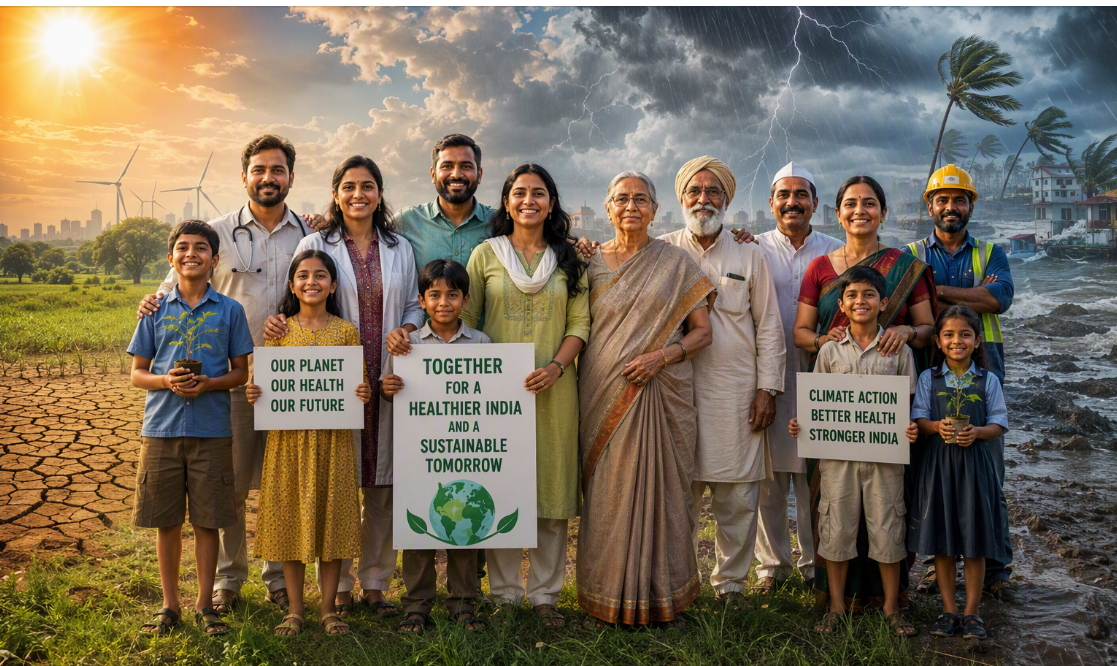
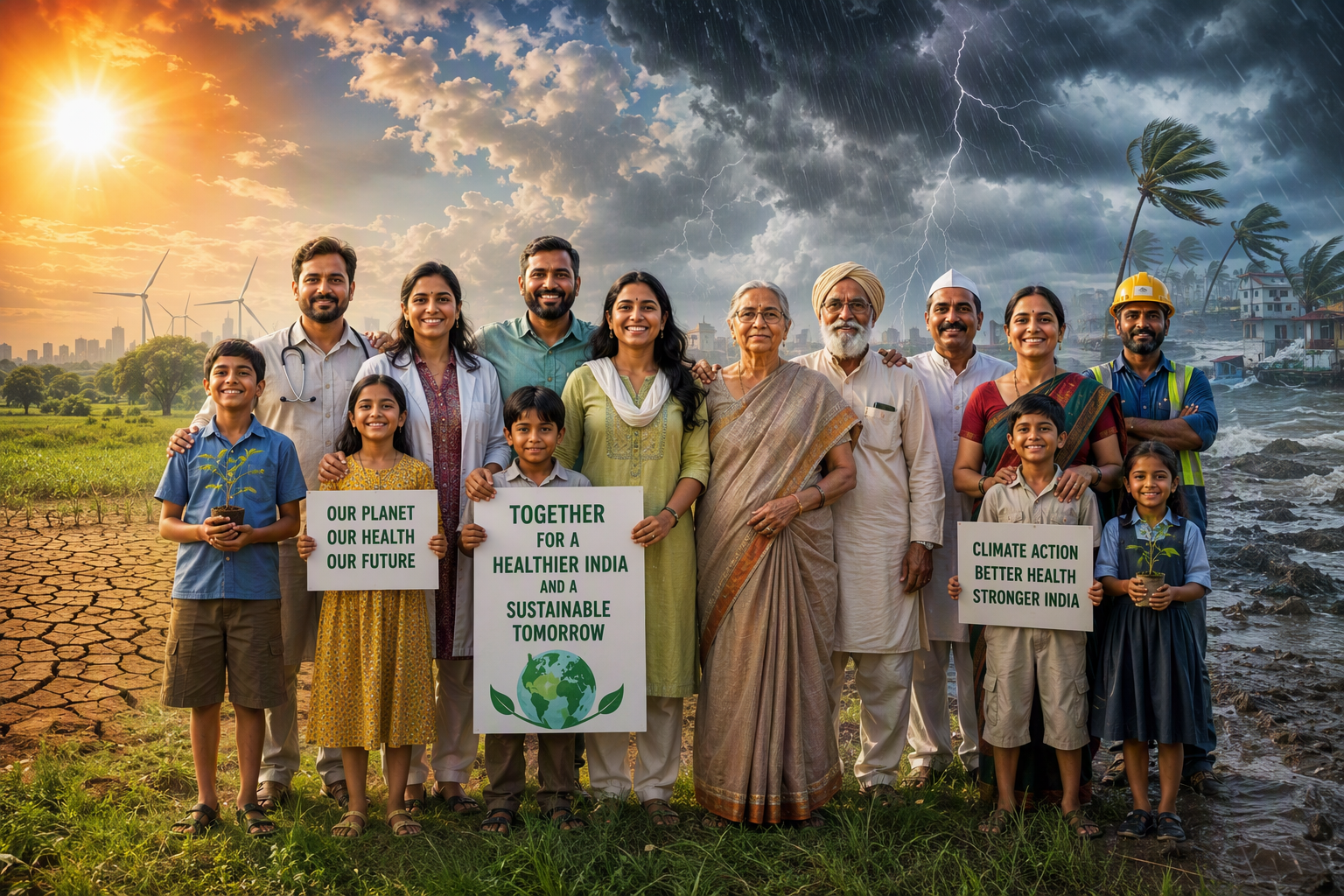
- Climate change impacts public health in India with more heat, floods, droughts, and pollution.
- Extreme weather events can make health risks go up. These events can mess up water supply, food, and health care.
- Infectious diseases may spread faster when temperature and rainfall patterns change.
- Bad air quality can hurt breathing, especially for people in crowded urban areas.
- Vulnerable populations like children, older adults, and people with low incomes are at greater risk.
- Strong public health action can help people be more prepared and strong. It can also protect the community.
Table of Contents
Introduction
Climate change is not only about the environment now. It is becoming a public health problem that changes the way you live, work, eat, and keep safe. In India, heat is rising, and rain patterns are changing. Water is harder to get for people. Pollution and how diseases spread are also bigger problems. These things put many people in danger.
The things we feel here connect to global health issues. Climate change can put food systems, health services, and how well a place can handle problems under more stress at once. To take better action, the first thing is to see this link between climate change, public health, and global health.
Understanding the Link Between Climate Change and Public Health in India
Climate change impacts public health in many ways. The impacts of climate change include stronger heat, changes in weather, water problems, poor air quality, and the spread of disease. All of these things create health threats for people. They can make daily life harder and put a lot of pressure on health systems.
In India, the effects of climate change can shape health outcomes in many ways. It can lead to food insecurity and heat stress. People might have to move from their homes, and services that help them could be damaged in disasters. To understand the full picture of climate change and its impacts, it is helpful to look at what climate change means, what risks it brings, and how the effects of climate change reach people.
Defining Climate Change and Its Relevance to Public Health
Climate change is about big changes that happen in the weather over a long time. This can mean things like rising or falling temperatures and changes in how much it rains. Global warming is one part of global climate change, but there is more to it. The planet is also seeing more droughts, more floods, stronger storms, and changes in the seasons. All these weather patterns can change the air you breathe, the water you drink, and the food you eat.
That is why climate change is very connected to environmental health. The health effects of climate change do not come from just one disease or one cause. They can change how safe people feel, what nutrition they get, what diseases they are exposed to, and also their mental well-being. These effects of climate change can touch everyone in a community.
For public health, there is a clear concern. Climate change makes the risks that we already know about even worse. It can also bring new risks to places or times of year where people did not expect them before. This change makes it harder for people to plan, stop problems before they start, and be ready for what might come.
Key Health Risks Associated with Changing Climate in India
As the climate changes, there are several health risks that go up. Heat can give you dehydration, heat stress, and even heat stroke. When there are floods and storms, people get injured and water may become unsafe. Health services may also get damaged. A drought can make water hard to find. Food insecurity can also get worse. If air conditions are bad, people can get lung disease and other breathing problems.
The health impacts of climate change can also lead to more infectious diseases. When the weather gets warmer and wetter, mosquitoes and some other insects can live in more areas. This makes it easier for them to spread these diseases. Also, if water is not clean, it can lead to stomach problems and other health impacts that affect the stomach and gut. The impacts of climate change really do touch many parts of our health.
Some groups are hit harder by health threats than others. Children, older adults, pregnant women, and people who have a long-term illness face more risk. Families with little money, workers who spend a lot of time outside, and places where people cannot get good health care are also in danger. These patterns are a big issue not only in India, but also in global health and across many health systems.
Pathways of Climate Impact on Health: Direct and Indirect Effects
Some climate harms happen right away. Extreme weather can bring heat waves, strong storms, and floods. These things can hurt people. There can be heat stress, injury, people being forced to move, or even deaths. A lot of the time, these effects show up fast. They can put a lot of pressure on health services.
There are other harms that do not happen right away. These can get worse as time goes by. A changing climate can have an effect on drinking water, air quality, crop yields, and the way diseases spread. That means health outcomes can get worse even if there is not a big disaster happening on that day.
Common pathways include:
- Being in hot places can cause heat stress. It can also lead to dehydration and heat stroke.
- Water that is not safe can make infectious diseases spread. It can also cause stomach illness.
- Food and help services that are damaged can make it hard to get enough nutrition and care.
Extreme Weather Events and Health Outcomes in India
Extreme weather like heat waves, floods, storms, and droughts can hurt people both during the event and after it. These problems can mess up things like getting around, finding health care, getting food, and having clean water. Because of this, the risk for injury, sickness, and waiting too long for care can go up.
As the precipitation patterns and temperatures in India change, it gets harder to predict and handle these extreme events. The next parts show how the rising heat, flooding, cyclones, and water scarcity affect health effects across the country.
Rising Temperatures and Heatwaves: Health Implications
Rising temperatures make extreme heat even more risky in daily life. Heat waves can push the body past what it can handle, and if nights stay hot, there is no time to cool off and feel better. This can bring a higher chance of heat stress, dehydration, and heat stroke.
The health impacts of climate change linked to heat go beyond what many people think. Extreme heat can make problems like cardiovascular disease, breathing trouble, and other health issues worse. Older adults, children, outdoor workers, and people who do not have ways to cool down are at higher risk.
Cities can be quite risky because these areas keep heat in. On hot days with no wind, the air does not move. People in the city feel the heat more and the air can also feel worse to breathe. This is why it is so important to have plans for heat, let people know about heat warnings, and make sure there are places for the public to cool down.
Floods and Cyclones: Immediate and Long-term Health Concerns
Floods and cyclones can cause health emergencies very fast. People may have to deal with drowning, get hurt, see dirty water around, or lose their home right away. Roads and bridges might break down. Power can go out. These things make it hard for people to get help when they need rescue or treatment.
The health effects on your body can still be there after the water level goes down. That is because flooding can make water dirty. It can also make it hard to get your medicines. People may feel stomach illness after that. When there are many in a shelter, it can feel stressful. It may also help some sicknesses to spread between people in the shelter.
Long-term harm is usual in a climate crisis. Families can lose their homes. Some people lose their health records, and many have trouble getting care when they need it. This can get even worse for people who have disabilities. Older adults and people who are sick for a long time also struggle. For them, these problems can be very serious and sometimes life-threatening.
Droughts and Water Scarcity: Public Health Consequences
Drought does not only affect farming. Climate variability can lower the water supply. This means there is less water for cleaning and staying healthy. It also adds more problems to families who do not have much to start with. When water is hard to find, it gets harder for people to keep themselves healthy each day.
Water scarcity harms food production and nutrition. When there is less crop output, food insecurity can get worse. Poor water quality can also make people sick. In many places, these problems with food insecurity and water quality shape health outcomes for people over months or years.
Public health consequences include:
- The water quality is not as good, and people face more contamination now.
- Food insecurity is higher because farms are not producing as much.
- There is more stress on families, clinics, and local support systems.
Air Quality, Pollution, and Respiratory Health
Climate change has an effect on the air around you, both outside and inside. When the weather gets warmer, the air often stands still, and there is more pollution. This mix can make air quality worse. You will be more likely to breathe in bad particles and gases. That may lead to more coughing. Some people may get asthma attacks. Others could have more trouble with breathing. So, it is good to pay attention to changes in air quality caused by climate change.
Particulate matter and other pollutants can have many health effects. This can be worse for people who already have lung or heart problems. To see how big this problem is in India, you need to look at cities, allergens, and how people are exposed indoors.
Climate Change and Increasing Air Pollution in Indian Cities
Global warming can make urban pollution worse in many ways. When there are higher temperatures and still air, smog can form more. These conditions can also keep pollutants near the ground. This means it can be harder for people to avoid bad air quality in a crowded city.
Carbon dioxide is not the only thing to worry about. A warming climate can also change how wildfire smoke, dust, and chemicals behave in the air. In urban areas that are already stressed, this can make the air unhealthy to breathe on more days.
For cities in India, there is a clear lesson here. Climate change can make air quality get even worse. This is most true for places that already have a lot of traffic, are crowded, and do not have much green space. This can mean more people need to go to the doctor or hospital. People’s lungs might not work as well. There is also a risk of long-term damage to how we breathe, our respiratory health.
Respiratory Diseases and Airborne Allergens
Bad air can cause many breathing problems. When people breathe in tiny bits, smoke, and things in the air like ozone, it can hurt their lungs. This makes asthma worse, causes swelling in the airways, and makes it hard for the lungs to work well.
Health risks can go up when the weather affects things in the air that cause allergies. When temperatures get warmer and carbon dioxide goes up, the pollen season can last longer. There can also be more pollen in the air. This makes it worse for people who have allergies or asthma.
Breathing in fine particles for a long time can cause more harm. These tiny bits in the air can be why people get chronic obstructive pulmonary disease, cardiovascular disease, and lung cancer. Kids, older people, those who work outside, and people who already have lung disease feel the effects the most.
Urbanization and Indoor Air Quality Challenges
Urbanization changes the way people deal with pollution. In crowded places, families often stay inside more during hot weather, storms, or when there is smoke in the air. But staying inside might not always be safer. This is true when the air does not move much, or if there is a lot of dust and smoke inside the home.
This is a concern for environmental health. That is because climate pressure can make people stay inside for longer. Things like heat domes, bad air outside, and problems with weather can all cause more indoor exposure. If the air quality inside is bad, health effects can show up fast.
Key challenges include:
- There is not much air coming in or going out in homes with many people.
- Smoke, dust, and dirty stuff can get stuck inside.
- People stay inside longer when it is very hot or when the air outside is not good.
Climate Change and the Spread of Infectious Diseases
Climate change can change when, where, and how infectious diseases move between people. Global warming, changes in rain, and extreme events can change where mosquitoes live, make water unclean, and bring in things that help diseases spread. The health threats from this are serious for people who live in both rural and city places.
In India, infectious diseases can show up sooner, last for more time, or spread to new places because of the changing weather. The next parts will talk about how heat and rain can change vector-borne illness, water-borne disease, and the way these diseases act.
Vector-Borne Diseases: Malaria, Dengue, and More
Vector-borne infectious diseases change a lot with the weather. Mosquitoes and other carriers are quick to react to things like how hot or cold it is, how much it rains, and the amount of humidity. When the weather changes, the way and where these diseases spread can also change.
This is very important for the spread of malaria, dengue, and the same kind of diseases. When it gets hotter and wetter, there can be more mosquitoes. They can also live in more places than before. The way these diseases spread may change with the seasons, or they can show up in new places that did not have big problems before.
For public health, the health risks are big. Families can get exposed to the same problem over and over. Clinics may get more people coming in for help. It gets harder to stop these problems from spreading. Watching out for cases, getting rid of mosquitoes, and taking care of standing water matter a lot when climate-sensitive diseases start to move into more places.
Water-Borne Diseases Linked to Climate Variability
Climate variability can make drinking water less safe and less steady. When there is heavy rain, runoff, flooding, or storm damage, these things can get into drinking water and make it dirty. Higher temperatures can also help bacteria and other bad organisms grow in water systems.
This can lead to a higher risk of water-borne diseases and stomach problems. If the sewage systems overflow or get damaged, dirty water can get into the places where people live. Communities may then use this water for drinking, cooking, and other daily needs without knowing it’s not safe. The health outcomes can include diarrhea and may even affect organs in a more serious way.
The problem is not just about being able to get water. The quality of water can change fast during or right after extreme weather. That is why it is important to check water quality, treat the water to make it safe, and give fast warnings to the public. Doing this can help lower the number of diseases that come up when extreme weather leads to trouble with water.
Shifting Disease Patterns Due to Temperature and Rainfall Changes
Disease patterns do not stay the same when climate conditions change. Changes in temperature and precipitation patterns can affect where and how vectors breed. They also change how long pathogens can live. This means outbreaks can become more likely at different times. Because of this, climate variability is a big public health concern.
This means that some illnesses may show up sooner in the year. They may stay around for a longer time or spread to new areas. There can be more health impacts in places where people were not ready for these infections. This can put more pressure on the people and the local services there.
Common shifts include:
- Vectors are now active earlier in the season.
- Warmer or wetter periods have made the areas where diseases spread bigger.
- There are now new outbreak times because of strange rain and heat.
Food Security, Nutrition, and Public Health Challenges
Climate change affects the whole food system. It changes how food is grown, moved, and given to people. The heat, less rain, more floods, and transport issues can lower how much food there is. This makes it hard for people to have healthy food. Because of this, climate change impacts lead to a public health problem.
When food insecurity goes up, people can have worse nutrition. This is true for many families that are already having a hard time. In India, you can see this when crop yields go down. Food can also get contaminated. Food prices can become too high for some people. The way food insecurity connects to these problems is shown in the next sections.
Impact of Crop Yield Reductions on Nutritional Status
Lower crop yield can soon lead to health problems. Heat and lack of water are expected to bring down the amount of key foods like maize and wheat. When the harvest drops, food security goes down. Food availability becomes less steady.
That change can have a clear effect on the nutrition people get. Families might not eat as many kinds of foods. They could skip meals. Some may feel they have to buy cheap food that does not give all the nutrition they need. Over time, this can make health outcomes worse, most of all for children and older people.
There is also a worry about quality. If there is more carbon dioxide in the air, some crops might have less protein and fewer important minerals. So, even if there is food to eat, it may not give the right nutrition that people need. This is why crop loss from climate problems is a big public health issue.
Contamination of Food and Water Resources
Climate change can make food and water less safe. Storms, floods, and runoff can bring chemicals and waste. This can get into fields, where food grows, and storage places. It can also get into lakes and rivers. These things increase health risks for people in the area.
Food safety is also at risk when the heat is higher. Higher temperatures let bacteria like Salmonella grow faster. This can make food poisoning more common if people do not store or handle food in the right way. Warmer water can also bring new problems for seafood and water you see on the surface.
When there is contamination, families can start to feel unsure about what they eat and drink. This loss of trust can lead to more food insecurity. Medical costs can go up, and people may get sick more often. It is important to use safe monitoring and respond fast, especially with the changing climate.
Food Availability, Affordability, and Security
Food security is about more than just farms. Global climate change can affect the way food is moved, stored, and brought to people. Bad weather like floods, storms, or drought can make this harder. Sometimes, even if there is food in one area, it does not get to the people who need it. Climate change makes these problems with food security worse around the world.
Itis important for food to be affordable. When the climate changes, the price of food can go up. That makes it hard for people who do not have much money to buy good food. This problem can lead to health risks because many people do not get enough to eat. It can make the body weaker, make people sick more often, and slow down the way children grow.
Key pressure points include:
- There is less food after bad weather.
- It is harder for families at risk to buy what they need.
- People feel less safe when the supply chains stop working.
Vulnerable Populations and Health Equity
Climate risks are not the same for everyone. People in vulnerable populations face more danger. They feel stronger effects from changes in the climate. Many do not have the means to adapt. This is why health equity should be at the center of any real plan. If we do not focus on it, climate pressure can make health outcomes even more unequal.
In India, health systems and health care play a big role. They have a lot to do with who gets better and who does not. Kids, older people, those with less money, and Indigenous groups need more focus in talks about this.
Children and Elderly at Greater Risk
Children and older people are some of the most vulnerable populations in a changing climate. Their bodies have a harder time handling heat, pollution, infection, and poor nutrition. This can make health risks go up for them during both sudden disasters and when the climate changes slowly over time.
Children may be outside for a longer time. This means they get more heat and breathe in more bad air. Older adults often live with health problems, trouble moving, or disabilities. These things make it harder for them to leave a place quickly or get better after a bad event.
These things can lead to more premature deaths when there are heat waves or other extreme events. When clean water, power, transport, or medicines are not there, both young and old people can be hurt. To keep them safe, we need early warnings, access to care, and good social support.
Socioeconomic Disparities and Rural Vulnerability
Socioeconomic differences have a big impact on climate harm. Many low-income families live in places where there is more flooding, heat, or pollution. They often do not have enough money for cooling, moving, medical care, or starting over. This makes it harder for people to have fair health.
Rural health has its own problems. People in these areas often rely on rain, crops, and the local water supply. When there are weather problems, people live far from hospitals. There are also not as many services. This can make health effects worse and last longer.
Common challenges include:
- Many people do not get good health care and clean water.
- A lot of people have jobs that depend on the weather.
- They do not get better quickly after things like disasters or losing crops.
Indigenous Communities and Climate Health Challenges
Indigenous people often feel the effects of climate change, even though they do not cause much of the problem. The places they live, the way they make a living, and their culture are all connected to land, forests, and water. These things are changing now, so the climate change impacts they face can be very strong.
This brings several health threats at the same time. Food sources may change or be hard to get. There can be less water for people. Some people might be forced to leave their homes. Others may find it hard to get help or services. All these things can harm public health. A public health plan should look at these problems together, not one by one.
The health impacts can get worse if communities are not part of the planning or if people do not talk to each other well. It is key to show respect, give better access to care, and help local strength to protect Indigenous communities from harm linked to climate problems.
Urban Areas: Unique Challenges for Public Health
Urban areas feel climate pressure in strong ways. There can be a lot of buildings, more traffic, and many people in these places. A lot of weak infrastructure can make problems worse. This may lead to stronger heat island effects, lower air quality, and higher risk of disease. At the same time, more people and demand can put health services under strain, especially when there is an emergency.
These health impacts show up most in cities, but they are not the same in all places. Heat, slum living, and places with a lot of pollution can make the risk different for people. The next parts will talk more about these city public health challenges.
Heat Island Effect and Temperature-Related Illnesses in Cities
The heat island effect causes urban areas to be warmer than the land around them. In cities, concrete, buildings, and only a few trees hold on to heat during the day. At night, they let this heat out slowly. This makes local temperatures go up and keeps the air from cooling down after extreme heat.
That extra heat can make health outcomes worse very fast. People can feel heat exhaustion, dehydration, and heat stroke. This is a bigger problem when homes are crowded or there is not good air flow. Older adults, outdoor workers, and low-income families get the most exposure to the heat.
When heat mixes with still air, cities can get more risky for people. If there is not good cooling, long trips, or a lot of people need emergency help, a hot time of the year can become a public health problem. Cities need heat plans because they make climate stress feel stronger.
Overpopulation, Slums, and Healthcare Infrastructure Stress
Overpopulation puts more pressure on cities when the weather is bad. If many people need to use the same roads, water, toilets, and clinics, even a small stop in these things can turn into a big public health problem.
In slums and in informal settlements, these risks can feel stronger. The housing is often crowded. There is not much ventilation, and drainage may not be good. When there is heat, floods, or when a disease spreads, families can face these problems many times. They also have fewer ways to move or to keep safe.
This can put a lot of stress on health care and health systems. Hospitals can get many more patients at once, and this can make things hard for them. Problems with roads or power cuts can stop normal health care services. We need to be better ready in each place. This way, when the city grows, every change in weather does not have to become a big problem for health care or health systems.
Air Quality Hotspots and City-Specific Health Initiatives
Not all parts of a city have the same air quality. Some areas become air quality spots because traffic, industry, still air, and tight development can all come together. In these spots, people can face a big risk from particulate matter. This can be bad for environmental health.
When a city tries to help people stay healthy, the best way is to be focused. Watching pollution levels, finding places in the city with more problems, and giving more help to high-risk neighborhoods can make things better. This way, public health teams can act early. They stop bad air from turning into a big problem.
Useful city health initiatives include:
- There is local air quality monitoring done in places where people get the most exposure.
- People get public alerts on days when the air pollution is not good for health.
- There is special help for neighborhoods and workers that are more at risk.
Mental Health Impacts of Climate Change in India
Climate change does not just impact the body. It can also cause more mental health issues. People feel fear, there is a lot of uncertainty, and many feel loss. Some people go through disaster again and again. These things add to mental health problems.
When there is more heat, this can push people out of their homes. A lot of people may lose the way they earn money. A life at constant risk can change how we feel and act from day to day. Climate change is not just about health issues for the body—it also affects our minds.
This shows that mental health is a public health issue and not just a private topic. In India, we need to look at climate anxiety, trauma, and changes in society with care. The next parts talk about how these problems come up and what being strong can look like for people.
Climate Anxiety and Psychological Stress
Climate anxiety is when people feel worried because they see more climate threats. Stories about heat waves, droughts, floods, and pollution can make people feel unsure. As time goes on, this can affect mental health, even if someone is not in a disaster.
Psychological stress can grow when families worry about things like losing crops, not having a steady job, unsafe places to stay, or getting sick often. These worries might not seem big or easy to see, but they can make people feel tired. Over time, they can also make it hard for people to feel good in their daily lives.
The health effects are important because stress can change how well you sleep. It can also make it hard to focus and deal with other health risks. People who already have mental illness can be at more risk. A climate response should give emotional support and not just physical protection.
Disaster-Related Trauma and Loss
A disaster can have lasting effects on your mind even after the damage to the place or things is fixed. There can be floods, cyclones, or a very hot day. These often cause you to lose your home, our way to make money, your daily life, or even people you care for. Many feel this trauma because they feel like they are not safe and have no help.
These mental health issues can change life for children, older people, emergency workers, and families who are already dealing with stress. Anxiety, grief, and post-traumatic stress may show up right away or take months to start. The health impacts can reach everyone in a community.
Recovery gets better when people in a community keep in touch with each other. Having help from others, safe places to stay, care when you need it, and clear ways to share news all help lower stress after a climate disaster. When people do not have these things, the pain or sadness can stay much longer than the event.
Social Displacement and Community Resilience
Displacement changes more than just where people live. When people have to move because of floods, storms, or ongoing weather problems, they can lose the things they do every day. They also lose their friends and people they trust to help them. This can cause more stress and also bring bigger health threats.
Public health planning needs to see that moving people can change their sense of worth, safety, and how they heal. A community gets stronger when people can stay together, get help, and join in making choices for their lives.
Important resilience supports include:
- People need good social support networks after they have to leave their home.
- There should be safe ways for them to get shelter, care, and information.
- The community must take part in local recovery plans.
Gender and Climate Change: Differential Health Outcomes
Climate change does not impact men, women, and other genders in the same way. The roles people play in society, the way people take care of others, how easy it is for someone to move around, and if they can get help or resources can change health outcomes. This happens during times like heat, floods, food problems, and when illness spreads.
That is why it is important to think about gender in climate planning. Women, pregnant women, and children living in homes that are hit by problems like this can have more to carry or deal with during emergencies. When you look at things like women’s health, the health of mothers, and the way they lead in finding solutions for changes, you can see better what fair protection should be for all.
Women’s Health Vulnerabilities During Climate Events
Women can have more health risks when there are big changes in weather or climate. This is because social and money problems can slow down how fast they can act. If a woman has less freedom to move, less money, or less say in what happens, it can be much harder for her to find help or get to a safe place.
These health threats can become more common when there are floods, storms, or times of very hot weather. When people have to leave their homes, stay in places that are not safe, do not have clean water, or cannot get good care, it can hurt women’s well-being right away and for a long time.
Women are also in the group of vulnerable populations when there is water scarcity or food insecurity at home. During these times, women often have more caregiving to do. At the same time, support systems get weaker. Public health planning needs to treat these issues as important. These are not things that should be seen as less important.
Maternal and Child Health Risks in Affected Regions
Maternal health can be at risk during times of climate stress. Pregnant women are more likely to be harmed by heat waves and extreme events. This is true, especially if there are problems with transport, electricity, or health services. It can get hard for them to reach skilled care right when they need it most.
Child health can get worse when things like food, clean water, and regular care are not stable. Heat, sickness, and not getting enough food can make health risks even higher in places that are already having a hard time.
These problems are part of a bigger global health issue. When climate events affect families who are at risk, it can hurt people for years. There can be poor nutrition, late treatment, and stress. Taking care of pregnant women and children should be at the center of plans for health and climate.
Empowering Women in Adaptation and Response
Women should not just be seen only as people hurt by climate change. They are also key leaders who help others adapt to change, care for their families, and solve problems close to home. When women are part of planning for climate change impacts, answers often get better and more fair for all.
Empowerment helps make health care and health systems stronger. Women are usually the first to see problems at home. These include things like unsafe water, heat, and not enough food. When women help in the community, it can make it easier to reach people and build trust with them.
Useful steps include:
- Make sure women are part of local plans to adapt to changes.
- Help more people get health care during times of trouble.
- Give support to groups led by women when they respond to events and share news.
Climate Change Policy and Public Health Actions in India
Public health actions are most helpful when there is a clear policy behind them. Policies that focus on health and climate can help with getting ready for problems, watching out for early warning signs, good communication, and better services. This support can stop everyday problems from turning into big disasters. The facts and advice from the World Health Organization and the Intergovernmental Panel give a strong direction for this work.
In India, it is important to have the right mix of national and state efforts. Good warning systems and strong health care planning also help. The next few parts explain how the plans and rules can go from big ideas to real action that keeps people safe.
National and State-Level Policies Targeting Health and Climate
Government action can help slow climate health problems if it works before trouble happens, uses proof, and fits local needs. Good health rules help watch for danger, get ready, keep things cleaner, and keep people in high-risk groups safe before a crisis gets worse.
Policy must also take into account different climate change scenarios. Heat, drought, floods, disease spread, and urban pollution can hit each area in a different way. So, planning at the national and state level needs to fit what people face in that place and what public health needs are there.
Useful steps for policy are to be ready for emergencies, check how health can be affected, and make sure our food, water, and cities can handle tough situations. When the government brings together climate plans and everyday steps to keep people healthy, the community can get ready for problems that happen suddenly and for those that take longer to show up.
Early Warning Systems and Surveillance Initiatives
Early warning systems let people know early so they can act before things get worse. Alerts about heat waves, floods, storms, and bad air quality help families, schools, hospitals, and local leaders get ready. This can lower deaths, sickness, and problems with services.
Surveillance matters a lot. Public health teams must have data about pollution, water issues, infectious diseases, and visits to emergency rooms. This information helps them see what health threats are changing. When tracking gets better, teams can act faster and make sure they send help where it’s needed most.
Policy should help both systems work together. Warning tools without good monitoring may not spot patterns in time. On the other hand, just watching without steps leaves the community at risk. In climate-sensitive places, strong alerts and good monitoring are key for basic public health safety.
Strengthening Healthcare Systems for Climate Resilience
Health care systems must be strong if they want to work during heat, floods, outbreaks, and times when people have to leave their homes. Clinics and hospitals need to keep giving health services, even if roads are blocked, the power goes out, or there are more patients than usual.
Adaptation is about getting ready for everyday pressure and times when there is urgent need. You need better plans, staff who are ready, buildings that are safe, and good ties with local warning systems. When health systems are strong, people can recover faster. There are also fewer problems for them after bad events.
| Priority area | Why it matters for resilience |
|---|---|
| Emergency preparedness | Helps facilities respond quickly during climate shocks |
| Surveillance links | Supports faster detection of outbreaks and exposure risks |
| Service continuity | Protects access to medicines, records, and essential care |
| Community coordination | Improves referrals, outreach, and recovery support |
Community-Based Approaches for Reducing Health Risks
People in communities are usually the first to act when trouble from climate comes. Local changes can help lower health risks. They do this by making people more aware. They also help people move faster and trust each other more. This is very needed when formal systems cannot reach people quickly or when they do not have enough to give.
Public health gets better when community groups, health professionals, and local leaders team up and work together. Good things can begin right where people live. You can start with local projects, working together, and easy-to-understand education. The next parts show you how this can happen.
Local Adaptation Projects and Best Practices
Local adaptation gives the best results when it meets real needs in a certain area. A community that has floods will need different things than one that has to deal with drought or goes through heat waves often. The strongest public health outcomes come from simple ways that people can use in their daily lives.
Projects can be about water safety, finding ways to cool off, setting up local alerts, controlling mosquitoes, or giving support to families who have lost their homes. When people in the community help plan these projects, the response often gets faster. People also trust these plans more.
Helpful best practices include:
- Building warning and response plans with people in the community.
- Making local help systems for problems like heat, water, and disease.
- Getting people who live there to help find health impacts and ways to fix them.
Collaboration with Public Health Networks
No community can handle climate health risks by itself. Working with public health groups helps people get support, health data, training, and quick help in emergencies. When people work together, they can do a better job at dealing with health risks.
Health care providers, local groups, researchers, and emergency teams do different jobs. When these people start to talk to each other early, they can handle things better. This helps when there is high heat, sickness gone around, bad water, or problems with air quality.
Collaboration also helps keep things steady. When people share the same messages, work together on plans, and use connected referral systems, it is easier for everyone to know where to go and what to do. A strong health network turns scattered work into a more dependable climate-health response.
Role of Education and Communication Strategies
Building awareness about the health impacts of climate change is important. It helps people feel that they can do something about the problems in their communities. Education is key. When people learn how things like extreme weather events affect health outcomes, they understand why quick action is needed. This makes people want to take steps to help.
Good communication can make a big difference. Sharing information on social media and through local outreach allows us to reach vulnerable populations. These are the people who feel the impacts of climate change most. Working together with health professionals, teachers, and local leaders helps us make messages that fit each group. These messages really connect with people.
If we focus on education and use clear words to share information, we can get more public support for action on climate change. This also helps people choose healthier ways to live and makes them stronger when facing health risks. A community that knows what is going on will work better together to get through tough times and feel better about the future.
Innovations and Technology for Climate-Health Solutions
New technologies are now key to dealing with the health impacts of climate change. For example, tools that use data to predict extreme weather can help people get ready for health emergencies. These tools help health professionals know where there may be more risk from things like heat stress or infectious diseases. With better air quality monitoring, we can learn more about how pollution hurts the lungs and heart. When people use more renewable energy, they rely less on fossil fuels. This helps make the air cleaner and supports public health for everyone. Using these ideas is a good move for vulnerable populations in India. This can help them stand strong against impacts of climate change and extreme weather events.
Digital Health Tools and Predictive Modeling
Digital health tools and predictive modeling are changing the way we handle public health problems caused by climate change. The use of the right data and smart technology lets us see how extreme weather can hurt people and tells us which groups are the most at risk. For example, health professionals can use predictive modeling to know when there may be more cases of illnesses from heat waves. With this, they can act fast. Mobile apps also help by sharing real-time updates on air quality. This makes it easy for people to decide what to do and stay safe. When we use these solutions, everyone can feel more ready. Our health systems and communities become stronger as they face new challenges from climate variability and extreme weather events.
Renewable Energy for Healthier Environments
Moving to renewable energy helps reduce the health impacts of climate change in a big way. When we cut back on using fossil fuels, it means less carbon dioxide and particulate matter gets released. This leads to better air quality. Health professionals say that when the air is cleaner, there are fewer cases of respiratory problems, like chronic obstructive pulmonary disease and lung cancer.
Using more renewable energy also helps with food insecurity. A steady energy supply helps farms grow food, which is very important for vulnerable populations. With cleaner air and more stable energy, people can feel better both in their bodies and their minds. In the end, these changes support better health outcomes for all communities.
Early Detection and Rapid Response Mechanisms
Strong and quick action is the key to handling the health impacts of climate change. Health systems can use advanced data tools to keep an eye on extreme weather events, air quality, and other things that put people at risk. This way, they can spot which groups feel the effects of climate change most.
Mobile health apps can send alerts when problems like air quality changes or heat waves happen. These tools let people and communities know right away. They help people act fast in health emergencies. A fast response leads to better health outcomes for everyone.
Raising public knowledge and asking people to join in makes these plans work even better. The goal is to lower the health threats from climate change and help all areas, big or small, handle this challenge. Every action today makes us stronger the next time the effects of climate change come up.
Case Studies: Real-Life Examples from Across India
Understanding how different regions in India deal with climate change helps us learn a lot. In urban areas, some new ideas work on making places stronger by adding green spaces. This not only helps to make the air better to breathe, but it also makes life better for people who live there. In rural areas, many groups work hard to use ways of farming that can last for a long time. This helps to fight food insecurity and makes sure the most vulnerable populations have enough food.
These stories show how local governments, health professionals, and communities can team up and make a real difference. Working together helps reduce the health impacts of climate change, improve air quality, and make life better for all. A group effort goes a long way in building food security, helping communities, and making the environment healthy for everyone.
Urban Success Stories in Resilience Building
Cities in India have made good progress to deal with climate change. People started new projects like ways to cool the city and set up green spaces. These steps have helped to make the air better and cut down on heat stress. A cooler place is good for your body. It also helps with mental health problems that can show up when there is extreme heat.
Some groups now run programs that tell people about health risks from climate change. With this, citizens can get skills and knowledge to change what they do, so they feel safer—especially those who are most in danger. When all the stakeholders talk and work together, it helps people to act and brings everyone closer to a future where the city is not hit as hard by climate change. This way of working can improve physical health, lower mental health issues, reduce heat stress, and give better air quality for all, with a focus on helping vulnerable populations.
Rural Initiatives Addressing Climate and Health
Innovative rural projects are very important in fighting the health impacts of climate change in India. A lot of these programs work to improve food security and make water quality better, mainly for vulnerable populations who face food insecurity and many health risks. Community-based actions, such as using sustainable farming methods and working on water conservation, help to stop the spread of infectious diseases. These steps can also lead to better overall health outcomes.
People in the community join hands in promoting these changes. There are also educational campaigns to tell people about the health effects of climate change. This helps local people prepare for extreme weather, including heat waves and other extreme weather events. By making people and their villages stronger and more ready for the effects of climate change, these projects protect public health and help everyone feel more connected with each other.
Conclusion
Dealing with climate change and the impacts of climate change on health in India needs a new way of thinking. We have to use technology, education, and teamwork to help public health become stronger against extreme weather and extreme weather events. These risks are growing because the climate keeps changing. Acting now by putting money into renewable energy, making air and water quality better, and starting early warning systems will help cut down health threats. This is important, most of all, for people who are most at risk.
When all communities come together and act as one, they can adjust and deal with these climate problems the right way. This will lead to better health for everyone and fewer health impacts of climate change. In the end, we can build a world that helps us have clean water, good air, and a safe place to live.
Which communities in India are most affected by climate-related health risks?
Vulnerable communities in India are people who live in coastal regions, in poor city areas, and in the countryside where not many can get good healthcare. They face more heatwaves, floods, and pollution, and this makes health risks higher for them. These problems are worse for the marginalized people because they have less help and face more dangers in their environment.
How can individuals help protect their health in a changing climate?
People can look after their health by using good habits like making less waste and taking public transport. It also helps to stay updated on how climate changes are happening in their area. People can join with others in things that help the community. Doing these things makes everyone stronger when facing health issues from climate change. This way, people help keep a healthy future for themselves and those around them.
What government policies are supporting public health adaptation to climate change?
Government policies that support public health adaptation to climate change in India include the National Health Mission. The National Adaptation Fund for Climate Change is also part of this work. There are many state-level efforts as well. The programs focus on better healthcare systems. They help people use more sustainable ways. They also work to make people stronger against health risks that come from climate change.