
Key Highlights
- Noise pollution is not just a small problem. It can damage human health in ways that last.
- High noise levels have links to hearing loss. They can cause sleep troubles, stress, and high blood pressure.
- The health effects of noise exposure also include heart disease and other issues with the heart and blood vessels.
- Mental health can get worse if chronic noise makes it hard to rest, focus, and feel good each day.
- A lot of the impact of noise pollution comes from traffic, aircraft, industry, and the sounds in neighborhoods.
- To keep quality of life safe, people need better awareness, good noise control, and smarter ways of planning.
Introduction
Noise pollution is common in life today, but it can be bad for human health. Many do not notice it, yet it affects sleep, stress, focus, and the way your heart works. That is why it is a public health issue, not just something about comfort. Busy roads, planes, and places where there is work add to noise. Over time, these sounds lead to actual health impacts. To protect your well-being and make your daily life better, it is important to know how noise pollution hurts you.
Defining Noise Pollution and Its Relevance in Everyday Life
Noise pollution is when there is unwanted sound that makes life harder. This comes from things people do, like traffic, planes, trains, and factories. These noise sources happen every day. But the levels of noise from them still affect us and are important.
Across houses, schools, and roads, several types of noise may change sleep, how people learn, stress, and how the heart works. In cities, most noise pollution comes from traffic and building work. To know why this problem keeps getting bigger, it is good to look into what noise pollution is and the ways it moves around.
What Constitutes Noise Pollution
Noise pollution means sound that people don’t want, that gets in the way, or that hurts health. It is not just about very loud events. Sound that is lower but happens often can also be a problem. This can make it hard to sleep, talk, or focus. So, sudden loud noises and noise that sticks around both matter with noise pollution.
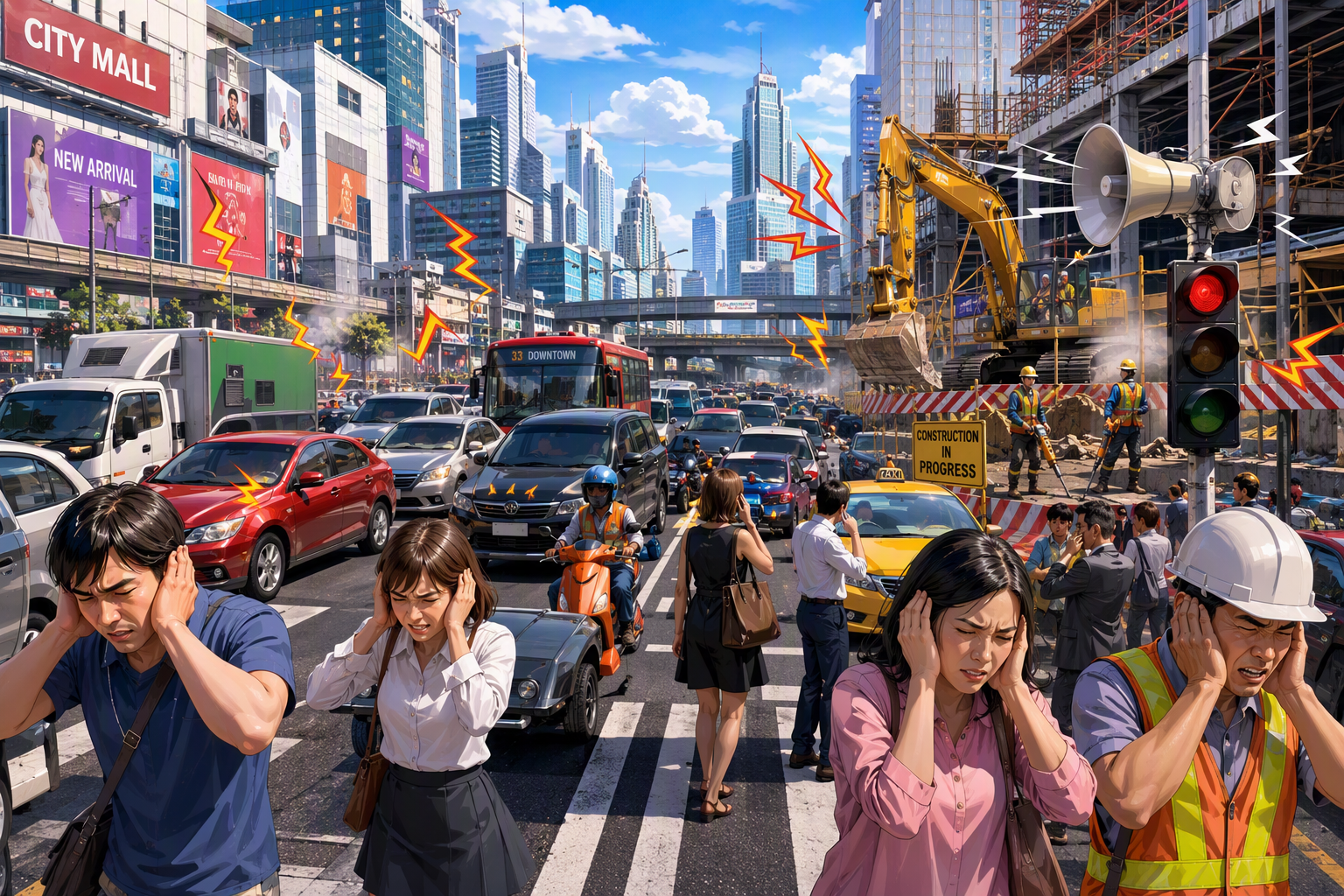
The main causes of noise pollution in the environment are mostly because of what people do every day. Some common noise sources are road traffic, railway traffic, airports, industrial sites, and construction equipment. People also talk about consumer products and motorcycles as noise sources in public discussions about noise pollution.
There are different types of noise. These can change in pattern and volume. Some noise is steady, like the hum from a freeway. Some is not steady, like trains passing or aircraft flying above you. Even if the levels of noise seem the same, it is not always like that for the body. When the noise goes up and down, it can make you feel more strained. This can also help raise health issues for people.
Why Noise Pollution is a Growing Concern Worldwide
Noise pollution is now getting more notice because it does not just harm hearing. Research shows that environmental noise pollution can cause problems with sleep. It also leads to learning troubles, high blood pressure, and heart disease. Noise can also impact mental health. This is because the body keeps reacting to stress from the noise.
Public health experts say that noise pollution has a big and costly effect. In Europe, traffic noise is seen as a top environmental health problem after air pollution. The World Health Organization links this noise pollution with a large burden of disease, which includes many lost healthy life years.
This worry keeps getting bigger because our lives today are much louder. Cities are growing. Transport systems and factories are getting busier. Every day, people face more noise without choosing it. Noise pollution can harm human health in many ways. It can make it hard to sleep. It can make blood pressure go up. It can trigger stress. Life does not feel as good. Over time, people can have a greater chance of heart problems.
How Urbanization Fuels Noise Pollution
Urbanization leads to more people, cars, buildings, and shops being close to each other. When cities grow, human activities make loud noise and transportation noise happen all the time. It is part of life for many people now.
The problem is likely to get bigger as more people move to the cities. In places with lots of people, it is tough to keep noise levels down or control them. In cities, noise pollution mostly comes from these things:
- Road traffic and big roads
- Airports and paths for planes
- Railway lines and buses or trains
- Building sites and work from factories
For you, this can mean noise shows up when you are at home, at school, or even while you sleep. Urban growth makes noise louder. It also makes interruptions happen more often. This can make the noise feel more stressful and harmful as time goes on.
Common Sources of Noise Pollution in India
In city life, noise pollution often comes from a few main things people do. The biggest noise sources in cities are traffic noise, planes, trains, work in factories, building work, and sounds from homes or neighbors.
Noise is one of the types of pollution, but it is not always easy to notice. You may feel like you cannot see it, even if there is a lot. Still, it can hurt comfort and health in everyday life. To find out where the problems start, you can think of noise coming from three main places: traffic, factory work, or sound in the home and street.
Traffic and Transportation Noise
Transportation noise is one of the top reasons people get exposed to noise today. Road traffic from cars, buses, and trucks keeps the noise level high most of the time. On top of this, aircraft noise and trains make loud sounds that feel much worse to people.
These sources matter because people are often around them without wanting to be. The main causes of noise pollution in the environment often include:
- Heavy road traffic and busy freeways
- Aircraft takeoffs, landings, and flight paths
- Railway traffic and trains going by
- Mixed transportation routes in tight city areas
Sound level can change how bad the exposure is for people. A constant sound can tire you over time. Loud sound that comes fast can wake you up or hurt your ears. When roads and trains get bigger, we hear these sounds again and again. It can become part of daily life.
Industrial and Construction Activities
Industrial work and construction add a new level of environmental noise. There is a lot of heavy machinery, loud repeating sounds, and long work hours in these places. People who live or work close to this can have problems. If the noise goes on for a long time, it can be a health hazard.
Construction equipment and loud machines in worksites have been talked about a lot in noise control talks before. This shows that these things play a big part in how the sound is around your home, on the road, or where you work.
| Source | How it contributes to noise pollution |
|---|---|
| Construction equipment | Produces strong, mechanical sound that can be repetitive, sudden, and difficult to avoid nearby |
| Industrial sites | Create ongoing environmental noise from machines, processing, and commercial activity |
| Transport equipment | Adds movement-related sound around industrial and building zones |
| Trucks and motorcycles | Increase overall urban noise, especially where industry and traffic overlap |
Domestic and Neighborhood Sounds
Not all noise pollution is from highways or worksites. Sounds from the home and neighborhood can shape the sound you hear each day. Loud sounds from things people use at home, nearby devices, and things people do often in the area can make noise levels go up more than you might know.
This type of exposure is hard to spot since it mixes with background noise. Over time, that steady noise can get in the way of rest, focus, and feeling well. In the past, public health groups found that loud things like lawnmowers and chainsaws are big noise sources.
At home, you can start to reduce loud sounds by looking for spots where noise is the most. Try to spend less time in those noisy areas. Listen for background noise that keeps going. You can use simple tools to see just how loud it is where you are. If you have to shout for someone close to you to hear, the noise might already be too much.
Environmental Causes and Types of Noise Pollution
Environmental noise pollution happens when people make unwanted sounds in places we all share. The most common sources are roads, airports, railways, factories, and construction areas. These kinds of environmental noise often reach people who did not ask for it. Noise pollution from human activities can affect all of us.
The types of noise are not all the same. Some noise stays steady and is at a low level. Other noise comes as quick bursts. It is good to know the difference between natural sound and sound made by people. This helps us understand why some noise feels more harmful. The way noise shows up can also disturb health more in some cases than others.
Natural vs. Anthropogenic Noise
Natural noise includes sounds that happen without people doing anything. For example, there is sound from weather or other natural events. These sounds are always part of the environment. But they are not the main topic when experts talk about noise pollution or environmental noise pollution as a public health problem.
Anthropogenic noise is sound made by people and the things we use every day. Most of the noise pollution out in the environment comes from this type of sound. Road traffic, aircraft, trains, machines in workplaces, boats, sonar, searches for things underground, and the work done to get oil and gas are all talked about now as causes of this kind of noise.
This difference is important because noise caused by people is often loud, happens again and again, and is everywhere. It is not easy to get away from the noise. People feel its effects, and animals feel it too. It can mess with their migration and reproductive success. When humans are the main reason for noise, it can affect health and the environment in many places, not just one.
Outdoor Environmental Noise
Outdoor environmental noise is the sound you hear in streets, transit areas, and open spaces where people gather. It comes from things that we all use, like roads and trains. A lot of people get exposed to this noise every day, even if they do not want to. That is why it is one of the most common forms of daily exposure.
The main things that cause noise pollution outside are several big noise sources.
- Road traffic and how cars and trucks move on freeways
- Airports and planes that fly low above the ground
- Railway traffic and all transit systems
- Factories and building work
Being outside, you can be around a steady hum or loud noise spikes. The mix of these sounds is important. Studies show that changes in sound— not just how loud it is— can affect your body. So, even if two places look the same at first, the pattern of loud noise or other sounds can make one feel much more stressful when living nearby.
Indoor Environmental Noise
Indoor environmental noise happens when sounds from outside get into your home. There is also noise from things you use and activities that happen nearby. You be at home a lot, so even when the noise levels are not too high, if the environmental noise keeps happening, it can make it hard for you to feel comfortable or rest well.
It is easy to ignore background noise when you are inside. This is because you get used to it. But just because this noise feels normal does not mean it is safe. If you hear traffic, planes, or machines from outside in your room at night, it can still bother your sleep and how your body deals with stress.
To cut down on loud sounds at home, begin by paying attention to where and when they happen. See if you notice any spots or times when noise levels go up. Try to avoid being around this kind of noise if you do not need to, especially at night. Notice if you have to speak louder just to be heard by someone close to you. If you face this, it can mean the noise levels in your room are too high for you to feel at ease.
Main Ways Noise Pollution Affects Human Health
Noise pollution can hurt human health in several ways. It can harm your hearing. It can make it hard to sleep and cause stress. It can also change blood pressure. Over time, these effects can lead to more health problems, like heart issues and a lower quality of life.
Noise pollution can hurt human health in many ways. Right away, it can put strain on the body. Over time, it can raise the risk of sickness. It can also change a person’s mood, how well they pay attention, how they learn, and how well they do daily things. If you look at these steps one by one, it becomes easier to see and understand the problems noise pollution causes in real life.
Immediate Physical Effects
A short burst of loud noise can put strain on your body right away. The risk people know most is hearing loss. This can happen if you are around loud noise, even for a short time. Loud noise can hurt the nerve endings in your inner ear. This kind of damage is often permanent, so you cannot get your hearing back.
Noise can make the nervous system react. Even if the sound is not too loud, the brain may see it as something bad. This can cause the body to feel or act in other ways right away. These health impacts can show up fast.
- A short time of stress and being alert
- Higher blood pressure
- Problems sleeping
- Ears feel tired after loud noise
For a lot of people, these effects show up before they even know that noise can hurt their health. You might feel tired, feel stressed, or feel that you can’t focus well. This is why it is important to notice these signs right away. They are often the first thing that tells you your sound space is putting a lot of pressure on your body.
Long-Term Health Consequences
The long-term effects of noise should not be ignored. Being around noise all the time can lead to heart attacks and strokes. It also can cause more people to die from cardiovascular disease. Research shows this is true for noise from cars, factories, shops, and the community. The body does not get used to chronic exposure to loud sounds.
One reason could be that noise keeps the body under stress. This happens again and again. It can start pathways that change blood pressure, inflammation, and sleep. As time goes on, this may lead to heart disease and other health problems.
The health effects of noise exposure can change based on when you hear the noise. Nighttime noise is a big problem since it can stop you from sleeping well. It can also put more stress on your heart and blood flow system. If you face noise exposure over and over, your body may feel the health effects of noise for a long time. Even after the noise stops, these health effects may stay with you.
Vulnerable Groups and Risk Factors
Noise does not impact all people the same way. Some groups, like young kids, older people, or those who hear a lot of noise, may face bigger health risks. This can happen because of their age, where they live, or how often they hear the noise. Children are looked at in studies a lot because their bodies and minds are still growing, and regular noise can make bad reactions even worse for them.
Studies show that children can face several health issues when they are exposed to noisy environments over a long time. They can feel more stress. Their blood pressure can go up. A noisy place can lower their quality of life. Some kids may also get hyperactive or have trouble reading well. A few important things that can make these health issues worse are:
- Living near a lot of traffic or by airports
- Being exposed at night again and again
- Being around this for a long time at home or school
- Stage of development in kids
Noise pollution can be bad for children in ways that are not the same as for adults. Kids may have problems with learning and behavior that show up more clearly. They can feel stress in their bodies because of too much noise around them. Children often do not have control over their own spaces. This makes it hard to stop noise pollution for them. That is why it is important for communities to step in and help protect children from noise pollution.
Physiological Effects of Noise Pollution
The effects of noise pollution on the body do not stop at the ears. It can also change the way your body works. Studies show that noise pollution can affect hearing, stress signals, sleep, blood pressure, and how your heart works. This means the health effects of noise exposure can build up in several ways at the same time. The health effects of noise pollution and the effects of noise exposure can go through many parts of your body, making it even more important for people to understand what noise can do to us.
If you think about sound as something your body has to deal with, you can see the risks more clearly. The body can feel a lot of pressure from hearing loud noise all the time. This can lead to hearing impairment and heart disease. The next parts will talk about how this happens in simple words.
Impact on Hearing and Auditory System
The auditory system is where loud noise does the most harm. If you spend time in loud noise, it can destroy nerve endings in the inner ear. When this damage grows over time, it may cause hearing impairment. This kind of hearing loss cannot be fixed with surgery or other medical care.
This process is called noise-induced hearing loss. A single exposure to loud sound can hurt your hearing. If you keep getting exposed over and over, the risk gets higher. This makes the tiny parts in the ear break down more, and that affects your ability to hear high-frequency sounds.
These effects of noise pollution show why it is so important to prevent it. When there is damage to your hearing, it is usually permanent. This makes day-to-day choices matter, especially when you are in loud jobs, during travel, or while having fun. If the sound is loud and you cannot talk to people in a normal way, your ears might already feel stressed.
Cardiovascular and Respiratory Changes
Noise does not just affect hearing. It can harm the body in many ways. Studies show that long-term noise can change blood pressure in people. It can also lead to heart disease and cardiovascular disease. Some people may get heart attacks or strokes. Over time, these problems can raise the risk of dying from heart disease. These health issues happen with many noise sources. Roads, traffic, and sounds from daily community activity can all cause this.
One way that noise affects us is through the body’s stress response. When there is noise, the sympathetic nervous system gets to work, which is tied to stress in the body. This can change how blood moves and cause swelling. If these stress systems get triggered again and again, it shows why the sounds you hear each day can have real health impacts.
Most of the research looks at heart health more than breathing problems. But, when you do not sleep well and your body stays alert, it leads to more stress on the body. In other words, loud sounds again and again make your body stay awake and not rest.
Connection Between Noise and Sleep Disorders
Yes, there are strong ties between noise pollution and sleep problems. Studies show that noise triggers the sympathetic nervous system. This can break up sleep and cut down how long you sleep. Even if you do not wake up all the way, sound can still make your rest feel not good.
Nighttime exposure matters a lot. High levels of noise from traffic, city life, or other places in the community can make it hard for people to fall asleep. This can also stop your body from getting the normal rest it needs. Because of this, high levels of noise at night often seem to be linked to higher risk for heart problems.
Loud noise isn’t the only thing that can bother you. A sound that comes and goes, with loud bursts over quiet background noise, may be extra hard for sleep. For example, a train or plane going by can make a big difference, even if the noise levels at night seem the same.
Psychological and Mental Health Impacts
Noise pollution can harm both your body and mind. When loud sounds keep triggering stress it can also disturb your sleep. If this keeps happening, it turns into a health hazard. This can change your mood and make you feel less patient. It may even throw off your mental health. A lot of people do not realize that what they feel could come from the noise around them.
Being around noise pollution for a long time can raise stress, make people feel uneasy, and make it hard for them to pay attention. It also makes people feel tired or upset inside. Experts are still looking into the health effects that noise exposure has in this area, but the results so far are important. The health effects of noise and how they show up can be stronger in kids and teens. They may feel these things more than others.
Stress and Anxiety Related to Noise Exposure
Long-term noise exposure can make the brain and body feel like they are always on alert. This happens again and again. It is linked to stress. It can also lead to anxiety. If the environment is never quiet, it is tough to fully rest and recover.
The way the body’s stress systems work can help us understand how this happens. Researchers say that chronic noise can turn on some of the same body systems linked to fear and feeling tired for a long time. These pathways can also lead to more inflammation in the body. In several talks about this, experts have said that some strong stress heart effects could be part of the health problems caused by chronic noise.
Long-term exposure to noise pollution can be bad for mental health. People who live near lots of noise may feel tense and worn down more often. They might not be able to rest or keep focus. For teens, noise in big cities is also linked to staying up late. This can lead to worse well-being and more trouble paying attention.
Effects on Mood and Cognitive Performance
Noise can shape the way you feel and think during normal tasks. When your brain has to keep blocking out sounds you don’t want, it may bring your mood down and make you lose focus. This can make work, study, and day-to-day things feel harder than they need to be.
Studies on children and teens show that transportation noise can be bad for their behavior and attention. The noise may cause hyperactivity and trouble staying focused. These issues are important, because good cognitive performance needs focus, memory, and calm feelings.
The mental health impacts are not just about having a diagnosis. Sometimes, you feel the effect as being less patient, feeling tired in your mind, or doing less well in school. Noise can slowly take away your well-being. You might first see you are not able to concentrate as well. Often, you do not think noise is what causes this.
Challenges for Children’s Mental Development
Children have a special challenge. Their brains and the way they learn are still growing. When there is too much noise, it breaks their focus or stops them from sleeping. This shows up the next day at school, in how they act, and in how they feel stress. That is why mental development matters so much in this talk.
Research has shown that chronic noise can be bad for children. It can lead to more psychological stress and higher blood pressure. Kids may feel more hyperactive and get lower reading scores. Their quality of life can go down. Noise from planes and trains near schools can also cause weaker reading performance. These health outcomes mean that noise is not just something in the background.
Noise pollution can affect children in different ways than adults. Children’s development is not finished yet. Because of this, noise pollution may change how children learn and their cognitive performance. If children hear loud sounds often, it can shape how they focus, read, and handle stress. It can also affect how they keep up with daily tasks.
Current Laws and Regulations on Noise Pollution in India
Noise pollution policy is often made to protect environmental health and to keep noise under control. It also sets clear limits for how much noise people can be around. In many public policy talks, governments use national rules for noise, set equipment laws, and local laws to manage noise from things like transport, building sites, and sounds in the local community.
There are rules and laws about noise pollution. Most areas have broad standards, but local governments are the ones that usually have to make sure people follow these rules. Because of this, not everyone gets the same level of protection. This is why it is so important for people to know about noise pollution, keep track of it, and take action in their community.
National Noise Norms and Standards
National noise rules help protect environmental health. They do this by setting limits and helping control noise pollution. Past efforts tried to make things quieter around aircraft, workplaces, traffic, construction equipment, trucks, motorcycles, and some products that make less noise.
These standards are important. They show when sound should be seen as something that affects everyone, not just a bother at home. They also help agencies and local governments decide what is okay for people to hear. These standards tell them when they need to step in to protect people.
Standards by themselves do not fix the problem. The information shows that when local governments take most of the job, results can be very different from place to place. This means your safety does not just depend on national rules about noise. It also depends on how these rules are read, checked, and put in place in your area.
Enforcement and Community Awareness Initiatives
Rules do the job when people know what they say and how to follow them. Stopping noise and making people know about the problem needs strong action. Many big noise sources are in spaces everyone uses, like roads, airports, and building areas. If no one nearby gives time to this issue, too much noise can carry on without anyone fixing it.
The collected information shows one clear problem. A policy can be written down, but real protection is not the same for everyone. That is why an effective public health response needs both strong rules and people who understand them.
Effective ways for people in a community to limit noise pollution can include:
- There should be clear local reporting and response systems for noise sources that happen over and over.
- People need to know about harmful sound levels and being exposed at night.
- Local groups should watch and find out which areas have the highest risk.
- Simple ways to cut noise should be used near transportation and construction.
These steps turn big plans into things people feel in everyday life.
Ongoing Policy Challenges and Gaps
One big problem is that noise is harder to measure and compare than air pollution or water pollution. The level of noise can change by time, source, place, and how people feel about it. This makes things more difficult because those who make rules do not always have solid data. That means there can be some gaps in what they do.
The gathered information shows that there is not much alignment in research methods, measurement, or health endpoints. In environmental health perspectives, this makes it hard to know the full burden of disease. It also makes it tough to make strong and unified standards.
Enforcement is a problem for noise pollution laws. The rules or guidelines may be there, but what they mean in practice can change from place to place. Some people get more protection than others, even if the health risks are the same. Without better ways to track, check, and care about fixing this, noise pollution will keep being a public health problem. It will not go away until there is strong work by leaders to manage it.
Conclusion
To sum up, knowing about noise pollution is key to keeping both your body and mind healthy. This problem can come from many places and can quickly cause stress, or lead to heart problems over time. As more people live in cities, it is now even more important to know about noise pollution and do something to fight it. Speaking up for better rules and taking small steps at home to lower your own risk can help make life better for you and others. We can try to watch out for those who are most at risk. Let’s join in to make a quieter and healthier world for us and the ones who come next. If you want to know more about how to deal with noise pollution and get tips for a better quality of life, feel free to get in touch!
Frequently Asked Questions
How can individuals protect themselves from noise pollution at home?
Start by paying attention to when noise exposure is at its highest, mainly at night. Try to limit your time around loud sounds. Look out for ongoing background sound, as this can help you know if noise is a problem. An easy way to test is to see if you can have a normal talk with someone nearby. If you cannot, the sound might be a health hazard. Making small changes can help improve your quality of life.
Are there effective ways communities can reduce noise pollution?
Yes. Communities can make noise control better by working with local governments. A good reporting system also helps. People need to know about environmental noise, so public education is important. A strong focus on cutting noise near transportation and construction zones is needed. It also helps to check on places that are at a high risk for noise. If we do these things, the noise in places where people live, study, and sleep will go down.
Does noise pollution have a bigger impact on children than adults?
Often, yes. Kids can have more health risks because they are still growing. Research shows that noise pollution is linked to stress, higher blood pressure, hyperactivity, lower reading scores, and weaker cognitive performance. The health effects of noise exposure can change how children learn and feel. These impacts of noise may not be as strong in adults.

