
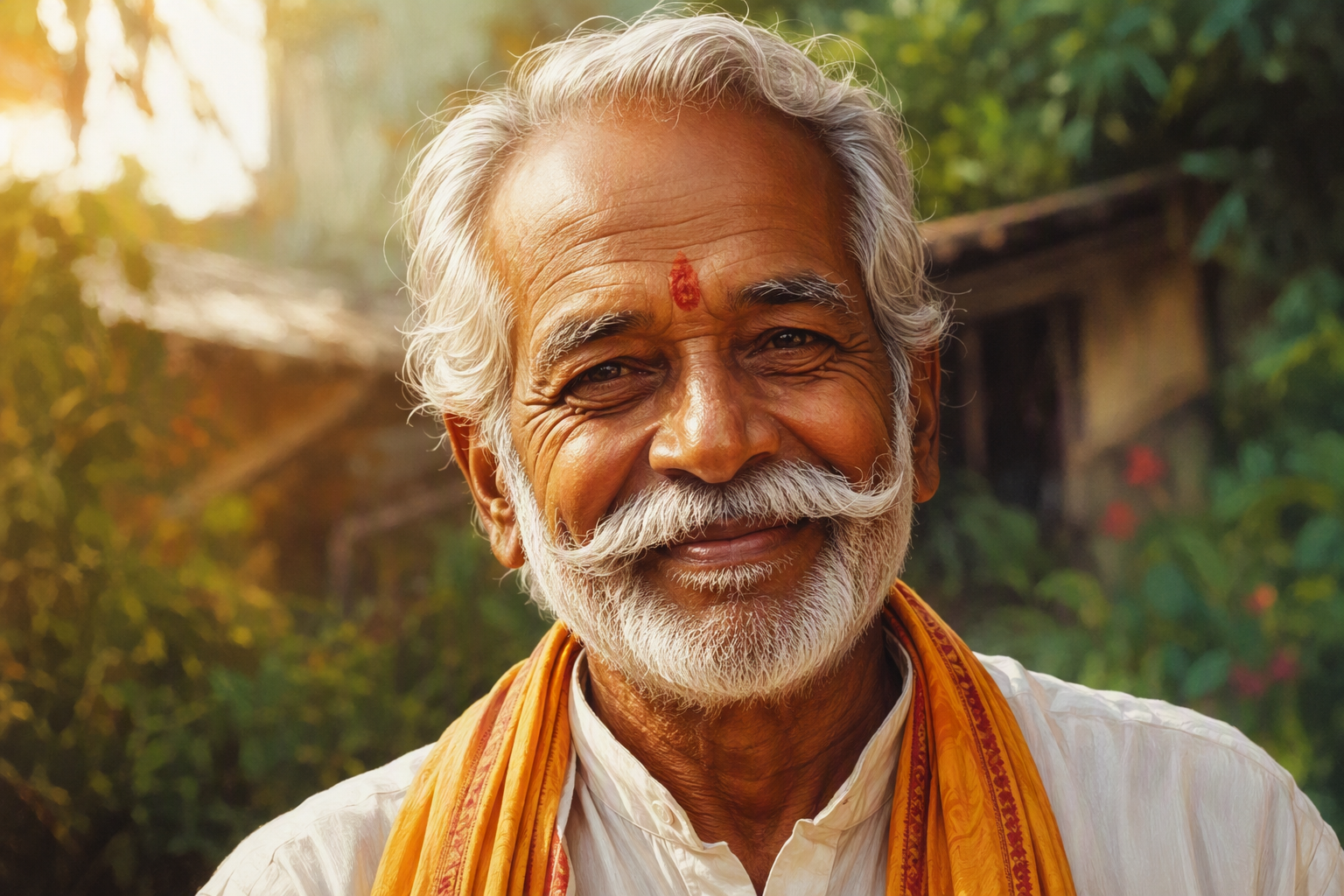
Key Highlights
- The number of senior citizens in India is growing fast because of the country’s demographic transition.
- Healthy ageing is about giving people dignity, keeping them independent, and making it easier to get health care.
- Living with chronic diseases, dealing with disability, or having mental health issues changes how older adults feel as they age.
- The Government of India has set up new schemes, pensions, and more health care help for older adults through geriatric services.
- If there is better prevention, more health screenings, and good community support, quality of life can get better for them.
- When older adults stay active, it helps economic growth, with new ways to earn in the silver economy.
Introduction
India’s elderly population is growing quickly. This means families, communities, and the whole system will need to make changes. Healthy ageing is not just about one person now. It has become a need for the whole country. As the ageing population keeps rising, it is not enough just to help people live longer. The goal should be to help them live well. Older people need better health care, support from others, and more respect in their lives.
If India moves fast, the country can make daily life better for older people. This will also help lower the pressure on care systems in the future.
Understanding Healthy Ageing in India
Healthy ageing in India is about helping older persons. It means they can keep their dignity and stay independent as life expectancy goes up. Healthy ageing is not only about treating an illness. It is also about making their quality of life better with prevention, timely care, and being included in the community.
In India, public health must focus on older people with long-term sickness, disabilities, and mental health problems all at once. This is important because a longer life means more only when older people can stay active. They need to feel safe and stay close to others.
Defining Healthy Ageing for the Indian Context
Healthy ageing in India is about more than living longer. It is about helping older adults and senior citizens stay active, valued, and take part in daily life. The aim is for them to keep their health, move well, and feel good for as long as they can.
In simple terms, this covers things like preventive care, finding chronic conditions early, and help for mental health. This is not only about hospital care after problems start. Older people need age-sensitive services before a crisis happens. These systems must work so they get help early.
Healthy ageing is not just about health. It is also about keeping dignity and being part of things. Older adults need to feel respected and join in. This helps keep family roles, community bonds, and people working together strong. In India, healthy ageing works well. Older adults often stay the main part of family life, help take care of others, and give social guidance.
Key Health and Demographic Trends Among Older Indians
India is going through a big demographic shift. The ageing population is growing because people now live longer. This increase in life expectancy means there will be more old people in the country in the coming years. By 2050, a much larger part of India will be older. This change will impact what services people need.
Health trends in older people in India show that many have ongoing health problems. Non-communicable diseases cause most deaths in the elderly. Diabetes, hypertension, arthritis, disability, and a drop in thinking ability all mean people need health care all the time, not just one-time help. These chronic conditions make it important for them to get regular care.
Mental health is a big concern for older adults. Many people in this age group feel depressed or anxious. But, only a few of them get the right help. These facts show why India needs to give more attention to preventive care, regular screenings, and support for people as they get older.
Why Healthy Ageing Is Critically Important for India
Healthy ageing matters a lot in India. The country is at the cusp of a demographic transition. A bigger older population can put more pressure on services. But it can also give strength, if healthy ageing is managed well.
For families and people, the main gain is better quality of life. Older people who get care for health, help for mental health, and stay active with others can keep their independence for more time. This takes away distress and makes daily life better.
There is a strong reason to act for the economy, too. If no one does anything, the ageing population may slow economic growth in the coming years. But the potential of the ageing population should not be ignored. With the right help, older adults can keep taking part at home, in their communities, and even in the workplace.
Growing Elderly Population: Current Scenario
India’s elderly population is growing fast. There are many older people now, and there will be even more in the future. The numbers show that this group will keep getting bigger as time goes on. That is why India’s elderly population will need more help and support than before.
The country has some problems that are connected. These are health, income, disability support, and people not having access in every region. All these put a lot of pressure on the people. That is why it is needed to look at numbers, social conditions, and to know where growth is the fastest.
Demographic Data and Projections for India’s Elderly
India’s elderly population is getting bigger fast because of a demographic shift. In 2011, the country had 104 million older people. That number is expected to go up a lot by 2050. This change will make India think more about how the country handles ageing.
People are living longer now and that is one reason for this change. A big part of this is the rise in life expectancy. With more people getting older, there will be a bigger need for health support, social care, and money protection. The ageing population will not be just a small group. It will become a major issue for policy makers.
| Indicator | Data |
|---|---|
| Elderly population in 2011 | 104 million |
| Projected elderly population by 2050 | 319 million |
| Share of population by 2050 | 19% |
| Elderly deaths due to non-communicable diseases | 70% |
| Elderly facing disabilities | 22% |
Socioeconomic Profile of Ageing Indians
The ageing population in India is very mixed. Some senior citizens stay active as they get older. But many of them have money problems, feel left out when it comes to health, and must rely on their family from time to time. These differences decide which people can age with dignity and which people find it hard.
Income protection is important for older people. Many people who live below the poverty line depend on social security and monthly pensions. These help them get what they need each day. A lot of older people do not get enough pension coverage. This happens most with those who were not in formal jobs for a long time. So, there is weak protection for many.
These gaps are important for the whole economy. When old people in India do not have enough income or support, the families have to take on the extra load. This means that their time and money get used up more. Good social security can help these families. It can protect people who are at risk and also let India handle getting older as a country. That way, the country will not fall behind when it comes to economic growth.
Regional Variations in Elderly Population Growth
India’s ageing situation is not the same in every place. Older persons face different challenges based on where they live. The kind of care, support, and movement they get can change from one region to another. Some areas are ready to help older persons in a good way. But in other places, there are big gaps in the services that are offered.
Rural areas often have more problems. Older people in these places may not have enough hospitals. They may have less access to health experts. Internet and phone service can also be weak. This causes trouble because new health services and online systems do not help much if people cannot use them or get to them.
Demographic data should be read in the context of each local area. A state or district that does not have good infrastructure may feel the effects of an ageing population before the rest of the country does. That is why India must have a response that can change, fits each region, and meets the needs of older people in every place.
Major Challenges to Healthy Ageing in India
Healthy ageing in India faces many problems that are tied together. The elderly population deals with more chronic diseases. Health care is also not the same for all. There are not enough preventive systems. Specialist services are limited for older people. A lot of them live with a disability. Some have mental health problems that are not treated.
Many families still do not feel safe when it comes to social security and money matters. They face more problems with loneliness, new ways people live together, and not enough pension plans. All these things add more worry for them. This shows that ageing is about more than only health care. People need support in other ways too.
Health Care Access and Affordability Issues
Rapid ageing in India is making a big impact on health care. Older people often need long-term checks, more consultations, and treatment for several health issues at the same time. Still, health care in the country mainly focuses on treating problems rather than stopping them before they begin. This way of working keeps early detection from happening sooner.
Geriatric care in India is not strong. There are only a few regional geriatric centres. A lot of places do not have hospitals or care homes made for older people. So, families are left doing most of the work. Many do not get enough help from trained health workers or expert advice.
Key access and affordability issues include:
- There are not many preventive check-ups. Most people do not use regular screenings for chronic conditions.
- Annual health insurance and extra coverage do not reach all people in poorer elderly households.
- There are not enough trained staff who know about ageing, disability, and long-term care needs.
Social Isolation and Changing Family Structures
For many older adults, sickness is not the only hard thing. Many feel lonely, too. A lot of younger people move to cities. The old joint family is not as strong now. Because of this, many parents and grandparents feel life is different. The help they used to get from family may not be around anymore.
The lack of day-to-day contact can hurt the mental well-being of older people. Many older people already feel depression and anxiety. There is not enough care for them. When they miss out on social engagement, simple health problems feel worse. It makes them feel more alone.
Old age homes, day centres, and helplines can help people, but they do not take the place of strong family and community bonds. Ageing policy needs to connect emotional care with real help. This should happen through community networks and the social assistance programme.
Economic Security and Elderly Employment
Economic security is still a big worry for older persons in India. Many of them live on family help, small pensions, or money that does not come in often. If this support is not strong, it becomes hard for them to pay for daily needs, medicine, or moving around.
This shows that there are holes in social security for senior citizens. People who are not in formal jobs may not have steady support when they stop working. Women feel these gaps more, as they often work less in the formal sector and do not get good pensions over time.
At the same time, we should not see older adults as just people who need help. People are now living many more healthy years. They also have the cognitive abilities to do good work for a long time. This makes it possible for them to have decent work, hold flexible roles, and keep giving to the community. When older adults can get safe jobs, it helps ease stress at home. It also lets India keep growing its economic strength.
Opportunities Presented by India’s Ageing Demographic
India’s ageing population gives us real chances to do good things. If health care and support get better, older people can stay busy in their families, communities, and the economy for more time. This change makes ageing feel less like a problem and more like something that brings real value to society.
The silver economy is a growing area. Active seniors help increase the need for different services. Their skills help with mentoring, caregiving, and skill sharing. Because of this, ageing can help drive economic growth instead of just being a problem.
Elderly as Contributors to Family and Community
Healthy older adults do much more than many people think. In many homes, they help take care of grandchildren. They are part of daily routines and keep family traditions going. They give emotional support. Their role in family life is very important.
Active ageing helps senior citizens feel and be more a part of their area. When they stay healthy and feel close to others, they take part in groups, help make choices, and do volunteer work with others. This keeps them from being alone and makes the area feel close and strong.
There is also something good to learn here. Intergenerational learning happens when older people talk to younger family members. They share values, simple wisdom, and life lessons. This helps people keep up with the past and connects them better. Ageing becomes clear and gets a good spot in public life.
Intergenerational Learning and Skill Sharing
One of the biggest chances in an ageing society is skill sharing. Older adults have years of experience. Younger people can learn a lot from them. This can help in work habits, caregiving, solving problems, and leading in the community. We should not overlook this value.
Research in the shared information shows that a person who is 70 years old now may have the same cognitive abilities as someone much younger from past years. Because of this, active seniors can keep doing things longer than what old ideas say about them.
India can unlock the potential of the ageing population by offering more places for mentoring. Older people should still get chances to help out and share what they know. When they teach people of different ages, it helps families, workplaces, and groups in society. The right support can make ageing a way for people to stay strong and use their skills every day. Ageing is not just about growing old. It can give us new ways to learn and work together.
Silver Economy: Growing Markets for Elderly Services
The silver economy is all about products and services made for senior citizens. As more people in India get older, there will be more need for senior care. Services such as assisted living, tests, online doctor visits, help with getting around, and care at home will also grow. This will make way for new markets in the country.
Technology is changing the way health care works. Affordable tests, teleconsultation, and tools that use AI can reach people where there are not many doctors. Online services are good for setting appointments, follow-ups, and sharing information. Still, some people do not get the same access.
Programs that help new ideas grow in elderly services can make care better. This demand is not only about the market. A better silver economy can make things easier, close service gaps, and give good support for older people at home.
Government Policies and Initiatives on Healthy Ageing
The Government of India has started many things to help with the challenge of population ageing. With a national programme, there is pension help, insurance, telemedicine, and other schemes for older people. All these steps aim to make life better for the elderly.
National policy works best when it is done well and gets to all who need it. Health programs help most if older people can get to them. This is even more true for those in poorer homes and far-off areas. What is working in these schemes and what still needs fixing shows us where there is progress and where more must be done.
Key National Schemes Supporting the Elderly
India has set up many plans for older people. The government works to help them with health care, income, and support services. These actions try to give all people better public health and make sure basic needs are met. They help make life feel safer and more respected for those who need it most. All these steps are a good start for the country.
The National Programme for Health Care of the Elderly gives wide geriatric care services in OPDs and hospital wards. The National Social Assistance Programme offers pension support to poor elderly households. This is done through the national old age pension scheme.
Key schemes include:
- Atal Vayo Abhyuday Yojana helps senior citizens live with respect. It gives support by running old age homes, day care centres, and helplines.
- Ayushman Bharat gives families, including senior citizens, yearly health insurance of ₹5 lakh.
- Senior Citizen Health Insurance support is a part of RSBY. It gives more health coverage to BPL senior citizens who are eligible.
Keywords used: senior citizens, old age homes, atal vayo abhyuday yojana, day care centres, component of rsby, annual health insurance, additional health coverage
Gaps in Policies and Implementation Challenges
Even though there are many plans to help, there are still big problems with these policies. One of the main problems is inadequate geriatric care. There are not enough specialist centers for older people. A lot of districts do not have age-friendly services. This means older people do not get help easily and regularly.
Problems with putting plans in place can be bigger in rural areas. People have to deal with long distances, poor roads, and not knowing much about the schemes. There is also not enough staff to help. These things all take away from what the schemes are worth on paper. For the people near or below the poverty line, these problems make help feel far away.
The digital health initiative has its own limits. Telemedicine and online systems can help a lot. But many older people in rural areas still do not know how to use them well. If there is not more access, training, and human support at the same time, digital tools on their own will not fix the gaps in service.
Recent Reforms and Their Impact
Recent changes in policy show that the Government of India wants to do more than just offer basic help. The aim is now to support active ageing in a bigger way. The government uses telemedicine, starts innovation programs, and gives more insurance choices. This shows that the plans for ageing are wider and well thought out compared to before.
Health promotion campaigns matter a lot in this new way of thinking. The more people know about things like physical activity, balanced food, staying calm, and getting screened early, the more older people can stay in good shape. It means problems can be found before they get too bad. This lets older people feel better for a longer time. It is a good plan for the future.
There is now more attention given to welfare. This shows up in programs connected to the Ministry of Social Justice and support for older people. Steps that center on the welfare of parents, care in the community, and access to services can help people in their day-to-day lives. Still, how well these changes work will depend on better work at the local level.
Strategies to Promote Healthy Ageing in India
India can help people with healthy ageing when it mixes good medical care with help from social and community groups. This needs things like steps to stop illness before it starts, fast checks for sickness, staff who know their work well, and help services that keep respect for everyone. Health promotion campaigns have to show people how to act before they feel sick, not wait for problems to come up.
A good plan should include long-term care and palliative care. It also needs age-friendly public health steps. If services are easy to get and people stay involved, there is better quality of life. The next steps tell us how this can happen in real life.
Enhancing Geriatric Health Care and Infrastructure
India needs to build a better geriatric care system to help more older people. Right now, the services and care centers are not enough. A lot of places also do not have enough experts to help elders. If hospitals have more room, more trained workers, and a system to send elders to the right care, it will be better. This can make geriatric care work well and feel less scattered for everyone.
Regional Geriatric Centres are a good place to start. But there are not enough of them in the country because it is so big. The integrated programme should link district hospitals, medical colleges, and community services. This will help older people get care without trouble as they move from one place to another.
Important steps include:
- Start regular screenings for diabetes, hypertension, arthritis, and cognitive decline. This helps people find health problems early and take care of them.
- Grow comprehensive geriatric care services. Add special wards and units in district hospitals for older people to get the help they need.
Encouraging Active Living and Social Engagement
Healthy ageing is more simple when older people move their bodies and keep their minds busy. Doing physical activity often can help older adults feel strong, feel good about themselves, and feel happy. It lets them stay part of home life and be with others in the community for a longer time.
Social engagement is important for older people. When they meet others, join local groups, or go to day care centres, it helps them feel less alone. These places also give them advice, routine, and support.
India should launch awareness drives to show ageing as an active time in life, not just a time when things go down. Messages about movement, eating well, and mental health can help people get better habits each day. These can also make older citizens feel respected and seen by all.
Strengthening Community Support and Age-Friendly Environments
Many ageing challenges feel easier to handle when support is close to home. Community support gives help to older people so they can keep up with appointments, take their medication, deal with daily needs, and handle emotional stress. It stops them from depending too much on hospitals for the things that could be taken care of early.
Community health workers can be very important in public health. With the right training about ageing, they help families. They see warning signs early, and they connect older people to help fast. This makes public health work better, mainly in areas away from big cities.
India needs to have places that are safe and easy for older people to move around. These places should feel open and friendly for everyone. Some people may need to live in old age homes, but that is not the main goal. The big idea is to help older people stay part of their group. They should feel included, able to get around, and have support every day.
Conclusion
In India, healthy ageing is something that needs many types of care and support. We have to look at the needs of the elderly population in the country. When we use the chances for these people to take part in activities, we help build a good place for them. We should focus on things like government programs, help from the community, and each person doing what they can. This is needed to handle the changes and things that come with getting older. Families and the wider public should put the well-being of older people first. They should feel important and live well with respect. If you want to know more about ideas for healthy ageing or need help, feel free to ask for support.
Frequently Asked Questions
What are some simple steps families can take to ensure healthy ageing?
Families can help older persons with healthy ageing. They can do this by reminding them about regular screenings. They should encourage daily physical activity. A good balance in meals also matters. A visit to the doctor when needed helps to keep them well.
Older persons need to talk to others and feel routine in their life. It is also good for them to have some social engagement. Small things like going for a walk or having meals together make a big change. Giving emotional support helps make later years feel good and stable. All these things work together for a better life.
How is the Indian healthcare system adapting to serve the elderly?
India is making health care better for older people. This is done through geriatric care services, telemedicine, insurance plans, and special programs for the elderly. Community health workers and the public health system help older people. They help them get screenings, follow-up care, and advice. Still, health care quality can be different in many places.
Why is policy focus on healthy ageing vital for India’s future?
A strong national policy on healthy ageing is needed because India’s ageing population is growing fast. Good planning helps keep quality of life for people. It also lowers care needs later and boosts economic growth. If the country does not act early, health, income, and other pressures on families and the system will get worse.

