Key Highlights
- Air pollution can hurt respiratory health. It may irritate airways and lower lung function over time.
- Poor air quality in urban areas can lead to cough, wheeze, chest tightness, and shortness of breath.
- Fine particles in outdoor air can inflame the respiratory tract. These can make lung disease worse.
- Children, older adults, and people with asthma or COPD face higher public health risks.
- If air quality is better, it can help support good lung growth. It can also lead to fewer respiratory symptoms.
- Daily steps can help lower exposure to air pollution and guard breathing.
Table of Contents
Introduction
Respiratory health is very important when you live in a busy city. Air pollution and low air quality can make it harder for your lungs to work. This can cause more coughing and make it hard for you to breathe during the day. Even healthy people feel the effects if they keep living with dirty air. If you or someone in your family has asthma or another lung problem, this can feel even worse. So, it is key to know why city air pollution and air quality affect your breathing and your health.
Understanding Respiratory Health
Your respiratory health shows how well your respiratory system moves air in and out of the body. This keeps lung health strong each day. When air quality gets worse, the system must work harder. The body does this to keep out bad particles and things that irritate.
That is why it is important for you to keep an eye on your respiratory health in places that have a lot of pollution. The air that is not clean can make your lung function worse. It can add more breathing symptoms and make things harder for people who have trouble with their lungs already. These basics below will show what happens in your airways.
What Is Respiratory Health?
Respiratory health means how well your breathing system works every day. This system includes the nose, throat, airways, and lungs. They all need to work together so you can breathe easily. If your respiratory health is good, you feel fine doing normal things and your breath stays steady.
Lung function is very important in respiratory health. It means how well your lungs take in and let out air. It also is about how your lungs handle things like exercise or stuff that bothers them. Good lung function helps you be active. It also helps you feel better after you get a little bit sick.
Problems start when the respiratory system is bothered over and over. If you are in a place with dirty air, your airways may grow red and feel tight. This makes it hard to breathe well. You may cough, feel short of breath, or hear wheezing sounds. As days pass, you feel less ease and good in your normal life.
Major Functions of the Respiratory System
The main job of the respiratory system is to help you breathe and keep oxygen moving through your body. Air goes into the respiratory tract and then into the lungs. This lets your body get what it needs. When everything works the way it should, you don’t even think about it.
Another big job of the respiratory tract is to keep you safe. It blocks dust, bad particles, and things in the air that can irritate you. Your body tries to fight and fix anything that gets through when the air is not clean. These ways the body reacts help keep your lung health in good shape.
Still, the respiratory system can only handle so much. If you get exposed to city air again and again, it may stop being able to repair itself. This can lead to ongoing irritation. Over time, your airways can become more sensitive. It can feel harder to breathe, and the lungs may not work as well when they face stress from city air.
Common Respiratory Challenges in Urban Areas
In many urban areas, people get exposed to ambient air that have a lot of harmful particles and gases. These things in the air are more than what the body can handle. If someone keeps breathing this air all the time, it can affect their respiratory health. It makes the airways feel irritated. This also make breathing feel less good and hard when doing daily things.
You can see the same breathing problems come up when there is air pollution.
- You may get a cough, wheeze, or more phlegm than usual.
- You can feel chest discomfort or shortness of breath, especially after you go outside.
- There may be more times you feel asthma, have infections, or get bronchitic symptoms.
The health effects can start out small. They often build up with time. Living in a polluted city may cause repeated swelling in your body. It can also make your airways get more sensitive. Your lungs may work less well as the days go by. Some people have to use more medication because of this. They might need emergency care. They can also miss days from their normal life.
The Scale of Urban Air Pollution in India
Air pollution is a big problem in dense urban areas. People are exposed to outdoor air every day. When pollution levels remain high, the lungs feel stress from fine particles and other pollutants. This can cause symptoms and make it harder to breathe comfortably.
Over time, the repeated contact with dirty air makes a big difference. Living in polluted urban areas can cause more respiratory symptoms. It can also make lung disease worse. Kids can have slower lung growth, and adults can lose lung function over time.
To see how serious this problem is, it helps to know how air quality gets measured and what leads to high pollution levels.
Air Quality Index and Its Significance
The air quality index makes it easy to know the air quality every day. People do not need to check each pollution level one by one. Instead, it shows all pollution levels in a simple way. With this, people can see if being outside is not good and decide what to do about it.
Respiratory health needs to be watched when pollution levels are high. Bad air can cause airway inflammation. It can also bring on symptoms and make lung function worse. The index is important for people in places where they often face pollution. It matters more if they have asthma, COPD, or other problems with breathing.
Here is a simple text table that shows why the air quality index matters:
| Measure | Why It Matters |
|---|---|
| Air quality index | Summarizes daily air quality in a simpler form |
| Criteria pollutants | Includes pollutants tracked under air quality standards |
| Higher pollution levels | Linked with more respiratory symptoms and airway stress |
| Air quality standards | Help guide public health protection and regulation |
Sources of Pollution Affecting Cities
City air can be bad for you when many things let particles and gases go into the sky. The gases and particles mix outside. Your lungs feel this every day, mainly if you live in busy areas and near places with lots of cars.
Common sources of pollution include:
- Burning things puts particulate matter into the air.
- Traffic and engines make nitrogen oxides that stay in city air.
- Work in factories can send sulfur dioxide out.
- Chemical emissions put volatile organic compounds into the air.
These pollutants can lead to big problems with breathing in the city. Some people get asthma, obstructive pulmonary disease, respiratory allergies, or even lung cancer. When you breathe in these pollutants again and again, the respiratory tract can get sore and feel more bothered. This makes it more likely for people to have lasting respiratory diseases and serious trouble with breathing.
Seasonal Variations and Pollution Peaks
Pollution changes from time to time during the year. In many cities, the ambient air can get worse at some points. At these times, pollution spikes and you see a lot more air pollutants like particulate matter. Because of this, you can breathe in more of these over a short time.
When outdoor air gets worse, symptoms can show up fast. People with asthma, COPD, or those who already have weak lungs feel it first. Healthy adults may also get a cough, feel pain in the throat, or feel less good when walking or working out outside.
That is why the seasons change things. Short times of high exposure can join with long-term exposure and make things worse. If pollution waves keep coming back, the lungs do not have much time to heal. This can lead to more irritation in the airways and cause people to have trouble when they breathe each day.
How Pollution Affects Respiratory Health
The effects of air pollution start when tiny harmful particles and gases get into the respiratory tract. If pollution levels are high, it can make the airways feel sore. This can cause swelling and make it harder for you to breathe. Even being in bad air for a short time is enough to feel these changes.
Particle pollution makes it hard for lungs to work well. It leads to airway inflammation and bronchoconstriction. These two problems cause breathing passages to get narrow. As a result, airflow goes down. If you get exposed to particle pollution again and again, respiratory health can get worse over time. The next parts talk about what happens in the short term and how lasting damage can show up.
Short-term Respiratory Effects
Short-term respiratory effects from air pollution can show up fast. You may feel them in a few hours or after a day. When air pollution goes up quickly, it can make your airways feel sore and more likely to react. This can happen to anyone, even if you do not have a lung condition.
Some common respiratory symptoms are cough, wheeze, chest tightness, and shortness of breath. A person may also have phlegm, feel throat irritation, or feel like they cannot take a deep breath easily. Children and those with asthma feel these symptoms more than other people.
In more serious cases, symptoms can get so strong that you may need urgent care. Short-term exposure to fine particles has been linked to more emergency department visits and hospital admissions. It can also make respiratory infections worse. People who already have disease are often at the highest risk right away.
Long-term Impact on Lung Function
Long-term exposure may slowly hurt lung function. If you live in a polluted city for several years, your lungs can keep getting damaged and trying to heal. These cycles do not really end. The airways can stay swollen and feel more sensitive than what is normal.
Over time, those repeated insults can make health get worse. Problems like chronic bronchitis, ongoing signs, and bad breathing illnesses may happen. Adults with long exposure can lose pulmonary function for good. Children can also see changes in normal lung growth and development.
The main worry is about changes that happen deep inside the lungs and airways. Ongoing swelling can hurt cells and change how the tissue is put together. This can also make it hard for the lungs to get better when they are hurt. That is why pollution in cities can slowly hurt respiratory health in people who first seem well. These structural changes can be a big reason many people feel problems as time goes on.
Vulnerable Age Groups and Communities
Not all people feel the same harm from polluted air. Some groups of people be at greater risk. This can happen because their lungs are still growing or not strong. It also can be because they have other health or social problems. So, air quality is a big public health issue.
The groups most often at greater risk include:
- Children, whose lungs are still growing. They often spend more time being active outside.
- Older adults, who might have weaker defenses. Some may have heart or lung disease.
- People who have less access to care or live in poor indoor places.
Yes, children are at greater risk of having breathing problems from city pollution. Their bodies are still growing. They spend more time outside. The airways in their lungs get more particles. This can make them feel sick, get symptoms more often, and grow lungs more slowly as time goes by.
Main Respiratory Diseases Linked to Pollution
Air pollutants are not just something that cause irritation for a short time. When pollution levels stay high, these can be linked to several respiratory diseases. These diseases can change daily life, affect how much medication you may need, and have an impact on lung function over time. The health effects at first might feel mild, but they can get worse as time goes by.
The most common respiratory diseases tied to air pollution in cities are asthma, chronic obstructive pulmonary disease, respiratory allergies, and a higher increased risk of lung cancer. Each disease reacts in its own way to being around polluted air, but all can get worse when the lungs get exposed to the air pollution again and again.
Asthma and Air Pollution
Asthma is a common problem when air in the city is dirty. It causes airway inflammation and makes the breathing tubes in the lungs tighten. This means the airways can narrow, but they can get fit again with help. When there is polluted air, people with asthma feel symptoms faster and they feel worse.
Typical asthma symptoms are wheezing, coughing, chest tightness, and trouble breathing. Air pollution can make these symptoms worse. It can also raise the chance of asthma attacks. Poor air quality may cause you to use more medication and make daily routines harder.
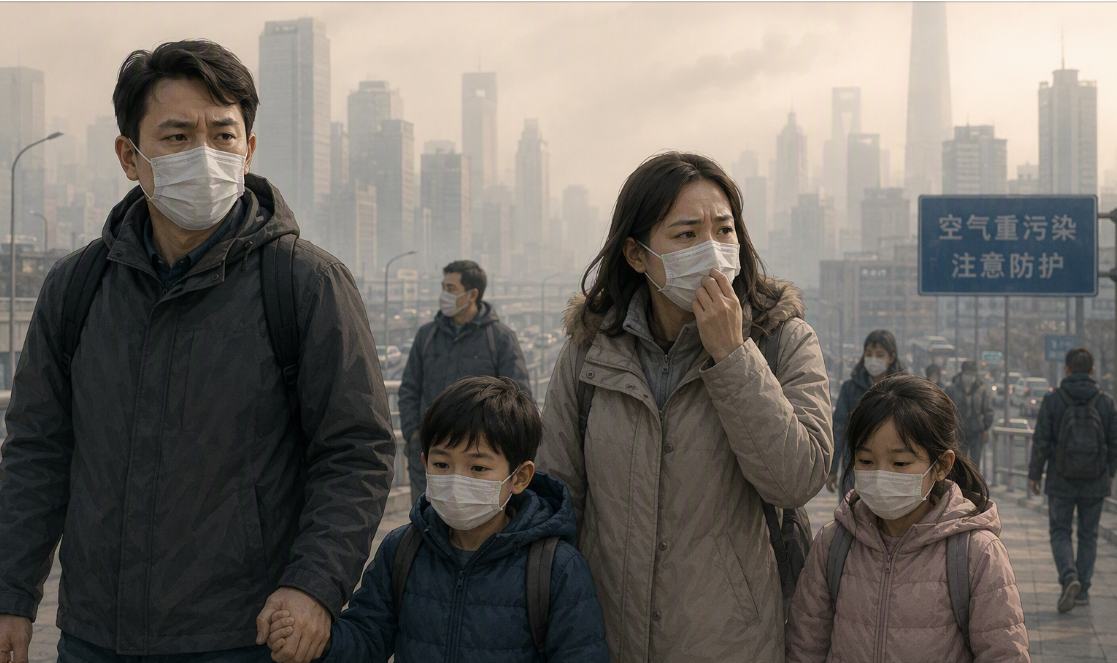
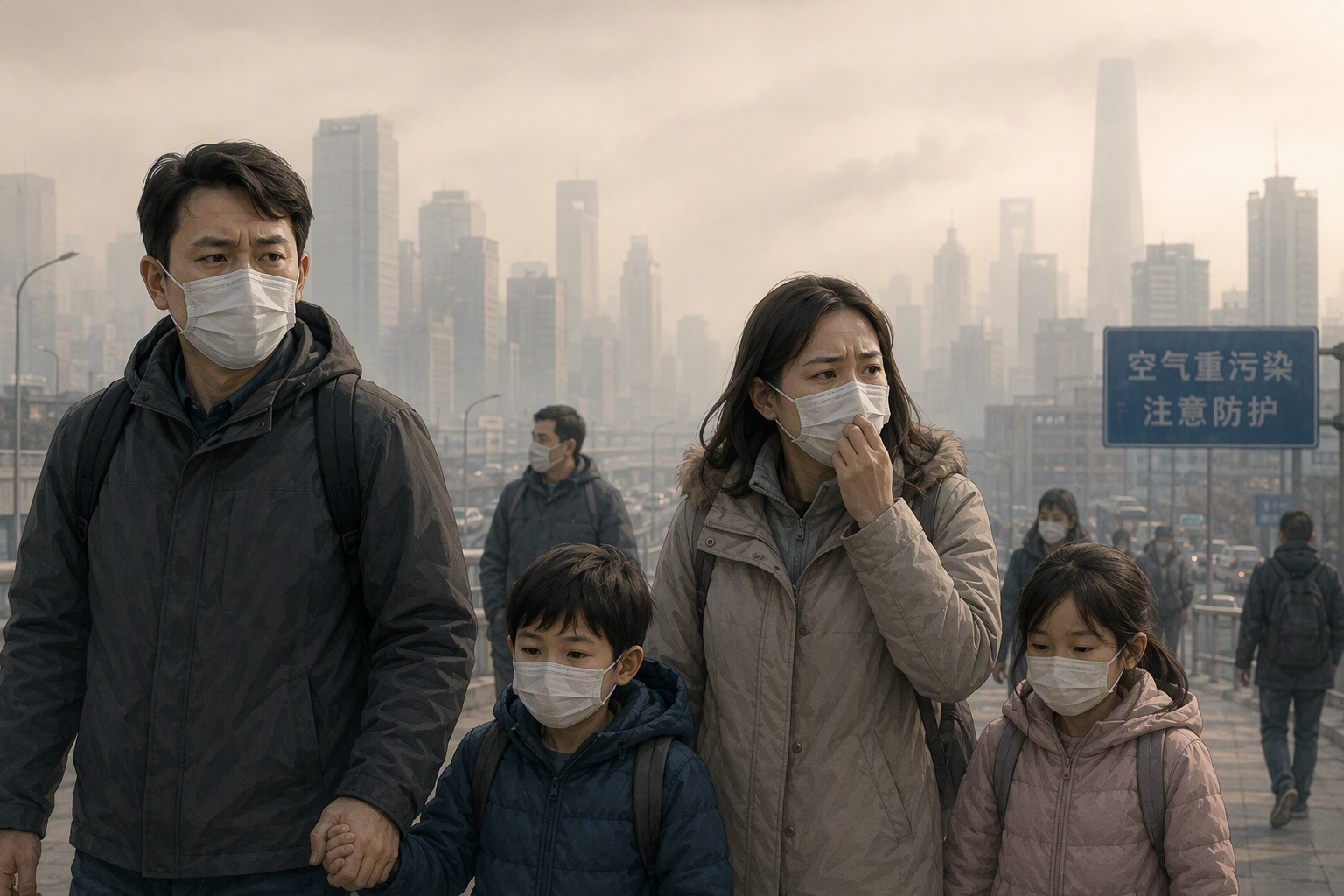
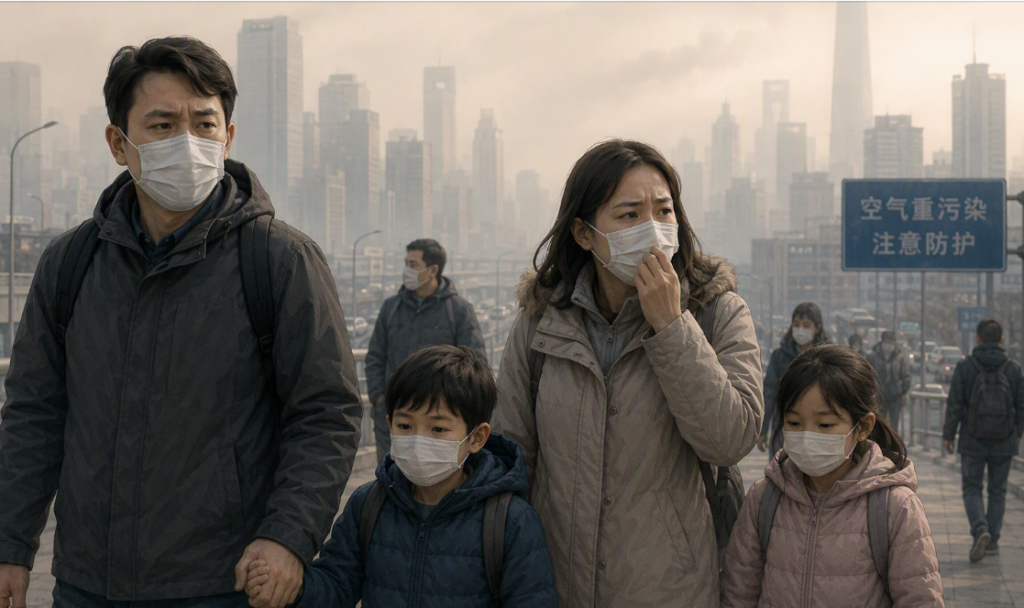
Masks can help lower the amount of polluted air you breathe in, especially the fine particles. They can be useful for protection in some situations. But people with asthma are at increased risk. Polluted air can make inflammation worse. It can cause stronger reactions in the airways than normal.
Chronic Obstructive Pulmonary Disease (COPD)
Chronic obstructive pulmonary disease is a lung disease. It makes it hard to move air in and out of the lungs. This disease includes chronic bronchitis and emphysema. The lungs be inflamed for a long time, and there is mucus buildup. The airflow slowly gets worse in people with obstructive pulmonary disease.
People with COPD feel tired from cough and shortness of breath. They also have more mucus in their lungs. If the air is dirty in the city, these problems get worse. Bad particles in the air go deep into the lungs and cause more airway inflammation. These particles can settle unevenly inside the lungs, and that can lead to tissue injury.
For people with obstructive pulmonary disease, even small drops in breathing can be a big deal. Studies show that higher levels of particle pollution link to more symptoms. It also leads to more use of medication at night and a slight decrease in lung function. A lot of flare-ups can make COPD get worse faster.
Respiratory Allergies
Respiratory allergies can be tougher to handle in areas with lots of pollution. When the respiratory tract gets exposed to bad particles and gases, it might react stronger to things that already cause allergies in the air. This can make breathing feel more hard in everyday life.
Air pollutants can make allergic reactions feel worse. These things can cause more irritation and swelling in your airways. If you have allergic asthma, then it can get even harder for you. When there are both allergens and polluted air in the place, it gets worse. This mix can bring on stronger symptoms. You might get flare-ups more often.
You might notice:
- There will be more coughing, wheezing, and throat irritation on days with bad air.
- Allergic reactions can get stronger when you are outside if both pollution and allergens are in the air.
For people who are sensitive, feeling pain again and again can cause trouble. A little problem with breathing can get worse over time.
Increased Risk of Lung Cancer
Air pollution can raise the risk of lung cancer. This is true, mainly when people are around it for a long time. Studies show that there is a clear link between fine particles and more deaths from lung cancer. There is also more proof that being exposed to air pollution for a long time can cause lung cancer to start in more people.
This risk matters a lot because the air in cities can have stuff from things burning and other dangerous parts that hurt cells. Some parts of particle pollution in outdoor air are known to cause cancer in people. Air pollution outside is also seen as something that can give cancer to humans. This means being around it for a long time is a big problem.
So, when you ask about big respiratory diseases linked to city air pollution, lung cancer should be on the list. Asthma and COPD are there too. Fine particles and pollutants like nitrogen dioxide can build up in the lungs. Over time, this can cause worries because it puts a long-term burden on them.
Children and Pollution: Special Considerations
Children need special care because their respiratory health is still growing. Polluted air can harm lungs that are not fully developed. A child may look alright at first. But, health effects can show up later.
Yes, children are at greater risk of getting breathing problems from city pollution. Their bodies are still growing, and they spend more time outside. This makes them feel the effects more. Kids are also more likely to have trouble with their airways, so the health problems can be worse. The next sections will show why this risk is high and what parents should watch for.
Why Are Children More Susceptible?
Children are at more risk because their respiratory system is still growing. When polluted air goes into their lungs, it can change how their lungs grow. It can also make airways more sensitive. So, the same polluted air affects children more than adults.
Several factors increase their greater risk:
- A child’s lungs keep growing and get better as they get older.
- They spend more time outside and move around more.
- More tiny particles end up in their airways.
These things can have big effects on children as they grow. Kids can get more respiratory symptoms. Some may have more trouble with asthma. They may take longer to feel better after their lungs get hurt. So, city pollution does more than just bother kids every day. It can change how their lungs grow and work over time.
Developmental Impacts of Polluted Air
One of the biggest things people worry about is the way air pollution can slow lung growth. Breathing fine particles for a long time has been shown to cause lungs in kids to not get as strong as they should. In easy words, lungs may not grow well if there is a lot of air pollution.
These changes in development can lead to more breathing problems. Kids who live in places with bad air quality might cough more, wheeze, or feel like they have bronchitis. This is even more true if they have asthma. When air quality gets better, kids may have healthier lungs and feel fewer respiratory symptoms.
So yes, children face a greater risk from breathing in city air that is not clean. Their lungs are still getting stronger. If they breathe this air again and again while growing, it can cause problems that stay with them for a long time, even after they grow up.
Symptoms Parents Should Watch For
Parents need to watch for any changes in their child’s breathing, mostly after they have been outside on days when the air is bad. Kids may not be able to say what they feel in a clear way. That is why even small changes in what they do or how they act could be a sign that something is wrong.
Watch for these respiratory symptoms:
- A person may cough a lot, wheeze, or have noisy breathing pretty often.
- Their chest can feel bad or hurt, and they might feel tired in a way that is not normal for them. A kid may also not keep up while playing with other people.
- They might have flare-ups more often. This could send them to the doctor or make them need emergency room visits.
These warning signs are important, especially in children with asthma or who had breathing trouble before. Polluted air can make things worse fast. If these problems happen again and again, there may be more serious symptoms later. When a child’s breathing changes often, it means they may need to be checked by a doctor. It is also a sign to control what they breathe in better.
Recognizing Symptoms of Pollution-Induced Respiratory Damage
Pollution can make it hard for the body to breathe. It starts with small respiratory symptoms. People may feel tired, blame the weather, or think they have a cold. But these signs may show the lung function is going down. There may also be some irritation deep in the airways.
The signs to look out for are cough, wheeze, chest tightness, phlegm, and shortness of breath. These may show up, especially after you spend time outdoors. If these health effects happen a lot, or get worse on days when pollution is high, your lungs may be responding to polluted air more than you think.
Early Warning Signs in Adults
In adults, early signs often be seen when you do simple things. You may feel different while walking, going up stairs, or taking the bus or train. A change can show up before the problem seems serious. The respiratory tract can be one of the first places that shows stress. It might feel irritated and act more sensitive at first.
Common warning signs include:
- Chest tightness that starts after you are outside
- Shortness of breath when you do light things
- A cough that does not go away, or a wheeze, or you have phlegm
- A feeling that you are not breathing as deeply as before
These signs show that your lung health might be feeling stress. If you feel them more during days with bad air, it could mean your airways are getting sore or reacting. It helps to note when you feel these signs. This way, you can link them to being around pollution and act sooner to protect yourself.
Symptom Differences in Children
Children do not always feel pollution-related sickness like adults do. They might not say they feel shortness of breath. Instead, you may see that they look tired. Some may stop playing. Some could start to cough again and again, or have a wheeze. It is easy to miss these signs.
Because children still have lungs that are growing, there can be more problems with respiratory symptoms. Their symptoms can get worse faster. Bad air quality can make asthma and other problems get stronger. So, children may need urgent care more often when air quality goes down. That is why respiratory symptoms should be watched in kids when air quality is not good.
Parents and caregivers need to pay attention when they see these signs happen again and again. A child who coughs a lot, has loud breathing, doesn’t do as much as before, or gets sick often might have problems with their lung health. If people don’t do anything about it, the child may need to go to the doctor more often. It can also lead to hospital admissions and bigger breathing problems later.
When to Seek Medical Help
Some symptoms should not be ignored at home for long. If it gets hard to breathe or your breathing keeps getting worse, you need to get medical help. Pollution can make asthma, COPD, and respiratory infections much worse fast. Sometimes, you may need treatment right away.
Seek care urgently if you notice:
- Severe signs like strong shortness of breath or chest tightness that gets worse
- Using a lot more medicine than you do most times, and it does not help
- Signs that show a bad infection or trouble with breathing, which may need you to go to the emergency department
The main things to look for be a cough that keeps coming back, wheezing, phlegm, feeling out of breath, and chest pain. These can get worse if the air around you have a lot of air pollution. If you see these signs often or they make you feel really bad, you should see a doctor. A doctor can check if air pollution be making your lungs hurt or causing your health problems to get worse.
Diagnosing Respiratory Illnesses Related to Pollution
Doctors check for respiratory illnesses linked to air pollution by looking at symptoms, how often someone is exposed, and how the respiratory system works. They ask about when the symptoms start, if things get worse on days with bad air, and if there is asthma, COPD, or many infections in the past.
Testing links symptoms to health effects in the lungs. Pulmonary function checks, clinical exams, and speaking with a specialist can help find out if polluted air is making a current issue worse or leading to a new lung problem.
Medical Tests for Air Pollution Effects
When doctors think that air pollution changes how you breathe, they start with your health history and a simple exam. They ask how often you feel the problem, what things make it worse, and if being in dirty outdoor air makes you feel different.
Tests that check pulmonary function help us see how well the respiratory system moves air in and out. These checks can show if there is swelling, narrowing of the airways, or long-term irritation that makes it hard to breathe.
Common tools may include:
- Pulmonary function or spirometric testing is used to see how well you breathe.
- A follow-up check looks at how your symptoms change and if you have been around any pollution.
These steps make it easier for doctors to link everyday symptoms with bigger health effects. They also help show if a problem is just a short-term irritation or a lasting issue with breathing.
Role of Pulmonologists
Pulmonologists are doctors who help with respiratory health and problems in the lungs. They are important when you keep having the same symptoms, normal treatments do not work, or if there is worry about damage from pollution over a long time.
These specialists know how to check for patterns in lung disease and airway inflammation. They also look at pulmonary function very closely. If you have asthma, COPD, chronic cough, or keep getting respiratory infections, their help can make the diagnosis easier. They can also make the treatment and care clearer for you.
Pulmonologists do more than treat people one-on-one. They also help find patterns in lung diseases in the community. Pulmonologists work with others to set up screening tools and programs. They talk to patients and teach them about things in the air that can affect how you breathe every day. It’s important because these things impact lung health over time.
Community Screening Initiatives
Community screening can find breathing problems early. This is key in urban areas because so many people live in polluted places. A lot of people do not notice the first signs of respiratory diseases. They wait until it starts to hurt their work, school, or even sleep.
Strong screening helps the community and supports public health goals. It brings focus to common risks and illnesses that are not treated. It can also help people who need support. These efforts connect them with follow-up care and give them advice on how to lower pollution exposure.
Useful community screening approaches may include:
- Basic breathing checks for people who often cough or wheeze
- Outreach to children, older adults, and people who live in high-risk neighborhoods
- A way to refer people who show signs of chronic respiratory diseases
These efforts help more people know about the problem. They also let communities act sooner when there is pollution and harm.
Lifestyle Changes to Support Better Respiratory Health
Some changes in the way you live can help your lungs, even when the air quality in the city is not so good. These changes will not take away all the risk, but they can make things easier for your lungs. You may feel better, and your body may handle day-to-day stress in a better way.
Helpful steps for lung health are eating well, working out when the air is clean, and making your home better. In cities with a lot of pollution, small choices each day help you breathe easier and feel better as time goes on.
Nutrition and Lung Health
Nutrition cannot get rid of pollution exposure, but the body can use healthy food to deal with daily stress. Good health can help the respiratory system feel less irritation. It can also help you recover faster, especially for people with symptoms that do not go away.
For lung health, you need to be steady with your routine. The good way to keep your lungs strong is to have good eating habits every day. This boosts how well you feel in general. It helps you feel strong when you have bad air around you often. This matters for public health. A strong base of health can lower problems for people in places where the air is risky.
Simple nutrition habits that support overall well-being include:
- Eat regular and balanced meals. Do not skip food.
- Help kids and older adults by giving them steady food every day.
- Try to not put extra stress on the body when the air is bad.
These habits are simple. But they can help you breathe better and feel good.
Exercise Routines for City Residents
Exercise helps your body stay strong and is good for respiratory health. But when city air is not clean, the time and place you choose to be active are important. You do not have to stop moving. You just have to think a bit more about when and where you exercise.
On days when outdoor air is very polluted, it can be better to do lighter exercise inside. This is a good idea for people who have asthma, heart disease, COPD, or cardiovascular disease. Polluted air can make it harder for lungs and heart to work well when you move your body.
A good way to start each day is to check what the air is like near you before you go out. If pollution is not high, you can move outdoors more safely and feel better. If the pollution is higher, pick to stay inside and do less tough activity. This simple choice can help keep your breathing safe.
Home Environment Improvements
Your home can help your lungs or make things harder for them. In places with dirty air, it is important to make indoor air better. Many people spend most of their time inside. A cleaner indoor environment helps your respiratory system take a break from outdoor air.
Focus on lowering things indoors that make air quality bad and put harmful stuff in the air. This is good for children, older adults, and people with lung problems. If you keep the air clean inside, it may help cut down on irritation and make every day feel better.
Practical home steps include:
- Use air purifiers to help keep indoor air fresh and cut down on particle pollution.
- Try to avoid strong chemical products with volatile organic compounds in your home.
- Lower the sources of particle pollution like smoke or things that burn indoors.
- Keep your indoor air as clean as you can, especially on days when outdoor pollution is high.
These changes can help make your breathing space feel better and give more support.
Protective Measures Against Urban Air Pollution
Taking steps to protect yourself can help reduce the air pollution that gets into your lungs every day. These steps may not remove all risk, but they can cut down how much particulate matter and other sources of air pollution you take in, especially when the outdoor air quality is not good.
Yes, masks can help stop some breathing issues caused by city pollution. They cut down what you breathe in. Air purifiers make indoor air cleaner. When you use both, and practice smart habits outdoors, you can protect your respiratory tract from pollution you face every day.
Wearing Masks and Air Purifiers
Masks and air purifiers help when city air gets bad. The main thing they do is cut down your exposure. If you breathe in less particulate matter, your respiratory tract can feel less irritation when pollution goes up.
Masks work best when you are outdoors. Air purifiers are good to use indoors, where you spend a lot of time. These tools are not perfect, but they can help you breathe better. This is important for children, older adults, and people with asthma or COPD.
Helpful uses include:
- Wear masks on days when there is high pollution or when you are around heavy traffic.
- Use air purifiers in your bedroom or where you spend a lot of time.
- Use both a mask and an air purifier if your symptoms get worse when the air is more polluted.
All these steps can help make daily life easier for people who have sensitive lungs.
Using Indoor Plants for Cleaner Air
Many people like having indoor plants to help make the air feel cleaner. Plants can make your space feel fresh. They may be part of how you make your living area feel better. But, you should not use plants instead of tools that work better to control exposure.
When you are dealing with indoor air, the biggest issues are air pollutants and things like smoke, burn sources, and volatile organic compounds. Air purifiers can help with the problem. Taking care of what causes the pollution is also a good way to cut these risks at home.
So, indoor plants can help a little. But they are not the main way to keep air clean. If you want better air, you should first cut down on things that cause pollution. You should also try to make airflow and filtration stronger. Plants can be part of this. They do not do the whole job.
Limiting Outdoor Exposure During High Pollution
One easy way to keep safe is to spend less time outside when pollution levels go up. If outdoor air has a lot of fine particles in it, each extra hour you are out will make your lungs work harder. This is even more true if you have any respiratory symptoms.
Reducing outdoor activity on days with bad air can cut down health effects like cough, chest discomfort, and shortness of breath. People in sensitive groups may also be able to stay away from flare-ups. Avoiding flare-ups can help them skip urgent care or missing daily routines.
This does not mean you have to stay inside all the time. It means you need to change what you do based on the weather and pollution levels. Check air updates near you. Stay away from heavy exercise when the air is bad. Try to move your plans to another time if you can. That flexible routine can help lower the effects on you over the years.
Steps to Protect Children’s Respiratory Health
Protecting children’s respiratory health means paying attention to air quality and keeping their exposure low each day. It is important to notice any changes in how a child breathes early on. Kids have risk factors that be different from adults’ risk factors. So, parents and schools need to look at air quality and how much kids move and play each day.
Daily steps can help keep indoor spaces clean. It is good to change outdoor play plans if the air is not good that day. Setting healthy habits also makes lungs strong. These things help kids breathe better now, and they keep their lungs safe as they grow up.
Creating Safe School Environments
Schools have a big role. Children spend a lot of the day in school. If the air quality in the school is not good, students with sensitive lungs can feel bad again and again. This can make them feel less comfortable. It can also be harder for them to focus. They may not want to come to school as much.
Creating safer spaces helps kids feel better and keeps their breathing strong. It can also make the whole school feel good. Planning ahead, even in simple ways, cuts down on exposure when the air gets bad and breathing issues increase. This will improve the respiratory health of everyone in school.
Useful steps for schools include:
- The school checks the air quality before kids have outdoor sports or recess.
- They cut back on outside time when pollution is high.
- Kids with asthma or other breathing problems get help and support.
These easy steps can help cut stress on kids’ lungs every day. They also make the school a safer place for everyone.
Reducing In-home Pollution
Home air matters a lot for children. They spend many hours indoors. This is true, especially after school and at night. If indoor air has smoke or other pollution, kids’ lungs do not get the best time to heal. Combustion residue in the air can also hurt them. Indoor air should be clean so children feel good and stay healthy.
Lowering exposure in your home starts with managing what causes particulate matter and irritants inside. A cleaner indoor space can help cut down on coughs, wheezing, and repeated airway problems. This is especially true for children who have asthma or allergies.
Helpful home actions include:
- Use air purifiers in kids’ rooms where they sleep or read.
- Cut down things in the house that make smoke or burning.
- Keep indoor air better when outdoor air is not good.
These steps make the home a better place to breathe.
Encouraging Healthy Childhood Habits
Healthy routines help kids get stronger, even when city air can be tough. The plan is not to make kids scared to go outside. It is to show ways to keep lung health good and avoid too much bad air when it is not needed.
Physical activity is important for children. Parents should get them to move more when the air is better. When there is more pollution, pick indoor things to do. This helps kids stay healthy and does not make it harder for them to breathe.
Useful habits include:
- Checking the air each day before kids go outside for a long time.
- Picking better times of day for running around.
- Noticing if kids cough, wheeze, or feel tired after being outside.
These routines help kids stay active. They also help protect their lungs in a real way.
Community and Government Responses
Air pollution affects more than just one person. It is a public health problem that needs action from the community and government. When air quality does not get better for a long time, there are big risks for all people. People may get more symptoms and feel worse. Their sickness can get worse, too. Kids may not have the best lung development.
That is why it is important to have wider actions. Policies, standards, and local programs can help cut down long-term exposure and make breathing better. National ambient air quality standards and efforts to let people know more help create a healthier environment as time passes.
National Policies on Air Quality
National policies are important for air quality. They set rules to keep the air safe and protect public health. The Clean Air Act is one of the main laws. This act helps make and check air quality standards for things that hurt the air.
These air quality standards are for certain pollutants that can be bad for health and the environment. When the government sets limits and checks them each year, it helps make the air cleaner. This can lower breathing problems over time for people.
Key policy elements include:
- The Clean Air Act is the law used to set rules about air quality.
- It tells what levels of criteria pollutants can be in the air.
- The rules are checked often to keep up with public health and any new concerns.
When there are strong standards, and people follow them, the community can breathe cleaner air.
City-level Initiatives for Healthy Breathing
City initiatives matter because a lot of harmful exposures happen where people live. Things like busy roads, factories, and crowded neighborhoods can raise air pollution and change how much bad air people get into their lungs each day. Local action can go after these problems in a more direct way.
Healthy breathing gets better when city plans help cut exposure around homes, schools, and places where people move around. Focusing on major sources of particle pollution can make life easier for lungs. It can also lower problems that keep coming back, like having your nose or throat feel sore often.
These steps help public health in real life. When cities focus on places where pollution is bad and put breathing first, people gain a lot. They have cleaner routines, better knowledge, and less chance of facing situations where pollution is high while living in the city.
Role of Citizen Awareness Campaigns
People can change the way they react to bad air if they know more about it. A lot of people do not know that a cough, trouble with breathing, or noise in their chest can be from breathing bad air all the time. Good and clear campaigns can help people see the risk and do something sooner.
This helps public health. It reminds families to watch for symptoms, listen to air news, and stay away from bad air when needed. It’s important for people who face increased risk, like children, older adults, and anyone with chronic respiratory diseases.
Effective campaign messages often focus on:
- Know what breathing problems are usually linked to pollution.
- Understand who has increased risk from it.
- Take easy steps each day to cut down exposure.
When people know what signs to watch for, they can keep themselves safe earlier.
Monitoring and Improving Air Quality Locally
Local monitoring helps you see how air quality may be changing each day and how you feel about it. If pollution levels stay high for a long time, it can put stress on your lungs. This can lead to trouble with breathing and more symptoms as time goes by.
That is why air quality reports and community action be so important. These help people know what is going on in their area. You can make safer choices about the air you breathe. This will push for cleaner places to live in as well. Tracking pollution is not only about numbers. It is also about keeping good respiratory health for you and others in your area.
Understanding Local Air Quality Reports
Air quality reports show what’s going on in your area right now. They make pollution levels easy to understand. This helps you know how safe it is to go outside, exercise, go to school, travel, or spend time with family.
The air quality index gives a simple look at the risk each day. When the numbers go up, it can mean you need to spend less time outside. You may want to watch for any signs you feel bad. It can also help you keep safe people in your family who may get sick easier. That is why it’s good to always be aware of the air quality.
Over time, reports about air quality can help a community come together. If people see low numbers on these reports, they feel more reason to speak up and want things to be better. They may start to ask questions and try to support plans that make the air cleaner. Good information is often where improvement starts.
Using Mobile Apps for Air Quality Updates
Mobile apps help you get air quality information any time you want. You do not need to wait for news updates to know the air quality. You can check it for your area before you leave the house, plan workouts, or let kids go outside to play.
This is useful because air pollutants and the daily conditions may change fast. Real-time updates are good for people who have asthma, COPD, allergies, or other risk factors. These updates help them make better choices about being outside and how to handle their symptoms.
Apps be more helpful when you use them to plan your day. A fast look in the morning lets you change when you do things, cut down on what you do outside, or get ready if there is a lot of pollution. That small step can help you make better choices for breathing each day.
Getting Involved in Community Action
Cleaner air can get better quickly when people work together. Community action makes people feel like they have power to make a change. It shows others that air quality matters, not just a little bit. Air quality affects day-to-day life, how kids do at school, and public health.
Getting involved in your local area can start small. You do not have to run a big campaign to help. A little bit, often, goes a long way. These actions let the community pay more attention to risks around breathing.
Ways to support community action include:
- Stay up to date with local air quality and share this news with others the right way.
- Take part in talks near you about air pollution and what people feel about it.
- Help out with public health actions that push for cleaner air for everyone.
When more people join in, the community gets stronger. This helps everyone feel better and live a healthier life in the city.
Conclusion
To sum up, looking after respiratory health in cities with air pollution is important. It matters most for those who may be at risk, like children and older people. Air pollution can hurt lung function and lead to bad health problems. When you know where pollution comes from and notice signs of trouble with breathing, you can take steps to protect yourself. Changing what you eat and making sure you get exercise helps. Community work like checking air quality helps make things better for everyone. Stay up to date and join your local efforts to fight air pollution. We can all work together for clean air and better respiratory health. If you want advice about your lungs, you can reach out for a consultation.
Can wearing masks really protect against respiratory diseases caused by pollution?
Wearing masks helps stop people from breathing in dangerous things in the air. This can help protect against respiratory diseases. But, the mask’s help depends on which type you choose and how bad the air is. It is important to use it right and know what you are doing to get the most safety.
What symptoms suggest air pollution is harming my lungs?
Common signs that air pollution might affect your lungs are ongoing cough, shortness of breath, wheezing, chest tightness, and more respiratory infections. If you notice these symptoms and they get worse when you are in polluted areas, you should see a healthcare professional for help and advice.
Encouraging a Future with Clean Air
Working toward clean air in the future takes efforts from everyone. This means cities need strong rules, use of renewable energy, and people working together. When cities focus on good habits, pollution levels can drop. This helps respiratory health and makes life better for all people living there. We can all help each other breathe easily.