Key Highlights
- Kidney disease can start slowly. Major risk factors are diabetes, high blood pressure, obesity, smoking, dehydration, and family history.
- Early detection is important. Kidney disease in its early stages may not show clear signs. This is why blood and urine tests are needed.
- Here are smart prevention tips: eat a balanced diet, do regular physical activity, and keep a healthy weight.
- Staying well hydrated supports kidney health. It can lower your risk of kidney stones.
- Controlling your blood pressure and keeping your blood sugar levels steady will help protect your kidney function.
- Regular health checks help clear up misunderstandings. These tests catch problems early, before they cause serious damage.
Table of Contents
Introduction
Your kidneys help your body in ways many people do not see. They work to keep your kidney health by filtering waste out of your body. They also make sure you have the right balance of fluids and help control important things in your body. If there is a drop in kidney function, kidney disease might grow quietly for a long time. You may not feel or see signs for years. This is why it is good to know what puts your kidneys in danger. A few easy habits can protect you from kidney disease. When you know these common dangers, it gets easier to prevent problems with your kidneys. Taking care of your kidneys does not have to feel hard or feel like too much.
Understanding the Role of Kidneys in Your Body
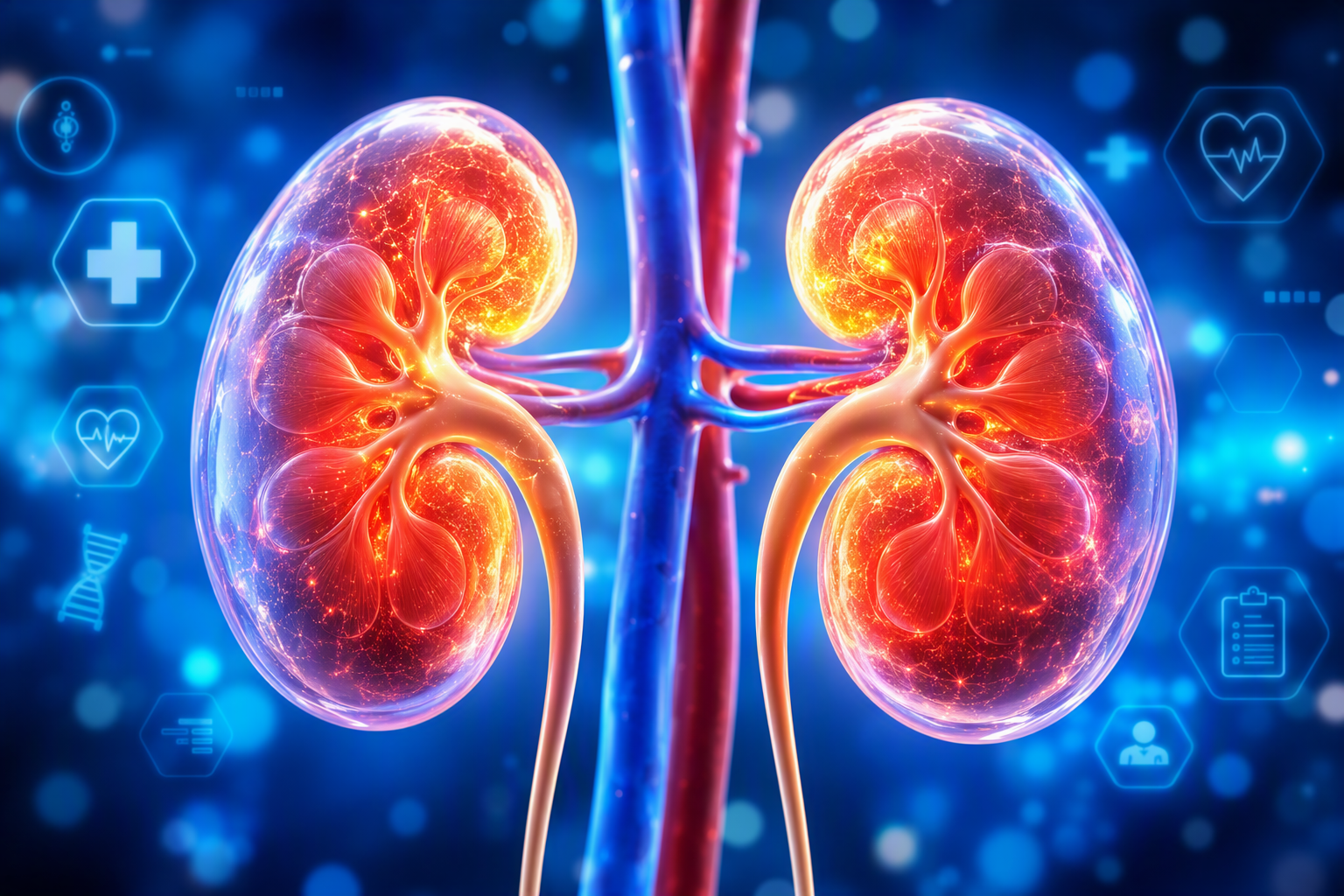
Your kidneys are small parts in your body, but they do a big job. They clean large amounts of blood each day. This is how they remove waste products and extra fluid from your body. With this kidney function, your body stays clean and in balance.
Healthy kidneys help your body in many ways. They help keep blood pressure steady. They also support red blood cells. When your kidneys work well, you feel better. To understand why kidney health is important, look at what they do for you.
Key functions of healthy kidneys
Healthy kidneys do more than make urine. They have the job of filtering waste products from the blood. They take out excess fluid from the body, too. They help keep the right balance of chemicals in you. Healthy kidneys also support kidney function by managing blood flow through tiny blood vessels.
They also help with:
- Helping to control blood pressure
- Making hormones that let red blood cells grow
- Keeping blood vessels and fluid levels steady
- Removing waste by glomerular filtration rate and urine tests
When these tasks stop working, the body can feel it in many ways. High blood sugar, high body weight, and bad blood pressure control are some risk factors. The best way to avoid them is to get regular checkups, practice healthy habits, and get care when needed. If you lose kidney function too much, then the only way may be dialysis or a kidney transplant. In some cases, you might need peritoneal dialysis.
How kidneys support overall wellness
Kidney health is about more than just your urine. If kidney function is good, your body keeps fluids balanced. It also clears out bad stuff and helps keep energy up in the day. This makes you feel better, and it helps other organs work with less stress.
There is a strong link between your kidneys and things like body weight, blood pressure, and blood sugar. If you keep these in a healthy range, the kidneys are under less stress. When these numbers stay high for a long time, the risk of kidney damage goes up.
Simple lifestyle changes can help your kidneys. If you eat a balanced diet, move your body often, and drink enough water, you take care of kidney health. Regular check-ups are important too. These habits are good for your kidneys and make your quality of life better in the long run.
Common Risk Factors Affecting Kidney Health
Some people can get kidney disease easier because of things they cannot change. Other people are at higher risk because of what they do every day or health conditions that are not looked after. If you know which group you are in, you can see what to keep an eye on. You can also see what things you can get better at to help your kidneys.
The main CKD risk factors are age, genes, diabetes, high blood pressure, smoking, being overweight, and bad eating habits. A family history of kidney disease can also make the risk of CKD higher. Next, let’s take a closer look at risks you can change and those you can’t change.
Non-modifiable risks: Genetics and age
Some kidney risks are things you can’t control. Genetics have a part in the CKD risk, especially when there is a family history of kidney disease. A condition like polycystic kidney disease can hurt the kidneys over time. Symptoms may not be clear at first, but the damage still happens.
Age matters too. When you get older, kidney function may go down naturally. This can increase the chance of having long-term kidney problems. That does not mean you will get a disease. It does mean screening is more important.
Common non-modifiable factors include:
- The risk goes up as you get older, especially if you are over 60.
- Kidney disease is more likely if people in your family have had it before you.
- African Americans and Native Americans are more likely to have a higher risk of kidney disease.
If you have kidney disease in your family, it is good to get your kidney function checked often. You can do this with simple blood and urine tests. This advice points out that regular checkups help you find problems early. It is important, especially for people who have a higher risk.
Modifiable risks: Lifestyle choices and medical conditions
Many risk factors are things you can control. Daily choices and health conditions, if not treated, can harm your kidneys over time. High blood pressure and blood sugar that is not controlled are two main causes. But there are other risk factors too.
You may also make your risk higher because of habits that feel safe when you start. Too much body weight, smoking, having much alcohol, eating processed food, and using pain medicine again and again can put strain on the kidneys. These things can also raise the risk because of higher body mass index.
Modifiable risks include:
- High blood pressure
- Not having blood sugar under control
- Obesity and high body mass index
- Smoking and too much alcohol
- Overuse of painkillers and self-medicating
The good thing is, lifestyle changes can help. If you make better food choices, move more, and stay hydrated, you may lower your kidney risk. You also keep your long-term protection when you treat health conditions that connect to it.
Recognizing Early Signs and Symptoms of Kidney Problems
Kidney disease can be easier to deal with if it is found early. The thing is, kidney damage may grow slowly at first. In the early stages, most people do not feel any signs. That is why early detection matters so much for kidney disease.
If you wait until things feel really bad, you may already have a lot of loss of kidney function. It is good to notice small changes early, and get simple tests to help find problems sooner. Let’s talk about the symptoms you should not miss, and why people often do not see them.
Symptoms you shouldn’t ignore
In the early stages, chronic kidney disease does not always show clear signs. You may feel fine at first. Later, as kidney function gets worse, some warning signs can show up. If you are at higher risk of kidney disease, do not ignore these signs.
Watch for symptoms such as:
- Swelling in the feet or legs
- Blood in urine
- Feeling tired all the time
- Going to urinate a lot at night
- Feeling sick or not wanting to eat
- Feeling out of breath as the damage gets worse
These signs may not always mean you have kidney failure, but you should pay attention to them. Urine tests and blood tests can show if there is loss of kidney function. If you have diabetes, high blood pressure, or someone in your family had kidney disease, you are at a higher risk for chronic kidney disease. Early checks are very important in these cases.
How kidney issues often go unnoticed in early stages
Yes, kidney disease can start without you knowing. Chronic kidney disease is often called a silent condition. Many people feel normal in the early stage while damage happens in the body. That is why the risk of CKD is often not noticed enough.
In the early stages, the kidneys may still work well enough that it is hard to notice any problem. You may not feel pain or see anything different in how you live each day. But blood and urine tests can pick up signs of trouble. Some things these tests check for are serum creatinine, glomerular filtration rate, and any unusual urine findings.
This is why early detection is important. If you have diabetes, high blood pressure, obesity, or people in your family with it, regular urine tests and blood work help. These tests can find disease before you feel sick. That gives you a good chance to slow it down.
Medical Conditions That Raise Kidney Disease Risk
Many health conditions can make you more likely to get kidney disease, mainly if you do not handle these problems well over the years. These health conditions can slowly damage the kidneys. Over time, it may lead to lasting loss of function.
The most important medical risk factors are diabetes and high blood pressure. Other issues, like infections and autoimmune disease, can also cause scarring in kidney tissue. Diabetes and high blood pressure happen in many people, so they need extra focus. Let’s talk about the way high blood sugar harms the kidneys.
The impact of diabetes on kidneys
Diabetes is a top reason for kidney disease. When a person’s blood sugar stays high for a long time, it can hurt the tiny blood vessels in the kidneys. This damage makes the kidneys less good at filtering, and over time, it begins the process of kidney damage.
As time goes by, this can turn into diabetic kidney disease or diabetic nephropathy. Proteins may start to show up in the urine, and the kidneys may not filter well. A glomerular filtration rate that goes down means the kidney function is getting worse.
If you have diabetes, you need to keep your blood sugar at good levels to help protect your kidneys. The information shows that medicine, food choices, and how you move are big steps to take. Check your blood sugar often, follow what your doctor tells you, and get kidney tests on a regular basis. This can help lower harm later and slow down the disease.
Hypertension and its effects on kidney function
Hypertension can slowly hurt the kidneys without people knowing it. The high pressure on the blood vessels makes them weak. This cuts down the healthy blood flow to kidney tissue. As the injury gets worse, kidney function can start to drop.
There is a bad cycle that happens in the body. When kidneys get hurt, blood pressure can go up. This makes the kidneys feel more stress. If you do not get treatment, you may get scarring and lasting kidney damage.
Blood pressure control is very important when you want to prevent kidney disease. When you keep blood pressure in check, it helps take care of blood vessels. It also keeps blood flow normal and lowers some of the biggest risk factors for kidney disease. You can do this with lifestyle changes, home checks, and medicine the doctor gives you. All these things work to control blood pressure and stop future harm.
Everyday Habits That Can Damage Your Kidneys
Not all kidney damage is caused by big illness. Some things you do every day can make the risk of CKD higher without you knowing. Small choices over time may put your blood pressure up, slow down blood flow to the kidney, or put stress on kidneys that are already in trouble.
Painkiller overuse, smoking, drinking too much, not drinking enough water, and eating poorly are often risk factors. If you do not control them, they can lead to kidney damage and may cause kidney failure. The next sections will talk about medications and substance use. They will also share easy lifestyle changes that can lower harm.
The risks of overusing painkillers and self-medication
Many people use painkillers and do not think much about it. But when you take common drugs like ibuprofen and naproxen often or in a high dose, the blood flow to your kidneys can go down. If this happens over time, it may lead to kidney damage. This is more likely if you have other risk factors.
Self-medicating can be bad for you. If you take antibiotics or painkillers for a long time without talking to a doctor, you can get chronic kidney disease. Sometimes, it can also cause acute kidney injury. Always ask a health care person before you use any medicine for your kidney disease.
Habits that raise concern include:
- Taking painkillers very often can be bad.
- Using over-the-counter drugs for many days is not good.
- Mixing medicines without a doctor to guide you can hurt you.
- Not going for timely treatment when you feel sick can make things worse.
If you use these medicines a lot, you should speak to a healthcare professional. A quick check of your medicine habits can help your kidneys. This can stop silent harm before it gets hard to fix.
Smoking, alcohol, and their negative impact on kidney health
Smoking hurts blood vessels all over the body, and this includes the ones that help the kidneys. When blood flow gets worse, kidney function also gets worse. Smoking makes blood pressure go up. This puts more strain on the kidneys and bumps up the risk of CKD.
Alcohol can be a problem if you drink too much. Much alcohol can make blood pressure go up. It can also take water out of the body and put stress on the kidneys. That is why it is good to drink in moderation if you want to keep your kidney health strong for a long time.
Helpful lifestyle changes include:
- Quit smoking to help keep your blood vessels healthy and protect your kidney function.
- Limit alcohol so it does not put too much pressure on your kidneys.
- Do these steps along with a better diet and regular exercise.
These changes may seem easy, but they can make a big difference. Even small steps can help lower risk and keep the kidneys healthy.
The Importance of Staying Hydrated for Kidney Function
Water is very important for kidney function. The kidneys use water to get rid of waste. Water also helps keep the balance of fluids in the body. If you do not drink enough, it becomes harder for the kidneys to work well. Kidney health can go down if you don’t stay hydrated.
Dehydration can put more stress on the kidneys. It can also make the chance of getting kidney stones or having sudden injury higher for some people. But drinking too much fluid is not good for everyone, either. The next sections talk about how dehydration affects your kidneys. They will also cover the best way to keep a healthy fluid intake.
Dehydration and its link to kidney problems
Yes, the link between dehydration and kidney health is clear. If you do not have enough water in your body, your kidneys find it harder to wash out waste. This extra effort can lead to kidney issues after some time.
Drinking less water can cause minerals in urine to stick together. This can make kidney stones form. If you have kidney stones again and again, or if they are not treated, you may get scars in your kidneys. Over time, this can hurt them. If your body does not get enough water, it may slow down blood flow in the kidney, which is not good for the tissue.
Severe dehydration can cause acute kidney injury in people. This is why you need to drink enough water every day. A lot of the information says water is like your kidney’s best friend when you want to stop problems and help your kidneys work well each day.
Best practices for healthy fluid intake
The best way to help your kidney function is to drink enough water through the day. Most people do well with 8 to 10 glasses of water each day. The amount you need could be different based on your health.
You do not need hard rules for this. It helps to make habits that support good fluid intake, but do not drink too much. Excess fluid can be a problem for some people. This is often true for those with kidney issues that are advanced.
Good hydration habits include:
- Drink water often. Do not wait until you get thirsty.
- Choose drinks with less sugar. Try lemon water or herbal tea.
- Have your drinks with a balanced diet.
- Talk to your healthcare team to see if you need to limit fluids.
This way lets your kidneys do their job well. It may help cut the risk of stones and stress from not having enough water.
Smart Dietary Choices for Strong Kidneys
What you eat can change kidney health. A balanced diet helps keep blood pressure, blood sugar, and body weight in check. A poor diet can make risk factors for kidney health worse. That is why your food choices matter every day.
A healthy diet is about eating less salt, choosing whole grains, and having more fresh fruits and vegetables. Try not to eat much red meat or foods that have a lot of sodium. These things can be tough on your body. Let’s talk about the foods you should have more and the ones you should eat less.
Foods to eat for better kidney health
A balanced diet is important for kidney function and kidney health. It can help lower stress on the body. This information says that simple foods, which are not processed, are a good choice. If you add physical activity to your daily routine, it can help your kidneys stay healthy as time goes on.
Good options include:
- Whole grains should be eaten in the right amount.
- Fresh fruits like apples, berries, grapes, and peaches.
- Vegetables such as cucumbers, bell peppers, green beans, and cauliflower.
- Lean proteins from chicken, turkey, fish, and egg whites.
- Healthy fats, like olive oil, avocados, and nuts. These need to be eaten in small amounts.
Here is a simple guide:
| Food group | Better choices for kidney health |
|---|---|
| Fruits | Apples, berries, grapes, peaches |
| Vegetables | Cucumbers, bell peppers, green beans, cauliflower |
| Proteins | Chicken, turkey, fish, egg whites |
| Fats | Olive oil, avocados, nuts in moderation |
| Overall pattern | Balanced diet with less processing and regular physical activity |
These foods can help you make a good eating plan. They also support your health in the long run.
Ingredients and diets to avoid for kidney protection
Some foods can slowly hurt your kidneys if you eat them a lot. A diet with high sodium intake and salt intake can increase blood pressure. This is a main reason for kidney damage. Most processed foods are a big source of this hidden risk.
It is good to watch out for red meat, fried foods, drinks with lot of sugar, and snacks that are made in factories. These foods can make weight go up, cause blood sugar to be high, and push cholesterol levels over what is good for you. These choices add to risk factors that affect health.
Try to limit:
- The processed foods and canned soups be full of salt.
- A lot of fast food and salty flavors are bad.
- Eating too much red meat and meat that is processed is not good.
- Fried foods and drinks with sugar can also hurt you.
Eating less of these things helps to keep the kidneys safe. It might also stop the problems that make kidney disease get worse.
Proactive Prevention Tips for Kidney Wellness
Looking after your kidneys is about having good habits every day. You do not need to make big changes. The best ways to keep your kidneys safe are found in tips that help stop the main things that harm them. High blood pressure, high blood sugar, being overweight, smoking, and not drinking enough water are the biggest causes of kidney damage. If you take care of these things, your kidney health can get better, too.
You can cut down the risk of CKD if you take steps with what you eat, how you move, the meds you use, and by getting regular tests. A healthy weight and keeping up with physical activity are important too. Let’s look at two big things: medical control and daily habits.
Managing blood pressure and blood sugar
Managing blood pressure and blood sugar helps keep your kidneys healthy. If blood pressure and blood sugar stay high for too long, they hurt blood vessels in the kidneys. This makes it hard for your kidneys to filter. If you don’t take care of this problem, the damage can last forever.
The gathered information shows that even a little change can help. Good blood pressure control puts less stress on the kidneys. Keeping blood sugar levels steady stops damage to small filtering vessels. Doing both can slow down or stop the disease from getting worse.
Helpful actions include:
- Check blood pressure at home.
- Take medicines your doctor gives, just how they say.
- Eat good food as part of your daily meals.
- Keep moving to help blood sugar and control blood pressure.
If you have diabetes or high blood pressure, it is important to start treatment as soon as possible. This can help lower your chance of having kidney trouble later.
Beneficial lifestyle changes: exercise, healthy weight, and regular checkups
Yes, being active most days can help your body avoid kidney disease. Walking fast for about 30 minutes can make blood pressure and blood sugar better and keep blood moving in the body. These changes help keep the kidneys safe. They stop more than one thing that can make the kidneys feel stress.
You do not need to do heavy workouts. What matters most is if you keep a routine and stay active. Physical activity helps you get a healthy weight. It can also make your body mass index better. Keeping active may lower the risk of CKD that comes from obesity and not moving enough. Simple routines help a lot.
Useful lifestyle changes include:
- Walk, ride a bike, do yoga, or work in the garden often.
- Try to get to a healthy weight.
- Set up regular checkups and screening tests.
- Talk about your medicines with your healthcare team.
- Go to the doctor early if you feel any symptoms.
These habits help you stay away from problems. They also make caring for your kidney feel like a normal part of your day.
Conclusion
In the end, keeping your kidney health in good shape matters for your whole body. Know what your kidneys do and what risk factors make problems more likely. Take steps early to protect your kidneys. Watch how you live and what you eat, so you help your kidney function. Drink enough water every day. Make healthy changes to your diet. Try to catch any kidney issues early. A healthy lifestyle and early detection work together to keep your kidneys strong.
If you want help that fits you, get a free consultation. It can guide you on ways to boost your kidney health. Your kidneys will feel better, and so will you!