
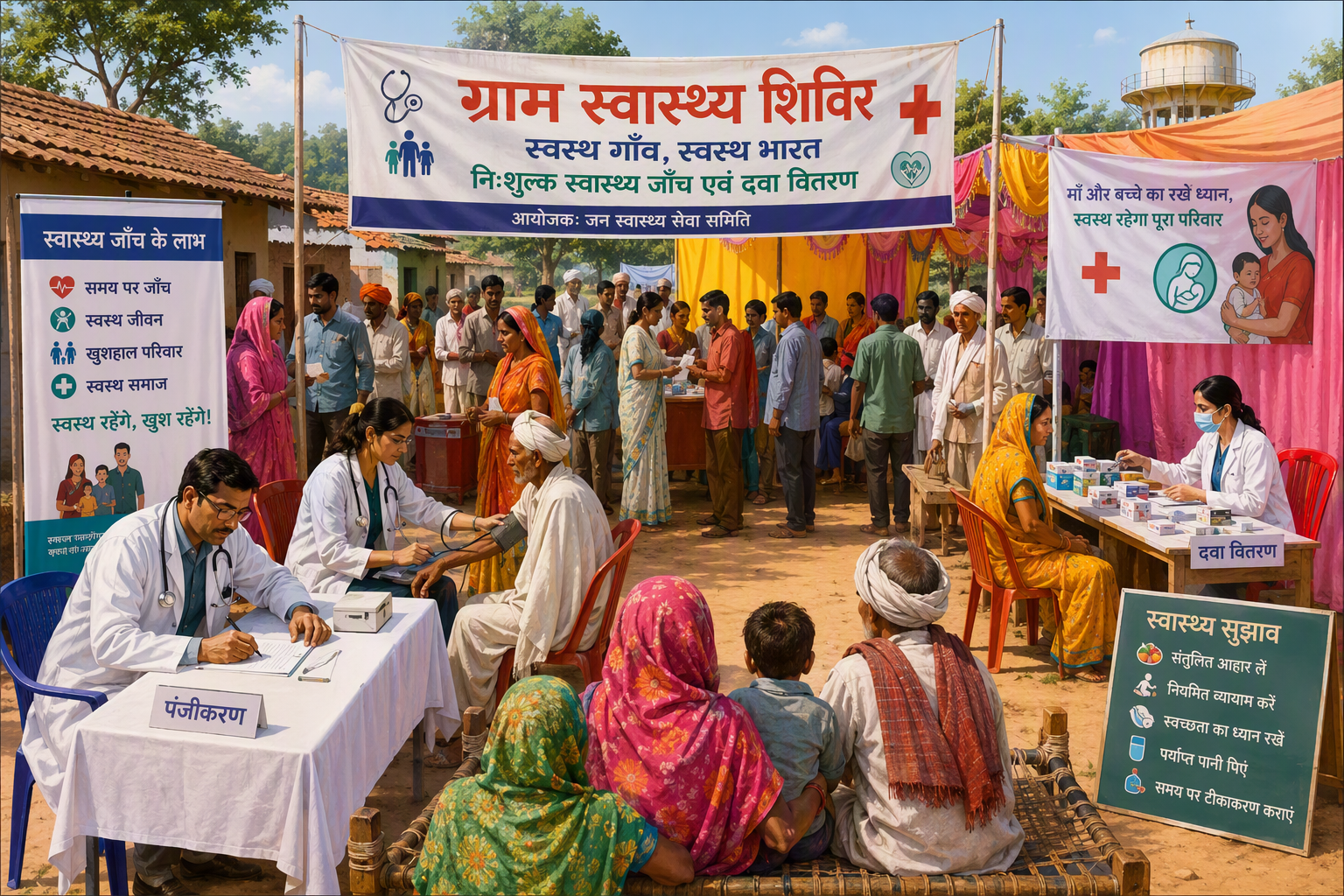
Key Highlights
- People in rural India often do not get healthcare services because of poverty, long distances, and low health literacy.
- Rural healthcare in rural areas is about more than just healthcare infrastructure. The people also need better awareness, options they can afford, and more healthcare professionals.
- A lot of families wait to get healthcare because the cost is a financial burden. This makes it hard for them to get the help they need.
- A shortage of healthcare professionals also makes it tough to have quality care in rural areas and other underserved areas.
- When there is no good transportation, getting healthcare access is harder. This is a big problem for remote areas, especially when there are emergencies.
- Government programs, community health workers, NGOs, and telemedicine are helping improve rural healthcare access. All these efforts make it better for people to get healthcare in rural india.
Introduction
In rural India, it is not just about how many clinics or hospitals are there. A lot of things work together to shape healthcare access. Public health depends on if people can go to care, pay for it, trust it, and know when they need it. For many families, poverty, bad transport, little knowledge about health, and not enough staff make care hard to get. To know why these problems stay, you have to look at the whole system, not just one issue.
Understanding Healthcare Accessibility in Rural India
Healthcare accessibility in rural India is not just about having a clinic close by. It means that people in rural areas can get healthcare services that are available, affordable, and accepted by them. These services also need to be easy for rural populations to reach, even when they live far apart.
That is why the main problems are not just about weak facilities. Families deal with little information, money problems, and transport issues. Stigma and strong old beliefs also play a big part. There are not enough workers as well. All of these things come together to shape how people use care. Many needs are still left unsolved because of this.
Defining healthcare accessibility and its significance
Healthcare accessibility means how easy it is for people to use health services when they need them. It is about being able to get to a hospital or clinic, paying for care, having enough staff, and getting medicines and tests. People should also feel that they can use the healthcare system without getting lost or having to wait too long.
Quality healthcare is important, but families need to be able to use it. A center might be there, but if it is too crowded, does not have enough tools, or is too far to reach, then it is still hard to get care. The World Health Organization says health systems also cover things like stopping sickness, changing habits, cleaning, eating well, and helping people in the community.
In rural India, many things block people from getting care. Roads are bad. People may not know much about health or what to do when they feel sick. There can be shame about certain problems. Services don’t connect well with each other. Sometimes, people need to pay from their own pocket. All these things keep people from getting help when they need it. It is not only about having a clinic nearby. A good system is needed so it works for everyone.
Overview of rural population distribution in India
Rural India has many rural communities. These are spread out across a big area. A lot of them can be found in underserved areas. These places often do not have enough public services. The wide spread of these communities makes it hard for health systems to work well. Health systems need to reach villages, small towns, and people living far away. It is more difficult than reaching people in just one place.
For rural populations, where you live can affect your health care options. A family might be very far from a clinic. They may not have good ways to travel. Sometimes, they rely on just one busy health worker. When care is spread out and not linked well, small medical needs can feel hard. It can be tough to get help when you need it.
This spread also shows that building more places is not enough to fix the problem. The system must do more than just add buildings. It needs to help with awareness in rural communities, have good local staff, improve sanitation, better nutrition, and support people in other ways. In many rural communities, these things are what make people go for treatment early, wait too long, or not use formal care at all.
Socioeconomic Factors Shaping Healthcare Access
Socioeconomic factors play a big part in rural healthcare access. Families who are close to or under the poverty line often have a hard time paying for treatment. They also feel the cost for transport, medicines, and lost work time. This can make going for healthcare feel risky even before seeing a doctor.
At the same time, low health literacy and poor health education hold back what people know about prevention, nutrition, and hygiene. It also makes them less likely to get early treatment. When you have less money and know less, you often wait too long to get care. These things show how social and economic conditions can shape health decisions for all of us.
Impact of poverty and income disparity
Poverty has a big effect on healthcare access in rural areas. Many people in these places have jobs that pay by the day. A trip to the clinic can mean they will lose one day’s earnings. Because the money they get is not steady, spending on health is often put off until they feel very sick.
Economic status plays a big role in the kind of care people get. Families with less money often have to use crowded public health centers because private care costs more. When you throw in medicine, tests, and travel, the financial burden can get too much for one household to handle.
This leads to a bad cycle. A person with poor health cannot work well. The cost for treatment takes money from the family and makes life harder. Data shows high health spending and not enough good advice makes people pay more from their own pocket. A big cost for care and spending can push people even more into tough times. Because of this, poverty is both a reason and a result of weak access.
Influence of education and health literacy
Education helps people learn about symptoms, prevention, nutrition, and when to ask for help. If health literacy is low, families may not know the services in the healthcare system. They might not know which conditions need fast care or how the system works.
That gap can lead to delayed care, missed shots, poor cleaning habits, and weak effort in following doctor’s advice. In rural healthcare, lack of awareness makes it easier for diseases from poor sanitation and weak prevention to keep spreading.
This is why awareness campaigns are very important. When the community works together on WASH behavior, nutrition, vaccination, and help for mothers, it shows that learning can change what people do. If people know how sanitation, handwashing, and going to the doctor on time help them in the long run, they will be better ready to use these services. They will also do more to keep their families safe and healthy.
Role of Affordability in Healthcare Decision-Making
Affordability plays a big role in if families use rural healthcare services. If healthcare costs feel too much, people may wait to see a doctor, not take tests, or skip treatment. This can mean they don’t get help until their illness gets really bad. Then the financial burden can get even worse.
In rural communities, the cost is more than hospital bills. It covers transport, medicines, diagnostics, and lost wages. That is why, even low-cost services feel hard to get. The next parts will show where these costs are the toughest. They will also reveal why gaps in coverage are important.
Out-of-pocket expenses and rural families
Out-of-pocket spending is still a big problem for rural families. The information gathered shows that more than 39% of India’s total health costs are paid right away by people themselves. For many rural populations that have little or uneven income, even simple treatment can be hard to pay for and puts stress on their finances.
The problem is more than just the cost to see a doctor. Healthcare costs go up because people need to travel again and again, buy medicines, get tests done, and they may lose income while getting treatment. Many households feel they have to borrow money, take loans, or sell what they own to afford medical care.
Common effects of this financial burden include:
- Waiting to get help until things get worse
- Not doing the tests or taking the medicine your doctor said you need
- Having to borrow money or owing money after being in a hospital
- Selling cows, land, or things you own
- Picking treatment mostly by how much it costs, not what you really need
When people in rural communities have to think about costs, money is often the main thing that holds them back from getting healthcare. Affordability is one of the biggest barriers that stops them from going to the doctor or getting the help they need.
Health insurance coverage challenges
Health insurance can help take some pressure off families. But problems with coverage still make it hard for people in rural areas to get healthcare. Some health insurance plans have improved things. Still, there are many families in these places that feel the impact. The reason is that awareness is low, and not everyone can use the benefits in the same way. There are gaps in how health insurance reaches people there, and this stops some from getting the help they need.
Insurance is helpful only if people know about it and feel they can use it without any trouble. If rural families do not know if they can get it, how to sign up, or what services it pays for, they will not feel safe. This means insurance cannot help people get healthcare services fast when they need them.
Community-based health insurance brings people together to share the risk. It uses local money to help families deal with sudden medical costs. Plans like Rashtriya Swasthya Bima Yojana and Ayushman Bharat have helped more people get coverage. Still, there needs to be more awareness so that rural populations can use these health insurance schemes and not fall further into poverty.
Infrastructure Deficits in Rural Healthcare
Healthcare infrastructure is still a big challenge in rural areas. Many health facilities are spread out, not looked after well, have too few staff, or are missing important tools. This inadequate infrastructure makes it hard to get quick diagnosis and treatment. It also makes quality care weaker.
Still, buildings are just one part of the problem. A building alone will not help people if there are no staff, medicines, tests, or way to travel there. This does not give real access to care. To really see what is missing, look first at the main health centers. After that, see the state of the equipment and places.
Availability of primary health centers and sub-centers
Primary health centers and sub-centers be the main places for rural health. These health centers are to make basic care close to rural communities. But the information we get shows that many centers do not have enough staff or the right tools. This makes each healthcare facility less useful, especially in places where people live far apart in different villages.
When health centers can’t keep up with demand, people go to other places for basic care. They wait longer for treatment, so easy health issues often get worse. The problems are not just about the buildings. They also come from things like staff shortages, not enough supplies, and trouble getting services to work together.
| Facility Type | Intended Role in Rural Health | Common Challenge in Rural Communities | Effect on Access |
|---|---|---|---|
| Sub-centers | First local point for basic health support | Limited staff or weak service readiness | Early care may be missed |
| Primary health centers | Backbone of primary care and routine treatment | Understaffed and under-equipped | People travel farther for care |
| Public rural facilities | Low-cost healthcare facility network | Overcrowding and limited resources | Delays reduce timely treatment |
State of medical equipment and facility infrastructure
A health center is more than just having walls and a signboard. It needs tools, tests, medicines, power, clean spaces, and care to work right. All these things help people get quality healthcare. In many rural healthcare settings, the basics are often not the same for everyone.
Health clinics that do not have good tools make it hard to find disease early or help people with common health problems. In rural communities, this issue can be even worse. The people there have to deal with both infectious diseases and more health problems like diabetes, high blood pressure, and cancer. These health clinics in rural communities need better equipment to give good care.
Infrastructure development should focus on how things work, not just making things bigger. If places do not have needed tools, free medicine, or help to find what is wrong, people will lose trust in the system. They might not use formal care. Better tools and stable conditions can help make rural healthcare stronger. This makes every visit more helpful, quicker, and safer for people.
Human Resources and Workforce Shortages
Rural healthcare needs the right number of trained people to work well. But there are not enough healthcare professionals in many places. A shortage in human resources affects all areas of care. This includes diagnosis and care after the first visit.
When doctors, nurses, and support staff are not there, wait times go up and there are fewer services. Patients might have to wait longer to get care, may not get much help, or get sent somewhere else without treatment. To see how all this happens, you need to look at where staff are first and then at how hard it is to keep good workers.
Distribution of doctors, nurses, and allied personnel
The number of healthcare professionals in India is not the same everywhere. Rural areas feel this problem most, as these places have less staff than cities. Reports show that the whole country does not have enough doctors and nurses. People in rural communities feel the shortage more because there are not many places to get help.
This imbalance makes health systems weaker in daily life. There are fewer doctors, so people have to wait longer to see one. When there are fewer nurses and other helpers, screening, follow-up visits, help for mothers, and patient checks can drop. When staff have too much work to do, quality care can go down, even if a center is open.
The result is that the service in rural healthcare becomes tough. If there is one missing worker, it can slow down the whole chain. A patient may have to wait longer to get help. Sometimes, they may need to go to another place. A few may leave without getting treated. So, this shortage is not just about not having enough staff. It also changes the way rural healthcare works. It makes care less reliable—for prevention, treatment, and recovery.
Retaining skilled health professionals in rural areas
Keeping skilled healthcare providers in rural communities is hard. Many people want to work in cities because there is better living and more chances for work. This means rural healthcare often has shortages, even when new staff come in to help.
Frequent turnover breaks up steady care. Patients the lose trust when providers change all the time. Facilities have a hard time putting together stable teams. Training costs may not be worth it if workers leave before the systems get better, or before they connect with the community.
Human resources planning should think about more than just hiring. Rural areas need good working conditions, steady services, and a health system, so professionals can do their jobs well. Workers at the community level do help a lot, but real change depends on keeping skilled providers in place. They need to stay long enough to help with prevention, treatment, maternal health, and regular care. This is how there can be steady support in rural areas.
Transportation and Physical Accessibility Challenges
Even when there are services, getting there can be hard. In remote areas, roads usually be in bad shape. It can take a long time to travel, and the signal can be weak. This makes getting to healthcare facilities hard every day. Rural healthcare depends on if people can get to these healthcare facilities.
This becomes very important when there is an emergency. But it is also a big deal for regular visits, care for mothers, and checking up after treatment. If the hospital or clinic is far away, something that can be treated early may turn bad. The next two parts will look at how the distance to a clinic or hospital and the problem of not having reliable ride services can make things worse.
Distance to healthcare facilities in remote villages
In remote areas, one of the main problems is the distance people have to go to get to healthcare facilities. Many patients need to travel far just to get basic care. This travel can slow down when they get a diagnosis or medicine or quick help if they need it.
For underserved communities, this can feel hard both in practice and emotionally. A long trip can mean missing work. You might need to find extra money. Sometimes, you have to find someone who can go with you. If symptoms are mild at first, many people decide to wait before making the trip.
That leads to limited access even if there are some services. In small villages, people live far from health care. This means they do not go for regular check-ups. Many people get sick and do not know early. Some even recover more slowly, as follow-up care is far away and hard to get. The problem of distance is not just about the space. It makes people change how they take care of their health. They do not go on time, so this lowers the chance of getting help when they need it most.
Lack of reliable transport and emergency services
Many people in rural areas do not have good transport. This makes it hard for people to get to healthcare when they need it. A lot of villages do not have good roads. Transport can be too costly, not come often, or not be there when people need it most.
The problem gets worse in emergencies. There are notes that say ambulance services are missing or not enough in many places. This can create big delays in getting people to medical care. When the problem is childbirth, accidents, a high fever, or a sudden illness, the time lost during transport can change what happens.
This is why physical access needs to be seen as a key part of the healthcare system. A clinic with staff does not help much if the patient cannot reach it. More reliable emergency services and good transport can not only make care faster, but also help rural families trust the larger health system more.
Gender, Social, and Cultural Barriers to Care
Family roles, social expectations, and cultural norms all play a big part in health decisions. In some places, these things can decide who gets help first and when people go for care. They can also shape if people trust health services or not.
Gender bias, stigma, and old ways of thinking can stop people from getting the treatment they need on time. But social health activists and community health programs help build trust and support in these areas. To see this more clearly, it helps to look at barriers based on gender and those caused by beliefs as two different problems when it comes to how people seek care.
Gender bias in access and utilization of health services
Gender bias can make healthcare access harder for women, especially in rural places. You can see this when the health needs of women are not seen as important as men’s needs. Because of this, women sometimes do not get the right treatment, checkups on time, or as much care as men get. This can affect all parts of their health and well-being.
This can be bad for maternal health. If there is not enough care before a woman gives birth, not much focus on what women need, and if treatment is late, the risks go up for both mothers and babies. People also need to know more about menstrual hygiene. A lack of support in this area still makes things hard for women.
The issue is not just about medical care. It is also about what happens in the lives of people. There are rules and ideas in every group that shape how people get around, how they spend money, and how choices are made. Sometimes, women need someone to say yes, hand over some money, or go along with them before they can try to get help. So, healthcare access is not only about having places to go. It also depends on if women are allowed and helped by others to use these places when they need to.
Traditional beliefs and their impact on healthcare-seeking behavior
In many rural areas, people still follow old ways when it comes to healthcare. Some families may go to local healers first or wait to see a doctor. This is because they see illness more through their social or cultural ideas than by medical views.
This does not mean that people in these communities say no to care at all. A lot of the time, the problem is a mix of trust, old habits, the way people feel about getting help, and lack of awareness. You can see this with mental health. In many villages, people feel there is shame or stigma around mental health, so they do not get help from professionals even if they need it.
These beliefs can lead to several outcomes:
- People wait longer to use modern medical treatment.
- They do not accept preventive care as much.
- There is hesitation when it comes to mental health support.
- They rely more on informal advice.
- Some miss the chance to get diagnosed early.
That is why it is important to teach people in the area and talk with the community in a way that shows respect. These things help everyone use healthcare more and get the help they need.
Impacts of the Rural-Urban Healthcare Divide
The difference between rural healthcare and healthcare in urban areas has a big impact on how people get medical help in India. Urban areas usually have more doctors who specialize, better hospitals, and stronger transport or internet. Rural healthcare often gets less help, with not enough staff and resources. Over time, this leads to changes in health outcomes.
For patients, this gap can lead to late diagnosis, breaks in their care, or the need to go to cities for better treatment. This does not just make life harder. It can change if people survive, how they get better, and how they feel in the long run. The next parts will look at these topics in more detail.
Disparities in health outcomes between urban and rural populations
Health outcomes are not the same for rural populations and people in urban areas. People in cities can get to more specialists. They also have more tests and get faster referrals. In rural healthcare, things like not enough transport, not having enough staff, and less awareness can slow down the care people get.
These healthcare challenges can make it harder to stop and treat both infectious diseases and non-communicable diseases. The same issues also get in the way of good care for mothers and children, as well as nutrition and finding problems early. If care starts late, health outcomes will not be as good.
Information gathered shows that programs like ICDS have helped in many ways. They have led to better birth weight, more immunizations, improved nutrition, and better mental and social development in children. There is also a drop in infant mortality because of these efforts. But, these changes also show a bigger point—when the system gets stronger in rural areas, things get better. Still, there are gaps. Service quality and reach in these areas do not match urban standards yet, so some differences remain.
Migration for specialized medical services
When people living in rural areas do not have access to advanced treatment, they often need to travel or stay in urban areas for the care they need. This happens because healthcare access is not the same in all places. People go to urban areas when they cannot get special medical help in their rural areas.
The burden can feel heavy. Families have to find money, travel to the hospital, plan where they will stay, and take time off from work or school. For poor families, all of this brings stress before the treatment even starts. If the care needs follow-up, things get even harder.
Migration shows the difference between life in the city and life in the country. There may be a special service in the country. Yet, people who live in rural areas may still not reach it. This shows access to care is not only about how much is offered in the country. It is also about where the services are and if families can use them without too much trouble.
Government Policies and Initiatives for Rural Health
The Indian government has started several policies to help people get healthcare in villages. These steps improve more than just public health and health infrastructure. They cover things like medicine, tests, insurance, food, shots, and help from the community.
That broader approach is important because health systems do their best when prevention, treatment, and local support all link with each other. Programs like ayushman bharat, NHM, ASHA networks, ICDS, and other plans show that policy can deal with more than just buildings. The next parts talk about two big examples.
National Health Mission (NHM) and its impact
The National Health Mission started with the earlier National Rural Health Mission. It was made to make rural healthcare better with a plan that puts everything together. The mission is not just about infrastructure development. It works to build a health system that works well, is used by the people, and is spread across many areas.
A big strength of the National Health Mission is the way it connects health to things like education, good food, clean water, toilets, and fair treatment for all. This helps people see that community health is about how people live each day. It’s not only about getting care after someone gets sick.
You can see its effect in many ways. It helps people in rural areas get quality healthcare. People can get free important medicines and tests in public places for health. There is also stronger help at the village level. The ASHA network and the Village Health Sanitation and Nutrition Committee have played a big role. They help link homes to services, get people to have their shots on time, help with care for mothers, and teach about better ways to live at the local level.
Ayushman Bharat and other public health schemes
Ayushman Bharat is now one of the most important health schemes in the country. It helps make healthcare more affordable as it gives health insurance. People who need to go to the hospital for major problems get money support from this plan. It is very useful for families in rural areas who face high medical bills. Ayushman Bharat can make a big difference for them.
Its role in the healthcare system is more than just giving money to hospitals. The bigger Ayushman Bharat plan also has Health and Wellness Centers. These are set up to make primary care stronger. They also help give people free drugs and tests with support from the public sector.
Other plans also help with this bigger effort. Mission Indradhanush works on immunizing people in underserved areas. Jan Aushadhi helps give affordable medicines. Rashtriya Bal Swasthya Karyakram looks for health issues in kids early, including any disabilities. ICDS and anganwadis help with good food and early development for children. All these health plans work together to make sure people can get care. They give money protection, aim to stop sickness, and help in the community.
Community-Based and Digital Solutions to Improve Access
Some of the most useful gains in rural healthcare access come from action in the local community and help from digital tools. Community health work can make people more aware, grow trust, and change how they act in a good way. Digital health tools can also help connect people in far-off places with the healthcare providers they need.
Telemedicine, NGOs, self-help groups, and work done in villages all help a lot. They help cut down travel, share health education, and help with prevention. When these ways come together, they show that to get care to more people, you do not always need a hospital in every place. You need smart ways to connect people with the care they need.
Role of NGOs and self-help groups
NGOs and self-help groups often do well because they stay close to rural communities. They know the local problems that people face. These groups help healthcare services by making people aware of the issues, giving training, helping people change their behavior, and getting locals involved. They do more than just give formal treatment.
The information shared gives clear examples. S M Sehgal Foundation’s WASH work in Bihar was for families who had many problems. They used sessions to help people know more about hand hygiene. When there was not enough money for handwashing places, the project told people to use simple tippy-taps. This was an easy and cheap way to wash hands.
Another example is the E-Poshan Kendra initiative in Haryana. In this place, community health workers helped bring people together and change an ignored area into a space for local learning. Now, people there use it to learn about nutrition, sanitation, and services from the government. These efforts show that when community health workers, women’s groups, and village committees work together, they help build trust and share useful information. They also help people practice healthier habits every day, which makes it easier for everyone to get good support in normal life.
Telemedicine, mobile clinics, and digital health platforms
Telemedicine is now a helpful way for people in rural India to get medical care. It lets patients talk to doctors without having to travel far. With support from the government and the eSanjeevani service, there are many people in rural India who can speak with a doctor online. This saves time and money for people who live away from health specialists.
Digital health platforms make it easy to keep health records. They also help with checking on your health and spotting sickness early. People say that using AI for tests and mobile phones for health checks helps doctors see problems sooner. These tools make healthcare delivery better. If you live far away or need basic advice, you can still get care and talk to your doctor.
Their benefits are clear:
- You can get medical advice faster if you live far away.
- It can save money because there is no need for patients and their families to travel as much.
- Digital health platforms and health records help with better follow-up and care.
- Early detection can be done using mobile and AI tools.
- When you use mobile clinics together with digital systems, more people get the care they need.
Their results look good, but there is still a problem. The digital divide stops some villages from using them.
Addressing the Needs of Vulnerable Groups
Not everyone who lives in the country faces the same barriers. Some groups be more at risk, because their health needs are high. They need more help, better ways to travel, and service that is quick to answer them. When systems do not work well, these people feel it first.
Improving rural healthcare means we need to see who is left out the most. People with disabilities, children, women, and the elderly often need care made just for them. These groups also may need help from the community and to get care early. The next sections look at where there are gaps for these groups when it comes to getting care.
Healthcare access for people with disabilities in rural India
People with disabilities in rural India have a tough time getting healthcare. In underserved communities, they need to travel far. Transport is not good, so they find it hard to get to clinics. Many people do not know much about health. The clinics are not well equipped. Some do not get routine care because of these problems.
When services are split up, the challenges get bigger. If families do not know where to find help for screening, diagnosis, or follow-up, then some disabilities may not be found early. The information gathered on Rashtriya Bal Swasthya Karyakram shows how important it is to find and help children with disabilities early.
The bigger problem is that health services need to be easy for people to find, understand, and use. For people with disabilities, things like a faraway clinic or a busy center are even harder to deal with. When there is better community outreach, early detection, and stronger local help, it can lower these problems. This makes care more useful for families who need it most.
Special considerations for children, women, and elderly
Children, women, and elderly people often need to use healthcare services more often than other groups. If these people cannot get care easily, we see problems fast. This can hurt maternal health, nutrition, how long illnesses last, and health outcomes.
Collected details show some helpful services. ICDS and anganwadis have made things better for child nutrition, vaccines, birth weight, and also helped lower infant mortality. ASHA workers also have a crucial role by helping mothers, stopping diseases, and connecting families to services in the village.
Key needs for these groups include:
- There is help for women before and after having a baby.
- Children need good food and shots to stay healthy.
- Kids should be checked early to see if they have any development problems.
- Older people need check-ups and should get medicine on time.
- Local workers can guide families to make better health choices.
When you meet these needs early and keep doing so, things get better for the whole home. This also helps people in the community.
Conclusion
To sum up, the problem of getting healthcare in rural India is strong because of many things like money problems and not enough good roads or clinics. There are several ways to deal with these issues. We need both good plans from the government and help from people in the community. When we learn what makes it hard for rural populations to get care, we make it easier for everyone to find better help. Things like making transport better, bringing in more health workers, and using technology in health all matter a lot to fix this gap. If you want to know more about rural india or how you can help, or if you need help finding healthcare in your area, feel free to contact us for a free talk!
Frequently Asked Questions
What are the major challenges unique to rural healthcare accessibility in India?
Some of the biggest healthcare challenges in rural areas are weak healthcare infrastructure, long ways to clinics or hospitals, not enough staff, people spending a lot out of their own pockets, bad transport, and not much awareness. In scattered rural areas, the people face these problems together. For rural populations, this means getting to care is much harder than just putting up more buildings. All these healthcare challenges in rural healthcare make it tough for them to get the care they need, on time.
How effective are telemedicine and digital health in bridging the rural healthcare gap?
Telemedicine and digital health help people in rural India. These tools make it easy to get rural healthcare. Patients can talk to doctors from far away. They also help with follow-up care. This saves both time and money. People do not have to travel so much. More patients can now reach doctors and get healthcare access. The impact is good. Still, there are some limits. Some areas do not have good internet and not all people feel comfortable with digital tools. Because of this, full rural healthcare access is still hard to get in all places.

