Key Highlights
- Electronic waste is a fast-growing type of solid waste. It can bring big health risks when waste management is not good.
- If you handle it in an unsafe way, it can let out toxic materials and harmful fumes. These can get into the air, soil, dust, and water.
- Many developing countries have higher exposure. This is because they do not have enough rules, good infrastructure, or proper training.
- Some of the most worrying things found in electronic waste are lead, mercury, cadmium, and flame retardants.
- Children, pregnant women, and people who work in informal recycling are at the most risk.
- Safer ways to collect it, doing formal recycling, and making stronger rules can help to reduce the harm.
Introduction
Electronic waste is now everywhere since electronic devices are changed so often. This is because people keep getting new phones, computers, and appliances. When the old ones are thrown away or broken in the wrong way, toxic substances can get out into the environment. The problem of disposal then turns into an environmental health concern. You may not come in contact with these materials when the products are still working, but when they turn into waste, the risks become bigger and come fast. Knowing where you can be exposed is the first step to keeping people and communities safe.
E-Waste in India: An Emerging Concern
India shows the bigger problem seen in most developing countries. There is more electronic waste because people use and change devices more. As solid waste gets higher, worry rises about hazardous substances. These can get to workers, families, and neighborhoods close by.
Improper disposal of electronic waste can harm human health. When people dump, burn, heat, or break down electronics in the wrong way, it spreads toxic substances. These unsafe methods put electronic waste on top of public health issues. Harmful pollution can get into the air, soil, dust, and water. This causes problems for us all. In the next parts, we will talk about how this problem keeps getting bigger.
Growing Volumes of Electronic Waste
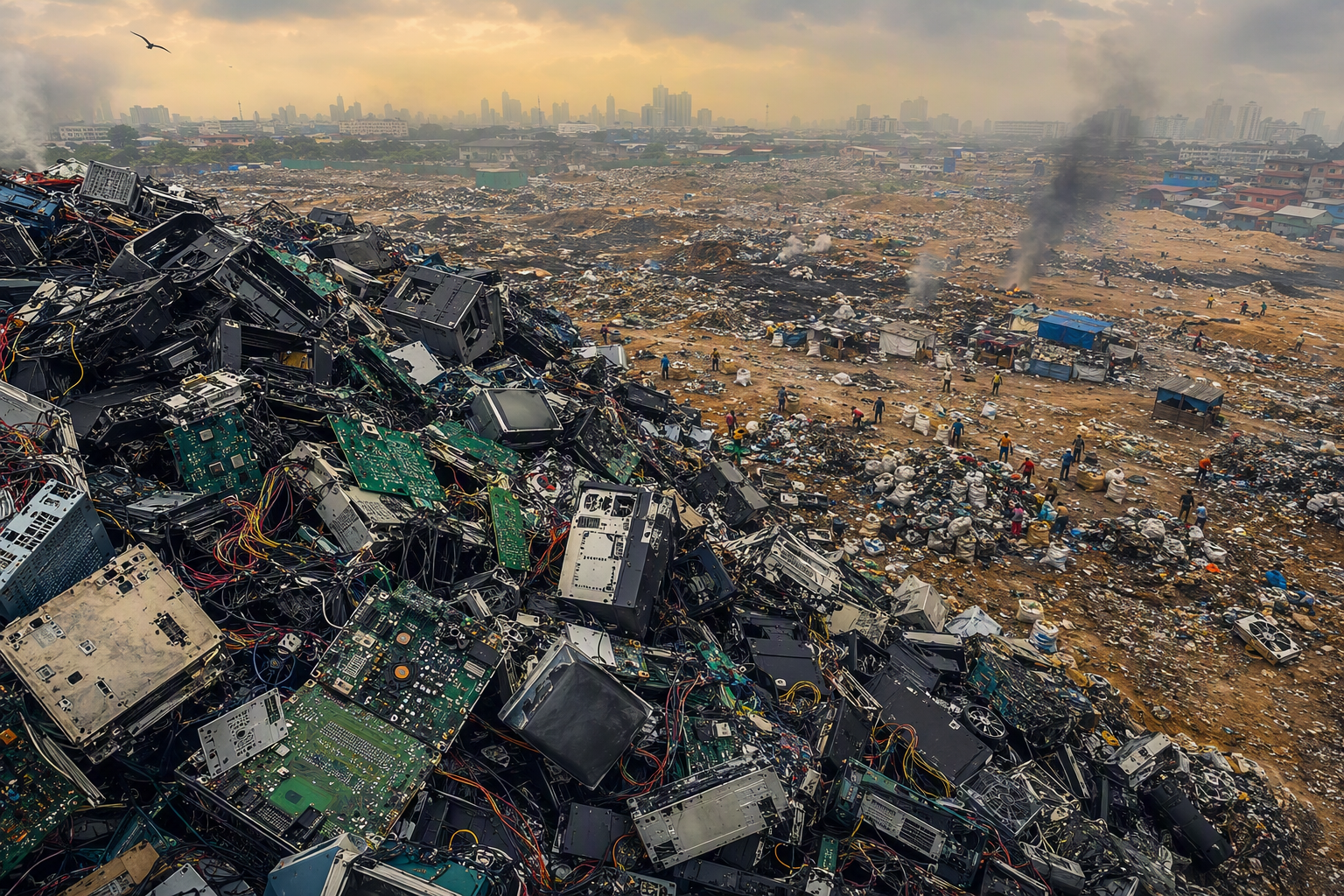
Electronic waste is growing fast all over the world. In 2022, people made about 62 million tonnes of electronic waste. But only 22.3% of it was recorded and sent for recycling in the right way. This is a big problem because old or used electronic devices do not just go away or break down by themselves.
E-waste has valuable materials inside it. If you handle it the right way, you can recover these materials. This can be an income source for people and their communities. But there are health costs if people use unsafe ways to do this. Handling e-waste the wrong way can cause respiratory problems, neurological damage, developmental harm, and other adverse health effects.
Global monitoring has let us see how big the problem is. The International Telecommunication Union shows data that tells us about the amount of waste and how important it is to have safer systems. More waste means more stress on health and waste systems.
Common Sources of E-Waste in Households and Industries
You may see e-waste more than you know. In homes, it grows when old electronic items sit in drawers, cupboards, or garages. In workplaces, there is a lot of it from old electronic equipment that people change for new ones all at the same time.
Common sources include:
- Mobile phones and old cell phones
- Computers and parts like circuit boards
- Large house machines
- Medical gear
- Broken or old office electronics
These products can have the most harmful substances in e-waste. This includes lead, mercury, cadmium, and flame retardants. When devices work, people are usually safe. But risk goes up after you throw them away. When these devices break, get stripped, get hot, or are dumped, they let harmful substances go. That puts workers and whole groups of people at risk and adds pollution into the air and land.
Informal vs Formal E-Waste Processing in India
Not every kind of recycling keeps people safe the same way. There is informal recycling that uses open burning or acid baths. People might also take things apart by hand or use rough ways to take out important parts. Formal recycling helps handle hazardous materials in a safer and more careful way. It also lowers the chance that people get exposed.
Here is a simple comparison:
| Aspect | Informal recycling | Formal recycling |
|---|---|---|
| Common methods | Burning, heating, scavenging, manual dismantling, acid leaching | Documented collection, controlled handling, safer waste processing |
| Worker protection | Often limited or absent | Better potential for training and safeguards |
| Pollution risk | High risk to air, soil, dust, and water | Lower when systems are properly managed |
| Community impact | Greater spread of toxic exposure | Better public health protection |
Yes, recycling can lower risks if it goes through formal recycling systems. International rules like the Basel Convention try to stop unsafe moving and dumping of waste. The main point is not just recycling, but how waste processing is done.
What is in E-Waste? Harmful Substances Explained
Electronic waste is made of more than just metal and plastic. When devices break, get hot, burn, or mix with acids, they can let out toxic materials and hazardous substances. Some of these pollutants hurt public health and have been known for a long time.
The most harmful substances are heavy metals such as lead, mercury, and cadmium. There are also toxic chemicals like dioxins and some flame retardants. These harmful substances matter because they can harm the brain, lungs, immune system, and development. Let’s look at each group more closely.
Heavy Metals Found in Electronic Devices
Heavy metals are a big risk found in electronic devices. Some of the most common ones in e-waste are lead, mercury, and cadmium. These can get out into the air and ground when dumped, burned, heated, taken apart, or recycled the wrong way.
Lead matters a lot because it often gets out in the air and water when people deal with e-waste informally. Mercury is risky too, mainly for babies before they are born and for young children. That’s because it can pass through the placenta and get into breastmilk. Cadmium is one more metal that is known to be bad for people’s health after they come into contact with it.
You might hear people talk about precious metals in electronics. These valuable materials can be taken out and used again. This is why e-waste recycling helps make some income. But, just because there are valuable materials in there, it does not mean it should be handled in a risky way. Using crude ways can be unsafe and may cause toxic exposure that is worse than any money you might make.
Persistent Organic Pollutants and Toxic Chemicals
E-waste is not made up of metals only. It also has plastic covers, parts, and mixed items that can let out toxic chemicals and persistent organic pollutants when burned or warmed up. These organic pollutants can stay in the environment for a long time and move to other places besides where it started.
Flame retardants used in some electronic parts are part of this problem. Dioxins are also harmful chemicals that cause worry for public health. Open burning and crude heating make this worse. They give off toxic fumes, which carry these harmful chemicals into nearby places.
The biggest health risks that come from these organic pollutants are breathing trouble, problems to the immune system, growth issues, and maybe long-term disease. People can get sick even if they do not handle e-waste. These pollutants can travel in the air, dust, soil, and water.
Health Impacts of Mercury, Lead, and Cadmium
Mercury, lead, and cadmium are some of the most harmful toxicants in e-waste. They are strongly linked to bad health outcomes. These metals can harm several parts of the body at one time. If you are exposed to them again or while the body is growing, the effects can be even worse.
Lead is a well-known poison that can hurt learning, behavior, and how the brain grows. Mercury slows the development of the central nervous system and is extra dangerous for people who are pregnant or kids who are young. Cadmium creates more harmful effects and is linked to health problems in people who come into contact with it.
Some studies talk about how toxic metal exposure can lead to DNA damage. You should know that these metals are not just a small problem. They can cause health issues that last. This is a big risk for children, pregnant women, and people who work with waste without any safety gear.
Pathways of E-Waste Exposure to Humans
Improper disposal of electronic waste can hurt people in different ways. When electronic waste is burned, heated, dumped, or broken up, it lets out harmful stuff. These get into the air, dust, soil, and water. So, anyone can be exposed even if they do not touch the waste.
Toxic fumes from open burning are a big way that harmful stuff gets into the air. But this is not the only way people face health risks. Some pollutants can get into food, drinking water, and even homes if people live close to recycling places or dumps. This is why health risks do not only affect the workers. The people in those areas are at risk too.
Inhalation of Toxins in E-Waste Recycling Areas
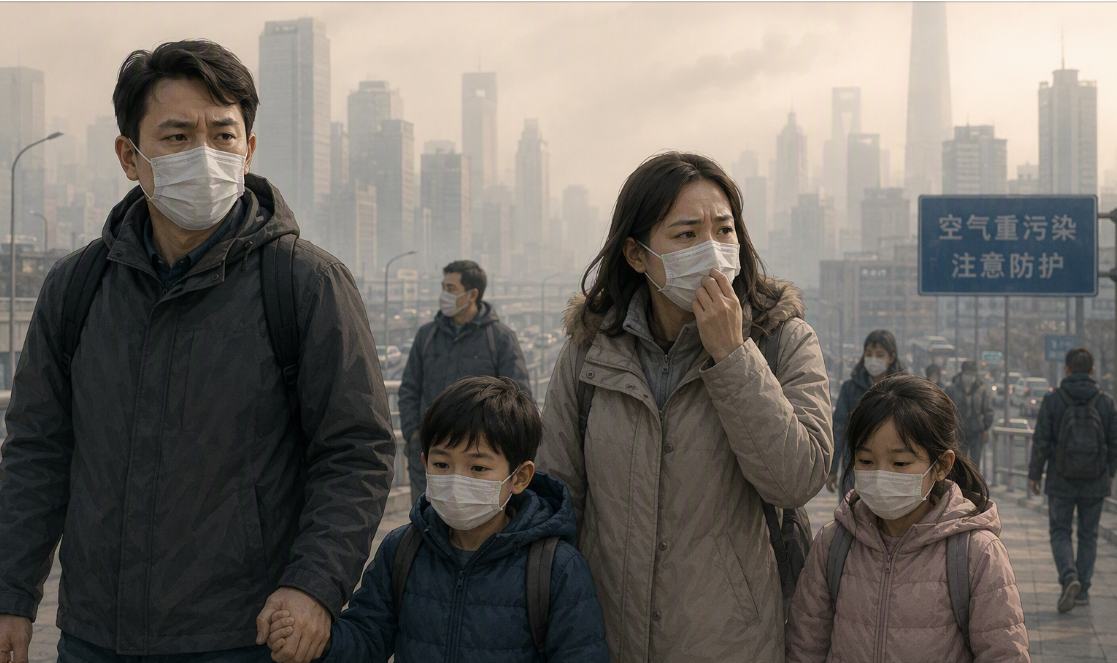
Air exposure is a clear risk near unsafe e-waste sites. When there is open burning, heating, or waste processing, toxic fumes go into the air. People breathe in this contaminated smoke, dust, and particles.
This kind of exposure has a strong connection to respiratory problems. People may cough, feel irritation, face breathing discomfort, or have less lung strength. In places where pollution happens often, there is more asthma. A lot of this is because of the bad air around many recycling locations.
The danger is not only for the workers who stand near the fire or in the dismantling area. Harmful substances can move far from where they began. This means families, children, and older people living close by can also breathe in these harmful substances, even if they do not work in recycling.
Contaminated Soil and Water: Routes of Absorption
Land dumping and putting waste into water bodies are big ways people get exposed. If hazardous waste is left on land or thrown out with normal trash, it can get into soil near it. Pollutants also get into water from this. It makes a simple waste problem become a large environmental health issue.
People can take in harmful chemicals by touching things, breathing in dust at home, or drinking bad water. The food chain also is at risk in this situation. When these toxic things stay in the dirt and water, they do not stay just at the place where they were dumped. They move further and can change the way people live in areas close by.
Common disease patterns tied to these conditions are breathing issues, asthma, problems with development, and other bad health outcomes. The effect you get depends on what the substance is, how long you are exposed, and the age or health of the person.
E-Waste in Urban vs Rural Communities
Urban communities can get exposed to waste at places like collection points, workshops, storage spots, and where a lot of recycling happens. In rural areas, people may be affected when waste gets dumped on land, burned outside, or moves into soil and water. In developing countries, there is often not enough protection in both towns and villages.
Health outcomes can change based on where people live. They also change with age. Children face bigger risks compared to adults. This is because their bodies are still growing. How they get exposed to things is different too. Children breathe faster for their size. They play near the ground, and they may touch dirty dust and waste more often.
Adults can be at risk too. This is true for workers and pregnant women. Still, when it comes to human health, children are the group most likely to be hurt. Their lungs, immune systems, and central nervous systems are still growing. This makes them more at risk from toxic things in the air.
Major Health Risks Linked with E-Waste Exposure
The main health risks from e-waste exposure are trouble with breathing, harm to the brain, development problems, issues with having children, changes in the way the body fights illness, and long-term disease. These health issues are mostly from hazardous substances that come out when people dump, burn, heat, or take apart e-waste in unsafe ways.
Adverse health outcomes do not happen only to workers who deal with waste all the time. Families who live close to places with pollution may get exposed as well. They may get exposed to harmful stuff in the air, dust, water, or soil. The next parts talk about the main body systems that are affected.
Respiratory and Nervous System Disorders
Breathing and brain effects are some of the most well-known bad outcomes from e-waste exposure. Air pollution that comes from burning or heating e-waste can make the lungs feel sore and cause issues with breathing. Because of this, respiratory problems are often talked about when people discuss unsafe recycling.
Symptoms can be coughing. You may have trouble breathing, wheeze, feel sore, or have asthma problems. For the nervous systems, things can be just as bad. If you touch things like lead or mercury, this can change the way you act, learn, and the way your brain grows. This is a bigger problem when you are pregnant or for kids.
These adverse health effects are not small if exposure goes on for a long time. The phrase environ health perspect is used often in this kind of research. The main idea is easy to see. Polluted air and neurotoxic exposure can lead to problems that last, especially in people who are more at risk and in children who are still growing.
Reproductive and Developmental Effects
E-waste can harm health before a child is born. Toxic chemicals from unsafe recycling may pass through the placenta, and some can get into breastmilk. That is why pregnant women and infants need extra protection.
Documented concerns show that there can be bad outcomes for newborns. These can include more stillbirths and babies being born early. There are also problems with development. Young children feel the effects most. The reason is their developing bodies, like their lungs and immune systems, are still growing. Their nervous systems and central nervous systems are not fully formed yet.
For children, there can be problems with learning, how they act, and how they grow. These problems may stay with them for many years. Effects on how babies develop and on having kids are important, as they happen when life is most sensitive. If harm happens at this time, it may be hard to fix later.
Immune System Suppression
Your immune system works to keep you safe from sickness. Toxic exposure can make this system weaker. Children feel the effects more since their immune system is still growing. That is why e-waste pollution worries people, not just at the recycling area, but everywhere.
Immune system suppression is not always just one disease. It can look like less strength to fight sickness, more risk of problems, and several bad health outcomes for those exposed. Toxic substances found in air, dust, soil, and water can add to this.
When researchers and health groups talk about electronic waste, they mean there is a lot of harm. It is not just one problem. E-waste can hurt the immune system. It can also cause trouble with breathing. Kids can have problems as they grow. It can affect the brain too. All these things show how dangerous it can be if electronic waste is not handled in a safe way.
E-Waste Exposure and Chronic Diseases
Some effects of e-waste exposure may not show up right away. If people come into contact with toxic chemicals again and again, it can cause long-lasting health problems and diseases that stay for a long time. This is a concern for human health because many people live or work close to pollution for many years.
Common worries in the long run are cancer risk, heart issues, kidney troubles, and lasting problems with the skin or eyes. These bad health outcomes can happen if there is unsafe recycling and disposal that keeps going without checks.
Cancer Risks from Long-Term Toxic Contact
Cancer is one of the top concerns when people are around e-waste pollution for a long time. If people breathe in or take in hazardous materials many times from burning, dumping, or dismantling, their bodies can hold onto these toxic things for years.
The worry is not just about one thing in e-waste. E-waste holds many metals and organic pollutants. Some of these chemicals are already known to hurt public health. If you keep getting exposed to these mixtures over a long time, it can damage tissues and the systems in your body.
This does not mean that everyone who gets exposed will get cancer. It means that we should pay attention to the risk, especially where unsafe recycling happens often. Cutting down your contact with smoke, dust, dirty soil, and bad water plays a big part in bringing down chances of a serious long-term illness later.
Cardiovascular and Kidney Complications
Long-term exposure to toxic chemicals can put stress on parts of the body other than just the lungs and brain. Heart health and kidney function are two things to worry about. These body systems are at risk because they work to move and handle chemicals in the body. They also feel the impact of chemical stress.
Mercury is one toxic metal that makes people worry in this situation. Being around pollutants again and again from recycling that is not safe may lead to more health problems. This is true for places where people live with dirty air, dust, or water every day.
For you, the main point is easy to understand. It is not just about feeling sick right away or having short-term problems. If you are around this for a long time, it can cause bigger health issues like problems with your heart and kidneys later on. This happens more when people do not handle waste in a safe, proper way. When there is little control, the risks keep going up over time.
Increase in Skin and Eye Conditions
Some health issues from electronic waste do not show up in big organs at first. People who work with smoke, ash, dust, and chemical leftovers from electronic waste can get skin problems and eye diseases.
These health issues can make you feel itchy, red, or uncomfortable. You might also see swelling coming back again and again. This happens after your skin or eyes touch dirty air or unclean things. If you take apart waste with your hands or live close to places where rubbish is burned, you are more likely to feel these symptoms. The reason is you get exposed to these things many times.
Skin and eye problems might not look as serious as issues with the nerves or how the body grows, but they still matter a lot. These problems can be early signs that there is something wrong in the environment. If you see these symptoms, and there are also trouble with breathing or with the nervous system, it shows there could be a bigger problem with what people are exposed to.
Children’s Vulnerability to E-Waste Hazards
Children are at the most risk from e-waste. Their developing bodies are more sensitive to hazardous substances. Kids also have different exposures than adults. They can get exposed by playing, through dust in the house, from nearby dumping, or if they take part in waste work.
For child health, the same amount of pollution can do more harm to kids than to grown-ups. The bad health consequences can hurt lungs, brain, how the body fights germs, growth, and development. The next part will show why these risks are so serious.
Health Consequences in Early Childhood
Early childhood is a time when kids are very sensitive to things around them. At this stage, the brain, lungs, immune system, and other organs are still growing. Because of this, toxic chemicals from electronic waste can be more harmful for them.
Children can get exposed in many ways. Some live close to places where recycling happens. They might breathe the air that is not clean. There can be dirty dust around that they touch. Some kids help to pick through waste and break things apart. Because they are smaller and act differently from grown-ups, the same bad place can make them take in more harmful stuff than adults do.
The health consequences can be serious. People may have poorer lung function. They can get asthma more easily. There can also be damage to how their brain works and how they act. A child in their first years of life can be hurt by even a small problem. It can stay with them for a long time. This is why early childhood must be given special care in all talks about e-waste.
Impact on Growth, IQ, and Development
Exposure to pollutants from discarded electronic devices can get in the way of normal growth and development. Lead and mercury are bad for the brain, and toxic mixes can hurt the development of the central nervous system during pregnancy, while a baby is growing, in childhood, and in the teenage years.
That makes people worry about the IQ of children, how well they learn, their behavior, and how they do in school. Persistent organic pollutants and heavy metals can cause problems that last. This happens because children’s brains and bodies are still growing and setting up important functions. Damage at this time may not be able to be fixed completely.
Growth can slow down if toxic exposure hurts the lungs, immune system, or health. If you want a simple answer for how e-waste harms children, here it is. E-waste can stop normal development when the body and brain need the most care.
Case Studies from Indian Communities
Indian communities show the same trends seen in many developing countries. These places often deal with poor waste rules and more waste piling up.
When e-waste gets dumped, burned, or pulled apart without proper tools, the people living close can be at risk. They may be exposed to the harm from these wastes even if they do not touch or work with it themselves.
Common community-level concerns include:
- Dirty air from open burning or heating can spread in the area.
- Bad soil, dust, and water can be found close to waste sites.
- Children and pregnant women often have worse health outcomes from this.
These patterns make it clear that bad waste management hurts everyone in the area, not just the workers. People who live close to dump sites may have trouble breathing, grow with risks, and feel other harms for a long time. Pollution spreads out through the air and ground around them. The big lesson is this: exposure in the community is about public health, not only a private problem.
Occupational Risks for E-Waste Handlers
Waste handlers have to spend a lot of time near dust, smoke, sharp parts, and left-over chemicals. This puts them at risk of getting hurt while they work. When recycling needs burning, acids, or taking things apart by hand with no safety controls, these dangers get worse.
Recycling can help cut health risks if it is done in a way that is safe and officially checked. There need to be rules at the workplace for this to happen. If recycling is unsafe and not done the right way, the risks go up. The next parts talk about the signs that workers show, issues about men and women, and where safety is missing.
Common Symptoms Among Recycling Workers
Recycling workers can feel bad for a short time or have health problems that last longer. They are often near from burning, breaking things down, and dealing with chemicals. That means they may get exposed by breathing in bad air. Their skin can also get harmed. Dust in the area can also put them at risk.
Common health issues cover things like breathing problems. You can get coughs, wheezing, or feel some irritation. It may also get harder to use your lungs well. Health risks are not just about breathing. They also can affect your nervous system if you come into contact with things like lead or mercury. After some time, these issues might grow. You can get problems with learning, behavior, and bigger nerve damage.
The important thing to know is that symptoms may not stay small. A problem like eye trouble or breathing bad can be part of a bigger toxic exposure. The people who work in recycling need safe systems. They also need more training and strong protection to keep away from these risks.
Women Workers: Specific Health Challenges
Women who work in informal recycling deal with many of the same risks as men do. But, some health problems can be more serious for them because of issues related to having children. This is important in places where women do not have safety gear and do not get much help from doctors or nurses.
Toxic exposure during pregnancy can hurt both the mother and the baby growing inside her. Harmful substances can pass through the placenta. This can make it more likely for stillbirth, early birth, and development problems to happen. These risks of unsafe recycling are a big problem for women workers who may have children.
There is a big difference between adults and children. Adults have many health issues. Children are more at risk because their bodies and minds are still growing. If women workers are pregnant, their unborn babies are even more at risk.
Protective Gears and Workplace Safety Gaps
Safer handling is not just about good intentions. People need protective gear, training, and steps everyone follows. There should also be real checks in place. If these basics are missing, the gaps in safety put people near hazardous materials every day.
Major gaps often include:
- There be limited access to protective equipment.
- Unsafe practices like open burning and acid baths.
- There be poor monitoring of worker exposure and health outcomes.
Preventative steps need to swap out rough methods for safer ways to process things. Rules should get better. Health care needs to be part of big plans for the country. When work places are safer, workers feel better, and neighbours around them feel it too. More safety gives people less direct touch with dangers. It lowers pollution. It helps to keep public health strong for a long time.
Community Proximity and Health Outcomes
Living close to places where e-waste is dumped or recycled changes things for people. Even if they never touch the devices themselves, they can breathe dirty air, be around dust that is not safe, or use water that is affected. This is why being near these areas is a public health problem, not only a waste problem.
From an environmental health view, dealing with solid waste the wrong way can affect disease in whole areas. If a community is close to a place where solid waste gets dumped or recycled without care, there will be a higher chance that people face harm as time goes on.
Living Near Dump Sites: Disease Patterns
People who live close to dump sites feel the effects from smoke, dust, dirty soil, and water that carries pollution. These things may not stand out as much as a big fire, but they change the way people feel every day. Over time, these things can be bad for health.
Disease patterns in these areas usually show up as breathing problems. People there may have less lung function, trouble with asthma, and worries about development in children. Pregnant women and infants often have a higher risk. This is because early development can be very sensitive. These things can be big environmental health warning signs.
The main idea is that bad health outcomes are not limited to the area around a dump or workshop. Pollution travels. When hazardous substances reach homes, streets, or local water, people living nearby also experience health outcomes from those harmful materials.
Environmental Pollution and Local Populations
Environmental pollution from e-waste happens when people use many unsafe ways to get rid of it. Dumping e-waste on land, putting it in water, and mixing it with solid waste let toxic substances leak out. Stripping plastic from e-waste, using acid treatment, and open burning also release dangerous chemicals into the air and ground.
Local people can be exposed to e-waste by air, dust, soil, and water. This happens even when they do not take part in recycling. E-waste does not just affect those who handle it or work with it. The whole neighborhood can feel its impact. Sometimes, the problem spreads past the place where the e-waste started.
For people who live close to polluted places, the risk can keep rising over time. Children, older adults, and pregnant women feel more of the effect from this. But everyone has some risk when the air or water is not clean every day.
Preventative Measures and Safer E-Waste Management
Reducing harm begins with better waste management. When there is safer collection, clear recycling records, and better protection for workers, many risks go down. Stronger checks can help keep workers and communities safe. A good system for waste management keeps bad chemicals out of the air, soil, and water. It helps lower risk for everyone.
There is another good part about this. E-waste has things that can be used again. Safe handling goes with the idea of a circular economy. It helps with environmental protection too. The next parts talk about policy actions and simple steps the community can take. These can help everyone.
Policy Actions and Regulatory Enforcement
Strong policy and rules are important because unsafe e-waste habits will not fix on their own. Public health gets better when the government checks sites, stops dumping, and helps safer ways to recycle. The rules should be enforced, not just written.
Key actions include:
- Making sure the country follows e-waste laws that keep public health safe
- Using the Basel Convention to manage unsafe transboundary movement
- Watching e-waste sites and the areas where people live
- Helping health workers learn more about child health and e-waste issues
- Stopping child labor in waste processing
International groups help give guidance, training, and setups for safer handling. When rules, enforcement, and real support come together, communities get better protection from harms connected to unsafe recycling and disposal.
Household and Community Practices for Risk Reduction
Household choices matter. A lot of old devices stay in the house for many years. Some are put with other trash. These actions are not good for us.
If you use safer practices at home, you can help stop pollution. This leads to better public health outcomes. It also helps the health of people in the whole community.
Useful steps include:
- Do not mix electronic waste with your regular waste disposal.
- Do not burn, break, or take apart old devices at your home.
- Use safe channels for waste disposal if they are there.
- Keep children away from stored or broken electronics.
- Help with community collection and help spread awareness about electronic waste.
Community action makes the issue easy to see. When people in the area help with good disposal and collection, not as many devices end up in burning or dumping places. Homes, local groups, and authorities all take part in risk reduction. This works best when everyone joins in.
Conclusion
To sum up, it is very important to know how e-waste makes us sick. This helps us keep people and groups safe. E-waste is getting bigger, and so are the health risks from harmful substances in electronic devices. These can cause breathing problems and other health issues that last a long time. Kids and people who work with e-waste get affected the most.
When we talk about these problems and use good waste management steps, we can lower the risk and make e-waste handling safer. If you want to learn how to stay safe from e-waste health risks, you can ask for a free consultation. A cleaner environment and healthier people is something we can build together.
Frequently Asked Questions
What are the most common symptoms of e-waste exposure in India?
Common health issues you get in polluted recycling or dumping places are problems like coughing, wheezing, trouble with breathing, skin problems, and eye burning. Being around these areas for a long time can also hurt the nervous system and might get worse with lead or mercury. All this is becoming a big public health problem.
How can individuals reduce their risk from e-waste hazards?
Risk reduction begins with safe disposal. Do not burn, break, or throw old electronics in with your house trash. Use waste management channels when you can. If you have broken devices, do not touch them right away. Put on protective gear before handling them. These steps help all of us and lead to better health outcomes by lowering exposure to toxic dust and fumes.
Does recycling e-waste make a difference in health outcomes?
Yes, recycling helps improve health outcomes, especially when done through formal recycling. The collection is safer, the processing is controlled, and workers get protection. These steps cut down pollution and lower exposure to harmful stuff. Good electronic waste management is important for public health. Unsafe, informal recycling methods can make risks go up for workers, their families, and people living close by.