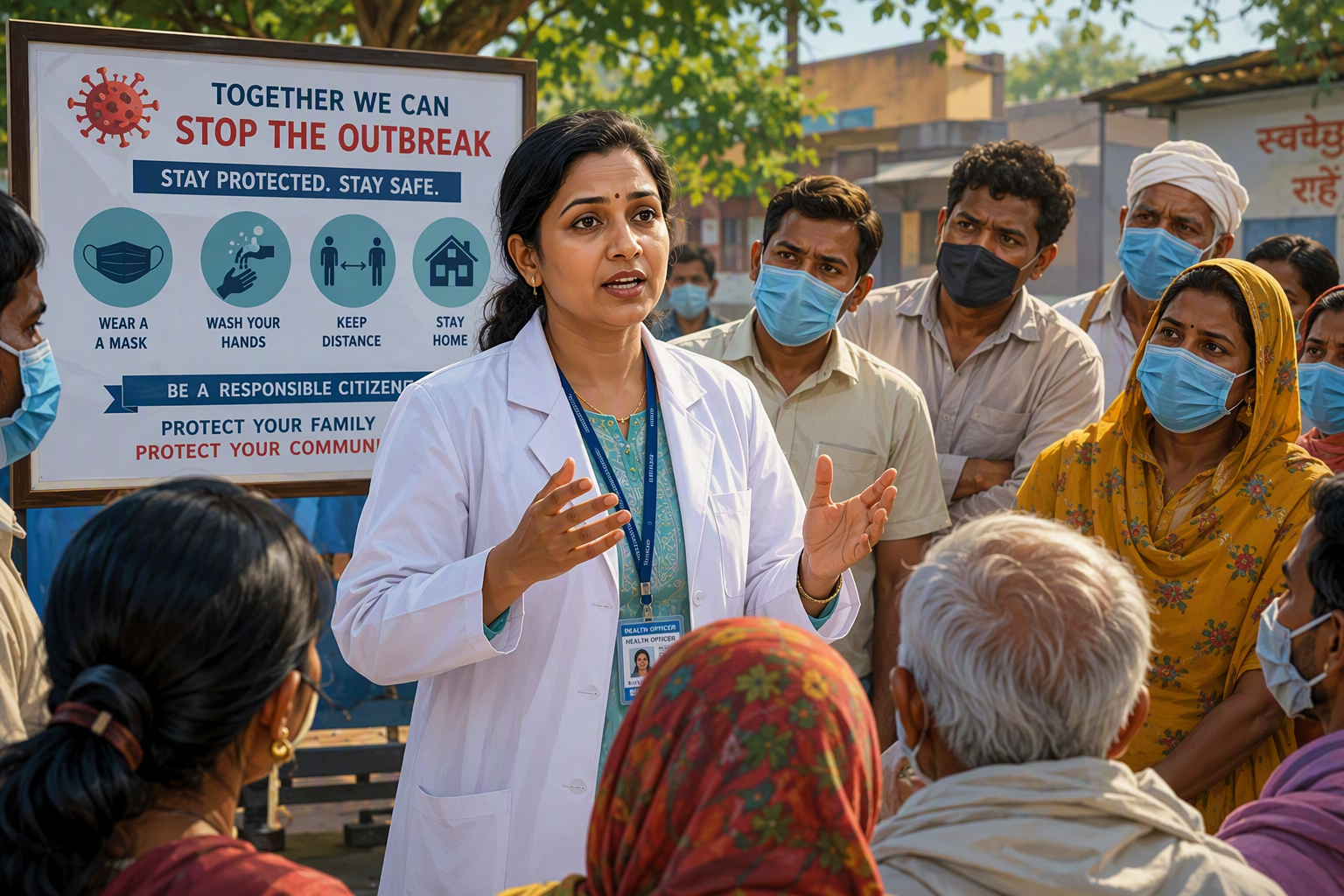
Key Highlights
- Health communication helps people know what to do during a disease outbreak.
- Effective communication makes disease control faster and helps with emergency preparedness.
- Risk communication lowers fear. It gives the right and accurate information in simple language.
- Healthcare providers and public health authorities must get clear and timely updates.
- Clear messaging helps to build public trust in public health emergencies.
- Strong communication strategies use mass media, social media, and community networks.
Introduction
When there is a health emergency, the people want to get answers right away. They need to know what is happening, how serious things are, and what they can do to keep themselves and their families safe. This is why public health communication matters so much. It makes medical facts that are hard to read much easier for the people. Public health communication gives simple advice that people can use. In disease control, it is important to have good timing and send out clear messages. These can be just as helpful as medicine. When there are outbreaks, strong public health communication means people know what is going on, they can act early, and feel less upset or lost.
The Importance of Health Communication in Disease Outbreaks
Health communication is very important during a disease outbreak. People make choices based on what they know and understand. If they get messages that are hard to read or late or missing things, public health crises can get worse quickly. Clear guidance helps the public learn about health. They feel more ready to stay safe and look out for other people.
It also helps make emergency preparedness better. When there is an outbreak, people need to know about symptoms, testing, care, and how to stop the spread. Good communication gives the right facts and links science to what people do every day. This makes the way we handle disease more simple, useful, and able to work well.
Defining Health Communication in the Indian Context
Health communication is about making and sharing health information. In public health, this helps people know what to do to stay healthy. It is not only about sharing facts. It is about showing why these facts matter to us all. This includes how to prevent illness, get care, and change behavior.
In India, this work is all about finding ways to talk to people that fit their many languages, what they read, and how they live every day. A health department can use posters, radio, mobile alerts, village meetings, and social media to reach everyone. The goal is the same for all people. A health department wants health information to be clear, easy to use, and trusted by people.
Clear health communication is very important in public health and during health emergencies. It helps tell people what to do. It helps families know when they should get care. It shows why it is important to stop illness before it starts. The communication helps people act calm and not be afraid. That is why health communication is a key tool in public health emergencies to keep people safe.
Why Timely Communication Saves Lives
Speed is important in every outbreak. When public health authorities share accurate information early, people can act to stay safe before cases rise. Emergency risk communication is not just another task. It is an important part of disease prevention.
Getting risk communication right helps public health and makes sure the right steps are taken at the right time.
Timely updates help people see the symptoms, know the risks of exposure, and follow health recommendations. When they get this news in time, healthcare workers can get ready for any new changes. If people hear from trusted sources quickly, they are less likely to listen to rumors or unsafe advice.
Risk communication matters in fast-moving health emergencies. It changes how people act. When people get early and honest messages, there is less confusion. People get more ready to test and stay apart. This makes it easier for everyone to come together and work as one. If you wait to talk to the public, people start to act slower.
Keywords: risk communication, health emergencies
Building Trust through Transparent Messaging
People are more likely to follow health recommendations if they trust the person giving the advice. Public trust becomes stronger when officials talk in a clear way. They should say what they know, what they are still learning about, and what steps people should take now. This clear communication helps lower doubt. It also helps people work together.
A good communication plan for public health emergencies needs to be open to updates, and it must change when needed. It should take in what people feel and what they are worried about. During health emergencies, if you do not say much or give mixed messages, people may not trust you. Being open and clear about everything shows you care. It helps people feel they are part of the plan and not just having things told to them.
Useful trust-building practices include:
- share facts early, even if we don’t have all the answers
- use plain language and not say things in hard or technical words
- repeat key health recommendations in different ways so people can see and hear them in more places
- say openly when things change and fix any mistakes in the advice
Understanding Public Health Emergencies
Public health emergencies happen when a disease spreads quickly. Sometimes, it can also be another event that is bad for a lot of people. During these times, there is pressure and much that we do not know. The facts can change in no time. This makes it hard for people in public health to talk about what is going on. They have to share news as soon as possible. But they must make sure it is true. Public health workers also need to care about how people feel during health emergencies.
Emergency preparedness can help the community a lot. But there are still problems in the real world. Officials have to handle fears, rumors, and sometimes it is hard to reach everyone. They might find that not everyone has the same health literacy. To do a good job, they need systems that get good information to all people fast. The way they share the message should be the same each time. This is why it is very important to know what is happening during the emergency.
Types of Disease Outbreaks in India
India has a lot of infectious diseases. Each type needs a different way to talk to people. Some outbreaks can spread fast in cities. Others happen in small areas and need local disease control. In every case, good communication helps health security. It tells people what symptoms to look for, how to stop these diseases, and how to take care of themselves.
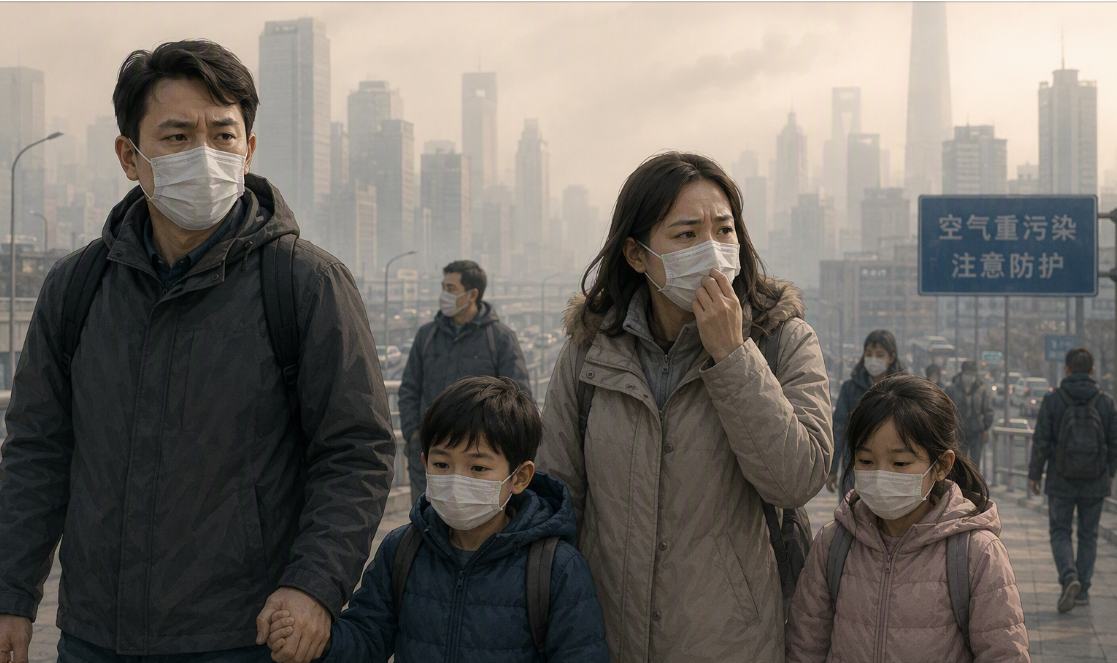
Past feedback shows people understand information better when the message connects to the health issues happening at the time. For example, if there is a sickness spreading through the air or a problem with people getting sick with something in their lungs, the advice should be to wear a mask. People should also get tested and stay away from others if needed. A different health issue, though, might need tips about fighting off mosquitoes or finding out who has been around someone who is sick.
| Outbreak type | Communication need |
|---|---|
| Respiratory infectious diseases | Explain symptoms, testing, masks, and safe distancing |
| Vaccine-preventable diseases | Promote immunization, address doubts, and share benefits |
| Region-specific viral outbreaks | Use local alerts, local language messages, and rapid updates |
These ways also show why the old answers to outbreaks like polio or Nipah gave good tips. They help us talk to people in the right way.
Key Public Health Agencies and Their Roles
Public health agencies turn science into easy advice for all people. Government agencies let us know if there is an outbreak. They tell us what steps we need to take to be safe. They also help with health policy choices if things go wrong. These groups work to solve more than just science problems. They make sure everyone knows what actions are needed during this time.
The World Health Organization gives advice across the globe. This helps each country when there is an outbreak. The group makes plans and sets rules for public health agencies. These guidelines show all the agencies what to say and do in an emergency. Public health workers in many places use these steps to follow one way that meets high standards. This helps everyone in public health stay on the same path during hard times.
Good health communication is important for managing public health emergencies. Public health agencies help keep things organized. They make sure messages are clear, support local people, and give advice to healthcare providers and the public. If the system is not clear, people can get confused. The updates may not help as much.
The Chain of Information during Emergencies
During emergencies, people can get health updates from different information sources at once. This can be a good thing, but it may also make things unclear if the messages are not the same. A good health communication plan needs a clear line of information. This line should let real time information move from experts to officials, then to the media, and at last to the communities.
When this chain works well, the people get quick and clear advice. It helps the healthcare providers, team members, and leaders in every part stay on the same page. This steady way of sharing health information is one of the most important things to do during a crisis.
A reliable chain usually includes:
- The public health authorities look at facts and give out advice.
- The news media help people get real updates.
- Community channels talk about advice in the kind of words people in the area use.
Principles of Effective Health Communication
Effective communication in public health starts with easy ideas. You have to be clear, be right, and help others. A good health message lets people see risks and tells them what to do. It should not make people feel like it is too much all at once. These best practices in health communication help all people learn and feel ready to act. This can make health literacy better and also improve public health for everyone.
That is even more important when you are in the countryside. In these places, things like how close help is, what language people speak, and whether people trust each other can change things. The next ideas will show what helps communication work well and feel honest. People want advice fast, and they need it in a way that is easy to use.
Accuracy and Clarity of Health Messages
People cannot do what you ask if they do not get what you mean. For health messages, it is important to use plain language and give accurate information. When there is a crisis, the simple message is often the best one. People need to know what is happening, what to do right now, and where to get help.
Clarity does not mean taking out the main details. It is about choosing the relevant information and showing it in a way that people remember. This is one of the key ways to give health information during a crisis, especially when stress is high.
Good message design often includes:
- Give short steps that you can follow right now.
- Use simple words, not medical words.
- Keep saying where you can get trusted updates.
When things are easy to see and feel right, people give answers quickly. The answer will also be good.
Cultural Sensitivity in Communication
Communication strategies work best when they fit the way people live, talk, and make choices. In public health, one message will not reach every group. Each community has its own language, beliefs, how they learn, and what they do every day. If messages do not match these things, people may not listen.
Health literacy is not the same for everyone. Some like to get health news online. Other people feel better when they hear it at meetings or when someone tells them face-to-face. Vulnerable populations often need more support. They need simple messages. Sometimes, these messages must be translated. Sometimes, it helps when the message comes from people they trust in their community.
To build better connections with Indian communities, people working in public health need to change the way they share messages. They should use examples that people in the area know. It helps to speak in the local language and talk in a way that is polite. When people feel their culture is respected and feel seen, they trust public health advice more. They are also more willing to follow what is being said.
Reaching Diverse Populations in India
India has a lot of groups and cultures. To reach people well, outreach needs to be flexible. Some people read health information on their phones. Others get news on social media. Some learn at schools, clinics, through radio, or when talking to someone face-to-face. Health promotion works best when public health recommendations reach people in the ways they already use most. If you use the right formats and places, public health, health information, and health recommendations can help many people.
In many small towns, people often see good results when they talk with each other. Group discussions, trusted health workers, and stories shared by local people help others take in important messages and know what to do next. These ways also let everyone ask their questions. This helps them feel sure and keeps them moving forward.
Strong outreach may include:
- You can send messages in the local language through the networks in the village.
- There are group discussions that are led by people the community trusts.
- People get useful tips that are linked to what they do in their daily routines and habits.
That mix helps your message reach more people. You do not lose what is important in what you say.
Communication Channels During Outbreaks
Outbreak communication is most effective when you choose the right moment and spot for your message. You need to use media outlets, news media, and social media. These tools each help in a different way. The key is not to rely on only one method. You have to use several together. This lets people hear or see the same message in many places.
This way, we can be ready for emergencies. It also helps more people know what to do. Old types of media are still useful. But digital tools and people in the community make messages go out faster. They are also easier for us to understand.
Role of Mass Media (TV, Radio, Newspapers)
Mass media is still one of the main ways people get health information when there is an outbreak. The television, radio, and newspapers can reach a lot of people fast. This helps even those who do not have good internet access. For many families, these media outlets give the first picture of what the health threat is and what to do about it.
News media plays a big part in risk communication. They share updates that are checked and true. They talk about why it is important to do certain things. When a disease outbreak happens, news media often repeats the same facts. This helps more people get the right message. It also shows what to do before any rumors begin.
Mass media is especially useful for:
- sending out urgent instructions to many people at the same time
- reminding people about steps to stop problems by talking about them again and again
- helping reach homes that are not online
When mass media works with public health authorities, they help share clear and trusted messages. This helps make sure people get good and steady information about public health.
Digital Platforms and Social Media Usage
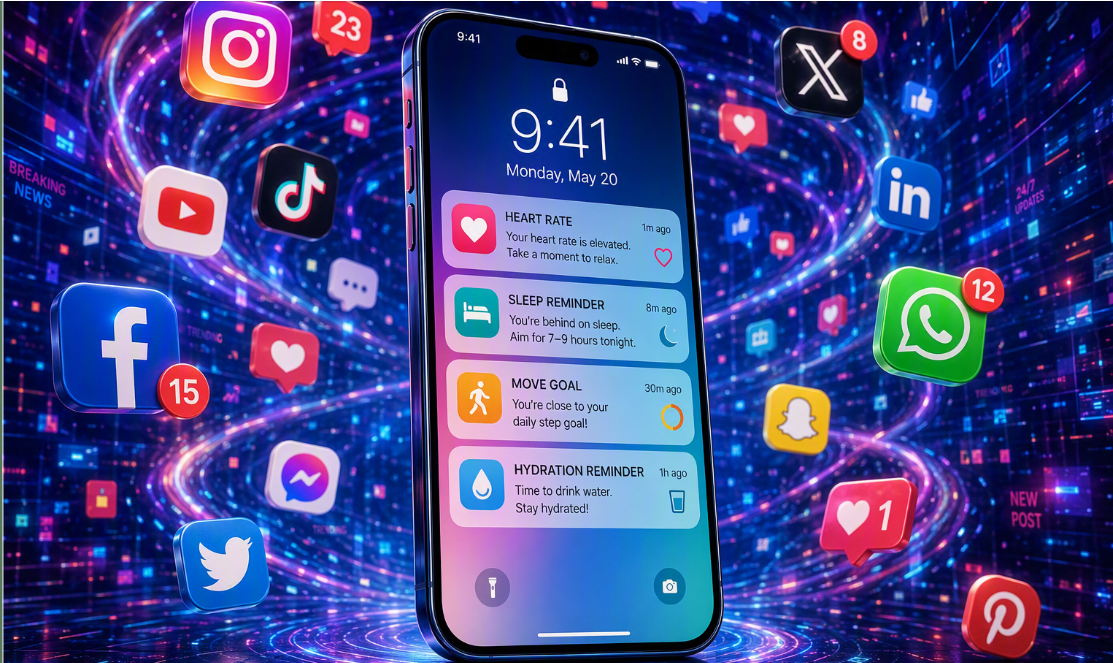
Digital platforms now change how we get updates when there is an outbreak. Public agencies, hospitals, and health teams use websites, SMS, apps, webinars, and social media to share health information as soon as possible. These communication strategies help officials act fast. They can also talk to the public directly.
Social media engagement is helpful when outbreaks spread fast. It gets updates, live sessions, short videos, and pictures with info to a lot of people right away. When they use social media, groups can know what the public asks about. They can also see if any wrong stories are going around early.
Useful digital tools include:
- You can get fast updates on the official social media pages.
- Mobile alerts let you know about urgent public notices.
- Website dashboards guide you all the time.
- Videos and infographics help people get a quick understanding.
Data journalism is important here because it shows numbers in a clear and simple way. This lets people see the trends and understand risk better. It can also help people know why advice might change over time.
Local Community Networks
Local community networks help to share messages with us every day. In a lot of places, people feel good about advice if it comes from local authorities, teachers, volunteers, or those who work in health. When there is trust, health promotion feels more real and helpful for all.
Behavioral science helps us know why people act the way they do. The things people see around them, what others in their area do, and how they feel about people they know, all play a role. When community leaders speak, the words feel closer to people. It feels like the message is for them. So, they feel like it is easier to take action.
Involving local leaders is good for public health and sharing health messages. These leaders know their people well. They know how people talk, and what their lives are like. Local leaders can share health messages in ways people can understand. They answer questions as soon as they come up. They help people go from just knowing about public health to taking steps and doing something about it. This helps public health work in the community and makes everyone feel they are part of it.
Strategies for Managing Public Health Messaging
Managing public health messaging is about being ready before people feel scared or get confused by mixed messages. Good communication strategies work best when you are fast, clear, and helpful to people. In health emergencies, the main goal is to help everyone know the risk and take action for disease control.
The best ways to make public health and risk communication better are to correct false claims, update messages for each group, and show clear pictures or charts. These things help people know what the message is and what to do next. They also help make the message clear, useful, and trusted, even if the time is hard or things change fast. If you use these ways, you can help keep effective risk communication strong in any situation.
Pre-bunking and Debunking Misinformation
One of the main problems in an emergency is the spread of misinformation. People can share wrong tips, stories based on rumor, and posts made because of fear. These things often reach people faster than accurate information. Because of this, emergency risk communication must be fast. Emergency risk communication should start before there is more mix-up about the risk.
Pre-bunking means you warn people ahead of time about false claims they may see. This is done before anyone even sees these claims. Debunking is when you quickly fix a mistake and make things clear after the false claim comes out. Both pre-bunking and debunking are important. This matters because media outlets and social platforms often help spread news or ideas before anyone checks if they are true.
Helpful responses include:
- share facts early, and keep putting them out often
- fix wrong ideas using simple and clear words
- help people find and use official information sources
People at work feel more stress now because they have to give answers fast. They must also make sure they do not sound rude when talking. It helps to stay clear and calm when you tell someone they are wrong. This way works better than arguing with others.
Tailored Messaging for Different Audiences
Tailored messaging is about how not everyone reacts in the same way to words, stories, or how they hear things. Good health communication starts when you know your target audience. Things like age, how well someone can read, what language they use, what they believe, and what their day normally looks like, all have an effect on how people get messages.
Behavioral science shows that people do something when the advice makes sense to them. It also needs to feel easy to do. A message that works for school children will not be the same as what works for older adults, healthcare workers, or people who make rules. The main idea is not to change the science. You should just change the way you say it.
Useful tailoring steps include:
- Use words that people know. Match the way you talk to the person you are talking to.
- Share your message where people feel safe. Choose ways that they already feel okay with.
- Link your advice to what people do every day in their lives. Make sure it is about what is important to them.
This is how communication strategies change when different Indian communities use them. But they do not lose accuracy.
Visual Aids and Infographics in Crisis Communication
When there is a crisis, people want to get health information quickly. They often look at the page fast, not read every word. Pictures and simple infographics help your message stand out. They make it easier for people to get what you want to say. These tools help your ideas stay in people’s minds when you need your message to be clear right away.
Health promotion campaigns get a lot out of using pictures and simple visuals. A chart, a set of icons, or some images can help people see the steps, spot patterns, or compare things quickly. For example, they can help show symptoms, how to get tested, or what steps people can take to stop a problem. This is simpler and faster than reading a long paragraph.
Strong visuals often do three things well:
- make sure important facts are clear and simple as quick tips
- help people who read at a low level, by using a clear look
- say or write things the same way on every kind of media
Visual communication is one of the best ways to give crisis messages. It helps make sure the message is clear and strong. This way, people can understand what is happening in a tough time. It helps everyone get the information, fast and right.
Risk Communication and Behavior Change
Risk communication is important because it lets people know how big a risk is in health emergencies. It also tells them what they should do about it. In these times, people’s risk perception can go two ways. One way is when they feel the risk is not big. Then, they do not follow preventive measures. The other way is if they feel the risk is too high. If that happens, panic can spread. This is why risk communication matters so much in health emergencies.
That is why it is important to have good risk communication during an outbreak. It helps people know what is going on and makes things clear for them. When people get good information, they can see why it is good to act. This helps them make the right behavior change and still feel they can trust what they hear.
Explaining Risk without Spreading Panic
Effective risk communication gives people just the information they need. It helps them decide what to do and does not make them scared. This balance is important because emergency risk can affect both physical safety and mental health. If the messages feel too strong, people may stop listening or make fast choices they could later regret.
Health literacy matters in this. People want plain words so they can know the risk, who can get hurt the most, and what to do to lower that risk. Clear information cuts down worry. It helps all of us make better choices.
A balanced message should:
- Risk is the chance that something may go wrong. It is not for sure. There are things people can do to stay safe.
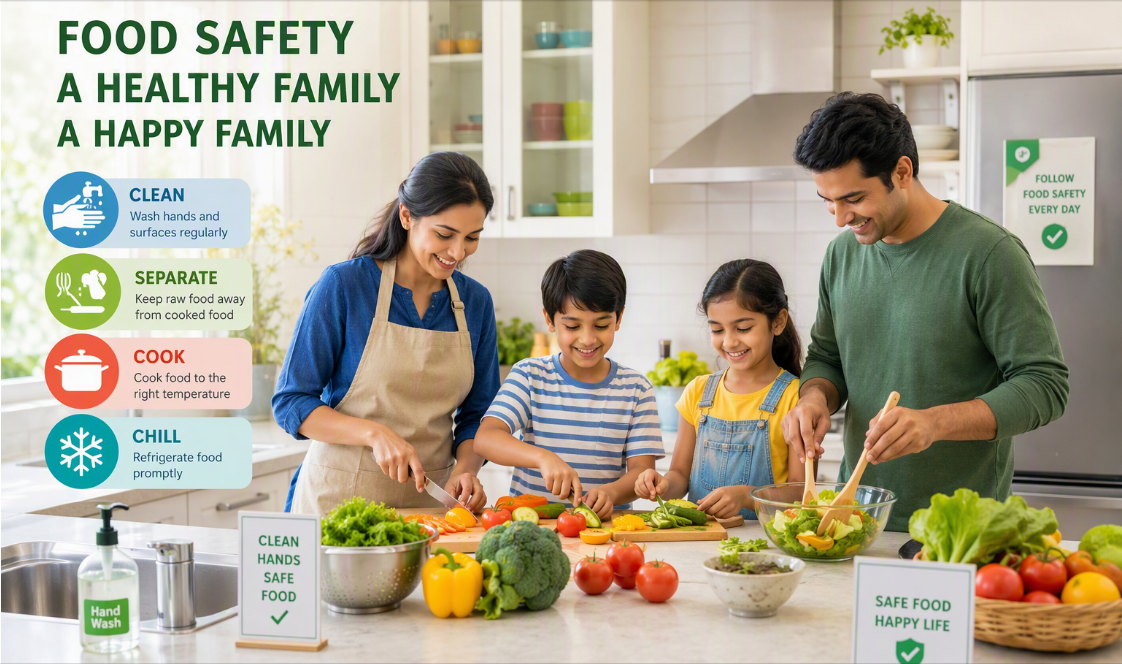
- To lower risk, take simple steps. Some of these steps are staying away from things that may bring harm, washing your hands often, and following tips from experts.
- For the latest that is true and checked, go to trusted sources often.
This way, people can deal with outbreaks in a better way. It stops fear and lets people make choices with good information.
Promoting Preventive Actions During Crises
During outbreaks, people need more than warnings. They need clear steps they can follow to prevent disease. Short and useful messages help with disease prevention. People remember these steps best when they hear them often, from trusted places or people. Healthcare workers have an important role in all this. They speak directly to patients and families to say these steps again and again.
Best practices show people steps they can take now. These can help people spot problems early, test things, get shots, keep clean, or stay away from things that can hurt their health. When people hear what they can do, it helps them feel the work is not too hard. They feel like they can do it.
Effective prevention messaging often includes:
- Try to give one clear thing to do in each message if you can.
- Get reminders from healthcare workers and local teams.
- Share repeated help and advice through news, social media, and in the community.
These are some of the main ways that people share health information when there is a crisis.
Feedback Mechanisms for Public Concerns
Communication should not be one-sided. Feedback lets public health teams see what people do not know, feel worried about, or talk about with others. This helps health authorities learn what people think. With this, they can improve their messages before bigger problems happen.
A health department can get people’s opinions in different ways. It can talk with the community in meetings. It can ask workers who are close to people what they hear and see. The department can use digital tools. It can also ask questions straight to the public. These ways help the health department spot parts that people do not get. They also let the department know which rumors to clear up fast. Using these methods, the health department checks to see if its messages are reaching the people who need them most.
Public health officials need to listen to what people say during an outbreak. If people feel like their worries are heard, they will feel better about public health workers. This builds trust between them.
When public health officials listen well, they find the best words to use and know the best time to talk. This helps more people do what they need to do.
Case Studies: Lessons from Recent Outbreaks
Case studies help us see what happens with communication when things go wrong. In public health emergencies, these real stories show how what people say can change trust. The things people say also affect what actions people take and how teams work together. Some of these stories show us that waiting too long or not being clear can make health crises worse. And they help us learn what to do in public health problems.
Recent responses to outbreaks in India show how important effective communication is in places like cities and villages. When you look at how COVID-19, rural campaigns, and earlier outbreaks were handled, you can see what worked and what did not work. This shows why clear and good messages still stand at the heart of controlling an outbreak.
Impact of Effective Communication During COVID-19 in India
COVID-19 taught us much about health communication. Things changed fast, so people had to know the symptoms and how to get tested. They needed to know ways to stop the virus and to stay updated on new rules. Effective communication helped turn health advice into actions that people could do each day. This was key to emergency preparedness at every step.
Digital channels became very important for everyone. Governments, hospitals, and groups working in public health used websites, apps, text messages, and social media to share the news. These tools helped people get updates fast, even when things were always changing in public health.
The crisis showed some weak spots in the way things were handled. When there are mixed messages and wrong information, people trust less. This sometimes makes them act slower. But COVID-19 showed us something clear. When you share the message on time, keep it clear, and say it often from trusted places, people feel more sure and less lost.
Strategies Used in Rural Epidemic Responses
Rural health works better when you talk to people in a way that feels local, useful, and personal. Public health authorities should not just use digital outreach in the country. There are less people with internet, many different languages, and many who have low health literacy. Because of this, public health authorities need to change their communication strategies so they can fit what people need.
Frontline workers, volunteers, teachers, and community leaders are the people that many in the community trust most. They live and work there, so they help vulnerable populations get advice that they understand in their own language. This helps to make things simpler for all. It gives people more time to ask questions, and they can do it in the way that works for them.
Effective communication in rural communities is not just about the message. The way you share that message matters too. When people in the area give advice in group discussions or when there are steps that are easy to follow, people feel more trust. This makes them feel good about what is being said. They are also more likely to do what is asked.
Learning from Polio and Nipah Virus Outbreaks
Looking at outbreaks from the past helps us know how to stop the spread now. To stop polio and Nipah, people talked clearly and shared messages many times. This worked well. It helped even more when people heard these things from locals they trust. These ways are still good for disease prevention. They help with many infectious diseases today and can make things better for everyone.
Polio efforts proved that getting people involved in the community and speaking often about the vaccine make a big difference. With Nipah, it was shown that we need quick and local news when the outbreak is bad. In both cases, the best way to share advice was to connect it to what the people in the community care about.
Key best practices include:
- use trusted local messengers to help get the health promotion message out
- say simple advice again and again in different places
- change your messages fast when there is new info
These are good examples of how health communication helped in past outbreaks.
Challenges in Health Communication During Outbreaks
Even a strong plan can still run into big problems with health communication during public health crises. A public health crisis can make people feel scared and unsure. The facts during these times can change fast. This can make things hard for those who work in public health. They need to move quickly but also give the right facts. It is not easy to do, but it is very important.
Vulnerable populations often face many problems. They may find it hard because of language gaps, low health literacy, stigma, or poor access to care. This can make it tough for them to understand public health messages. The next parts talk about these obstacles. They also show how public health teams can help everyone better.
Overcoming Language and Literacy Barriers
Language problems and low health literacy can stop public health messages from getting to people. A person may not get the message if the words are hard, the feel is off, or the way it is shown is not clear to them. If this happens, they may not trust the advice or do what the health messages tell them to do.
That is why your communication strategies should match the local language and how well people read. When you use simple words and talk things through out loud, people can understand your message better. Using pictures and passing out translated handouts can also help a lot. In many places, meeting people in person and talking face-to-face is just as important as giving out written content.
To get to people in Indian communities, public health teams have to test what they say with real people. They need to speak in a way that everyone knows and believes. Using clear local language and good stories for that area helps a lot. A message works best if people can understand it first. The most important thing for public health teams will always be to make sure everyone can understand the message.
Combating Stigma and Misinformation
Outbreaks do more than make people sick. They can also bring shame and stigma. People feel scared. They may try to hide their symptoms or avoid getting tested. Some are afraid that others will judge them. At the same time, the spread of misinformation can change what communities think about the causes, how to treat it, and who is in danger.
Health communication needs to work on both problems at the same time. Behavioral science says that people do better when messages are kind and do not blame them. When health communication shows respect and clears up any wrong ideas, it helps people do safe things. It can also get people to ask for help sooner.
Useful anti-stigma steps include:
- not using words that put people into boxes or make them feel bad
- fixing wrong statements by sharing simple and true facts
- showing care, help, and that we all have a part to play
These are big problems for people at work. But if you talk with care, it can help make things less bad.
Ensuring Access and Reach in Remote Areas
Remote places face a simple problem. People do not know things if the news does not get to them. The internet is not strong in these places. There are fewer health services. It can be hard to travel or move from one place to another. These issues make it tough for people to get news when they need it.
For public health and public health agencies, the best way is to plan how to share messages from the beginning. They have to find ways to make their news go out and reach everyone.
Health communication in these places often depends on simple and local ways. People can get the news from radio, read papers, join village meetings, or talk with frontline workers. These ways may work better than using only online campaigns. The goal is to share the message in a way people trust, not just to reach many people on the internet.
Public health officials can improve reach by:
- use more offline and local ways
- work together with community workers and local authorities
- say the main advice again in the local language formats
That practical way helps to close access gaps when there are outbreaks.
Empowering Public Health Officials
Public health officials do more than practice medicine when an outbreak happens. They have to use good communication and be ready to plan ahead. It’s also important that they work well with others. A health department that is ready can move fast. They can give clear updates and support healthcare providers with the same guidance every time.
To help communication get better during an outbreak, there needs to be some training. People also need to work together more. The way we use data has to be better too. If the people in charge talk about risk in a clear way, answer what people are worried about, and change what they say fast, then emergency preparedness will get stronger for everyone.
Training for Crisis Communication
Training helps people feel ready to do their job when things get hard. Crisis communication is more than just talking to people. It is also about planning what you will say. You need to handle rumors, know who is involved, and work fast with your team. These skills are important when there is a public health emergency. They help in all types of public health emergencies or other health emergencies.
Emergency preparedness works best when you practice communication strategies ahead of time. A team should know how to share news, handle times of not knowing, and tell about new rules or tips without making people lose trust. If you get ready for this beforehand, everyone will feel less confused when the real event happens.
Public health officials get better at talking about outbreaks when they learn these skills early and practice them often. A team with good training gives messages that do not change. This helps healthcare providers. It also makes it easy for people to follow public health rules. When things happen fast, being ready shows in every word they say.
Collaboration with Journalists and Influencers
Journalists and influencers help public health messages reach more people. A lot of people get their news about outbreaks from the news media, interviews, videos, and posts on social media. That is why it is good for everyone to work together. Fast action and clear understanding are both needed in public health, so this teamwork helps a lot.
Data journalism helps a lot during a pandemic. The numbers that people give can be confusing if they are not clear. When journalists explain trends in a simple way, they help us understand case patterns, what risks there might be, and why the things we should do might change. A good way to show the data makes it much easier for everyone to get the facts they need.
Helpful partnerships may involve:
- sharing updates that are checked and real with journalists fast
- giving influencers a message that is simple and clear
- showing data in plain language, so more people can get it
These partnerships can help people see things in a clearer way and still keep the facts the same.
Leveraging Technology for Data Sharing
Technology makes it quick and easy to share outbreak information. There are websites, mobile apps, dashboards, alerts, and digital tools that help send data fast between agencies, healthcare workers, and the public. This helps officials give new guidance in real time.
Digital tools help us see what people worry about. They show how many people take part and where false news goes. This feedback helps make future messaging better. It also helps us build stronger communication strategies that target the right people. If used well, technology makes it easier to reach out and reply to people more quickly.
Public health officials can improve how they talk to people when they use strong technology along with good information sources and advice from experts. A tool can get data fast, but people still need to make sure the messages are right. They have to check that the messages are clear and suit people from different cultures. Even when public health officials use digital systems or research sites like Google Scholar, people still have to use their own judgment. This is how they build trust in public health.
Conclusion
Clear health communication matters a lot when there is a disease outbreak. It changes how people act, and helps make public health better. When health authorities share accurate, honest, and kind information, it builds trust. This way, people from every background will get the important details they need.
It is smart to use many ways to talk to the public, like TV, radio, and local groups. This spreads messages fast and helps everyone take steps to stop disease. When we learn from past health crises, we get better at handling problems like wrong news and making sure all people have access to information.
When we face new public health crises, we should always focus on clear and caring health communication. This helps communities feel strong and keeps us safe. If you want tips made for your needs in health communication, you can reach out for expert guidance.
Frequently Asked Questions
How can health communication strategies adapt to different Indian communities?
Health communication has to match the local language and the way people read and think about things. It should also be shared on channels that people trust in their area. Public health uses strong communication strategies to do this. These strategies include knowing about the culture, talking with simple words, and choosing messengers from the local community. When the message feels true to the people, health literacy will go up. People will feel they can trust the advice more and are more likely to follow what is said.
What lessons were learned from communication failures in past epidemics?
Past public health emergencies showed us that when there is a delay in talking to people or the information is confusing, it gets hard to control disease. Health communication works best when it is early, clear, and open. A key practice in public health is to fix wrong information quickly. It is good to share useful tips many times by using the trusted channels people have and know. This is important for effective communication during health emergencies.
Why does involving local leaders improve outbreak communication efforts?
Local authorities play a big part in public health and health communication. They know the language people use, what they worry about, and what they do every day. This is very important during a disease outbreak. They can give out relevant information in ways people understand and feel comfortable with. When it comes to public health communication, they help make emergency preparedness stronger. Because of local authorities, health messages often turn into real steps that people take in the community.