Key Highlights
- Long commutes can make stress levels go up. They also bring more health problems with time.
- When you travel every day, you might get less physical activity. You also spend more hours sitting.
- Heavy traffic exposure is not good for mental health. Delays are hard to handle, especially when they feel like they never end and you cannot guess when you will get through.
- Air pollution during commute hours adds risk for your overall health and public health.
- If your commute time is longer, it can mean lower life satisfaction. You can feel more tired and your job satisfaction can go down.
- Better public transportation can help to cut commute time. It also helps you do healthier daily activities.
Introduction
For many people, commuting seems normal. However, long commutes can slowly change the way you live each day. When your travel time gets longer, you lose some physical activity. You also lose some personal time and the chance to rest after work stress. This can hurt mental health, your energy, and overall health. In busy cities, these problems add up. Crowding, traffic, and pollution can make travel feel even harder. To know why this happens, it is good to look at how commuting works in India.
Understanding Long Commutes in the Indian Context
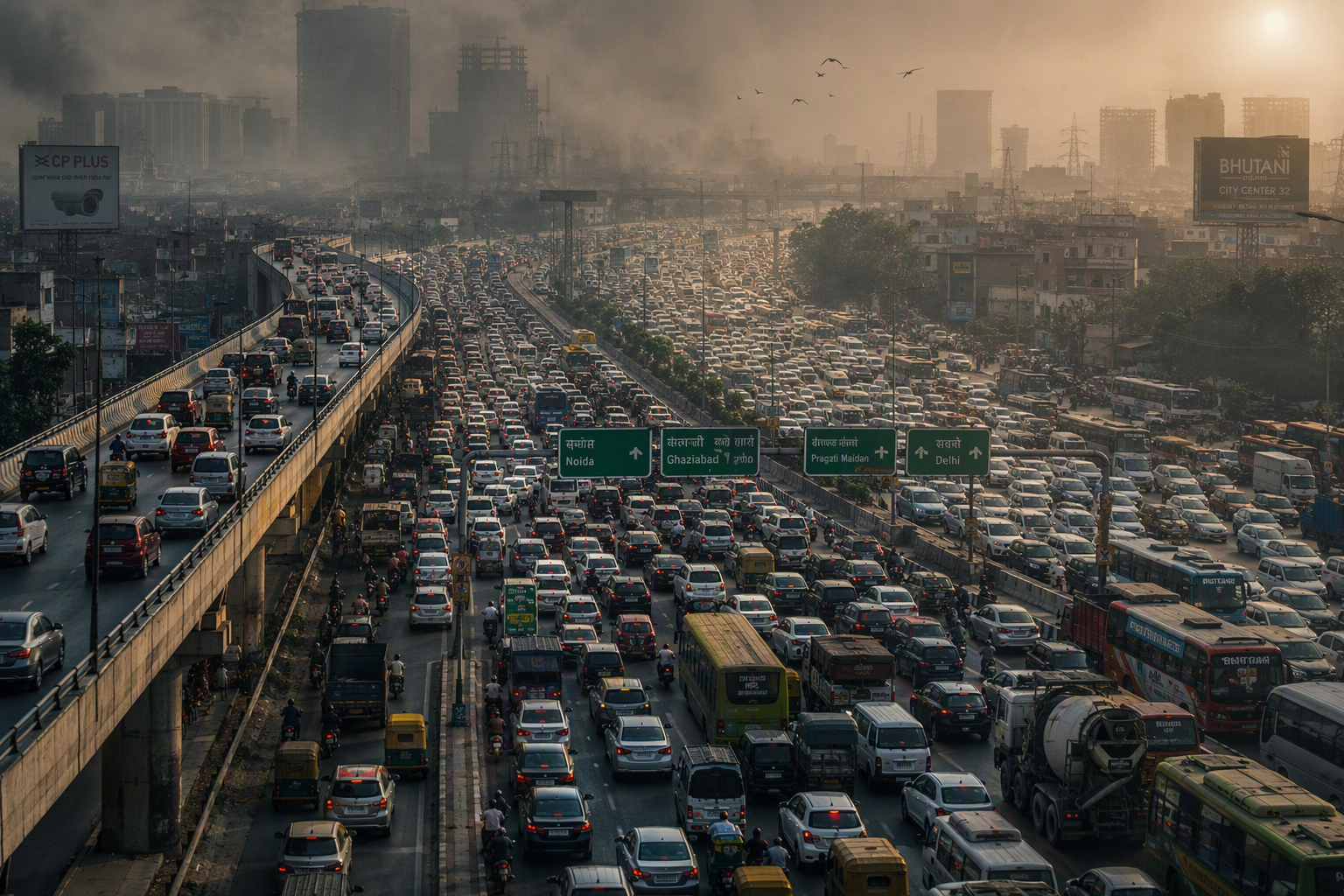
In many Indian cities, long commutes happen because of fast city growth, big gaps between jobs and homes, and not-so-good transport systems. A daily commute often takes up a lot of your time. This is because distance and traffic congestion go together. That extra commute time can lead to commute stress. It also means less time for rest, exercise, and family.
The main health risks that come from long everyday trips are being very tired, lower life satisfaction, worse physical health, and problems with keeping focus. Public transportation can help take away some of this stress. But how far people can get and how well it works are not the same in every Indian city.
Common Modes of Commuting in Indian Cities
In Indian cities, people use many ways to get around. The main modes of commuting are buses, metro systems, taxis, motorcycles, cars, walking, and cycling. What modes people use depends on how much they earn, how the city is designed, and how easy it is to get public transportation. In places where many people live close together, public transit helps the workers with their daily activities.
Public transport commuters and private vehicle drivers both deal with health risks, but these are not the same. People using public transit often have to handle crowding, noise, and waits. Drivers of private vehicles may spend more time sitting in one spot and may feel stuck in traffic congestion. Both groups can feel commute stress, but the way they feel it may be different.
Active commuting, like walking or riding a bike, helps people move more and be healthy. It is good for public health. But the built environment is important too. If the roads are not safe or there is a lot of pollution, even good ways of travel come with worries about environmental health.
Average Commute Times and Patterns
Survey data found that the average commute time is about 41.8 minutes each day. Most people have trip times under 100 minutes in total. But the time can vary a lot. A few people said they have much longer commutes. This shows commute patterns are not the same for everyone.
The link between how long your daily commute is and your quality of life is clear. When you have longer commutes, your life satisfaction and job satisfaction often go down. A longer daily commute can take away your time to sleep, do exercise, and be with your family. This can change how you feel about work and daily life.
| Commute pattern point | What it suggests |
|---|---|
| Average daily commute time | About 41.8 minutes |
| Most common range | Within 100 minutes total |
| Extreme cases | Up to 3 hours one way |
| Quality of life link | Longer commutes tied to lower satisfaction |
Factors Contributing to Extended Travel Periods
Many things make commute time go up. Traffic congestion is a big reason, mainly in cities that keep getting bigger fast. In these places, roads get crowded because more people use them than the roads can take. The built environment makes a difference, too. If homes and workplaces are far from each other, it takes more time to get from one to the other, and the trips feel harder.
Land use affects the quality of life in ways that most people do not think about. If there is not a good match between jobs and homes, you may be pushed into longer commutes. This can bring commute stress and leave you with less time to rest. The unpredictability of traffic makes things harder for you, as you cannot plan your day with confidence.
- Jobs and homes are not close to each other.
- There is heavy traffic congestion on main roads.
- Public transportation does not reach enough places, and it is not efficient.
- Unpredictability of traffic and travel delays is a problem.
These things show why spending more time on the road can lead to lower life satisfaction. People feel less happy each day when they travel for longer times.
Physical Health Effects of Long Commutes
Yes, long commutes can have an impact on physical health in many ways. If the travel time is long, you sit more and move less. You also have less time for healthy habits. Over time, this can lead to health problems from not moving enough and from the strain of each day.
Research shows that longer commutes can make people feel less healthy. It can also cause tiredness and poor focus. These problems can be important since they may lead to heart disease and cardiovascular disease.
To understand how longer commutes can raise these risks, you need to look at three things. First is not moving enough. Second is putting strain on your body’s system. Third is feeling pain in your body.
Increased Sedentary Lifestyle Risks
A longer daily commute makes it hard to be active. When you are in a car, bus, or train for a long time, you sit more. That time takes away from your chance to get in some physical activity. It can be tough to fit in exercise before or after work when the day feels busy.
Survey data showed that longer commutes are linked to not moving much and lower health. This is important because not being active can lead to health problems as time goes by. When you move less each day, your body loses a simple way to fight long-term disease.
Yes, if you travel a lot for work over a long time, it can lead to health problems. That is because the long trips may make you move less and feel more stress. This can cause issues such as heart problems, weight changes, and feeling less fit. Even if these things happen slowly, the daily routine has an effect.
Elevated Chance of Heart Disease and Metabolic Issues
Long commutes put your body under stress again and again. Delays, packed roads, and rushing for time can make you feel stress every day. When you get used to this, your body stays tense longer than you need.
That constant strain can change blood pressure. It may also raise the chance of heart disease. High blood pressure matters a lot, because it comes on quietly. When you add less exercise, quick meals, and tiredness, the increased risk makes sense.
Metabolic problems can happen when travel to the office takes up time you need for healthy habits. If the day is packed and you have no time to move around or stick to routines, your overall health can start to change for the worse. Physical health is not set only by your job. It is also shaped by how you get there.
Musculoskeletal Problems from Prolonged Sitting
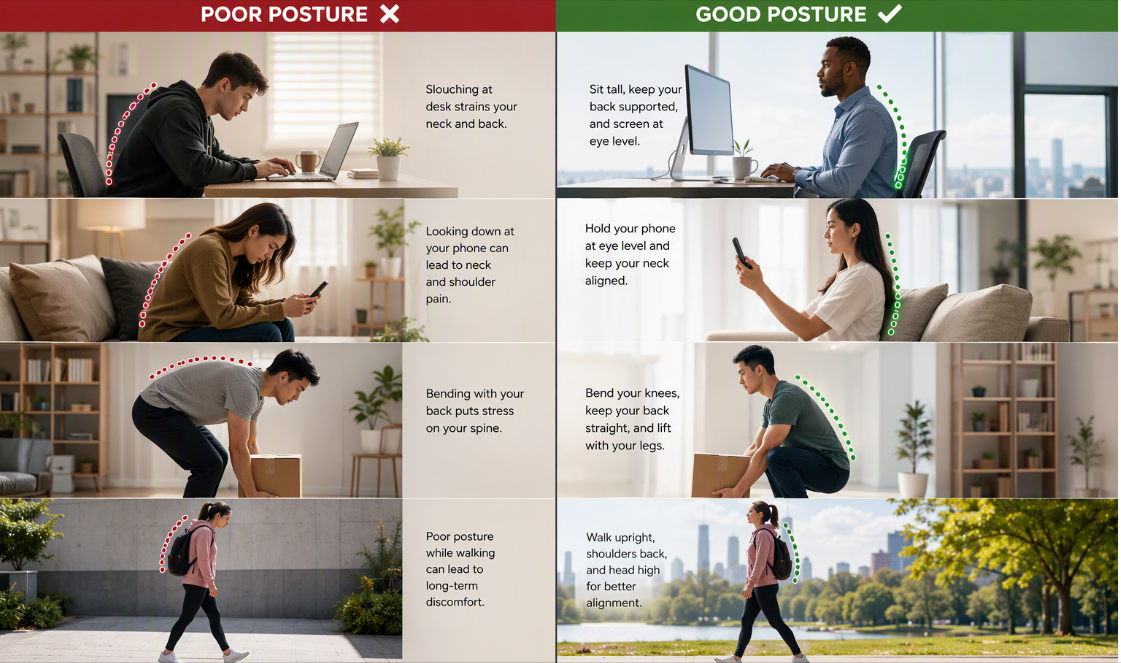
Prolonged sitting is a clear strain that comes with a long commute time. When you sit in the same way each day, your body takes in that stress bit by bit. At first, you may feel tightness. After some time, it can turn into a problem that does not go away.
These problems with muscles and bones can cause pain, tension, and discomfort in your body. You feel it during the workday. When you have long commutes, it is harder for the body to feel better. This happens because you spend so much time sitting before and after you work. That can make health problems worse instead of making them better.
The problem is not only sitting, but sitting again and again without a break. You feel this when you are driving or riding. Long trips make you feel more tired and put more strain on the body. After some time, you feel less comfortable and you may not focus as well. Later, that can also make you feel less interested to keep moving for the rest of the day.
Commuting and Mental Well-Being
Commuting in heavy traffic can be tough for mental health. Each trip can feel stressful. Crowded roads and delays can make stress levels go up before you even start work. That stress, over time, can take away your patience. It can hurt your mood and make it hard to focus.
Long travel takes away time that people need for rest and recovery. This makes it harder to feel good the next day. When you have to commute a lot, you may feel more commute stress. Over time, this stress can increase mental health risks. You may feel the risk of depression, feel worn out, and have lower life satisfaction. The next sections will talk more about stress, mood, and sleep.
Links Between Long Commutes and Stress Levels
Traffic can make people feel stressed. You might leave on time, but then get stuck with delays, busy roads, or lots of cars. These things can make your trip feel unsure and hard to handle. The unpredictability of traffic can turn even routes you know well into ones that feel tense.
When you feel commute stress, your body makes stress hormones. These hormones help you for a short time. But if your body feels this stress every day, it is harder on you. If it happens before work and again after work, the stress mixes with work stress. This can make the whole day feel much tougher.
Long commutes take away the feel that your time is yours. When you lose control of your day, your stress levels go up. This happens more when you run into travel problems again and again. After some time, the trip no longer feels normal. It feels like something extra that hurts your mental well-being.
Impact on Anxiety, Mood, and Emotional Health
When going to work or coming home starts to feel tiring, the stress of it all can sneak up on you. You might feel worried about being late, getting stuck, or missing your ride. There is always a sense of not knowing what will happen. That can make you feel uneasy inside, even when the trip looks normal to other people.
Common signs of mental fatigue from long commutes are feeling annoyed, less patient, weaker focus, and feeling worn out inside. Some people feel their mood shift at work or at home. Over time, these habits can turn into bigger mental health problems.
Depressive symptoms feel worse when long travel takes away time for a social life, relaxing, or doing hobbies. A person’s emotional health is about more than staying away from crisis. It needs enough time and energy to feel stable. A person also needs to feel connected and have control over their life.
Sleep Quality and Fatigue Associated with Daily Travel
Longer commute times can take up a lot of your day. You might have to get up early and get home late. You spend much time on the road, which cuts into your time to rest. This means you have less time to feel better and recharge.
Poor sleep and feeling tired often happen together during a long daily commute. If you do not get enough sleep many times, you can find it hard to focus. You may feel annoyed more often, too. This makes the next daily commute feel worse. It can start a cycle that is hard to stop.
Common signs that show mental fatigue are low focus, feeling tired even before work starts, and trouble keeping your mind fresh all day. A lack of sleep does not just change your mood. It also makes it harder for you to deal with traffic, delays, and stress from daily routines in a calm way.
The Impact of Traffic Exposure on Health
Daily traffic exposure is not just about being stuck or feeling uneasy. It can make you face more air pollution and noise, and cause stress due to crowded roads. The way these factors come together can impact environmental health. They might make health problems worse, more so if you commute often and your travel time is long.
Yes, there are worries about environmental health when people go to work each day. Bad air quality and noise during trips can hurt your body and mind. To know more about this, it is good to look at air quality, noise, and the big risks of daily travel for commuters.
Air Pollution Risks During Commute Hours
Commute hours can put you near car fumes for a lot of time. That makes the air quality worse, mainly in places where traffic is slow or crowded. Even if you drive the same way every day, the air around you may not be good.
This is important because air pollution affects everyone’s health. It is not just about transport. City travel studies show that air gets worse because of cars and building more roads. If your commute time is long, you can get more exposure to dirty air. This can be bad for you and other people’s health.
When you travel in polluted places every day, the risks to environmental health go up. It does not matter if you drive, ride, or stand next to busy roads—the air quality can make your trip feel less healthy. In cities where traffic is always heavy, this is one of the costs you might not see, but it makes commuting harder for everyone.
Noise Pollution and Mental Fatigue
Traffic makes stress worse because of noise, like horns and engines, and also because of delays. Big crowds and busy roads can keep the nervous system tense. You might not be aware of every sound. Still, your body reacts to them anyway.
As time goes by, the noise can build up. It can make mental fatigue worse and add to commute stress. If the trip feels unsure, a loud place can make it hard to keep calm or stay focused. This is important for mental health, because people don’t get much time to feel better after work.
Noise is one aspect of environmental health that people often forget. A commute with loud sounds does not need to feel intense to make you feel worn out. If you hear noisy sound again and again, it can make your mind feel tired. You may feel less patient and not as ready to handle what the day brings.
Environmental Health Concerns for Daily Commuters
Environmental health can be a worry for people who travel every day. One trip may feel easy. But doing the same drive or ride again and again, for months or years, can change your overall health. The risk gets bigger if you travel on busy roads where there are lots of people and cars.
From a public health point of view, commuting does more than help people get to places quickly. It can change air quality, comfort levels, and give health benefits or even cause harm. People that travel longer paths or have routes that are open to the air may get greater pollution exposure than they think.
- Many people come into contact with poor air quality over and over.
- There is greater pollution exposure at busy times on the roads.
- Noise and crowds can lead to stress.
- When safe active options are few, health benefits go down.
These problems make us see commuting as not just getting around but also something that affects your health. It is clear that the way people travel to work is about moving from one place to another. At the same, it can change how you feel and how healthy you are in the long run.
Comparing Health Risks by Mode of Transport
Different ways you travel can change your risk. Public transportation, driving your own car, and active commuting feel different for people. Each one has its own stress, movement, and exposure to the environment. So, picking how you get around matters for public health.
Yes, people who travel by public transport can face health risks that are not the same as car drivers. Car drivers are often sitting for longer and feel stress from traffic. People who use public transport often deal with crowds and the service can change from day to day. Active commuting is good for health, but it only helps when it is safe and comfortable for us.
Health Considerations for Public Transport Users
Public transport can make trips shorter. When the systems work well, it can make life better. Good public transportation usually means people spend less time getting to work, especially where a metro train is found. This is a clear way public transport helps with overall health and can improve quality of life.
Public transport users can have mental health concerns if the buses or trains are crowded, slow, or do not come when needed. When there are delays, stress levels can go up, mainly if you need to be somewhere on time. While you may feel good about not driving, you still feel the stress that comes from not knowing what will happen.
Environmental healthis important when it comes to public transport. If you wait or travel in busy areas, you may get more noise and breathe more bad air. It depends on the way you go. So, people who take public transport can have health problems thatcar driversmight not. Even whenpublic transportcan save time, there are other things to think about.
Exposure Risks for Private Vehicle Drivers
Private drivers feel a different kind of stress. They drive the car, but they are the one who must make all the choices on the road. Delays, crowding, and heavy traffic can make time pressure worse. This happens more when traffic changes without warning.
Long time driving means you sit more and move less. This can be hard on your mental health and make you feel less comfortable in your body. You may not feel crowded like those on public transit, but the stress of the road is easier to feel for drivers.
Air pollution can be a problem for drivers, especially when traffic is heavy. When you face this every day, it can add to higher blood pressure and tiredness. This is not so different from public transportation risks. They both come from travel, but in different ways.
Challenges Faced by Cyclists and Pedestrians
Cyclists and people who walk to work often get the most out of physical activity. Active commuting helps to boost cardiovascular health. It can also make everyday movement better. People do not have to sit for long periods as much. This is seen as a good thing for public health.
These travelers really need the area around them to be safe and clean. If the roads are not safe, too busy, or full of pollution, the health benefits go down. Environmental health is important because active travel is only good when people feel safe and comfortable.
- You be around bad air lot when you are near streets with many cars.
- It not feel safe in places with heavy traffic.
- There be little help from the built environment.
Cyclists and people walking can move around more than drivers or those who use buses or trains. But, they are out in the open and can face direct risks. Cities need to look at these risks and find ways to keep them safe.
Strategies to Reduce Health Risks from Long Commutes
You might not get rid of a long drive to work, but there are ways to feel better about it. Small steps that help you be active, cut down on commute stress, and keep your energy up can really help in the long run.
The best way to stay healthy is to build good habits when you travel. This can means you choose active commuting if you can, use easy ways to feel less stress, and pick safer ways to move around. The next parts talk about steps that work in normal life. It shows what people can really do, not just what sounds perfect.
Incorporating Physical Activity Into the Commute
One of the best ways to deal with sitting for a long time is to add physical activity to your trip. You do not always need to walk or bike the whole way. Even small steps can help. These can fit your route and the time you have.
Active commuting helps your health because you move your body while going from one place to another. This way, your travel time is not wasted. In public health, this is important. Better transport planning can make your commute shorter and easier. It means you may find it easier to be active without needing a separate workout.
- Walk some of the way when you can.
- Take the stairs if you are changing trains or buses.
- Pick cycling or walking for shorter commute trips.
These steps are small, but they help you get up and move. They break up times when you do not move much and can help you feel more energy every day.
Managing Stress and Building Healthy Habits
Managing a tough commute starts with trying to lower the stress your body feels each day. Repeated travel can make stress levels higher and keep stress hormones working longer. Even short calming habits help. The goal is not to be perfect. The goal is to feel better and recover more often.
Deep breathing is a simple thing you can do. It helps calm your nervous system, especially during times when there are delays or lots of people around. If you do it along with routines for sleep, meals, and planning, it can help your mental health. You do not have to make big changes in life for this. Healthy habits work best when you can do them again and again.
It can help to keep whatever personal time you still have. Taking a short walk after you get home may feel good. A calm route or a set schedule can lower stress, too. These changes are small. But they can make the long travel feel less hard each day.
Making the Commute Environment Safer and Healthier
A safer trip to work or school is about more than just how you act. It is also about the places around you. The way things work, clean roads, and good travel choices can help lower your stress. These things can also make your life feel better. That is why how you get around is important for both your own life satisfaction and public health.
Environmental health needs to be in every plan. When cities make air quality better and help more people use public transportation, they can help us avoid risks while traveling. Studies show that stronger public transportation can cut down commute time. This also can make quality of life better for all of us.
- Try to go on roads that have less traffic, if you can.
- Pick public transportation that you can count on when you see it is an option.
- Help make it safer for people to walk and ride bikes.
When the ride to work gets better, it can feel less hard and more easy to handle each day.
Conclusion
Long commutes can hurt your body and mind. It can raise stress levels and also impact your heart. When you spend a lot of time in traffic, these effects can be even worse.
It helps to know what can happen with long commutes. This way, you can try some steps to feel better. If you add some physical activity to your trip and find ways to lower stress, your daily travel can be more healthy.
Your commute does not have to feel hard all the time. It can be a chance to focus on your health. If you want more tips to make your commute better, you can ask for a free consultation.
Frequently Asked Questions
What are the main health risks associated with long daily commutes?
Long commutes can lead to higher stress levels. People often feel lower life satisfaction and get tired more often. They may find it hard to concentrate and not do enough physical activity. These habits can cause health problems like cardiovascular disease. Also, mental health may get weaker as time goes on. The risk goes up when there are delays, traffic jams, and you have to sit a lot.
Are there practical ways to reduce stress from traffic exposure on a daily commute?
Yes. You can cut down commute stress by making healthy habits for the trip. Try deep breathing when there are delays. Add a bit of physical activity where you can. A calmer route, plans with better timing, and easy recovery steps after travel also help lower stress levels.
How does long-term commuting affect family life and work-life balance in India?
Longer commutes take up more personal time. There is less room for family, rest, and time to get over work stress. When commute time grows, the quality of life goes down. The day feels packed and rushed. In India, this gets harder in cities. These cities have a lot of traffic and some areas do not have good transport.