Key Highlights
- Food safety is important for your health at every stage, starting from raw materials right up to the meal on your plate.
- In India, food adulteration and food contamination can happen in the market, kitchen, during transport, or while storing food.
- Many everyday foods have hidden risks, like unsafe ingredients, bad hygiene, or not keeping food at the right temperature.
- Foodborne illness usually comes from things people do often, such as mixing foods by mistake, using old food, or drinking unsafe water.
- If there is stronger awareness, better ways to handle food, and more people asking for safe food, it will help reduce harm.
- There are laws about food safety, but sometimes they are not properly enforced, and that still puts public health at risk.
Table of Contents
Introduction
Food safety is not a problem that only experts think about. It is a public health issue that touches what we all buy, eat, cook, and give to our families at home. In India, a lot of people worry about things like food adulteration, unsafe handling, and contamination. Because of this, many people wonder what is really inside the food they eat every day. Food problems can start from the farm with raw food, or even when food is packaged at the shop. If you know these risks, you can make good choices and keep your family safe by making better habits and being more aware about food safety.
Exploring Food Safety in India: The Current Landscape
Food safety is very important for public health in India. Food travels through many different food systems, and this makes it hard to keep it safe. There can be risks at many steps like farming, processing, storage, moving food, or selling it.
The main challenges are contamination in the supply chain, weak food safety regulations, and uneven ability to handle food safety in a developing country. Unsafe food products can get to people when checks, roads, and know-how are not strong enough. To see this more clearly, start by knowing what food safety is and what hazards you may face every day.
Definition of Food Safety and Its Importance for Indian Consumers
Food safety is about the ways we handle, make, store, and send food so it is safe to eat. It follows food from where it is made to when it gets on your table. Food safety helps stop harm from things like germs, chemicals, things that should not be there, and even dangers from radiation.
For people in India, food safety is very important. Sometimes, you might not see the hidden risks in the food you get. Food can look fresh, and smell okay, but there could still be bad germs or harmful substances in it. This is why it matters to protect not just food quality, but also consumer health with good food safety.
The World Health Organization says that hundreds of millions of people in the world get sick from food borne disease each year. This shows the scale is really serious. For the general population, safe food is very important. It can help us stay healthy, lower our medical bills, and feel better about the food we eat every day. Next, let’s look at the most common hazards you may find in the kitchen or at the market.
Common Food Hazards Present in Indian Kitchens and Markets
Many food problems often start in places we use every day. The kitchen, the market, and the whole supply chain can bring risk. Food contamination can happen if there are dirty surfaces, unsafe water, insects, poor storage, or if raw food touches cooked food.
Some dangers are found often in perishable foods. Eggs, poultry, seafood, raw milk products, fresh fruits, ground meat, and leftovers can all help germs grow. This can lead to food poisoning. The food industry has to work hard to keep these foods safe. They need to be careful during both transport and handling of these milk products and others.
Common risks include:
- Cross-contamination happens when raw meat, poultry, seafood, and foods ready to eat touch each other.
- Inadequate storage can let bad microorganisms grow fast in the supply chain.
- Poor hygiene during preparation, sale, or delivery in the supply chain can also cause problems.
These everyday dangers make it easy for hidden risks to show up in popular foods.
Hidden Risks in Everyday Indian Foods
Not every danger can be seen. In India, food adulteration and food fraud can be found in many food products that people and their families often buy. Many do not even think twice about it. Unsafe food can get into the market early. The problem can start even before these products get to your kitchen.
The entire food chain is important. This starts with raw materials, then moves to processing, transport, and retail. There are hidden risks in the food chain. Some of these are unauthorized ingredients, bad storage, and contamination. Sometimes, contamination does not change the taste or smell of the food. To know how this happens, it helps to look at adulteration first. After that, we can look at contamination from chemicals and pathogens.
Adulteration: How Unsafe Ingredients Enter the Food Chain
Food adulteration is when someone adds unauthorized or cheaper things to food. This is also called food fraud. People often do this to make food look better, last longer, or cost less. But it makes the food more dangerous for people who eat it.
This problem can start at any part of the supply chain. In a big and mixed market, some common adulterants can get in during making, keeping, moving, or selling. The worry gets bigger when there is not enough checking, or when people do not know much about it.
Here is a simple table that shows how unsafe extra things can change everyday foods:
| Food category | Possible hidden risk in the supply chain | Why it matters |
|---|---|---|
| Milk products | Dilution or unsafe additions | Can reduce quality and increase health risk |
| Edible oils | Substitution or mixing with inferior material | May affect safety and trust |
| Sweets and colored foods | Synthetic dyes or industrial dyes | Can expose you to harmful substances |
| Processed food items | Mislabeling or undeclared ingredients | Makes informed choice harder |
Contamination from Pesticides, Chemicals, and Pathogens
Adulteration is just one problem with food items. Food contamination can also happen because of pesticide residues, chemicals, and germs. These hidden dangers can get into fresh produce, water, ice, or processed food items.
Chemical exposure matters because harmful substances are not always easy to spot. Food that is damaged or has mold on it may also have toxic chemicals. Sometimes, food can get contaminated because of unsafe raw materials, dirty water, or bad ways of farming. This raises worries about heavy metal and other chemical risks.
Pathogens are another big threat. Bacteria, viruses, and parasites can stay on food. They get into the human body when food is handled badly or not cooked well. The effects on human health can be short-term stomach sickness or even severe infections. With these risks, it is important to know what illnesses unsafe food can cause.
Understanding Foodborne Illnesses in India
Foodborne illness shows that food safety did not work as it should. Food poisoning can start with only a small stomach upset. But sometimes, it can lead to severe infections. These infections put real stress on the human body.
In India, the burden of food linked disease is big. A lot of the cases may not get reported. Unsafe meals, dirty water, and poor storage all can make the risk higher. To see what this means for you, start by looking at the common diseases and symptoms. Next, check what new patterns say about bigger concerns.
Most Prevalent Foodborne Diseases and Their Symptoms
A foodborne illness often starts with problems in the stomach. You may feel an upset stomach, feel sick, or throw up. Other signs are diarrhea, fever, stomach cramps, and abdominal pain. Some of these illnesses last just a few hours. Others can go on for days.
The risk is higher for children, older adults, pregnant women, and people with weak immune systems. Food or water that is not clean, especially in summer, can cause people to get worse illnesses like jaundice and typhoid. This is why it is important to get help fast if you see symptoms getting worse.
When harmful substances get into food again and again over time, people have a long-term concern. This is because being exposed to chemicals can do harm to organs and your health. It may lead to liver damage or raise the risk of cancers. A bigger health strain may also make heart disease worse. If you look at recent issues and repeated outbreaks, you can see why people still feel worried about this.
How Recent Incidents Highlight Ongoing Food Safety Concerns
Recent reports and reviews show that these are not just random mistakes. Food safety problems keep coming up again and again in the food sector. There are many cases of food poisoning, worries about adulteration, and signs of contamination. All these things show that issues with food safety are common in the industry.
One problem is that many outbreaks do not get reported, seen, or looked into enough. This makes it hard to know how big the real problem is. Still, there are talks about food samples, disease spread, and safety problems. These show that unsafe handling, bad ingredients, and weak checks are all big issues now.
Many reviews in public health and sources you can find on Google Scholar talk about gaps in rules and how things are set up. When problems keep happening in homes, markets, and other places where people do business, it shows that the system is having a hard time. This makes people focus on what laws and people who make and check the rules are doing.
Food Safety Laws and Regulatory Frameworks
India has set rules for food safety standards. But, making laws is just one step. Food safety regulations help guide how food businesses produce, store, sell, and check food. This way, all food businesses follow the same set of rules for food safety.
In a big developing country, good rules need everyone to work together. It also needs people who know their work and real actions to make sure the rules happen. India made its system work better by bringing in new laws. The standards authority of India now plays a big part in this.
To see who is in charge of what, start with the different groups that work on these rules. After that, look at what the law does well and where it still has problems.
Key Indian Government Agencies Enforcing Food Safety
The Food Safety and Standards Authority of India is the main agency that looks after food safety in India. It was set up under the Food Safety and Standards Act. The aim was to bring all the rules about food into one system. This agency controls how food is made, stored, sold, and moved from one place to another. The Food Safety and Standards Authority of India makes sure food safety standards are followed at all steps.
Government oversight is not the only thing that matters. Public health systems, inspection teams, and technical help are also needed to put these rules in place. Food businesses must follow the rules, and stronger systems usually need people who are trained, like food technologists.
Key enforcement elements include:
- The Standards Authority of India makes and manages food safety standards.
- The Standards Act gives a legal base for these rules.
- Food safety inspection and monitoring systems check if food businesses do what they must.
Even though there is this setup, the way it is put into practice can be different. That is why the next thing to ask is if the legislation works the way it should.
Strengths and Gaps in Food Safety Legislation
India’s legal framework for food safety got better when the Prevention of Food Adulteration Act was changed. A new system came in to replace the old one. This new way is stronger and supports food safety rules across many products. The change helps make sure there is less food adulteration by using science to guide food safety regulations.
That is a clear strength. But, laws alone may not be enough to make sure we have safe food if there is weak follow-through. Some reviews say the problem can be seen in a lack of good buildings and tools, rules not being followed the same way everywhere, and not enough use of risk-based systems. A lack of awareness in people who handle food, and in people who eat it, also means these rules do not work as well as they should.
The food industry and the private sector both play a big part here. Safe food is not only about government rules. It also depends on the way companies follow rules, how clean they keep things, how they keep track of food, and how much training workers get. If any part of this breaks down, people who eat the food can get hurt. So, what people do at home is just as important as the rules that are set.
Practical Food Safety at Home and in the Community
Food safety starts before you eat your meal. At the household level, the way you buy, wash, store, and cook food shapes how safe it is. Good food handling practices help stop many problems we might face with our food every day.
Simple steps are important for food safety. Just keeping food cold in the fridge will not make everything safe. You and I need to follow strong food safety practices at home and in the community. These habits can lower risk of bad food, waste, and people getting sick. The next two sections will show practical things a family can do to help. They will also talk about how food safety and safe food can be different in rural places and in the city.
Home Practices: Steps Families Can Take for Safer Meals
Good food handling practices at home start when you buy your food. Pick fresh items and do not get old, cooked food. Be extra careful with milk products, paneer, curd dishes, boiled potatoes, and non-vegetarian food. If you feel the cold storage is not good, think twice before you buy.
At home, you should keep raw food apart from cooked food. Always wash your hands, clean all surfaces, and use safe water. The way you store food is also important. You should not leave cooked food out at room temperature for more than two hours. Do not think that keeping food in the fridge means it will last forever. The shelf life of food is still important.
Useful food safety practices include:
- Keep raw foods away from cooked foods. This helps stop germs from spreading.
- Make sure you cook food well. When you reheat, do it right, especially with meat, eggs, soups, and stews.
- Put foods that can spoil in the fridge fast. Do not keep leftovers for too long.
These habits are easy to do, but they can have a big effect on your life.
Rural vs Urban: Managing Food Safety Across Diverse Settings
Food safety risks are not the same in every place. In rural areas, people may have problems with safe water, how they store food, and not having easy access to checks on food safety. In urban areas, there is often pressure because many people live close together, food moves quickly, and more people want ready-to-eat meals. These things create different risks for food safety.
Both rural and city food systems need people to stop problems before they start. Food contamination can start when people grow, move, or use the food at home. Food is most safe when producers, traders, regulators, and consumers all do their part.
In rural India, many people rely more on simple hygiene, clean water, good raw material choices, and teaching the community. In towns and cities, people care more about cold storage, clean markets, and rules for food businesses. These things are different because of the way people think and the habits they have. These beliefs and habits guide what buyers choose to do.
Myths and Cultural Factors Impacting Food Safety
Food safety depends on what people believe and what they do. A lack of awareness can make it feel normal to have risky habits with food safety. This happens when family advice, local customs, or what people see on social media sound true.
At the same time, food fraud can be easier to miss when people trust looks or old habits. Better food safety starts when you ask questions about what you believe. The next part explains the things many people get wrong, then shows how the culture of a place can make things safer or more risky.
Debunking Common Food Safety Myths Among Indian Consumers
One thing many people believe is that bad food always seems, smells, or tastes wrong. This is not right. Some bacteria in food products do not make them look or taste different. This misunderstanding can put people in danger at home.
Another idea is that people think keeping food cold means it stays safe forever. But, if the food is in inadequate storage, it can still go bad over time. Shelf life is important. Some people feel that just warming up food quickly gets rid of all risk. The truth is, you need to heat it right and also handle it with care.
Common examples of myths include:
- Food that looks okay can still make people sick.
- Food in the fridge is not safe forever.
- You cannot always tell if food fraud or contamination is there just by tasting it.
These ideas stick around because there is a lack of awareness. Fixing them helps people make safer choices every day.
Role of Traditions and Cultural Practices in Risk and Prevention
Cultural habits can sometimes raise risk, but they can also help to prevent problems. For example, picking fresh meals instead of old food is a good and simple safety step. In hot weather, older ways like drinking pot water or buttermilk can support hydration, but it is still important to make sure they are prepared safely.
Street food is a big part of day-to-day life for many people. The safety of this food depends a lot on how fresh it is, if it is clean, the kind of water used, and how the food is stored. Some common practices, like eating cut fruits, salads, or food that has been out for several hours, can make the risk higher if the temperature is not kept right.
What matters most with food safety is not if a habit is old or new. It is all about how you handle the food. If you make food using clean ways, safe water, and eat it soon, your cultural practice can help people make better choices. This will keep them healthy and not put them at risk.
Seasonal Considerations: Summer Food Safety Standards
Summer puts more pressure on food safety standards. The heat can make shelf life shorter. Food quality drops, and food goes bad fast if left at room temperature. This is why food poisoning happens more in hot months.
In the summer, it is important for all households and people working in food processing to keep things cool quickly. Items that spoil fast need extra care, not less. Make sure you know how heat increases risk. After that, think about better ways you store, cook, and eat to help keep everyone safe.
Why Summer Increases Food Safety Risks
Heat makes it easy for microorganisms to grow fast. If food is left at room temperature for too long, it will not be safe to eat. Food quality suffers, especially in cooked meals, leftovers, milk products, and other foods that go bad quickly.
Summer brings more dehydration and increases the risk of foodborne illness. I know that people often feel sick in the hot months because food or water can be unsafe. You may get stomach cramps, diarrhea, or even severe infections such as jaundice and typhoid. That is why the heat makes foodborne illness more of a problem.
The danger can go up if people buy old cooked food, keep food the wrong way, or think a fridge is enough. Food safety in summer is about doing things quickly, watching temperatures, and making sure food is fresh. When you get this, the next step is to use easy habits that help you in hot weather.
Essential Tips for Storing, Cooking, and Consuming Food Safely in Heat
Hot weather needs us to take care when storing and making food. Food safety is important now. Pick foods that are fresh and ready today. Do not eat snacks that have been sitting for days. Watch out for items like curd, paneer, boiled potatoes, and non-vegetarian foods. These can spoil fast in the heat. Food safety is all about having fresh food first.
At home, the best way to keep your food safe is to cool and put it in the fridge fast. Keep raw things and cooked things apart. Do not leave cooked food out for more than two hours. Wash fruits and vegetables very well. Stay away from raw foods that might not be safe because of bad storage.
For prevention, follow these tips:
- Put perishable food items in the fridge below 5 degrees Celsius as soon as you can.
- Keep hot foods hot and try not to leave meals out at room temperature for too long.
- Reheat cooked foods well each time before you eat them.
- Do not use food items that are past their expiry date or have been kept longer than a good shelf life.
These steps turn summer risk into a task you can handle every day.
Conclusion
To sum up, knowing about food safety in India helps you keep yourself and your family safe from dangers that can hurt health. You need to spot common problems in the kitchen and also know how food rules work in the country. When you know more, you can pick safer food options.
It is also important to question wrong ideas and old beliefs that might cause someone to handle food the wrong way. These ideas can be risky, especially in hot weather, when there is a bigger chance of getting sick from food. You should try simple ways at home and be mindful of changes that come with each season. By doing these things, you help build a safer food space for everyone, including your neighbors.
If you want to learn more and feel sure about food safety, you can get a free talk with our experts today. They can give you tips and help you feel more at ease with food safety every day.
What household steps can I take to minimize food contamination?
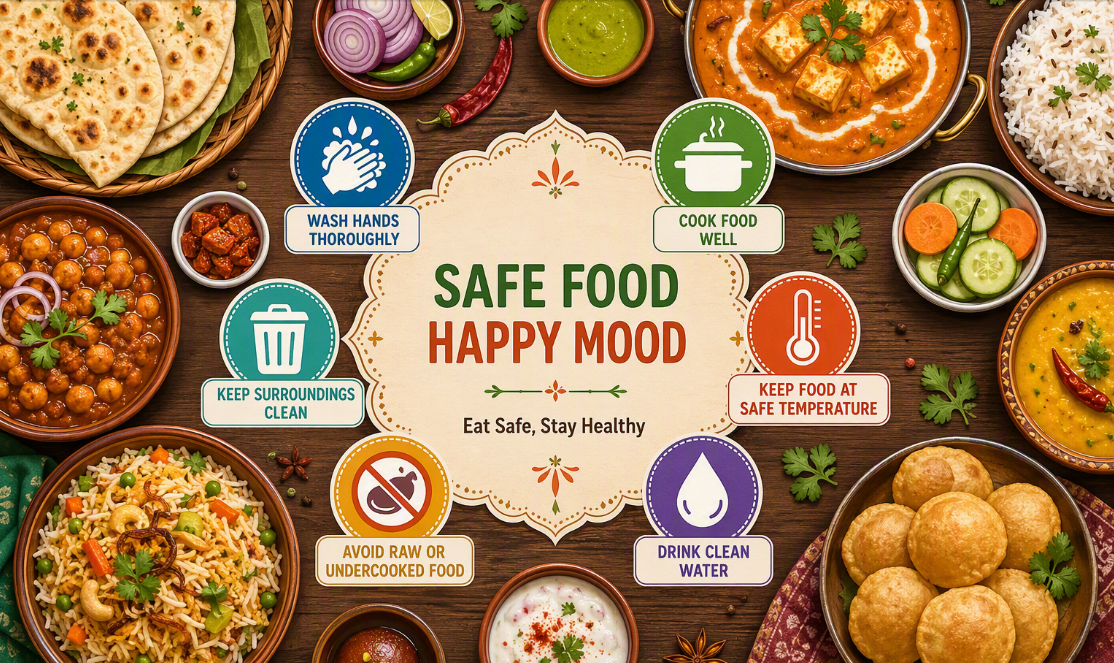
At the household level, it’s important to practice basic food safety. Wash your hands. Clean surfaces well. Keep raw and cooked foods apart. Use safe water. Refrigerate perishable ones fast. Cook food all the way through. These food safety practices help keep food quality high and lower food contamination in daily meals.
Why do food safety laws sometimes fail to protect Indian consumers?
Food safety laws do not work well if food safety regulations are not enforced, if infrastructure is weak, or if people do not know about the rules. Food fraud, lack of steady checks, and food businesses not following rules make things worse. This hurts how the legal framework protects public health.
Are food safety risks higher in rural or urban India?
Food safety risks can be found in both rural and urban places, but they are not the same. In rural areas, people may have problems with clean water and how they store food. In cities, there is more pressure because markets move fast and there are more ready-to-eat foods. For Indian households, the risk of food contamination depends more on how food is handled and the conditions in the home, not just where you live.