Key Highlights
- In Indian cities, extreme heat is happening more often. It is also getting more severe. This is bringing big risks to human health.
- When there is extreme heat, people can get heat exhaustion and heat stroke. It can also make them feel very thirsty and cause problems if they already have health conditions.
- Climate change is making heatwave days go up. There are now longer times of hot weather and more dangerous, high humidity in many places.
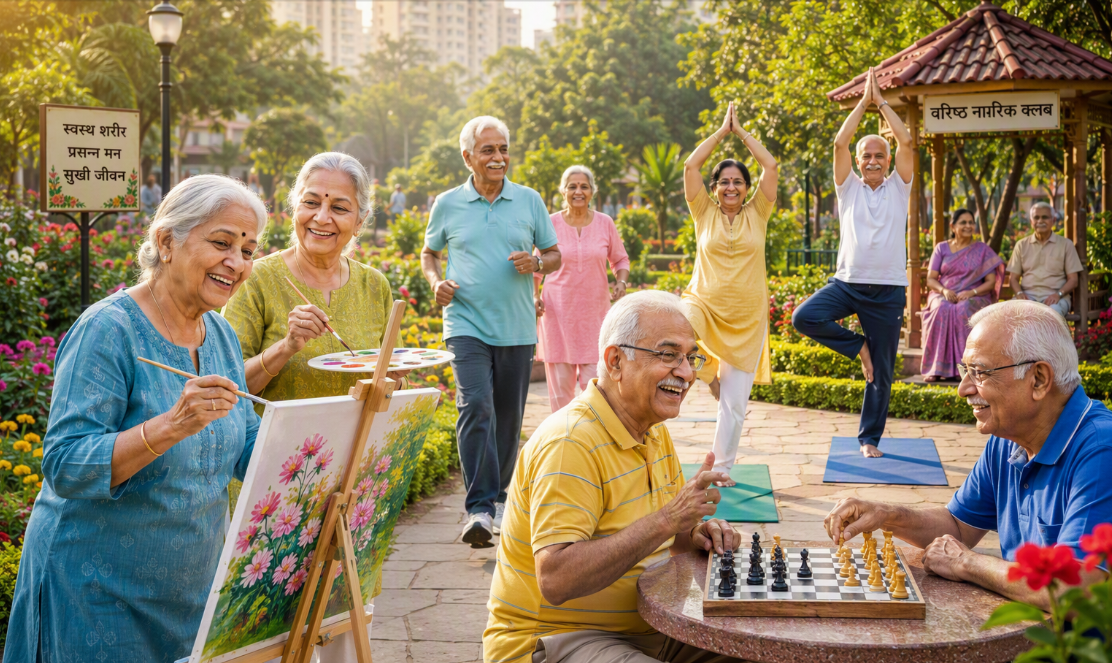
- Older adults, children, and outdoor workers feel the most heat. They are at higher health risks because of this heat exposure.
- When the government shares early warning alerts and uses a heat action plan, lives can be saved. Early warning systems give people time to get ready.
- People need to help each other, have safe water, and find cool places during intense heatwaves or when the temperature goes up. This will help keep us safe from health problems.
Table of Contents
Introduction
Extreme heat is not just a summer issue anymore. In India, heat waves are showing up more often and lasting for more days. This makes daily life hard and can be very risky. When the temperature is high for several days, the problem becomes bigger than just feeling hot. Your body can have a tough time keeping cool. This may lead to heat exhaustion, dehydration, or even heat stroke. That is why it is important for all of us to know how heat waves can harm health, water, work, and people in the community now, more than ever.
The Growing Threat of Heatwaves in India
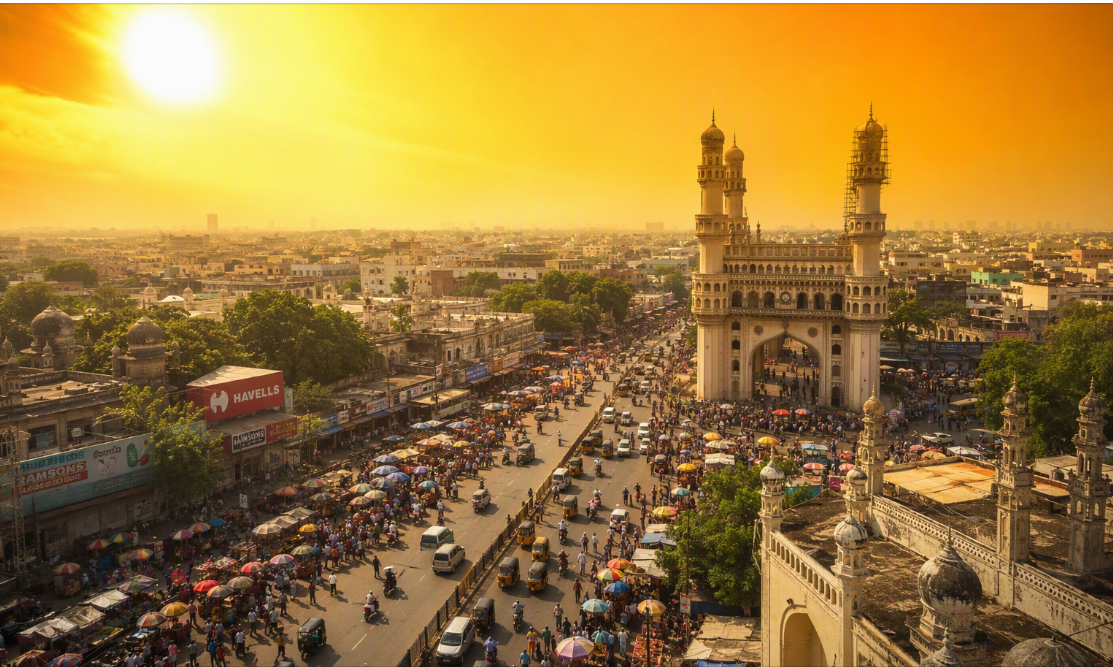
India is getting higher temperatures and more heatwave days now. In 2026, many Indian cities were already showing 42 to 45°C on the thermometer. A few of these cities were some of the hottest in the world. The eastern regions like Bihar, Odisha, West Bengal, and Uttar Pradesh got hit the most.
Climate change is the main reason we see more extreme heat events. A changing climate causes hot spells to happen more often, last longer, and feel stronger. Urban heat islands also make cities and built-up places even hotter. To get why this is a bigger problem, we should look at heatwave definitions and new trends.
Understanding Heatwave Definitions and Trends
The definitions of heatwaves in India depend on how much the temperature is above normal and how long that lasts. The India Meteorological Department looks at mean temperatures, maximum temperatures, humidity, wind, and other things to figure out when a heat event becomes serious. In recent years, this way of tracking is more important as the number of heatwave days has gone up in many parts of the country.
| Condition | IMD Threshold |
|---|---|
| Heat wave in plains | Maximum temperatures reach 40°C or more and are 4.5°C above normal |
| Heat wave in hilly areas | Maximum temperatures reach 30°C or more with required departure from normal |
| Heat wave in coastal regions | Maximum temperatures reach 37°C or more with required departure from normal |
| Severe heat wave | Temperatures are 6.4°C above normal or actual maximum temperature reaches 47°C |
| Duration rule | Criteria must be met for at least two consecutive days at two stations |
Another key point is how long the heatwave lasts. A place can be said to be under heatwave conditions when the actual maximum temperature hits 45°C, even if it has not reached the most severe mark yet. Dry heat can be risky for people. When humidity starts to go up, it can make the heat feel worse and it gets harder for your body to handle.
The Role of Climate Change in Escalating Extreme Heat Events
Climate change is causing more extreme heat waves in South Asia, and India is at the front of this problem. The data shows that more people in all areas are facing extreme heat. A changing climate is raising ambient temperatures, and there are more chances now for hot weather to last several consecutive days.
In India, the weather makes this pattern harder. There are clear skies and strong sunlight. Snow cover is less. Dry winds blow. Cloud formation is limited.
Also, relative humidity has gone up in some places. North India and the Indo-Gangetic Plains feel this more. The human body is at greater risk from heat because of this.
Urban areas have a harder time. There is less green cover in the city, and many buildings trap heat. Lots of development also makes it feel hotter in these places. The intergovernmental panel often says the same thing. Their big message is clear: climate change is making heat a bigger problem right now.
Health Impacts of Heatwaves on Indian Communities
Heatwaves quickly put a lot of stress on the human body. If heat exposure goes on for hours or even days, the body may not be able to cool itself. This can lead to heat stress, heat exhaustion, heat stroke, or severe dehydration. In the worst cases, these problems may cause mortality in a short time.
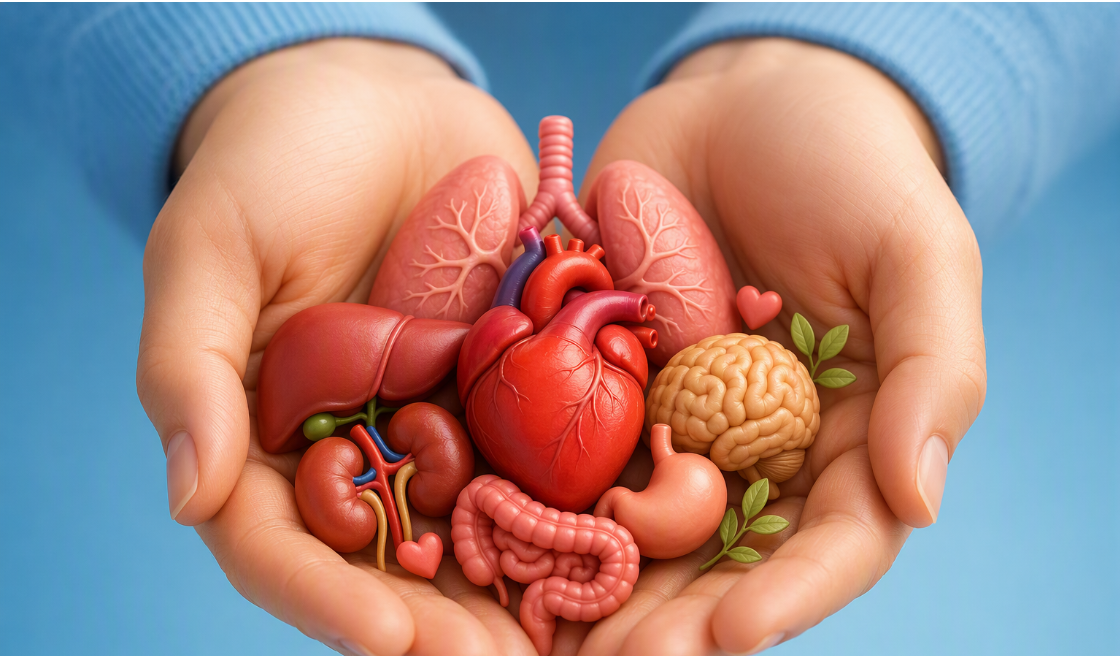
The risk does not end there. Extreme heat can make health conditions like heart, lung, kidney, and mental health problems worse. It can also lead to more people going to the hospital, make it harder for people to work, and mess up daily routines. Now, let’s talk about the most common heat-related illnesses and see who is most at risk.
Common Heat-Related Illnesses and Their Symptoms
Heat-related illness usually begins with mild signs, but it can get bad fast. If there is a heatwave, your body temperature can go up if your body cannot cool itself down through sweating or blood flow. The risk gets higher in places that do not have good cooling, not much green spaces, and have air pollution. These things can trap heat and also make it hard to breathe well.
Watch for these common signs:
- Heat cramps: Painful muscle tightness or spasms. These often start after you do physical work in very hot weather.
- Heat exhaustion: You may feel dizzy, weak, and get a headache. You can feel thirsty, feel sick, and sweat a lot.
- Heat stroke: The skin can feel hot and dry. A person might feel confused, act oddly, have fits, or even pass out.
- Recurrent dehydration: A person may feel very thirsty, feel tired, pee less, and feel weaker over time.
Heat can make heart disease worse, put more strain on the kidneys, and make it more likely you will get acute kidney injury. It also is connected to mental health stress, mostly when there are many days in a row of high heat. If the symptoms get worse or if someone gets confused, it is important to get medical help right away.
Health Risks for Vulnerable Groups (Elderly, Children, Outdoor Workers)
Not all people have the same risk when there are intense heatwaves. Vulnerable populations feel the most impact, mainly if they live in poor housing, do not have clean water, or have to work outside. In the eastern regions and in some places in Uttar Pradesh, high temperatures already show how these risks are not the same for everyone.
Groups at highest risk include:
- The elderly, mainly people who live alone or people who have problems with their heart, lung, or kidney, are at risk.
- Children and babies feel heat faster than adults. They need someone to watch them closely.
- Outdoor workers, like those who work on farms, at building sites, or do other outside jobs, need to be careful.
- People who live in poor housing or stay in places with little shade and not enough ways to stay cool face more heat dangers.
For the elderly, heat exposure can quickly lead to heat stress. It can make ongoing health problems worse and even cause mortality. Outdoor workers can have lower labour productivity because of the heat. They may also feel dehydration, cramps, and their kidneys can get strained. To protect population health, it is important to check on at-risk people early and often. We should also check on them regularly to make sure they are doing well.
Challenges and Solutions for Staying Safe During Heatwaves
Staying safe during a heatwave is not just up to one person. It needs planning, clear public messages, and quick action. In India, early warning and early warning systems send out heatwave alerts so people have time to get ready before the heat gets too bad. These steps really matter, because health risks can go up fast, sometimes even on the same day that a warning is given.
The National Disaster Management Authority, local officials, and weather agencies help with this by using heat action plan steps and giving advice. These tools can stop people from getting hurt if they use them the right way. To see how this works for everyone, let’s look at the main guidelines given by the government and some simple things people can do to stay safe.
Government Guidelines and Advisory Practices
The India Meteorological Department sends out heat wave alerts using different color codes. This helps the public and officials act early. These warnings connect to heatwave definitions and show how bad the heatwave may be. The National Disaster Management Authority also works with states and local groups. They support a heat action plan in areas where heat is common.
Common government guidelines include:
- Do not go out when it is very hot, especially during the hours of 12 noon to 3 PM.
- Drink a lot of water, ORS, lemon water, buttermilk, or any other safe fluids.
- Wear loose clothes. You can also use a cap, umbrella, or goggles to keep the sun off you.
- Get medical help right away if you feel faint or have a lot of discomfort.
Local authorities can help keep people safer by giving more people clean water to drink. They can also change work hours, get hospitals ready, and send out heat wave alerts fast. The Ahmedabad Heat Action Plan is a good example. This city heat action plan helps local leaders know what to do before and during very hot weather to protect public health.
Staying Hydrated and Cool: Practical Tips and Prevention
Your best way to fight heat stress in very hot weather is to keep cool before you get too hot. Drinking water helps your body keep its internal temperature down. When you rest and stay in the shade, you take pressure off your heart and kidneys. This is even more important when there is high humidity, because sweat will not cool the body as well.
Use these prevention steps:
- Drink water often through the day. Do not wait for thirst before you have it.
- Be in a cool place for some hours, mainly when it is hottest in the afternoon.
- Wear light and loose clothes. Take cool showers or use a damp cloth on your skin.
- Do not do hard work. Stay away from tea, coffee, fizzy drinks, and old or heavy food.
Keep your home cool. Open the windows at night if the air outside is cooler. During the day, close the windows and use blinds or curtains. It’s best to stop heat before body temperature starts to rise. Acting early works best.
Community-Based Strategies for Heatwave Preparedness
Heatwave preparedness gets better when people in a community help each other. What each person does is important, but local plans can keep more people safe. This is true for vulnerable populations. They may not get help fast if they are alone. Heatwaves are a population health issue, not just something for one household to think about.
Community-based strategies can use public communication, water support, neighborhood checks, and emergency support to help those who are most at risk. These things help a lot during long hot spells. The next sections talk about local programs and how safe water and quick help can lower harm.
Local Initiatives to Protect Vulnerable Populations
Strong local initiatives can help indian cities deal with heat in a quick and practical way. Short-term actions during a heatwave already include giving people drinking water, changing work timings, and making sure hospitals are ready. These steps do help, but it is also important for communities to have long-term solutions. That way, people are less exposed to heat every day.
Helpful local actions include:
- Check on older adults, people who are sick, and those who live on their own. Do this often so they stay safe.
- Set up places with shade where people can rest. Make it easier for everyone to get to public cooling spots.
- Add more green spaces, like parks and trees. This helps lower the heat in crowded areas.
- Send out alerts and share safe tips with people in the area using trusted local networks.
Working with the community is very important. The Ahmedabad Municipal Corporation is known for being one of the first to plan for city heat problems. This shows how strong local leaders can share weather warnings and help people act fast. When people know who is at risk and act early, vulnerable populations can stay safer.
Ensuring Access to Safe Water and Emergency Support
Heatwaves do more than just make things hotter. They also make it hard to get water, especially on heatwave days. They cause more water to disappear into the air that can leave less in the soil. That means people have less water to use for their homes. Families may find they do not have enough safe water for drinking, cooking, washing, or keeping cool. In some areas, women and workers feel this problem the most.
Communities can respond by prioritizing:
- There are safe spots where the people in high-risk neighborhoods can get clean water.
- The team gives fast support to people who cannot move much or feel sick.
- They keep extra supplies ready for clinics, schools, and places where the public goes for shelter.
- The group acts fast to reach the places where extreme temperatures stop normal services.
Water stress can make a heat emergency much worse and turn it into a bigger health problem. If people do not have good access to water, they get dehydrated more easily, cannot keep up with hygiene, and sickness can spread if there is not enough clean water. When a place faces heatwave conditions, having a steady supply of water is one of the best ways to save lives.
Conclusion
To sum up, it is important to know how heatwaves can affect human health, especially in a wide and busy country like India. When you understand the risks, you can get ready for them. This way, you help lower the bad effects on people who feel the heat more, like the elderly or outdoor workers. It helps a lot to follow rules set by people in charge, work with your community, and stay updated with good info. You should know about drinking enough water and using safe ways to beat the heat. This knowledge helps everyone stay safer.
Let’s work together to keep our health and feel well during these harsh weather days. If you want to be even better prepared, join local groups and stay in touch with places and people who care about the safety of your community.
How do heatwaves specifically impact the elderly population in India?
Older people are more at risk from heat exposure. High temperatures can quickly lead to heat stress or make health issues worse. This can happen with the heart, lungs, or kidneys. People in this age group who live alone are at even higher risk. If they do not get help fast, heatwaves can cause mortality and lead to serious illness.
What are the symptoms of heat-related illnesses that people should watch for during a heatwave?
Watch for any signs like heat cramps, feeling dizzy, weak, or having a headache. A person may feel sick, want to drink a lot of water, have heavy sweating, or feel their body temperature go up. These signs can mean heat exhaustion if the ambient temperatures are high.
If you see hot dry skin, confusion, convulsions, or if someone passes out, it could be heat stroke. That person needs emergency care right away.
What steps can local authorities take to reduce the impact of heatwaves on public health?
Local authorities can give heatwave alerts on time. They can make early warning systems better. They can help people get more water. Work hours can be changed when it is hot. Hospitals can be made ready for emergencies. A heat action plan can be used to protect people at higher risk. Working with the disaster management authority is important. It helps get a quicker response. Public messages become clearer. People get better protection during dangerous heat.