Key Highlights
- Water pollution hurts water quality and makes drinking water unsafe for people to use every day.
- When water is contaminated water, it makes health risks higher, especially where there is poor sanitation and not much waste control.
- The common reasons for water pollution are domestic sewage, industrial waste, pesticides, fertilizers, plastics, and population growth.
- Polluted water spreads infectious diseases such as cholera, typhoid fever, hepatitis, and gastroenteritis.
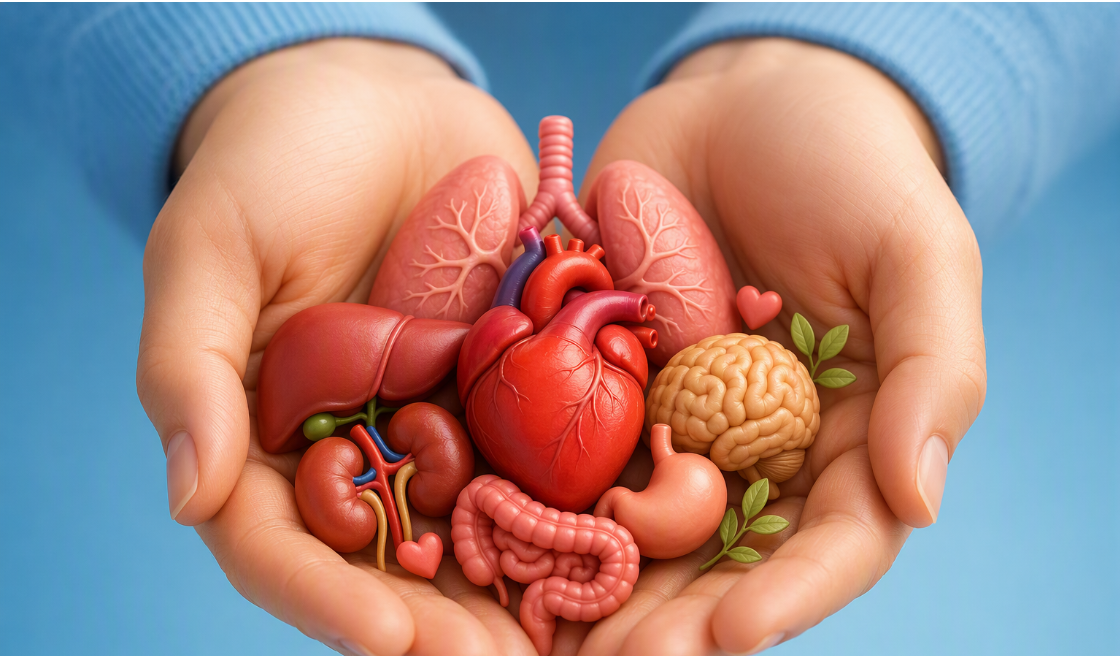
- Heavy metals and water contaminants can harm the immune system, kidneys, liver, and nerves.
- To help public health, we need water treatment, safe waste disposal, and access to clean water.
Table of Contents
Introduction
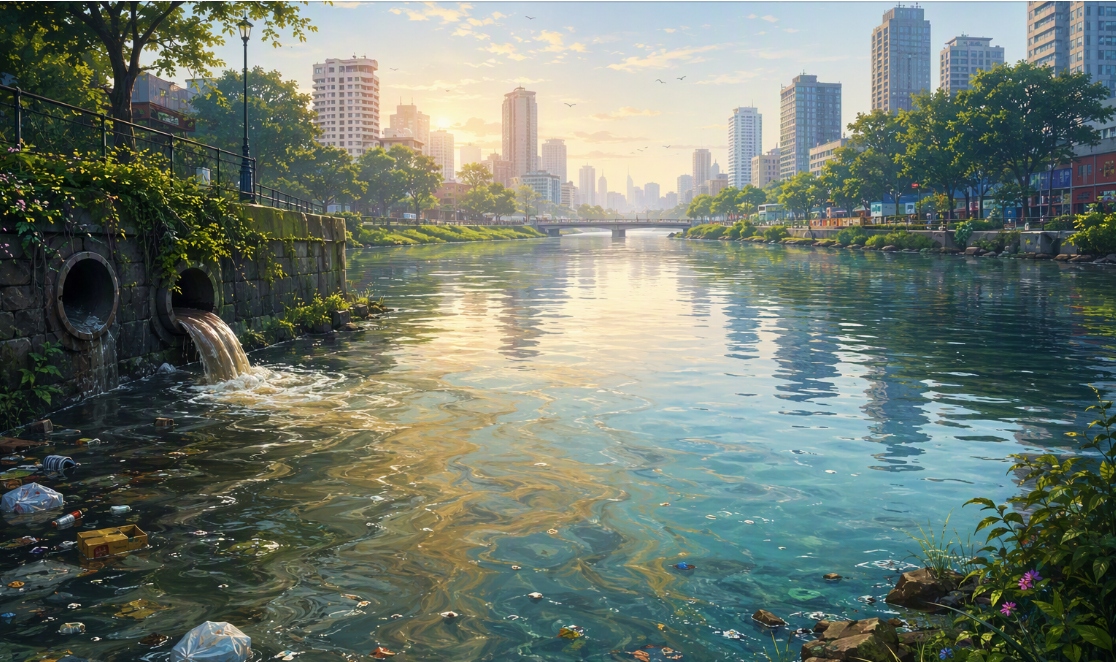
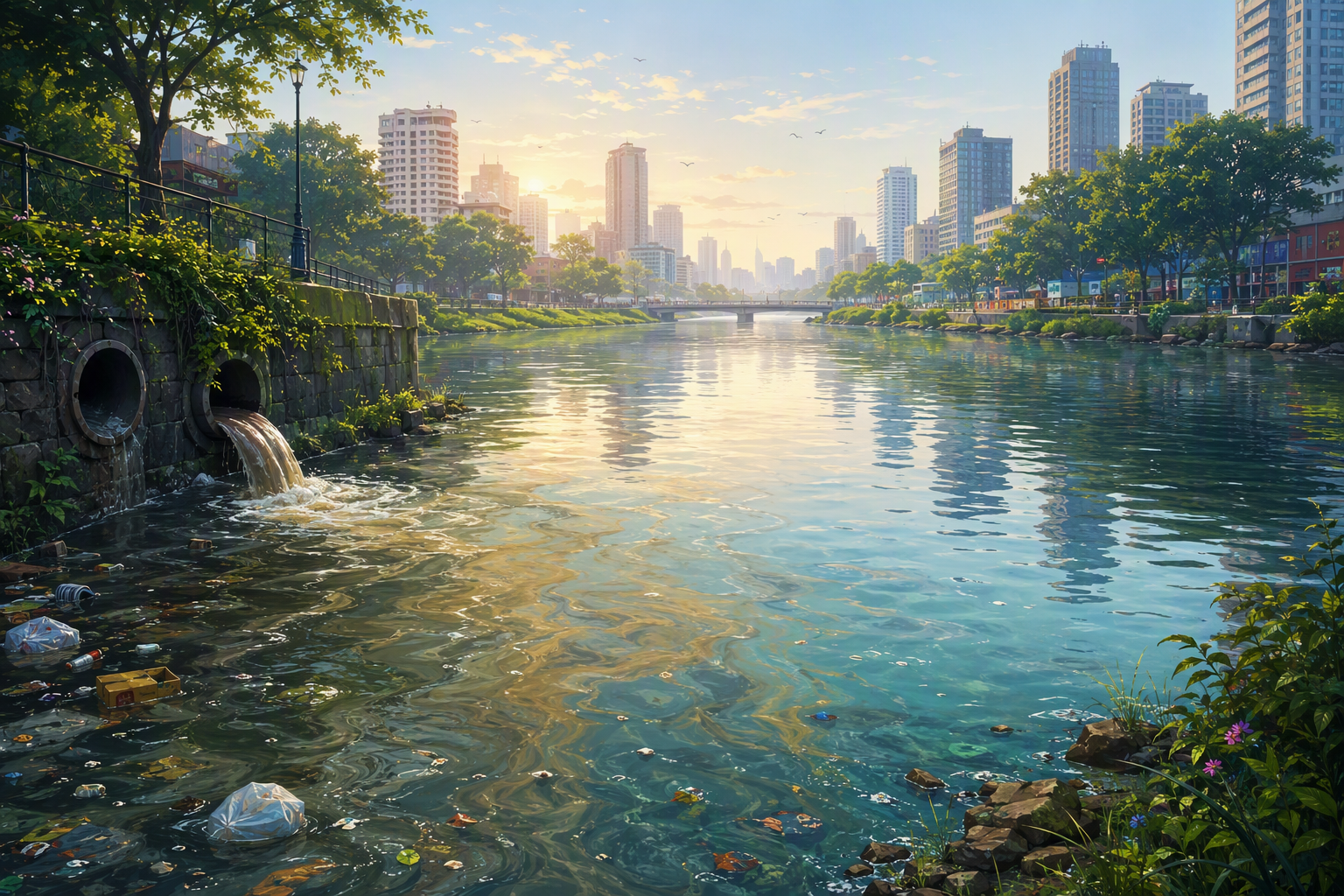
Water pollution happens when bad things get into a water source and hurt water quality. This is a big issue because water is an essential resource for drinking and other day to day needs. When there is water contamination in drinking water, it can cause real problems for human health. Polluted water can have heavy metals, toxic chemicals, and things like germs that give you infectious diseases. All this can lead to different health problems. If you know the causes of water pollution, you will understand why people and their communities need clean and safe water.
Conclusion
To sum up, knowing about water pollution and how it affects human health is very important if we want to make good choices for the environment. Clean water is key for all of us to feel good and be healthy. When people see where water pollution comes from and what it does, they can help change things for the better. If we spread the word and support better habits, we will help water quality, and our health, too. Let’s do this together. You can book a free consultation to learn about how to help your community’s water quality and make a good change for everyone.