Key Highlights
- The most seen sicknesses be the common cold, flu, belly infections, allergies, and skin rashes.
- The signs you may feel can be a sore throat, runny nose, nasal congestion, fever, belly pain, or itching.
- A lot of these sicknesses go from one person to another by being close to an infected person or by touching dirty things in daily life.
- Good hygiene, like washing your hands, helps your immune system and looks out for other people near you.
- Rest, drinking water, and simple care at home can help with symptoms, but some times, you will need medical care.
- Stopping sickness early helps cut down on how far it goes and helps people get better faster.
Table of Contents
Introduction
Many people get sick several times a year. They may have the common cold, feel stomach pain, or deal with allergies. These issues might feel small, but they can mess up your work and school days. They also make it hard to sleep and feel good about your life. The good thing is that you can stop these from spreading. When you know the common symptoms and the way your immune system works, you can act sooner. You will get better care for yourself and the people close to you.
Understanding Common Illnesses in India
Some health problems come back often in our daily lives. The common cold, respiratory infections that feel like the flu, stomach infections, allergies, conjunctivitis, headaches, and skin issues are some of these. A lot of these happen because of a viral infection or things that cause irritation like allergens, food, or dirty items.
Your cold symptoms, your medical history, your age, and how you are exposed to things all matter. A cold can happen more often during some times of the year. A stomach infection can come from not safe food or water. Knowing what is common can help you see patterns sooner.
What Makes an Illness “Common”?
An illness is called “common” when a lot of people get it and the signs are easy to see. You can think about things like colds, allergies, headaches, diarrhea, or pink eye. These problems happen to many people, and the most common symptoms are a sore throat, runny nose, sneezing, fever, itching, or stomach pain.
In most cases, there can be different viruses, bacteria, allergens, or food items that cause the problem. A symptom alone does not always show the exact medical condition. For example, you may get a cough when you have a cold, the flu, or another problem with the lungs.
Age matters too. Young children and older adults can react more to illness and might need to be watched closely. So, if symptoms in them change or get tough to handle, even a common sickness needs to be looked at carefully.
How Common Illnesses Spread in Daily Life
Many illnesses move from one person to another in daily life. You can get sick if you breathe air from an infected person. You may also touch things like door handles or phones that have germs on them. Sometimes, people share items, and germs get passed on that way. A lot of stomach infections happen when hands are not washed well after using the bathroom.
Watch where transmission happens most often. Disease control starts with everyday choices like these:
- Sharing things like towels, eating utensils, drinks, or eye makeup
- Touching doorknobs, pens, computer keyboards, or things at the gym
- Rubbing your eyes, nose, or mouth when your hands are not clean
- Handling food or water that might be dirty or unsafe
If you get sick, think about how you can affect other people. Wash your hands a lot. Do not get too close to others. Follow a good treatment plan at home. This will help to stop the sickness from spreading before you need any medical attention.
The Common Cold
The common cold happens a lot and affects the upper respiratory tract. A cold virus causes a viral infection in the nose and throat. When you catch it, you may feel a sore throat first. There is often a runny nose, sneezing, feeling tired, and nasal congestion.
Most colds get better in seven to ten days. Some signs stay for more time. There is no cure for a cold, so how you take care of it at home is important. Next, we will talk about cold symptoms and share the best ways to stop it from spreading.
Typical Symptoms and How It Spreads
Cold symptoms usually show up a few days after you are around someone with a cold. At first, you might feel a sore throat. There may be sneezing, a mild headache, and you could feel tired. As time goes on, you notice a stuffy nose and you may start to cough. Your body can feel sore and the mucus in your nasal passages gets thicker. A fever might happen, mostly in children, but it does not get very high.
Here are some common cold symptoms that many people get:
- Runny nose or nasal congestion
- Sneezing and coughing
- Mild body aches and low energy
- Throat irritation or soreness
A cold can spread fast. This happens when people cough, sneeze, or talk and send droplets into the air. You can also get it if you touch things that have the virus on it and then touch your face. Cold symptoms are usually not as strong as the flu. COVID-19 and other respiratory infections can feel the same at first. Watch out for chest pain or shortness of breath. These signs mean you should get medical attention.
Prevention Strategies for the Common Cold
You cannot avoid every cold virus, but you can do some things to lower your chances to get sick or pass it to other people. Good sleep is important for your immune system. Try to control stress. A healthy diet helps make your immune system stronger. Clean things that many people use. Stay away from people who feel sick if you can.
If you do get sick, simple steps help:
- Be sure to drink plenty of fluids and get enough rest.
- Gargle with salt water if you have a sore throat.
- Use a humidifier to help with dryness and congestion.
- Try pain relievers if you get a fever, headache, or feel body aches.
- Stay away from smoke, dust, or other things that can bother you.
Watch for symptoms that stay the same or get worse. If you feel shortness of breath, have chest pain, start to wheeze, or get a fever that stays for several days, talk to a health care provider right away. Getting early help can stop bigger problems from happening.
Influenza (Flu)
Influenza is a viral infection. It is part of the group of respiratory infections. The flu is often worse than a cold. It can cause fast fever, chills, bad aches in the body, coughing, and deep tiredness. Flu symptoms can come suddenly. They often stop people from doing their normal things, more than a cold does.
The flu can be serious, mainly if your symptoms feel strong. That’s why it’s good to know how the flu is different from other breathing illnesses. The next part will show you how to tell them apart.
Flu vs. Cold: Key Differences and Signs
At first, flu symptoms and common cold symptoms feel much the same. You can get a sore throat, cough, and feel tired with both. The big thing that sets them apart is how strong the symptoms get. The flu usually comes on fast. There are worse body aches, chills, and often a high fever.
Use this quick text table to compare signs:
| Symptom | Common Cold | Flu |
|---|---|---|
| Onset | Gradual | Often sudden |
| Fever | Rare or mild | Common, may be high fever |
| Body aches | Mild to moderate | Often severe |
| Fatigue | Mild to moderate | Strong and lasting |
| Cough | Mild to moderate | Often more severe |
If you feel chest pain or it gets hard to breathe, or you feel like you might be getting dehydrated with the flu, you need to get medical attention. These signs mean that the flu may be getting worse. If you are not sure what to do, it is better to talk to a health care provider than to wait and see.
Effective Ways to Prevent the Flu
Flu prevention starts with simple steps. A healthy diet, good sleep, and moving your body often help the immune system stay strong. You also stop the spread when you cover coughs, wash hands well, and stay away from others if you feel sick.
If you feel like you are getting the flu, you should try to do these simple things:
- Rest as much as you can.
- Drink plenty of fluids. This will help you to not get dehydrated.
- Use counter medications. Take them with care for fever and body aches.
- Eat light meals if you do not feel hungry.
- Limit contact with other people until you feel better.
Not all cases need special treatment options. But some can. Look for severe weakness. A fever that stays. Chest pain or trouble breathing. These symptoms show that home care might not help. You should get medical advice as soon as possible.
Respiratory Illnesses – COVID-19 and Others
Not every problem with breathing is a small cold. COVID-19, RSV, and some other viruses can start in the same way. You may feel coughing, sore throat, and stuff in your nose. Because the signs can be alike, it can be tough to tell which one you have just by how you feel.
Some people need to be very careful. This is true for older adults and those with other health conditions. If you feel shortness of breath, chest pain, or a clear drop in how you feel, get help. You can go to official illness pages from the CDC or NHS for new and clear advice on symptoms.
COVID-19, Coughs, and Other Viruses: Overview
COVID-19 is one of the viruses that can get into the airways. There are other viruses like respiratory syncytial virus and parainfluenza virus. These sicknesses can make people feel like they have a cold. You may have cough, feel tired, get a fever, or feel blocked up. Because these signs can be a lot like each other, you need to look at how bad the symptoms get.
Some viruses can cause bigger problems in young children and older adults. Respiratory syncytial virus is one that can lead to worse respiratory infections in these people. If someone has health conditions already, they may not get better as fast.
Do not ignore warning signs. If you have difficulty breathing, chest pain, a worsening cough, or feel very weak, you should get medical care. When symptoms are more than a mild illness you can take care of at home, it is important to act fast. It matters more to get help than to guess which virus is causing the problem.
Good Hygiene Habits for Prevention
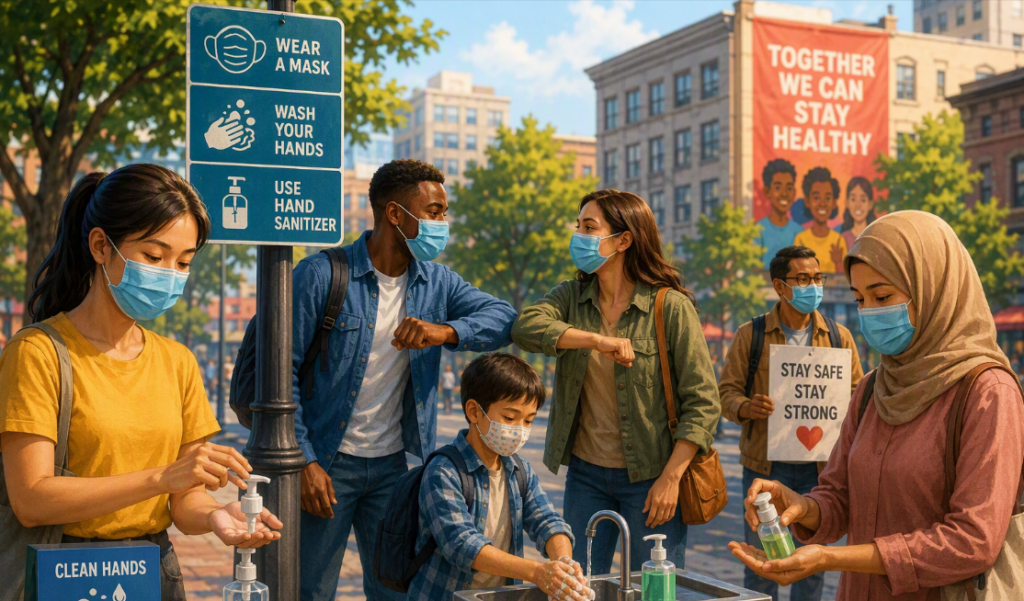
Prevention does not have to be hard. The small things people do each day help with disease control. Washing your hands is one of the best ways to stop germs from spreading. You should wash your hands after you cough, sneeze, use the bathroom, or touch things many people use.
Build these habits into your routine:
- Wash your hands often and do it well.
- Try not to touch your eyes, nose, or mouth.
- Clean things and surfaces that people touch a lot.
- Do not use towels, drinks, or utensils that others use.
- Stay home if you feel sick.
These easy lifestyle changes help keep you safe. They also protect people close to you. If you feel sick or need help for a certain illness, use official websites like the CDC or NHS. Take medical advice if your symptoms are strong, feel strange, or stay for a long time.
Gastrointestinal Illnesses (Stomach Infections)
Stomach infections can begin fast and make you feel tired. A lot of people get these from viruses, bacteria, parasites, bad food or water, food intolerance, and sometimes from food allergies. You may feel sick, throw up, get diarrhea, or feel pain in your stomach.
The biggest risk here is losing too much fluid. You need to watch out for signs of dehydration. These signs are things like very dark urine, feeling dizzy, a dry mouth, or being very thirsty. Do not ignore these signs. Both children and adults can get dehydration. Some people may need quick medical attention.
Let’s look at what causes this and how you can stop it from happening.
Common Causes and Main Symptoms
Stomach infections can happen because of viral gastroenteritis, bacteria in food or water, or parasites. Sometimes, people feel sick from reactions to certain foods. Food allergies or food intolerance may lead to problems with digestion. Medications, drinking alcohol, stress, or feeling panic can also be a cause for some people.
Typical symptoms include:
- Watery diarrhea or you may have to go to the bathroom a lot
- Feeling sick to your stomach and throwing up
- Pain, bloating, or cramps in your belly
- A fever or sometimes blood in your poop
- Signs of dehydration, like pee that looks dark and feeling dizzy
Most cases get better in a day or two, but some do not. Be careful when you use pain relievers and try to drink enough fluids first. If your symptoms stay for more than a few days, you see blood, or you cannot keep any liquids down, get medical help right away. These are signs you should not ignore.
Hygiene and Food Safety Practices
Good food safety helps lower your chance of stomach illness. It also keeps sickness from going around at home. Some infections spread through bad food, dirty water, or from not washing hands. To stop this, routine care is important. Disease control begins in places like the kitchen, bathroom, and wherever people share things.
Keep these habits in mind:
- Wash your hands well and often.
- Stay away from food or water that may not be safe.
- Do not share your drinks, eating tools, or towels with other people.
- After throwing up, add plain foods back to your meals slowly.
- If diarrhea does not stop, keep a close eye on how much fluid you are getting.
Sometimes you can use home care, but it may not be enough. If you or someone has dehydration, fever, blood in stool or vomit, or is very weak, you should reach out to a health care provider. Getting medical care fast can help stop serious problems. This is very important for children, older adults, or anyone who is already not feeling well.
Skin Infections (Including Fungal Infections)
Skin problems are common. They can be hard to spot early. You may see redness. There could be itching. Sometimes you feel burning. There may be skin rashes. A few issues are from allergic reactions. Others are from fungal infections. Some come from conditions that can spread, like conjunctivitis. This can sometimes affect other skin near the eyes.
Irritated skin can get worse if you scratch it or share things like towels or clothes with others. It is important to take care of it early. Treatment options change with what is causing the problem. To keep it from spreading, be clean, do not touch the area with others, and do not share items that touch your skin.
Symptoms to Watch For
Skin problems can be mild or very serious. A lot of people get skin rashes because of allergic reactions. Food, pollen, mold, latex, medicines, or pet dander can cause these reactions. Some may feel itching, swelling, or see redness that spreads. Sometimes it can feel painful.
Symptoms worth watching include:
- New skin rashes or skin rashes that get worse
- Hives, puffy lips or face, or tingling in these areas
- Red, puffy, or watery eyes
- Itching, stuffy nose, or sneezing
- A hard time to breathe or feel faint during a reaction
Your medical history is important. If you know you have allergies or if you had bad reactions before, you should not ignore new symptoms. If you feel any difficulty breathing, wheezing, or see any signs of anaphylaxis, treat them as emergencies. These are not everyday problems and should not be seen as small issues.
Tips to Limit the Spread
The best way to stop the spread is to start early. Many skin and eye problems pass on by hands, towels, bedding, makeup, or things you touch a lot. Good hygiene helps a lot, mainly when you first see signs.
Use these steps for better disease control:
- Wash hands often. Try not to rub the spot that is hurt.
- Use clean towels and pillowcases every day.
- Do not share makeup, contact lenses, or other things you use on your own.
- Wash clothes and fabrics that got dirty.
- Stick to your treatment plan like your doctor told you.
If you do not feel better after a few days, or if the spot hurts more or gets bigger, talk to a health care provider. Home care can help, but it should not take the place of a real checkup when things are getting worse.
Conclusion
To sum it up, knowing about common illnesses and ways to stop them is very important for you to stay healthy. When you learn how the common cold, respiratory infections, and other sicknesses spread, you can better protect yourself and your loved ones. There are simple things you can do, like washing your hands and keeping an eye on symptoms. When you stick to the steps experts suggest, you lower the chance of spreading things like the common cold or other respiratory infections. Always keep in mind, staying healthy is not just about getting better but also about helping everyone around you feel good too. If you need advice for your health or want to know more tips, feel free to ask for a chat with a health expert.
What warning signs show an illness is becoming serious?
Warning signs are things like a high fever that will not go away, chest pain, shortness of breath, very bad dehydration, blood in your stool or vomit, a headache that gets worse, or any symptoms that keep getting worse. If you see any of these, please call a health care provider or get medical help right away.
How do common illnesses differ in children vs. adults?
Young children and older adults can get sick faster because their immune system is not as strong. If you see signs like fever, dehydration, or trouble with breathing, it is important to get medical attention soon. A treatment plan for them might need more careful watching, even if the sickness looks normal.
What home care steps should I follow when sick?
Rest first and drink plenty of fluids. Use pain relievers if you need to, but be careful with them. Eat a healthy diet when you feel ready. Try to stay away from things like alcohol or smoke that can make you feel worse. If your energy levels go down more or your symptoms get worse, get medical advice. Don’t try to handle everything alone.