Key Highlights
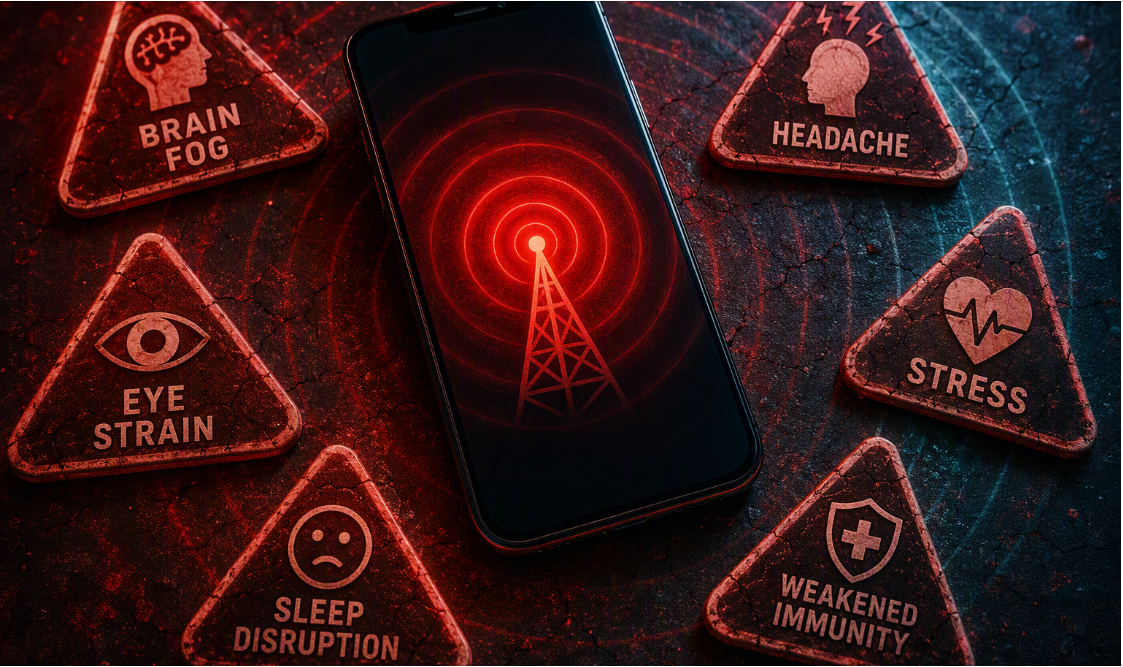
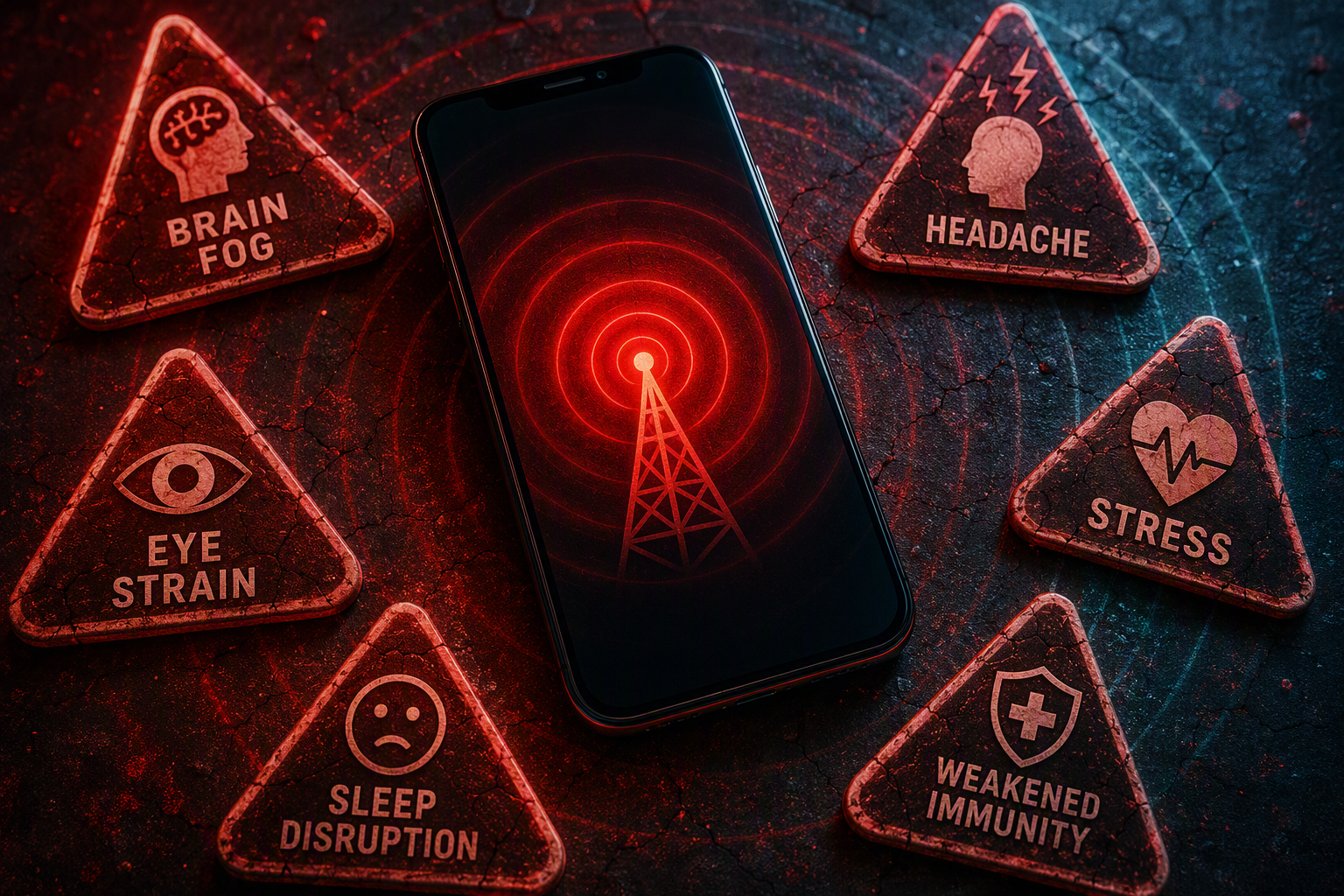
- Using a smartphone for a long time can be bad for your body and mind. There are real health risks with smartphone use.
- Spending too much time on screens can make mental health worse. It can cause anxiety, low mood, and psychological distress.
- A lot of smartphone users feel sleep disturbances, especially if they get blue light at night.
- If people use their phones a lot, it can make them move less. It can also lead to pain in the neck, back, hands, and cause eye strain.
- Focusing too much on screens may weaken social interaction. It can also hurt family communication and lower daily attention.
Table of Contents
Introduction
Smartphone use is now a big part of our day. However, using your phone too much can lead to health problems. A lot of research shows that excessive use of smartphones, especially by young adults, can cause stress, trouble sleeping, pain, less physical activity, and attention issues. You might use your phone for work, school, or scrolling through social media, but long hours are still not good for your well-being. By knowing about these risks of smartphone use, you can spot problems early. This way, you can work on better habits before the small issues turn into bigger ones.
Understanding Prolonged Smartphone Use in India
Smartphone use is now a big part of life. People use it for study, fun, talking to friends, and for social media use. But when screen time goes up all day and at night too, it can start to cause some risks.
In India, you can see that mobile phone use is very common, just like in other places where digital things are growing fast. You will notice that students and young adults use phones a lot. This kind of media use is important to talk about. When people keep checking their phones, use them for long times, or keep their phones near them at night, it can change how they sleep, pay attention, feel about things, and even their fitness.
Trends and Statistics in Smartphone Usage
Many studies show that smartphone users, like young adults and university students, are a key group when talking about prolonged phone habits. A non-systematic review looked at 84 studies in English. The review found that excessive use is linked to health problems again and again.
Here is a short text table that sums up the big patterns reported:
| Group or Finding | What was reported |
|---|---|
| Young adults | Higher exposure to sleep problems, stress, pain, and reduced attention |
| University students | Links with anxiety, depression, poor well-being, and academic strain |
| Heavy users | Lower physical fitness, poor sleep quality, headaches, and social difficulties |
| Medical focus | Cognitive impairments and altered brain activity were also discussed |
If you ask about the main health risks that come with using a smartphone for a long time, you will get many answers. The risks can include mental health issues, problems with sleep, body pain, doing less physical activity, eye problems, and having trouble with how the mind works. When you read many sources, such as what is listed on google scholar, you will see these worries come up again and again when talking about smartphone use.
Age Groups Most Affected by Extensive Screen Time
Young people feel the most effects from a lot of screen time because smartphones often shape what they do when they study, hang out with friends, or spend their free time. A lot of research looks at young adults and teens, because this is where you see more issues such as problematic smartphone use. It is more likely for them to have emotional or physical problems because of how much they use their phones.
College students and medical students are often mentioned as well. In these groups, excessive use of phones has been linked to more worry, anger, weaker communication skills, poor sleep quality, and lower well-being. Using the phone too much can also leave less time for exercise and talking to people face-to-face.
Children are not immune to this. There are findings on younger users that show worries about sleep and how much time kids are on screens. So, how much smartphone use each day is too much for good health? The research on smartphone use does not give one clear number. Instead, it shows that phone use is a problem if it starts to hurt sleep, mood, focus, movement, or how they handle daily life.
Main Health Risks Linked to Excessive Smartphone Use
Using your smartphone too much can lead to many health risks. Some of the negative effects are sleep trouble, headaches, pain, and less physical activity. It can also lead to being less fit and having eye problems. If you use your smartphone a lot, it may affect your attention, make it harder to control yourself, and get in the way of everyday life.
The psychological consequences are just as important as the physical ones. Studies show that when someone has a problem with use, they can feel more anxiety, depression, loneliness, and stress. They may struggle with low self-esteem and find it hard to manage their emotions.
To see things clearly, it helps to talk about mental and physical harms one at a time.
Mental Health Concerns and Emotional Well-being
Mental health can be a big worry when people use their phones too much. Many studies show a link between smartphone use and things like depressive symptoms, anxiety symptoms, stress, feeling lonely, and low well-being. This does not mean that everyone who uses their phone a lot will feel this way. Still, there is a strong pattern that we all should notice about problematic smartphone use.
Another thing to think about is how people manage their feelings. If you have too much social media use, it can lead to worry, anger, thinking about things over and over, and less self-control. It can also make it hard for some people to handle tough feelings. Some people may feel fear of missing out more, so they go back to social media again and again.
So, how does using a smartphone too much affect mental health? It can lead to more stress, feel people feel down, or make anxiety worse. It may even make it tougher to deal with emotions. Some studies have shown that using social networks on smartphones is linked to thoughts of suicide. That is why changes in how you feel should not be ignored.
Physical Health Hazards
Physical problems from spending a long time on the phone can build up slowly. At first, you might not feel anything. Over time, the strain can show in the neck, hands, eyes, and even your overall fitness. Research shows that using your phone too much can lead to pain, headaches, trouble with sleep, and less physical health.
The most common problems people talk about are neck pain and back pain. There are also signs of repetitive strain injury from moving the thumb and fingers too much. When people do not get enough physical activity, they may have lower muscle mass and more fat in their bodies. This is often linked to using some parts of the body too much in some groups.
Some of the most common physical hazards include:
- You can feel pain in your neck and shoulder when you look down for a long time.
- You may have pain in your thumb or fingers because you tap or scroll again and again.
- You can get headaches or even migraines. It can also make you less fit and in bad shape.
If you want to know what happens to the body when you use your smartphone too much, these are the ways it most often shows up.
Impact on Mental Health
Problematic smartphone use can be hard on mental health. Studies show the phone can cause psychological distress, stress, loneliness, social anxiety, and trouble with controlling emotions. Some people use their phone to get away from boredom or feel better when they are uncomfortable. This can make the cycle last longer.
That matters because using something too much, again and again, can go with bigger mental health problems. This can be depression, anxiety, OCD signs, or ADHD issues. The next parts talk more about changes in mood and how it can affect the way people think.
Anxiety and Depression
Research shows a clear pattern. Excessive use is often tied to more anxiety and depression. University students and teens who use a lot tend to feel more depressive symptoms. They often feel more nervous and do not feel as good as those who use less.
In some studies, people found that problematic smartphone use be linked to rumination, fear of missing out, and needing too much reassurance. These habits can make stress feel like it never goes away. A phone should help you relax. But if you have these problems, it can keep your mind busy and take all your energy.
Is there a link between using your smartphone too much and having anxiety or depression? Yes, the findings show there is one. A three-year longitudinal study found that people who used their phone in a harmful way early on were more likely to feel depressed later. This does not mean every case is caused by phone use, but it shows a meaningful connection is there.
Reduced Attention Span and Cognitive Challenges
Spending a lot of time on your smartphone is not just about how you feel. It can also change how you think and focus. Research shows that heavy phone use may lead to cognitive impairments like trouble paying attention, less control over actions, poor working memory, and problems with numbers. In simple words, it can get harder to stay on task and ignore things around you.
Some findings show changes in brain activity. Researchers saw unusual patterns in the prefrontal cortex and the anterior cingulate area. They also found problems in networks that help us control our thoughts and feel emotions. These results say that constant stimulation can change the way the brain reacts during tasks.
You may notice that cognitive strain shows in these ways:
- It can be hard to stick with one task without picking up your phone.
- You might feel more jumpy and have a hard time staying on track when you try to study or work.
This also helps to show how too much smartphone use can affect mental health. It can make stress go up and it can take away the mental control people have to handle their emotions and focus.
Eye Health Issues from Prolonged Screen Exposure
Long hours of screen time are not good for your eyes. A lot of smartphone use may make your eyes feel tired or uncomfortable. Many people get digital eye strain if they look at screens for too long without taking breaks.
Blue light can be a part of the problem, but being around screens too much can also affect the eyes. Using small screens means you have to focus hard at a close range. This can make your eyes feel tired, dry, or annoyed. The next few sections talk about what might happen to your eyes for a short time and what long-term problems there could be with your vision.
Digital Eye Strain and Symptoms
Digital eye strain is one of the most common problems that come from too much screen time. In young people, research shows that more time spent on a smartphone can cause more problems with the eyes. If you spend long hours on a device, your eyes can feel it in real and noticeable ways.
You might feel the strain in your eyes as simple discomfort before you notice any clear problem with your sight. Still, this discomfort is important and should not be ignored. If your eyes have to focus on things close to you for a long time, you can start to feel tired and irritated. This happens more when you use your eyes at night or scroll for a long time on your phone or computer.
Common signs that are connected with digital eye strain are:
- Tired, sore, or irritated eyes
- Trouble focusing that feels hard after long screen time
- General visual discomfort during or after phone use
So, does using a smartphone for a long time make eye problems more likely? Yes, the signs show that there is a higher chance of eye strain and symptoms, especially when you use the phone often for many hours.
Long-Term Consequences on Vision
The big concern with too much screen time goes beyond just tired eyes. A lot of smartphone use can be tied to health problems that affect the eyes. One health problem seen with excessive screen time is a type of eye misalignment called acute acquired comitant esotropia. This can happen when people spend a long time looking at their phones.
This does not mean that every person who uses screens a lot will get a big problem with their eyes. But, if you keep looking at screens up close for a long time, it may make things worse as years go by. This is more likely to happen if you use screens a lot and do not take enough breaks. Your eyes can feel tired all the time, and this can lead to more pain in the long run.
If you ask again if spending many hours on your phone can hurt your eyes, the answer is yes. Research shows that being on your smartphone for too long can hurt your vision. It also makes your eyes feel less comfortable. This is extra important for younger people who use their phones a lot every day.
Sleep Disturbances Associated with Smartphone Use
Sleep disturbances are a common problem for many people who use their smartphones a lot. A person who uses their phone often may have less sleep. This can also hurt their sleep quality. It can be harder for them to fall asleep, too. Checking your phone at night can keep your mind active when you should be resting.
Blue light can make sleep problems worse. A person’s bedtime habits are also important. If you use your phone in bed, text people late, or stay on social media, you can have trouble resting. The next sections will show how all this can happen.
How Blue Light Affects Sleep Quality
Blue light from a mobile phone is often talked about because using it at night can mess with normal rest. Research in this area shows that going on screens before bed and having too much screen time can lead to poorer sleep quality. People who use media heavily around bedtime may have less sleep and feel more disturbed during the night.
But it is not just about the light. Using a screen before bed keeps your mind busy and your feelings stirred up. If you scroll, message, or react to social media, your brain does not get time to slow down. This can make it take longer for you to get to sleep, and your rest may feel less deep or less good.
Yes, using a smartphone for a long time can cause sleep disturbances. Many studies show that people who use their phones at bedtime have lower sleep quality. Over time, this can cause stress, bad mood, and feeling tired during the day. These effects make it harder for people to cut back on their smartphone use.
Irregular Sleep Patterns and Insomnia
If you use your phone at odd times, it can change how you sleep. Alerts that come late at night, watching lots of videos, or spending time on social networking can push your sleep pattern later. Over time, your sleep can get out of sync and feel different each night.
Research shows that using a mobile phone too much can make it hard to fall asleep. It can also cause you to not get enough sleep or mess up your sleep pattern. Some people even end up with insomnia. Having problems with phone use for a long time can lead to new sleep disturbances and can make you feel stressed or worried. If you stop or cut back on your mobile phone use, the situation can get better.
These negative effects are important because bad sleep doesn’t only affect one thing. It can make your mood worse, hurt how well you can focus, and lower your energy during the day. So if you want to know if using a smartphone for a long time can lead to sleep disturbances, the answer is yes. This link shows up again and again, especially in people who are teenagers or students.
Common Physical Problems Caused by Smartphone Overuse
Excessive smartphone use can cause many physical problems. If you keep your body in one spot for a long time, you may feel neck pain or hand strain. You might also get headaches. Excessive smartphone use can lower your overall fitness. These health risks come with spending a lot of time on your smartphone.
These problems might look small at the start, but having stress like this every day can be hard to deal with. When you look at pain from posture and how much you use your hands, you can see why sitting with your phone for a long time can feel so tiring for the body.
Neck and Shoulder Pain (“Text Neck”)
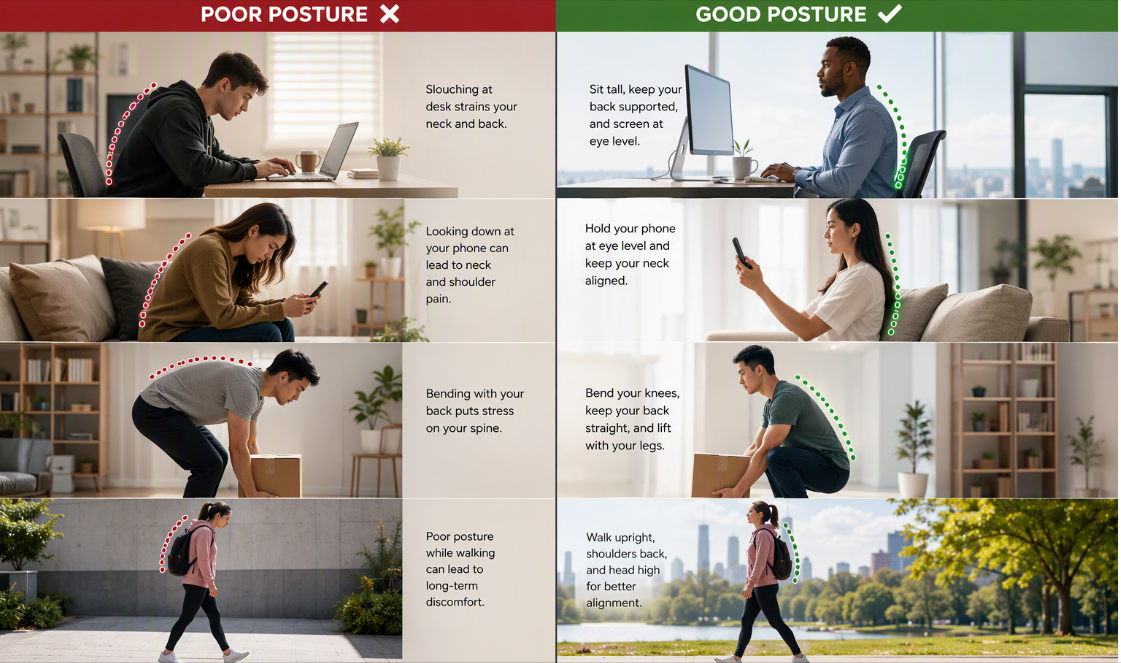
Neck pain is a common problem that comes from phone use. The reason is clear. A lot of people bend their heads forward for a long time while they text, read, or scroll on a mobile phone. This posture puts stress on the neck and shoulders.
This problem is often called text neck. A study found that young people with neck pain often have it because they overuse smartphones. It is linked to more wear-and-tear in the neck area. This means neck pain is not just a short-term issue. It can be a sign of bigger problems from repeating the same habits every day.
If you think about problems from too much phone use, text neck is one of the top issues. The negative effects can be a stiff neck, soreness, and feel some pain or tightness in your shoulders. These bad feelings can get worse when you read, work, or use your phone in bed.
Repetitive Strain Injuries (e.g., Thumb/Finger Pain)
Your hands do a lot when there is excessive use. Things like tapping, swiping, typing, and holding a phone for hours can give the thumb and fingers the same kind of stress again and again. Over time, this can give you strain in your hand and make them feel less comfortable.
Research shows that using your smartphone too much can change how your hand works. It can lower your pinch strength and even impact the median nerve in your main hand. This might be why a lot of people who are on their phones a lot feel more than just sore. The extra strain can change how well your hand does everyday tasks.
Warning signs may include:
- Thumb pain gets worse after you spend a long time scrolling or texting.
- You feel finger pain, stiffness, or weakness when you do the same phone tasks again and again.
These are also some common body problems that happen because of using your smartphone too much. This is true for people who use their phones a lot during the day.
Relationship Between Smartphone Use and Social Behavior
Smartphone use can change the way people act around others. Social networking helps keep us close to each other. But spending too much time on screens may keep us from talking in person and talking as we do in our day-to-day lives.
Negative impacts do not always be big or easy to see. Sometimes, they show up when people feel distracted while they talk with others. A person may feel far away in their mind, even when with someone else. You might spend more time online than you do with your family and friends. In the next parts, you will learn how social withdrawal and balance problems can get worse.
Social Isolation and Withdrawal
Phones are made for people to talk and stay in touch. But, excessive use of phones can lead to smartphone addiction. This can sometimes make people feel more alone. Research shows that using your phone too much can mean you have less time for talking with people in real life. People feel more lonely and shy. Their connection with friends and family can become less strong.
This is important because social anxiety can get worse as time goes on. Some people use texting and talking online more because meeting face-to-face feels tough. But this can make them avoid real life even more, instead of fixing things. With time, they may feel more upset and have less confidence when talking to people in person.
This is one more way that too much smartphone use can change your mental health. When you check the screen all the time, it can make you pull away from other people. It can cause you to feel lonely, or compare yourself to others and feel worried. If you let your online life take the place of real face-to-face time with people, it may be good to step back and reset.
Disrupted Family and Work-Life Balance
Heavy phone use does not stay in your free time. It can affect family time and daily routines. It can also impact study and work-life balance. Research shows that too much phone use leads to family conflict. It can cause poor grades. It can also lower communication skills, especially for students.
One problem is divided attention. When your attention is on social media use or media use during meals, talking with others, or any tasks, you might miss things people say or do. You can also answer in a way that isn’t good, and people may feel like you are not really there. This can create problems in your work and home life, even if you do not see it right away.
Common signs of disruption include:
- There be less talking with family when we spend time together.
- It be hard to stay on task at work, during study, or when talking face-to-face with someone.
The material does not talk much about accident risks in detail. But, being on your phone for a long time can make you less focused. This can make safety a real issue because you might not pay full attention. Distraction and low attention can lead to trouble.
Connection Between Smartphone Overuse, Anxiety, and Depression
Many studies show that the excessive use of smartphones is linked to anxiety, depression, and other emotional distress. The people who practice excessive use of smartphones often feel worse about their mood. They feel more stress and have lower well-being than those who do not use phones in an unhealthy way.
Phones are not the only reason for mental disorders. But there is a strong connection between overusing phones and these problems. So, we should see lots of phone use as a warning sign. Now, we will talk about signs you can see. We will also share what research says about it.
Recognizing Symptoms of Emotional Distress
Feeling upset from using your phone too much can be hard to spot at first. You may feel jumpy if you do not have your phone. After using social media, you might feel down. The pings and pings from apps, and the need to see what’s new, can make you feel worried or stressed. As time goes on, these feelings can grow stronger and harder to shake off.
Research links problematic smartphone use with anxiety symptoms, depressive symptoms, stress, and loneliness. It can also lead to low self-esteem and trouble in handling emotions. Some people think over things too much and keep looking for constant reassurance. This can make their distress stay, instead of making it better.
Watch for signs such as:
- Feeling more nervous, worried, or emotionally off after spending a lot of time on your phone
- Noticing a low mood, feeling alone, or losing your sense of well-being
- Having trouble stopping yourself from checking your phone, even though it makes you feel worse
Yes, there is a link between using your smartphone too much and feeling anxiety or depression. These warning signs can help you see the problem early.
Research Findings on Links to Mental Disorders
Research shows that there is a steady link between the way people use their phones and mental disorders. The studies in this area found there is a connection with depression, anxiety, social anxiety, symptoms of OCD, ADHD, symptoms like PTSD, and low mental well-being.
The best thing about this is that it does not come from just one paper. The review brings together a lot of evidence. A longitudinal study showed that early problematic smartphone use can lead to depression later on, from the teen years into adulthood. Because of this, the link between smartphone use and depression is not just a short-term happenstance.
The review also says there are limits. A lot of the data is cross-sectional. This means it does not show direct cause each time. Still, if you want to know if smartphone overuse connects to anxiety or depression, the research says yes. The link is clear.
Indicators and Guidelines for Healthy Smartphone Habits
Healthy smartphone habits do not have a perfect rule. It is more about watching when your screen time starts to cause health risks. If using your phone starts to hurt sleep, mood, focus, your movement, or relationships, this is a sign that the routine needs care.
Good advice often comes from the problems that we see around us. Look out for things like bedtime scrolling, pain that happens often, not doing enough physical activity, feeling like you really need your device, or always getting distracted. The next parts will talk about how to spot excessive use and ways to lower the strain.
How Much Daily Smartphone Use Is Considered Too Much?
Many people want to know the right amount of screen time they can use each day. But the research does not give one answer for everyone. It looks more at habits and what happens when you use your phone too much. This means the same screen time can feel different for each person. It depends on when you use your phone and how you use it.
Daily use turns into excessive smartphone use when it begins to mess with sleep, attention, mood, the social life, or how the body feels. If the smartphone use makes you stop exercise, keeps you up through the night, brings neck pain or headaches, or makes you feel tired inside, it is not just about how much time you spend anymore.
How much smartphone use each day is too much for good health? It is too much when it starts to hurt you in the same way again and again. The exact number of hours is not as important as the warning signs. If you feel harm from your smartphone use, it may be time to cut back.
Tips to Reduce Health Risks from Screen Time
Yes, you can cut health risks from screen time in some simple ways. Studies show that you need to focus on a few key things. You do not need to ban phones. The goal is to break habits that hurt sleep quality, cause more pain, or make you move less and meet people less. This can help improve your sleep quality, boost your physical activity, and lower health risks.
Start by looking at when using your phone can start to be a problem. Using it in bed, checking it all the time, and sitting still for a long time are normal habits that many people have. A few small changes in your daily routine can help your body and mind feel better.
Helpful steps include:
- Keep your phone out of bed. This helps to have better sleep quality.
- Take breaks when you use screens for a long time. It can help ease eye and neck strain.
- Use some of your screen time for physical activity or offline tasks.
- Notice if social media makes you feel stressed, lonely, or tired inside.
Conclusion
To sum up, smartphones are an important part of our daily lives. But, it’s also good to know the health risks that come from using them too much. Too much screen time can lead to mental health problems like anxiety and depression. It can also cause physical problems such as neck pain and eye strain. These negative effects can hurt your well-being. If you understand these health risks and practice good smartphone habits, you can help stop these problems. A few small changes can go a long way toward managing your screen time. If you want tips that fit you, feel free to get a free chat with our experts. Your health matters.
Can reducing screen time improve overall well-being?
Yes. Cutting down on screen time can help your well-being. It may make some health problems better. These health problems can be poor sleep, stress, pain, and less physical activity. Too much screen time may be bad for you. It can also help mental health. This is true if phone use makes people feel anxious, sad, or worn out.
Does using smartphones for long periods increase accident risks?
The research does not look at accident risks. But using your smartphone for a long time can lead to negative effects. It can distract you and make you pay less attention. When you use your phone, you may lose focus on social interaction and work tasks. This loss of attention can also make you less aware of the things around you. Because of this, there can be safety concerns in daily life.