Key Highlights
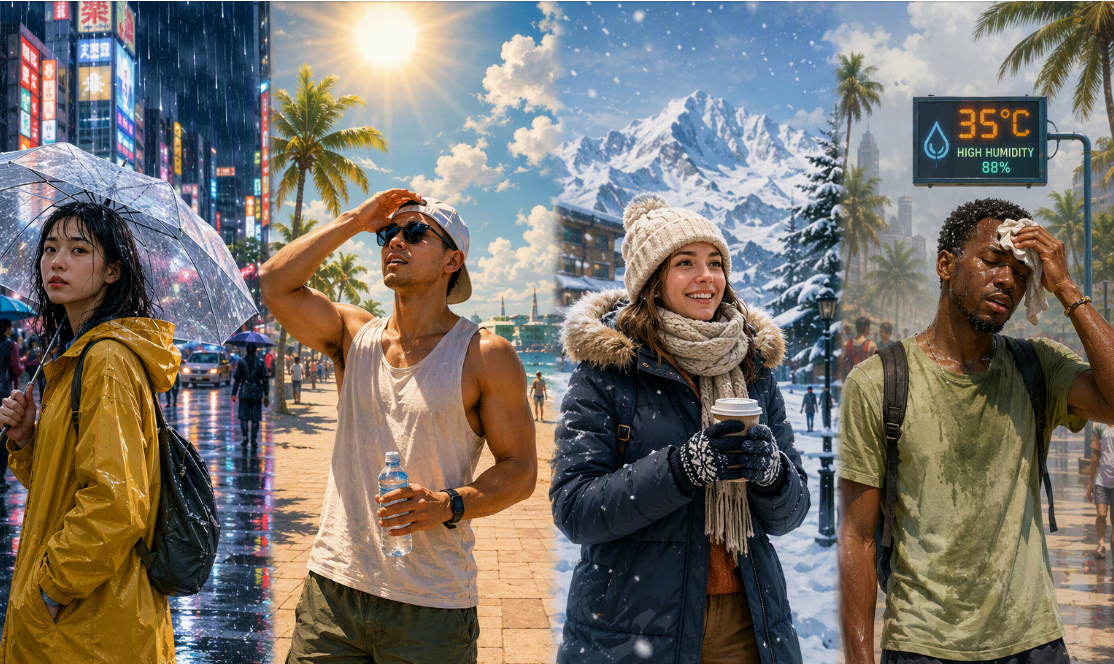
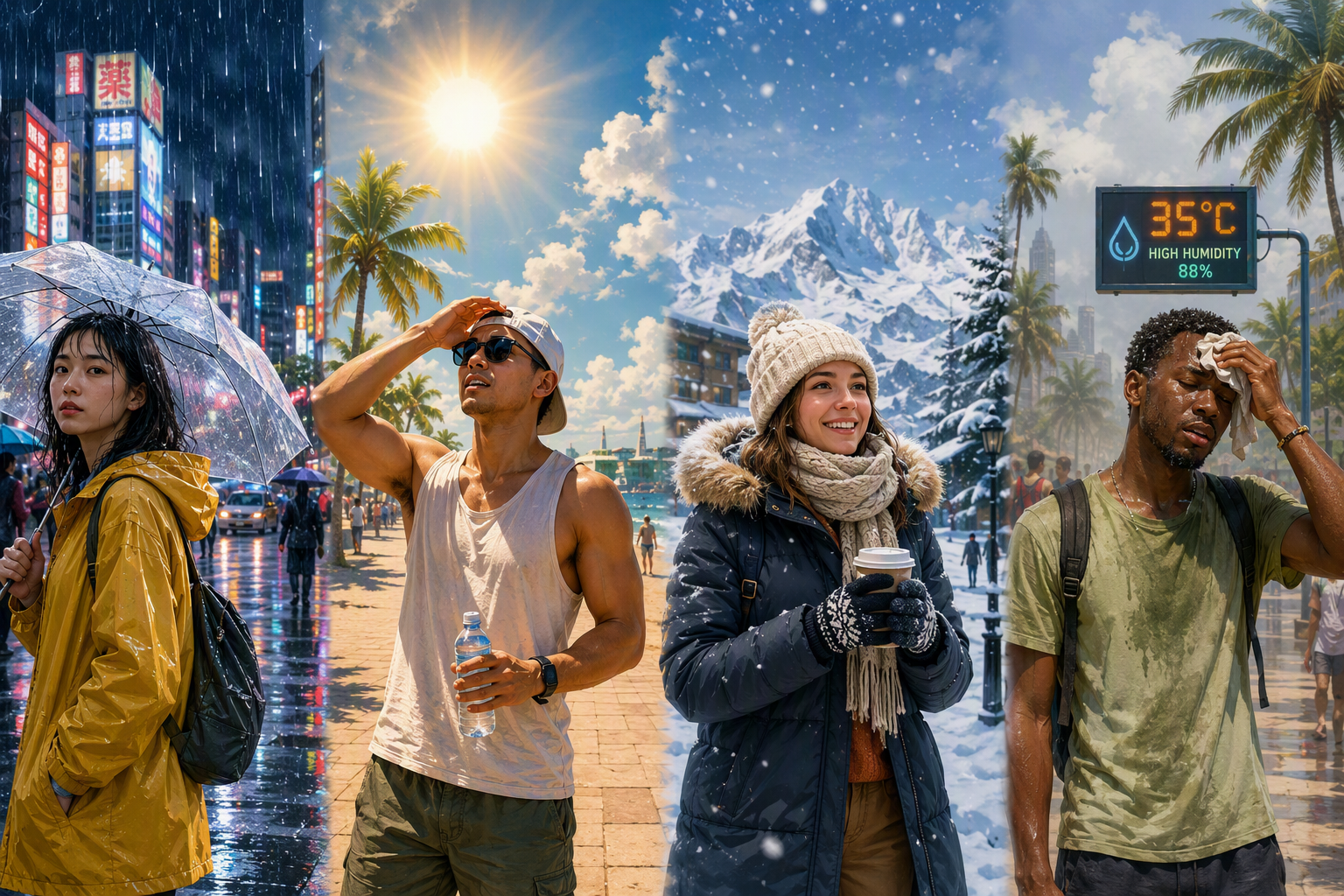
- Weather changes can impact human health in both clear and hidden ways.
- Extreme heat can lead to health risks such as dehydration, heat stroke, and trouble with the heart.
- Cold weather, cold air, and low humidity can bother your breathing and lower your body’s natural defenses.
- Air pollution often gets worse in hot, still air and can cause breathing issues.
- Climate change impacts are making people face more extreme weather, poor air quality, and spreading disease.
- Children, older adults, pregnant women, and outdoor workers are at higher risk.
Table of Contents
Introduction
Weather changes do more than just decide if there is sun or rain each day. They can affect human health in many ways, and some of these you feel fast while others show up over time. A change in temperature, humidity, rainfall, or air quality can lead to health impacts, like breathing problems, drying out, headaches, issues with skin, and more stress. As climate patterns keep changing, these effects are getting more important. By knowing how weather changes and health are connected, you help protect yourself, your family, and the quality of life.
Understanding Weather Patterns in India
Weather patterns in India change at different times of the year. There are hot days, cooler months, rainy times, and high humidity. All of these can shape daily life for people. These changes may affect how comfortable you feel, when you travel, how you work, and your health.
At the same time, strange weather and bigger climate change impacts can make these changes feel stronger. Sudden changes in heat, rain, or air quality can bring breathing problems, dehydration, infections, and tiredness. To understand these health problems, it is good to look at seasons, bad events, and recent weather movement more closely.
Overview of Seasonal Variations
Throughout the year, changing seasons bring different weather conditions. During hot months, there is more heat, and people sweat more. This leads to loss of fluid and can cause heat stress. In cooler times, skin and airways feel dry. When it rains, dampness is everywhere. There can be mold and still water, too.
These weather changes can be hard on your body. It has to keep adapting all the time. A quick change in cold air or rising humidity can mess with your body temperature. The way you breathe and feel can also change. When the weather shifts fast, you may feel more tired, get stuffed up, or feel sore. Sometimes, you feel this even before you get sick.
Climate change can make the weather feel less steady. Warmer temperatures, changes in rain, and stronger storms might make seasons feel longer or more intense. This means health effects could come at new places, or at times of year when people are not used to facing them.
Common Extreme Weather Events
Extreme weather is when the usual weather becomes very strong or dangerous. This can be heat waves, cold weather, storms, flooding, or heavy rain. These events can be a health risk right away. They can also cause problems later.
Some of the health problems that people can get from extreme weather are:
- Heat waves can cause heat stroke. They can also cause dehydration. The heart and lungs can feel more stress during this time.
- Cold weather can make it harder to breathe. It can also raise the risk of infections and cold stress.
- Flooding and storms can make it hard for people to get safe food, drinking water, medicines, and health care.
There is also a bigger impact. Extreme weather can mess up roads, power, phones, and hospitals. It can lead to stomach sickness when power goes out. It can be hard on mental health because of stress, loss, and being in unsafe places. So yes, weather really can change how you feel and be healthy.
Recent Trends in Indian Weather
Recent talks about weather now focus on climate change impacts. There are warmer days, changing rainfall, and stronger storms. These weather patterns match the bigger story. Global temperatures are going up and the weather keeps changing. For health, this means more days when heat stress is high, polluted air is more common, and infections or allergies come at new times.
You do not need a health emergency to feel these changes. A hot season that lasts longer, rain that is not regular, or sudden humidity can change sleep, hydration, breathing, and daily comfort. After many times, these conditions can add stress to both public health systems and your home.
| Weather trend | Possible health meaning |
|---|---|
| Warmer average conditions | Greater risk of heat stress, dehydration, and heat-related illness |
| Changing rainfall patterns | Higher chances of water contamination and stomach illness |
| More intense extreme events | Disrupted health care access, injury risk, and mental strain |
| Longer warm periods | More allergens, mosquitoes, and air quality problems |
How Sudden Weather Changes Impact Human Physiology
Sudden weather changes can cause quick health impacts. This happens because your body must adjust fast. A change in temperature, humidity, or air pressure can affect breathing, blood flow, hydration, and how you feel. That is why weather changes can feel physical, not just annoying.
Your immune system, blood pressure, and blood vessels all change when the weather shifts fast. Some people feel headaches, get tired, feel stiff, or have shortness of breath when this happens. The next parts will show how these changes have an effect on different body systems. You will also see why some people feel these things more than others.
Effects on the Immune System
Your immune system wants to be strong. It relies on your body’s protective barriers to keep you safe. Weather changes can cause problems. Cold air and dry air dry out and crack your mucus membranes. This can make it easier for viruses to get in, leading to health impacts.
Behavior matters too. When it gets cold out, people stay inside more. Then, there is less fresh air moving around. People are close together, so germs and infections can spread more easily. The weather doesn’t just affect the body. It also changes how often people get exposed to germs.
Humidity is important too. Low humidity can dry out your skin and the airways in your nose and throat. High humidity can help mold, fungi, and things that make allergies worse grow. All these changes can make you feel tired, stuffed up, or weak when the weather changes fast. It is worse if your body is not at its best and your natural defenses are down.
Changes in Cardiovascular Response
Your heart and blood vessels feel changes in temperature fast. In hot weather, the body needs to work more to cool itself. This puts extra strain on the heart and blood vessels. It can be more serious during heat waves or times when high temperatures last longer.
Cold weather can change blood pressure. It causes the blood vessels to narrow. This makes the heart have to work harder to push blood through the body. When you have cardiovascular diseases, this can cause more discomfort. People may feel tired or even face bigger health problems because of it.
Rapid changes in the weather can feel harder for you than steady weather. When the weather swings fast, your body does not have enough time to get used to it. That is why sudden changes in weather can hit human health so much. Older adults, people with heart problems, and those who take some medicines may feel these effects quicker.
Respiratory System Reactions
Weather changes can affect the way our lungs work. When it is cold, the airways get sore. Dry air can make the nose and throat not work well to catch germs. This can lead to more coughing, stuffy nose, and shortness of breath for some people. Cold weather and other changes in weather can be hard on respiratory health.
Hot, still days make air pollution get worse. This happens more in parts that already have dirty air. The level of ground ozone also goes up. Smoke from wildfires and fine particulate matter can move far from where they start. They can make airways feel sore even for people who live away from the fire.
So, it’s not a myth. The weather may not be the thing to cause infection by itself. Still, it can make the air harder to breathe and raise the chance to get sick. People who have asthma or lung problems, and children, older adults, plus outdoor workers feel these changes more than others.
Health Problems Linked to Weather and Climate
Weather changes and climate change can cause many health problems. Some happen fast, like heat exhaustion or problems with breathing. Others get worse slowly. This can be seen in longer allergy seasons, skin issues that keep coming back, or being around bad air quality more often.
These health risks are real. Weather can make existing problems worse or happen more often. It can also bring new dangers where people did not have them before, or at times when they did not expect them. The ones people face most often are breathing problems, skin issues, and food or water-related infections.
Respiratory Illnesses
Respiratory conditions are some of the most common health issues that come with weather changes. Cold weather can make the airways feel irritated. Dry air can make the mucus membranes weak. These membranes help you trap viruses and particles. If they become weak, you can be more likely to get a cough, a cold, or a flare-up.
Air quality is important. Warmer temperatures and still air can make smog and ozone worse. Fine particulate matter from smoke, dust, or burning fuel gets in the air. It can make lungs feel sore. More people go to the hospital for breathing problems, especially those who have asthma or chronic lung disease.
Weather will not always make you sick right away, but it can make you feel bad or catch illnesses more easily. It can change how you face germs, how your body fights sickness, and how you breathe. This is why breathing problems often go up when the season changes, on days with dirty air, or when it is much hotter or colder than usual.
Skin Disorders
Your skin will feel changes in the weather before other parts of your body. Cold air and low humidity can dry out your skin. When there are high temperatures and high humidity, you may sweat more. This can cause your skin to feel irritated and lead to problems from too much moisture. All of these changes can make the skin barrier weaker. Then you feel more discomfort.
Common weather-linked skin disorders include:
- Skin can get dry and cracked when the air is cold and there is not much moisture.
- When it is hot, there may be heat rash or skin gets irritated.
- In places with high humidity and dampness, the skin may have fungal growth or feel irritated.
The risk goes up when weather changes fast and you do not change your routine. If you drink enough water, wash away sweat and things from outside, and take care of your skin after bathing, you can lower many of these effects. Simple ways to stop problems usually make a big difference.
Food and Waterborne Diseases
Climate change impacts are a big part of worries about water quality and food safety. When higher temperatures happen, there is more chance that bacteria will grow in food. This can make foodborne diseases more likely. Foodborne diseases often make people feel sick in the stomach or get diarrhea. If the illness is bad, health impacts can be even more serious.
Heavy rain can make water unsafe to drink or use for fun. Too much water from storms can cause flooding or wash dangerous stuff into lakes and rivers. This can add bacteria, viruses, parasites, bad algal toxins, and chemicals to the water. If water systems break or get too crowded, people can get sick when they use the water. Because of that, stomach illness is one of the biggest problems people face when bad weather hits.
There is a worry about what will happen later, too. The climate keeps changing, so contamination and exposure may show up at other times of the year. You may also see them in new places. Waterborne bacteria and toxins can get into spots where the risk was not high before. This gives us a public health problem that needs to be watched, and we must be ready for it.
Effects of Extreme Heat on Health
Extreme heat can put stress on your body right away. When there are heat waves or high temperatures, you lose more water. Your heart has to work harder. It is not easy to stay cool in this weather. This can bring several health risks.
The danger goes up when heat comes fast or stays for a long time. People can get dehydrated or have heat stroke, breathing trouble, or feel sick if they have a long-lasting illness. Urban areas feel hotter since there are so many built surfaces. These hold heat and can make heat-related problems worse. The sections below will tell you about the main effects and how you can lower your risk.
Heatstroke and Dehydration
Heat stroke and dehydration are serious problems that can happen in high temperatures. When your body loses too much water, or cannot cool itself right, it stops being able to keep its temperature normal. This can turn into an emergency fast, mainly during heat waves.
Key problems linked to intense heat include:
- Dehydration happens when they sweat too much and lose fluids.
- Heat stroke can occur if the body temperature gets too high.
- There is exhaustion that puts strain on the heart, lungs, and brain.
These risks can happen indoors too, not just when you exercise outside. People who live in hot homes or crowded cities, or people who don’t have cooling in their house, can feel the heat as well. Older adults, children, pregnant women, outdoor workers, and anyone who has some health problems might have more problems with their body temperature when it gets hot. That is why it’s good to pay close attention early and take action when needed.
Worsening of Chronic Diseases
Heat waves can make chronic illness worse. They put extra stress on body systems that are already weak. Your heart has to work more to help the body lose heat. You can lose fluids, which can change how blood moves, how your kidneys work, and how steady your body feels. For people who have cardiovascular diseases, this extra pressure can be risky.
The health impacts can be worse for people who have trouble moving, low income, or no air conditioning. Some medicines can make it hard for the body to handle heat, so they may have more problems in long hot times.
Older adults can be at risk when it gets very hot, but they are not the only ones. People who have to deal with ongoing health issues, pregnant women, outdoor workers, and people working in hot places indoors can have trouble, too. Extreme heat may not feel the same for everyone. That is why it is good to think ahead and be ready.
Managing Outdoor Activity Risks
If you stay outside in high temperatures for too long, you face more health risks. Outdoor workers, student athletes, and others who run errands or work out can be exposed to the heat for many hours. Sometimes, there is not much shade or cooling. It helps to plan ahead. This can lower your risk of getting sick from the heat.
Useful preventative measures include:
- Check the forecast to see when the hotter parts of the day will be. Get ready for when it gets warm.
- Drink water often, even if you do not feel very thirsty.
- Dress for the weather. Cover areas where the body loses a lot of heat.
- Watch how you feel. Slow down if you feel dizzy, weak, or sick.
These steps may feel easy, but the simple things count. Heat problems do not come up fast. Usually, they grow slowly each day. If you move early, you can cut down stress for the body and stop bigger problems. Getting ready is even more key for those who have health issues or not much access to cool places.
Effects of Extreme Cold on Health
Cold weather can hurt the body in ways that many people do not think about. Low temperatures can make it harder to breathe. They can also slow blood flow, dry out skin, and cause you to feel more tired. This time of year, people spend more time indoors, which can make them get sick from germs more easily. Cold weather also puts extra stress on the immune system.
The health impacts can be anything from feeling a bit uncomfortable to dealing with problems that need quick help. If you are around cold air for a long time, you might get hypothermia or frostbite. Being inside with dry air and crowded rooms can also make it easier to get sick. Some people feel more stiffness, feel sore, or move less in cold weather. Knowing more about health impacts from cold helps us handle these risks better.
Hypothermia and Frostbite
When you are in cold weather, your body can lose heat faster than it can keep up. If you stay in low temperatures for a long time, you can end up in trouble. Wet or windy days can make it worse because the body’s normal way to protect itself will not be enough. This can cause you to get hurt from the cold.
The most important cold emergencies include:
- Hypothermia happens when the body’s main temperature is too low.
- Frostbite is when skin and the parts beneath it get hurt from strong cold.
- Cold stress is common in snowy or icy weather, and wet clothes can make you lose heat faster.
These risks get higher if you stay outside too long. It can also happen if you don’t wear the right clothes for the weather or can’t warm up fast. You need to cover your head, fingers, toes, ears, nose, and mouth. This helps your body hold its heat. It is important to act fast because cold injury can happen slowly. You may not feel how bad it is until it gets much worse.
Increased Risk of Infections
Low temperatures and cold air can cause some health risks for your respiratory health. When the air is cold and dry, it can make your nose and throat feel itchy and sore. This can make it harder for you to stay healthy. Cracked membranes in your nose and throat may not block viruses as well. This lets germs get into your body more easily.
Second, people like to stay inside when it’s cold. More people be in the same room and there is less fresh air. This lets germs move around quickly. That is why cold and flu happen at the same times every year in many places.
When the cold weather comes, your immune system can feel more stress. The body has to work hard to stay warm. This does not mean that cold weather will cause every sickness. But, it can raise the chances of getting sick. Cold weather may lead to changes that make the immune system weaker. People are more likely to get respiratory infections in this time. The risk gets higher if defenses drop, people gather indoors more, and they get exposed to germs often.
Impact on Joint and Muscle Health
Many people feel joint pain or muscle pain when cold air comes in. It is not the same for everyone. Some feel worse joint pain or stiffness as cold air, humidity, and changes in air pressure can affect how tissues feel. This is true for people who already have problems with chronic pain.
Possible cold-related health effects include:
- Joint stiffness can happen when it is cold or damp outside.
- Muscles feel tight when the body is tense and trying to keep warm.
- You feel less comfortable because blood vessels get narrow and how blood moves changes.
This is why changes to weather can feel like something in your body. When blood vessels get tight in cold, the tissues may get less warmth and feel less easy to move. In the winter months, people often move less. So aches can feel stronger. If you feel pain when the weather shifts, try to notice when it happens. This way, you can get ready for it.
Influence of Monsoon and High Humidity
Monsoon periods and times when the air has high humidity can affect the way your body feels and how illness spreads. Damp air makes it harder to breathe. It also means you feel more tired and it helps mold, fungi, and other allergens grow. These are health impacts. They are real and not just about feeling uncomfortable.
Rainy weather can make standing water gather. This can also lead to dirty water. It can make the chances of asthma attacks go up. It may cause skin problems and let more water or insect bugs spread different illnesses. To see how this works each day, you need to think about allergies, diseases spread by bugs, and problems caused by fungus on their own.
Allergies and Asthma
High humidity can make it tough to deal with breathing problems. This is true for people who have allergies or asthma. The air is heavy when it is moist, and damp places help mold and fungi grow fast. That makes wheezing, coughing, or a tight feeling in your chest get worse.
Weather and climate change can also make allergens in the air worse. Warmer temperatures and more carbon dioxide in the air make some plants flower sooner. Pollen stays around for a longer time. There is also more pollen in the air. This means people can be exposed to allergens for a bigger part of the year.
If you have asthma, you need to know about overlapping triggers. Humidity, pollen, mold, and bad air quality can make symptoms worse when they work together. Children, older adults, and people with chronic lung disease may feel these effects more. This is true in rainy times and warm, still air.
Spread of Vector-Borne Diseases
Monsoon-like times with lots of rain can cause more health risks. This is because standing water helps mosquitoes to grow and spread. Factors like temperature, rain, and big storm events decide where mosquitoes can live. These factors also affect how active they are and when diseases start to spread in the year.
Climate-linked changes can support:
- Some disease-carrying insects can be found in more places.
- They start to show up earlier in the year when warm weather comes sooner.
- Mosquito numbers go up when rain and water temperatures help them breed.
This can cause health problems that last a long time. When climate changes, diseases that come from mosquitoes and ticks can show up in new places or at new times of the year. But the real risk still depends on things like how the land is used, how pests are controlled, if people can get health care, and how fast public health teams act.
Fungal Skin and Respiratory Conditions
High humidity during the monsoon is common and often makes skin problems and breathing issues worse. The moist air lets fungi grow on the skin and indoors. This can cause irritation, itching, and discomfort. It is worse when sweat stays on your skin or if you wear damp clothes.
Humidity can be bad for your respiratory health. Mold and fungi grow more when the air is damp, and they can float in the air inside your home. If you are sensitive to things in the air or have asthma, a wet place may make you cough more, feel tight in your chest, or feel shortness of breath.
So yes, weather changes can make people feel sick in clear ways. The weather is not a virus. Still, it shapes how people feel and can bring on symptoms and spread things that make us feel bad. Humid times are a good example. In those times, the environment and health are closely tied to each other.
The Connection Between Air Quality and Weather
Weather can really change air quality. When it’s warm and there is little wind, pollutants stay close to the ground. This makes air pollution worse. Things like smoke, ozone, and particulate matter are then harder to get away from, especially in places with lots of people or many buildings.
These shifts have real health impacts, like trouble with breathing and added stress on the heart. The urban heat island effect makes cities warmer than other places near them. This can lead to more heat stress and more exposure to pollution. Because of this, sudden weather changes matter. Hot, calm days often cause worse symptoms for people who have asthma, heart disease, or other long-lasting health problems.
Particulate Matter and Breathing Problems
Particulate matter is made up of small particles and drops in the air. Dust, wildfire smoke, and sea spray are some sources. Some tiny particles also come from burning fossil fuels and reactions in the air. These small particles can go deep into the lungs.
Breathing in particulate matter can lead to:
- Shortness of breath can happen and your airways may feel irritated.
- Asthma or other breathing health problems can get worse.
- There can be a bigger risk of bad lung and heart illness later on.
This is why weather changes are important. Wind, rain, heat, and still air decide where small things in the air move and how long they last. Weather does not cause all problems, but it can make exposure worse. It can also make symptoms stronger or show up more often.
Urban vs. Rural Air Quality Concerns
Air quality is not the same in all places. Urban areas are warmer than rural areas. Buildings, roads, and other things in cities soak up and keep heat. This makes the heat island effect worse. Air pollution gets stronger when there are heat waves, and this hits people in cities harder.
Keywords: air pollution, heat island effect, heat waves, urban areas, air quality, urban heat island effect
Rural areas do have more green space and less pollution from traffic. But this does not mean that they are always safe. Smoke from wildfires, dust, and things that cause allergies can still be a problem. Changes in wind can also make it hard to breathe. Children and older adults in both city and country areas can get hurt by bad air.
| Setting | Common air quality concern |
|---|---|
| Urban areas | More trapped heat, more traffic-related pollution, stronger stagnant-air episodes |
| Rural areas | Exposure to dust, smoke drift, allergens, and fewer nearby health services |
| Areas with more green space | Some cooling benefit, but not full protection from regional pollution or smoke |
| Hot built-up neighborhoods | Greater combined exposure to heat and polluted air |
Steps to Minimize Air Pollution Effects
You cannot control the weather or where air pollution comes from. But you can cut down how much you are around it. This matters a lot on hot days, smoky days, or when the air does not move much. On these days, health risks go up for people that have lung or heart problems.
Helpful preventative measures include:
- Check the air pollution level each day. Try not to spend much time outside if the air is bad.
- Watch for signs in your breathing. A cough, chest tightness, or shortness of breath may mean something is wrong.
- Stay inside when the air outside is not good, even if you usually like fresh air.
- If you have asthma or another ongoing problem, make sure you have your medicine and plan ready.
These steps may be easy, but they are most helpful when you start using them early. Pollution problems get worse if you keep getting exposed. Kids, older adults, people who work outside, and anyone who has trouble breathing should be extra careful when weather conditions keep dirt in the air near where people can breathe.
Who Is Most Vulnerable to Weather-Related Health Issues?
Not all people feel the same risk from weather changes. Health impacts happen based on how much you get exposed, how sensitive you are, and if you can adapt. Some groups are more at risk, so they feel health impacts from weather changes faster or harder than others.
Children, older adults, outdoor workers, pregnant women, and people with chronic illness are at the most risk. If people have a low income, a disability, or face language problems, risk gets higher. Risk also goes up if there is little access to cooling, shelter, or health care. The next parts show how these groups feel the effect in daily life.
Children and Adolescents
Children and teenagers face more health risks from the weather. This is because of how their bodies grow and how they act. They are still growing, and they spend more time outside. They play, go to school, and take part in sports. This means they have more contact with heat, cold, bad air quality, and things that cause allergies.
Key reasons for higher risk include:
- A growing immune system reacts more when the body faces changes from outside.
- Kids often spend more time outdoors even when it is hot, cold, or when there is the pollution in the air.
- They might find it hard to spot signs like feeling thirsty, getting too hot, or trouble with breathing early on.
Weather changes do not just make us feel uncomfortable. A child can get too hot, lose water, or feel out of breath quicker than you may think. This means caregivers need to pay close attention during heat waves, smoky days, and times when seasons change fast. Helping early can stop bigger problems from happening.
Elderly and Individuals with Chronic Illness
Older adults can face more health risks when the weather gets bad. They may feel changes in temperature more than others. They can be more sensitive to air pollution, and other things in the air that are not good. Many older people also live with less movement, or have a disability. Some do not have much money, and this can make it hard for them to deal with tough weather.
People who have long-term illnesses often deal with the same problems. Heart disease, lung disease, and other health issues can get worse when there are heat waves. Cold weather and poor air quality also make it harder on them. Bad storms can disrupt their routine. Some medicines change how the body controls its temperature.
Access is important too. If the roads have damage, power goes out, or there is not much transport, it gets hard to get health care, medicine, or medical gear. Older adults and those who manage chronic problems need weather plans. A small hold-up for care can turn into a big issue.
Pregnant Women and Outdoor Workers
Pregnant women and outdoor workers deal with extreme weather in different ways. Pregnant women might not be able to control their body temperature well during extreme heat. Outdoor workers have to be out in the sun, humidity, smoke, or cold for many hours.
Higher-risk situations include:
- Pregnant women during heat waves or big floods
- Outdoor workers who stay in extreme heat for a long time
- Workers like firefighters, transport staff, and emergency responders when there is smoke or strong weather
These health impacts are linked to how much you are around heat or tough conditions. A healthy person can feel the effect too if things get very tough. If there is not enough rest, shade, water, or a safe spot to stay, the body can have a hard time. Preventing problems should start early for these groups. Do not wait until you feel bad or when your body is already stressed.
Everyday Weather Effects on Well-Being
Not every health issue caused by weather is big. Some happen in simple ways that still matter to your quality of life. Weather changes can affect the way you feel, your sleep, your mood, your hunger, your stomach, and your energy. These things happen without leading to a big sickness.
These changes in weather patterns can affect your mental health. A dark day, a hot and still one, or a sudden change in air pressure can make you feel cranky, worn out, confused, or sore. Many people ignore these signs and do not realize how much daily weather patterns can change how they feel and work.
Headaches and Migraines
Some people get headaches or migraines when the weather changes fast. A shift in air pressure, humidity, or temperature can affect the sinuses, blood vessels, and nervous system. Because of this, you may feel symptoms before a storm or a drop in temperature.
Common weather-linked complaints include:
- Headaches that happen when air pressure changes fast
- Migraines that come with sudden shifts in weather conditions
- Joint pain or stiffness that gets worse when the weather goes through changes
These reactions do not affect every person. But the reactions are common, so people need to pay attention. If your body is sensitive to temperature changes or shifts in air pressure, you might feel them before the sky starts to change. You should keep a note of your symptoms and also look at the weather forecast. This let you find patterns and stops surprise trouble.
Changes in Mood and Energy Levels
Weather changes can have an effect on your mental health, even if it feels small. When there are days or weeks of cloudy or very bad weather, you may feel less awake, less motivated, or like your mood is not steady. You could feel more stress if your daily routine gets thrown off, if travel is not safe, or if you feel too hot or too cold where you live.
Some people feel their mood shift as the seasons change. Seasonal affective disorder is one reason that this can happen. But even if you do not get this diagnosis, you may feel less energy or find it harder to do daily tasks at some times of the year. When it is hot in summer, the heat can also change your mood. This is more likely if you are not sleeping well or feel less comfortable during these times.
There is the bigger picture to think about too. Extreme weather can bring a lot of stress. It may cause sadness or feel like trauma for some people, mainly if they lose their home, daily life, or someone they love. The nonstop news about climate change can also make many feel stressed. Weather affects not only the body. It can change the mind as well.
Digestive Health Fluctuations
Digestive health can change when the weather gets hot, but many people do not notice this. When it is warm, you can lose water from your body more quickly. This can make you feel not so good. High temperatures also help bacteria grow faster in food that is not safe. Because of this, there is a bigger risk of getting sick from what you eat.
Rain and flooding can cause more issues. When water gets dirty from storms or runoff, it can lead to stomach and intestinal illness. Power going out may also make food storage unsafe. This raises the risk of gastrointestinal problems during and after extreme weather.
The things you do each day matter. Staying hydrated is good for you. A balanced diet with fresh fruits and vegetables helps as well. These habits can make you feel better when there are weather changes. Food cannot control what the weather does, but it can help your body feel less stress. It also helps lower some common problems that come with each season.
Practical Ways to Protect Against Weather-Related Health Problems
You can not stop weather changes, but you can lower your health risks with steady habits and good timing. Small steps often help most when you use them before any signs show up. This is true during sharp shifts and extreme weather.
The main goal is to help your body adjust and to know when you may need health care. It is good to look at the weather forecast, drink enough water, wear clothes that fit the day, and pay attention if you feel something is wrong. These steps can make a difference.
The next two parts talk about how to stop problems before they start and when to ask for health care as the best choice.
Preventative Lifestyle Measures
Good prevention is simple and steady. It is harder to manage weather issues when you feel tired, have not enough water, do not eat well, or things catch you off guard. This is why doing things every day is important.
Helpful preventative measures include:
- Check the forecast so you can get ready for cold air, dry weather, heat, or storms.
- Stay hydrated all year, not just in summer.
- Eat a balanced diet with fresh fruits and vegetables to help your health.
- Make sure to get enough sleep. Keep moving. Go for routine health care like screenings and shots.
These actions do not get rid of all risks, but they help make you stronger. Use a moisturizer on your skin. Change your clothes if you have been outside. Keep things like over-the-counter relief close by. These can help you feel better. If you prepare early, your body can deal with the stress from the season. It will not feel as overwhelmed.
When to Seek Medical Advice
Sometimes rest and staying at home can help. But there are times when weather-related health issues need a doctor’s advice. This is true if the signs are very bad, start fast, or get worse after the weather changes instead of getting better.
Watch for warning signs like trouble breathing, ongoing shortness of breath, feeling very weak, not thinking clearly, heat stroke, or signs of hypothermia. Pain in the chest that does not go away, asthma gets worse, severe dehydration, or if you keep having stomach illness after flooding, all need quick health care.
Do not wait if you are part of a higher-risk group. Older adults, kids, women who are pregnant, and those with a chronic illness can feel worse quicker during extreme weather or when the air quality is bad. Getting early medical help may stop a small problem from becoming a big emergency.
Conclusion
Knowing how weather changes affect human health is very important to stay healthy. Weather conditions can lead to several problems like trouble with breathing and a higher chance of getting sick for a long time. The way temperature goes up and down or the seasons shift can bring real changes to our lives. That is why we must look after our health, look out for people who need more help, follow simple steps to stay safe, and keep an eye on air quality.
You should keep your health as a top thing to care about when the weather changes. This helps you be ready to face problems that may come up. If you want to feel good and strong while weather changes, feel free to ask for help or talk to a doctor. Remember, your well-being always matters most!
Can weather changes actually make people sick?
Yes. Changes in weather can bring real health impacts. They can bother your airways, dry out the thin layer of mucus that keeps you safe, expose you to more germs, and make air pollution worse. Cold weather, heat, humidity, and storms each raise health risks. This is more of a problem for people who have asthma, heart disease, or weaker body defenses
Why do some people get joint pain or headaches when the weather shifts?
Some people feel changes in the weather, like air pressure, humidity, and temperature. These things can cause their blood vessels to react. Their sinus pressure, muscle tension, and body temperature can change too. When the weather swings quickly, you may feel joint pain, stiffness, headaches, or migraines. These problems feel stronger when the weather changes fast.