Key Highlights
- Health screenings help young people spot health risks that do not show symptoms yet.
- Preventive care is more important now. Stress, poor diet, and not being active can affect health.
- Early detection of high blood pressure, blood sugar, and high cholesterol helps to get timely treatment.
- Regular screenings guide people to make lifestyle changes. This protects their long-term health.
- Cancer screenings and sexual health tests may be needed. It depends on age, sex, and risk factors.
- A simple screening schedule lets young people have more control over their health in the future.
Table of Contents
Introduction
Many people think that if they feel fine, they are in good health. This idea can be risky, especially for a young adult dealing with work, study, stress, and changing habits. Health screenings are a useful part of preventive care. They help find silent problems before they get bigger. Issues like high blood pressure, diabetes, and some cancers can start without any signs. A check-up now lets you know your health status and helps you make good choices early.
Understanding Health Screening for Young Adults
Health screenings matter more for young adults now. Many health issues show up earlier these days and not just later in life. A fast routine, stress, poor food choices, and not enough activity can make health risks go up sooner than you think.
At the same time, preventive care helps you take steps before things get worse. In health care today, screenings let you find problems early and stay ahead. The next parts tell what screenings are and why changing how you live is important.
What Is a Health Screening and Why Does It Matter?
A health screening means having checks or tests to find health issues before you feel sick. These health screenings are different from tests you get when you have symptoms. They are part of preventive health care for people who look healthy and feel fine.
Some screenings are easy, like blood pressure checks. Others might need blood tests, scans, or checking how organs work. The goal is early detection, especially for problems that may not show signs right away. This helps health services because you can start treatment sooner.
Many young people live in ways that may raise their risk factors for health problems. They often do not notice these risk factors. If a problem is found in its early stages, it is easier to treat and the treatment can work better. Treatment is also less hard on the body when conditions are caught early. This is why regular screening is such a good step.
Changing Lifestyle Factors Affecting Youth in India
Today’s youth deal with lifestyle factors that can change their health over time. Long work hours, less movement, poor sleep, and processed food can lead to health problems. These things can affect blood sugar, cardiovascular health, and weight. Often, these issues do not show clear signs at first.
There are also risk factors that can build up as time goes on.
- High stress can hurt mental health and change daily habits.
- Substance use, like alcohol and smoking, may be a problem.
- Drug use and some other actions put stress on the body for a long time.
- A routine with little movement or exercise can also have an impact.
Health screenings are now more important for young people. Sometimes, you feel fine but there may be hidden issues. A screening helps you check your health status. It lets you see if your habits are already hurting you. If needed, you can make changes to get better.
Why Health Screenings Are Becoming More Important Today
Health screenings be important now because risk factors show up in the young adult age group. The way people live now often bring more stress, less movement, and poor food choices. This can make medical conditions happen, even when you do not feel any signs. It is good to get health screenings to know about these risk factors for your health.
Preventive care lets you find changes in your health before they turn into big health problems. This is what makes preventive services so important. You do not wait for signs. You use screening to see how things are going now. There are two main reasons for this: more people now face lifestyle disease, and early action can help a lot.
Increased Prevalence of Lifestyle Diseases
Lifestyle diseases are not just a problem for older adults. These chronic conditions can show up earlier if your daily habits are not good. A poor diet, lack of exercise, drinking alcohol, and dealing with stress every day can raise risk factors.
Problems like high blood pressure, diabetes, and high cholesterol do not show up fast. The signs grow slow, so people may not notice them. Many feel good even when these health problems are there. When symptoms happen, the body may already have some damage.
This is one reason why health screenings are getting more important for young adults these days. Screening can spot changes in your body before they get tough to deal with. It shows healthy people what their health status is and gives them a chance to make practical changes early.
Early Detection and Prevention Strategies
Regular screening can help you stay ahead of health problems. It finds warning signs early. With early detection, you can spot raised blood sugar, high blood cholesterol, or blood pressure that is not in the normal range. These checks happen before the issues turn into something more serious. You get more time to make changes and look after your health.
Once the concern is found, preventive care can be more focused. You can start with lifestyle changes. You can do follow-up checks and get timely treatment. You use real results to guide what you do. This is easier than to deal with a crisis later. Early intervention can help you avoid treatments that are more invasive.
The best thing about early checks is better health outcomes. When issues are found early, the chances of successful treatment go up. For young adults, this helps keep them healthy now and lowers health risks later. It is also good to know which tests are most important in your 20s and 30s.
Essential Health Screenings for People in Their 20s and 30s
For people in their 20s and 30s, it is important to have health screenings done. The most important checks are the ones that look for common health conditions you may not feel. These extra steps help track your blood pressure, blood sugar, and cholesterol. Early changes in these can affect your health over your whole life.
Some people may need cancer screenings or sexual health tests. This can depend on sex, medical history, and their risk factors. The checks are not because you should think something is wrong. They are to help you get good info early.
The sections below show the main tests you should know about.
Blood Pressure, Cholesterol, and Blood Sugar Tests
Three of the best screenings for young people are blood pressure, cholesterol levels, and blood sugar checks. These are good health indicators. They can show risk early, even if you feel fine. These blood tests and checks are common. They do not take much time.
High blood pressure is known as a silent killer. This is because it may not show any signs. Checking blood sugar can help find diabetes or prediabetes early. Cholesterol levels can show the risk of heart disease. They do this by checking the fat in your blood.
| Screening | What it helps detect |
|---|---|
| Blood pressure | Hidden high blood pressure and strain on cardiovascular health |
| Cholesterol test | High cholesterol and possible artery-related heart disease risk |
| Blood sugar test | Diabetes or prediabetes before complications develop |
These tests help you see where you stand now. They show what is going on and help guide what to do next if you need to make changes.
Cancer Screening and Sexual Health Tests
Not all young adults need to take every test. Some cancer screenings and sexual health checks are important. It depends on your age, sex, and risk. These screenings are given to you based on your own facts, not just guesses. Your medical history is key in this.
Examples include:
- Cervical cancer screening with routine checks for women
- Breast cancer screening when your age or when higher risk factors make it needed
- Prostate cancer testing if your doctor says it is right for prostate cancer concerns
- Colorectal cancer checks when screening is recommended
- Sexual health tests when you need them or if your personal risk calls for it
These tests help with early detection and give you peace of mind. They can find issues that you may not know about. If you are not sure what you need, a primary care doctor can help. They will make sure cancer screenings and sexual health checks fit your needs.
Key Benefits of Regular Health Check-Ups for Young People
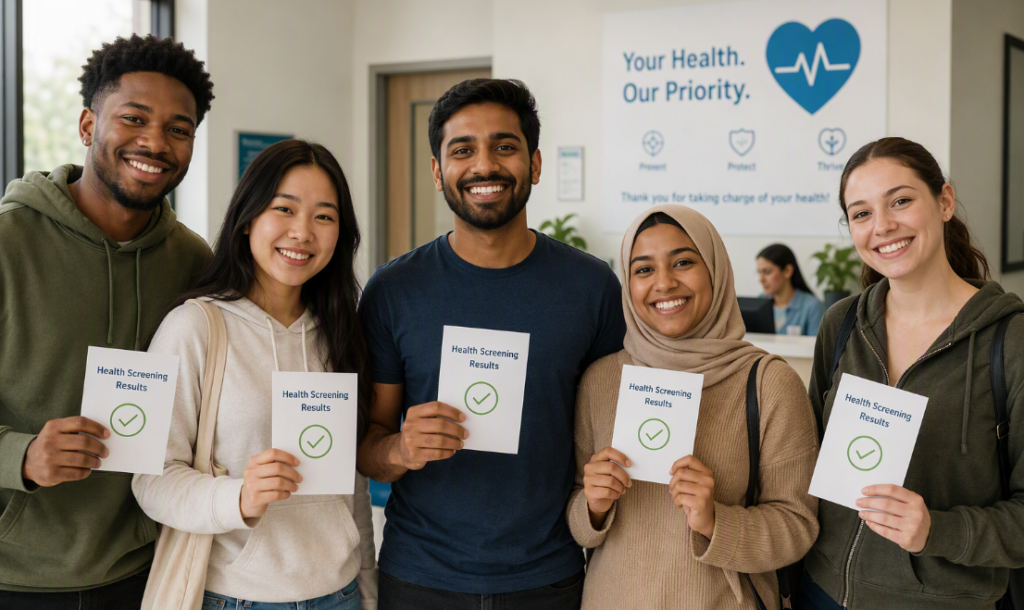
The main benefits of yearly health check-ups for young people begin with early detection. Regular screenings can spot problems before you feel sick. This helps you take action early and lowers health risks in the future.
There is value in being clear. Preventive care lets you know your health status, so you do not have to guess. This can help lower worry. It can also help you make better choices and stop small problems from growing. The next two parts will show how check-ups help you now and as you get older.
Detecting Hidden Health Risks Early
Many health problems start quietly with no clear signs. This is the reason screenings are good for you, even if you feel fine. Early detection helps find hidden issues before they get worse or turn into emergencies. This can catch things like high blood pressure, diabetes, high cholesterol, and some cancers.
These tests can also help you find risk factors that are linked to health problems later. For example, if your blood sugar or cholesterol is outside the normal range, it may show that your body is under some strain. You might feel fine and not notice any changes now. But your health status could still be changing without you knowing it.
Finding health conditions early helps you take control. You do not have to react late. You can make steps based on facts. This may mean you get more tests, change things in your life, or ask for medical advice. If you are a young adult, this can help you avoid problems later.
Building a Foundation for Long-Term Well-Being
Regular checkups do more than find sickness. The practice helps you create good habits that keep you healthy for many years. If young adults get to know their starting numbers soon, they can make good choices about food, exercise, stress, and later care.
Preventive care helps you keep a good quality of life as the years go by. By making small changes that you can stick to, it will be easier for you to stay healthy. You do not have to deal with sickness when it gets bad. When you use preventive care, you stay ahead and feel good, so you do not have to make up for problems after they start.
There is a money and feelings benefit too. When you catch problems early, the care can be simple. You may have less big medical bills later. Regular check-ups help give peace of mind. Knowing where you are with your health lets you plan, change when needed, and keep your future health safe. You feel more sure about the steps you take.
Guidelines for When and How Often Young Adults Should Get Screened
There is not one screening schedule that works for all people. The best time for health screenings will be different for each person. It depends on age, lifestyle, family history, and the medical conditions you have. Some checks are done each year. Others are done every few years.
That is why preventive health care is best when it fits you. The time to start and how often to go can change for each person. The next parts show when to begin screening and how to make regular visits easy for you.
Recommended Starting Age for Health Screenings
Young adults need to go for health screenings when they enter their early adult years. It helps to have routine checks that show how your health looks at the start. You should not wait until you feel sick. A lot of health problems can start quietly, so getting checked in your 20s is a smart choice for basic monitoring.
The right time for a checkup will be up to your family history, health status, and your habits. If you are in the high risk group because you smoke, drink, feel worried about weight, or your family has past with disease, you may need to be careful sooner.
In simple terms, it’s good to know your numbers early. Health screenings let you find changes before they get worse. A primary care professional will help you know which tests you need now or later.
Scheduling Annual and Periodic Medical Check-Ups
Young adults should think about health screenings each year. Many people find that a yearly check-up is good to keep track of their health status. At this time, you can talk about your health, share what worries you, and find out which tests you need. There are some health screenings that may need to be done more often or less, depending on the results.
Your primary care doctor or another qualified expert should help you set up your screening schedule. How often you need these screenings can change based on your age, the way you live, past screening results, and any health issues you have now. Preventive services work best when they fit your real risk.
A practical routine often includes:
- A yearly general check-up helps you keep track of your overall health.
- Periodic blood tests are good for checking blood sugar, cholesterol, or how your organs are working.
- Extra visits may be needed if you feel symptoms, there are new risks, or you had abnormal results in the past.
This way, you can keep doing things the same way. You do not have to do extra work.
Conclusion
Health screenings are important for young people. They help you stay safe and prevent health issues in the future. Many people get lifestyle diseases now, and younger people face new health risks. A regular check-up can catch health risks early. It builds a strong base for your long-term health.
You should start these health screenings when you are in your 20s. Keep checking your health as you move into your 30s. This helps you know your health status. By doing this, you take the right steps for good health and feel better. You should not wait for a problem to show up. Put your health first now.
If you need help that fits you, you can book a free talk with our health experts.
Is it necessary for healthy young adults with no symptoms to get screened regularly?
Yes. Health screenings let a young adult check if there are any hidden health issues, even if their health status looks fine. Preventive care is good because many problems show up without warning. Early detection can help you act fast, before symptoms start or things get harder to fix.
What specific health markers should young adults monitor during screenings?
Key health markers are blood pressure, cholesterol, and blood sugar. These health indicators can show changes in your body that are linked to heart disease or diabetes. They can also point out other future health issues. Keeping track of them when you get screened can give you a solid starting point. This helps young adults manage their health over time.
How can regular screenings prevent future health problems for young adults?
Regular screenings help to find health risks early before they become big problems. This means there can be early intervention, like treatment, follow-up visits, or changes in lifestyle. With preventive care, this leads to better health outcomes. It helps young adults stay away from complications, which can be harder and cost more to deal with later.