Key Highlights
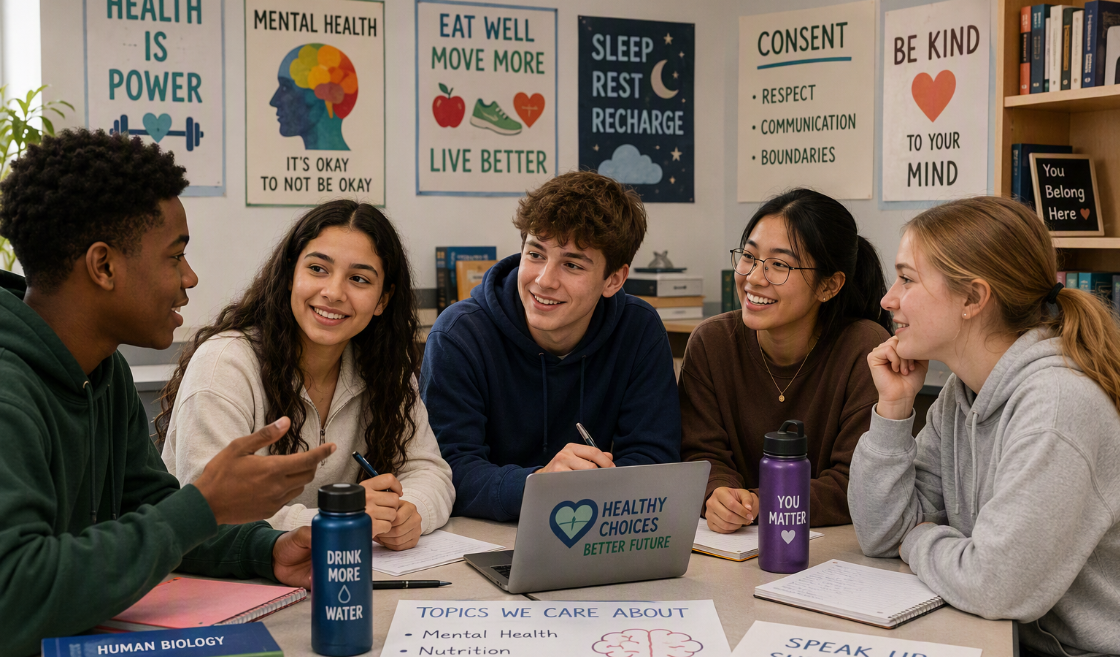
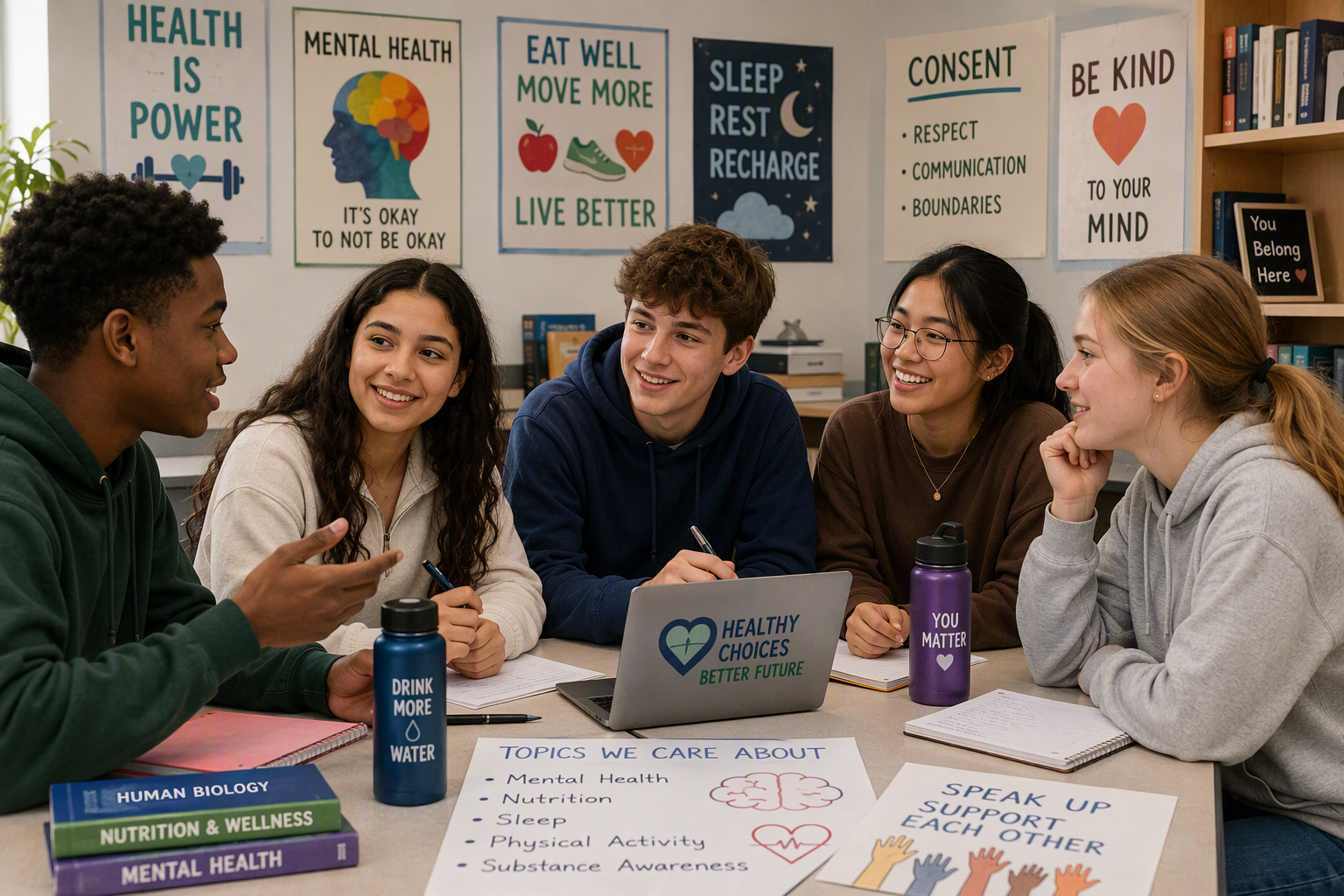
- Health education helps teenagers get useful knowledge so they can make better daily choices and improve adolescent health.
- Strong school health lessons help young people build healthy habits. These habits can stay with them as they grow older.
- It helps public health by lowering risky behaviors that hurt health outcomes.
- Good programs raise mental health awareness, help teens feel comfortable asking for help, and boost academic performance.
- Teens pick up skills that help with communication, healthy relationships, and preventive care.
- Quality teaching connects students with health services, trusted adults, and supports safer decisions.
Table of Contents
Introduction
Health education is important because the teenage years are a time that shapes how people live later. When schools teach clear and easy lessons for their age, young people learn skills they can use every day. This helps their adolescent health in the real world, not just in school. It improves public health too. Teens learn how to stay away from bad habits, ask for help when they need it, and build good health for their adult life. If you want students to be healthy, health education is a smart first step.
Understanding Health Education for Teenagers in India
Health education teaches young people that their choices matter in life and for their health later on. In school health programs, students get simple health knowledge. They build better attitudes about health. They also learn skills that help them live well.
For kids who are teenagers in India, this is important. Growing up changes a lot about their bodies and health. If health education starts early, it helps them learn good things, feel better, and build good habits for when they are adults. Health education can make their future health outcomes better. The next parts will tell you what health education includes and how it helps people.
What Constitutes Health Education for Adolescents
A strong health education program does not stop at some awareness talks. The the aim is to have a planned part of school health that gives teens clear lessons for their age. You get health knowledge, better attitudes, and new skills that help you in real life.
Good programs make sure students learn new things, feel the right way about a topic, and act on what they know. Each lesson should lead into the next. The order of lessons must fit what students need. Schools use tests to see if students really learn and use what they study.
This way helps with health promotion, not just by sharing facts but by focusing on skills. Teenagers need to know how to make good choices, ask their own questions, and deal with real-life problems. When health education is planned well, when students get the support they need, and when lessons stay steady, health education can be a real part of their everyday lives.
Current Trends and Challenges in Indian Schools
Many schools now put more focus on school health. But the big test is about quality. Education works well when schools use trained teachers, follow clear learning standards, and connect students to health services. Without these things, students may not get enough help or may feel lost.
The compiled guidance says that an official government organization like the CDC puts focus on good curricula, teacher support, family engagement, and community connections. These ideas help schools meet teenage health needs better.
| Area | What schools need to focus on |
|---|---|
| Curriculum | Use structured lessons with clear objectives and proper sequence |
| Teaching | Support qualified teachers through training and development |
| Student support | Connect learners to health services and trusted adults |
| Community role | Engage parents, caregivers, and community partners |
| Main challenges | Limited teacher confidence, uneven time spent on topics, and gaps between student needs and delivery |
Key Benefits of Health Education for Teenagers
Health education does more than just raise awareness. It helps teenagers make healthy habits. It can lower risky choices, and kids feel ready to ask for help when they need it. Research shows that good programs in schools give better health outcomes in many ways.
It helps teens feel good in their mind and do well in school. Teens who know about their own well-being often choose better things in life. They stay more focused in class and become healthier grown-ups. If you want to see how this works, begin with taking care of your body and stopping sickness before it starts.
Physical Well-being and Disease Prevention
Physical health gets better when teenagers learn about what risks to avoid and what steps to take. Health education helps disease prevention by offering students clear info they can use every day. This support early in life helps them make safer choices over the years.
Research shows that good school programs can help the students have better health outcomes. Teens get more ideas about health concerns, including things like sexually transmitted infections and problems that come from not planning a pregnancy. The students also learn that preventive care and healthy routines are important for their physical health for a long time.
- It lowers risky actions that lead to STIs, HIV, and unwanted pregnancy.
- It gets people to use preventive care and support early and with good information.
- It helps bring down substance use and tobacco use. These things hurt physical health.
- It helps build habits that make adulthood healthier and improve well-being.
Mental Health Awareness and Support
Mental health education gives teenagers tools to understand their feelings, stress, and when they need support. When schools teach about mental health, it can help students learn more about health and lower the stigma. This is important because when people stay silent, mental health problems often get worse and harder to handle.
Just as important, students learn that asking for help shows strength. Quality programs are linked to students getting help more for mental health problems. These programs also help open communication between young people and trusted adults who are important in their lives.
When teens know what’s going on and feel like people care, they can deal with things better. They feel ready to talk, and they feel like staying in school. These things are good for their whole life. Mental health education may not fix all problems, but it helps students feel safer to start with.
Empowering Teenagers Through Health Knowledge
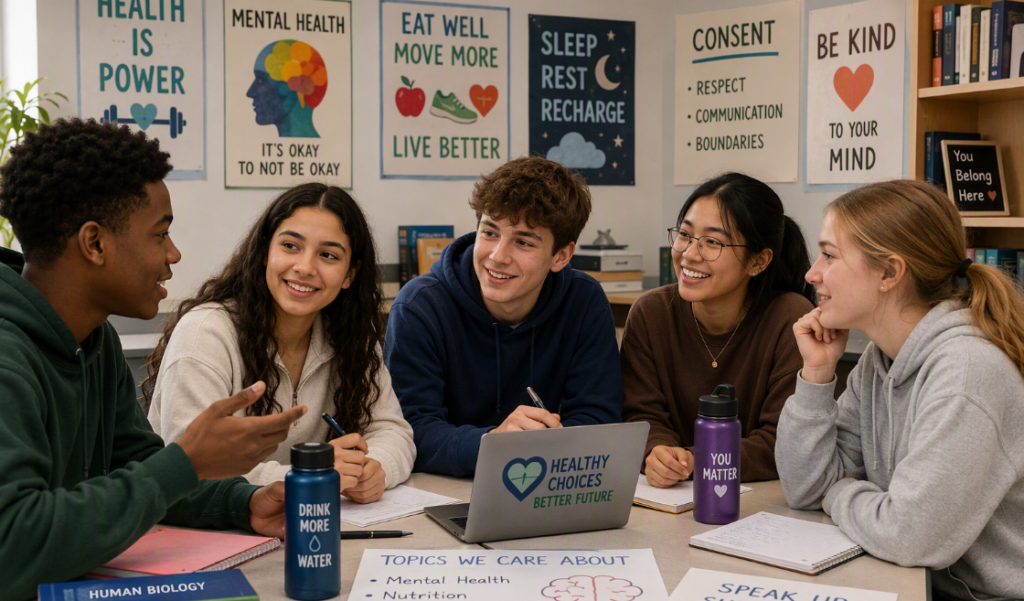
Knowledge brings confidence. When young people build health literacy, they can better see risks, look at choices, and pick safer actions. This can help them feel empowered. It helps them handle real situations with more clarity.
Health knowledge helps students to take charge of their health. It stops them from being passive. They do not just guess. They can ask questions and look for support. They can make smart decisions for themselves. The next two sections will show how this empowerment gets stronger. It comes through learning life skills and having better daily habits.
Building Important Life Skills
Health education helps teenagers learn more than facts. It teaches life skills. Teens can use these skills in school, at home, and when they are with friends. These skills help with social development. They also make it easier for people to make choices every day.
Students learn how to talk in a clear way. They understand where boundaries are, and build healthy relationships. They also practice planning ahead. This helps them make safer choices. It also helps them have better self-control. These skills are good for health and learning.
- Communication skills help teens to ask for help and to talk about what they feel.
- Decision-making skills show the way for them to deal with peer pressure and to handle tough situations.
- Relationship skills help with respect, trust, and make their interactions better.
- Help-seeking skills let them reach out to adults, use services, and find safer answers.
Encouraging Healthy Choices and Habits
Teenagers feel a lot of pressure every day. Not every choice they make is good for them. Health education helps them see how what they do each day affects their life in the long run. That makes it easier for them to choose healthy habits. They can also see which things could be risky and ask questions about them.
Research in school programs shows that good teaching can help cut down on tobacco use and substance use. It also helps students see how risky actions can lead to bad grades and poor health outcomes. This is important because the habits people build when they are young often stay with them as they get older.
With lessons that fit their age, students learn to make better choices instead of just guessing. They start to see healthy behaviors as something they can really do, not just ideas. Health education helps this happen, and that is why it is so important for stopping problems before they start.
Essential Topics in a Teen Health Education Curriculum
A good health education plan needs to be set up in a clear way. It should be right for the age of the students. It must follow strong learning standards. Students must get lessons that grow their knowledge, views, and skills step by step.
That often means teaching about sexual health and mental health, as well as other things that help people be healthy. Schools need to check what students know, so the health education program fits what students really need. There are two main topics that are important for teenagers and you should pay close attention to them. One is sexual health education and the other is mental health education.
Reproductive Health and Sexual Education
Sexual health education helps teenagers get the real knowledge they need before they feel pressure or get confused by wrong information. It helps with reproductive health. It teaches students about how their bodies change, what risks are out there, and how to make safer choices. When you start teaching early, it counts. Early sexual initiation can lead to more problems later, so health education makes a big difference.
Good teaching can help lower the risk that teens will take actions that lead to STIs, HIV, or unplanned pregnancy. It lets them know more about sexual health and the big health concerns that be part of it. If lessons be planned well, students feel ready. They do not feel scared.
- It gives the basics of sexual health and reproductive health.
- It helps stop or lower STIs, HIV, and pregnancy that was not planned.
- It helps people make smart choices before they do anything risky.
- It makes sure lessons meet set rules and focus on the key skills students need.
Nutrition, Exercise, and Personal Hygiene
Teen health education needs to talk about day-to-day habits that help us stay well for a long time. This should teach about food choices, the, how to be active, and how to keep clean. These things might look simple, but they are important to feel good each day and for strong health outcomes.
Students get more from lessons when the lessons follow a plan, instead of being told just once. A good curriculum links learning to what you do. That way, teens see why doing things over and over can be important and learn how to keep going with these habits. This helps healthy behaviors get stronger through the years.
When schools see health education as a main topic, students, most of the time, keep what they learn with them as they grow up. This way, health education helps people have better quality of life and feel well more often.
Conclusion
Health education is very important for teenagers. It gives them the skills and knowledge they need to make smart choices. When we teach them about mental health, how to stay healthy, and basic life skills, we help them live better lives. At this age, learning about health can stop risky behavior and teach healthy habits that last a lifetime. The people around them, like teachers, parents, and everyone in the community, should make health education a top concern. We need to help our teens get ready for the things they will face in today’s world. If you want more ideas or help with starting health education programs, feel free to ask for a free consultation!
Why is health education critical for teenagers today?
Health education is very important. It helps young people learn about health while their habits and beliefs are still growing. It works to build health literacy. It helps with adolescent health and keeps young people from harmful behaviors. This also makes public health better, because students will be able to make safer and smarter choices.
How does health education prevent risky behaviors?
Health education helps stop risky choices. It gives teens true facts, useful skills, and people who care. Good programs can cut down on tobacco use and substance use. This can also make students use preventive care. With this help, students can see the real costs of bad choices before it gets too hard to change the way they act.