Key Highlights
- Bone health is important for people at any age. Healthy bones help you move, stand, and stay independent every day.
- Your bone density changes through life. A natural loss in bone can make it easier for fractures to happen.
- Strong bones need good nutrition, enough activity, and the right amount of calcium and vitamin D.
- Doing weight-bearing exercise and strength training can help keep your bone density up. These also support strong bones.
- Bone health can be affected by age, gender, your genes, and habits like smoking.
- If you take steps early, you can slow bone loss. This will help you keep healthy bones for more years.
Table of Contents
Introduction
Bone health helps you move, stand, and stay active in all stages of life. Your bones give your body support. They protect your organs. They work with your muscles to keep you steady. When you get older, bone density can go down. This makes you more at risk for injury and fractures. That is why you need to take care of strong bones early and keep doing it through your life. The good news is, you can make simple choices with food, exercise, and how you live. These steps help bone health and make a real difference.
Understanding Bone Health: Why Your Bones Matter
Your skeleton does more than just help you stand. Good bone health lets you move easily, stay steady, and keep important parts of your body safe. It also helps you keep your independence and feel good as you get older.
As you get older, your bones keep growing new bone, but after early adulthood, you can lose bone mass more often. When bone mass goes down a lot, the bones get weak. They can break more easily. It is important to see why bone loss matters. This means we need to look at how the bones work and what they do for us.
Essential Functions of Bones in the Human Body
Bones build the framework of your body. Their bone structure shapes the way you look. It keeps your posture straight. Bones help you stand, walk, and lift things. If you do not have enough bone mass, simple movements would be hard and you might feel shaky.
They also keep vital organs safe. Your skull keeps the brain safe, and the ribs help to protect the heart and lungs. This job makes bone tissue important for more than just movement.
Bone marrow is found in some types of bone. It is very important for the body. Bone cells work all the time to renew and fix bone tissue. Bones are living tissue. They change, heal, and adapt to what you need every day.
Lifelong Importance of Healthy Bones in India
Healthy bones are important from the time you are a child to when you get older. During the teen years and early life, the body works to build peak bone mass. This is a key stage in bone health. The amount of bone mass you have when you are young will help decide how strong your bones are later.
For young adults, good habits help keep bone density strong. This builds up strength for many years. After age 30, bone loss can start slowly. If bone loss gets faster, there is a greater risk of weakness. Bones could break more easily later on.
This is very important for older adults. When bone density drops, there is a higher chance of breaks, especially in places like the hip and spine. Weak bones can make it hard to move. It may take away independence and hurt quality of life. So, looking after bone health all through life matters a lot.
What Makes Bones Strong and Healthy
Strong bones need good support and the right mix of nutrients. You have to get enough nutrients and practice daily habits to help keep bone strength and bone density as you grow older. Healthy bones do not stay the same. They change based on what you eat, how active you are, and how your body takes in nutrients.
The amount of bone you have changes because of bone remodeling as you go through life. A good amount of calcium and other important nutrients help keep strong bones. Now, let’s see what bones are made of and what foods are good for them.
Structure and Composition of Human Bones
Bones are not just hard and dry. They are living tissue made up of bone structure. The main parts are collagen, which is a protein, and calcium phosphate, which is a mineral. These parts work together so bones can be strong and a bit flexible.
Inside this system, bone cells help with bone formation and bone remodeling. Old bone is taken apart, and new bone replaces it. When this balance is good, bone tissue stays healthy. It also makes bone better able to deal with stress and fix itself.
Some parts of the bone have bone marrow. Bone marrow helps with many key jobs in the body. Here is a simple text table that lists the main parts:
| Part of bone | Role in the body |
|---|---|
| Collagen | Gives bone some flexibility and supports overall bone structure |
| Calcium phosphate | Adds hardness and strength to bone tissue |
| Bone cells | Help with repair, renewal, and bone remodeling |
| Bone marrow | Sits inside certain types of bone and supports body functions |
Key Nutrients for Bone Strength (Calcium, Vitamin D, Protein)
Food can impact bone strength in a big way. The body needs calcium for bones. Vitamin D helps with calcium absorption. You also need protein for bone and muscle health. If you don’t get enough, the amount of bone you make and keep can drop. A low amount of bone mass is not good for bone strength.
For most adults, the amount of calcium that you need each day is often between 1000 and 1200 mg of calcium. If you do not get enough from food or the sun, a doctor might tell you to use vitamin D supplements or other help.
- Calcium helps to build and keep bone strength.
- Vitamin D makes calcium absorption from food better.
- Protein works to support bones and muscles at the same time.
- Dairy products are a good way to get enough calcium.
Eating a healthy diet that has these nutrients can help keep your bones strong as time goes by.
Common Factors That Affect Bone Health
Many things can affect bone health. Some are easy to change, and others are not. A person’s age, sex, and family history can play a role. Medical problems and taking medicine for a long time also impact bone density and lead to more bone loss over the years.
At the same time, the choices you make each day are important. Smoking, sitting too much, eating badly, and drinking a lot can hurt your healthy bones. To keep away from trouble later, it is good to know about both the things you can’t change and the things you can, that affect bone strength.
Age, Gender, and Genetics
Age is a big factor in how bones change. When you are young, your body builds up the amount of bone mass you need as an adult. After around age 30, the body starts to break down more bone than it makes. This can raise the risk of bone loss because the amount of bone mass starts to drop.
Gender is important too. Women have a high risk of bone loss after menopause. At this stage of life, hormone levels fall, especially estrogen. Because of this, bone loss can happen faster. It is good to protect bones at this time of life.
Genetics can change how you feel about things. If you have family history of osteoporosis or broken bones, you may get lower bone strength. For older adults, these things together can raise fracture risk. This makes prevention very important.
Lifestyle Choices and Everyday Habits
Daily routines can make your bones stronger or weaker. A healthy lifestyle is good for your bones. Smoking, not moving enough, and eating the wrong foods can make bone strength go down over time. The small things you do each day, when done often, can help your bones.
Physical activity can help you feel good and be healthy. It is one of the best habits you can add to your week. Regular exercise gives your body what it needs to keep strong bones. This is true, especially when you move in ways that make your bones and body work against gravity.
- Do brisk walking or stair climbing on most days.
- Add resistance training or strength training a few times each week.
- Eat a healthy diet that has calcium, protein, and other key nutrients.
- Keep a healthy weight so you do not put extra stress on your body.
- Try to get enough vitamin D with sunlight, food, or by asking your doctor.
These habits are practical and worth repeating.
How to Improve and Maintain Bone Health at Any Age
It is always good to start taking care of your bone health. You can work on healthy bones at any age. Young people build strong bones. When you are an adult, you have to keep bone density. As you get older, you may try to slow down bone decline. The aim is to keep strong bones and keep your bone density high.
Bone remodeling happens all the time, no matter how old you are. So, the things you choose still affect bone strength. Eating good food, moving safely, and seeing your doctor often can help. The next parts will give steps about meals and exercise that keep bones strong.
Bone-Healthy Diet Tips for Indian Families
A healthy diet helps your bones get what they need each day. The good news is you can use many foods you already have to give your bones strength. Try to keep a balance in your meals. You do not have to be perfect. Find ways to make food fit for everyone in the family.
Calcium, vitamin D, protein, and vitamin K work in different ways to help bone health. Vitamin D plays a big part, because it helps your body take in calcium. That is why you need both vitamin D and calcium. If you do not eat enough of them, your doctor may tell you to try calcium supplements or vitamin D supplements.
- Include dairy products like milk, yogurt, and cheese.
- Add leafy greens, almonds, and tofu to meals.
- Use fatty fish, egg yolks, or mushrooms when possible.
- Choose fortified options such as orange juice where available.
- Keep meals balanced with fruits, vegetables, and whole grains.
These easy food picks can help you build stronger bones as time goes on.
The Role of Exercise in Building Strong Bones
Exercise lets your bones know that they need to be strong. When you move and work your muscles, your body helps keep bone strength and bone density. That is why physical activity is so important for bone care.
Regular exercise helps you get more muscle mass. It can also help you balance better. There is less chance you will fall if you do regular exercise. This is good because falls often hurt your bones. This can be worse when you get older.
- Do brisk walking or stair climbing to safely use your body weight.
- Add strength training to build up bones and muscles with healthy effort.
- Use resistance exercises like bands, weights, or your own body weight moves.
- Add balance-focused activities so you are less likely to fall.
Even if you do it for only 30 minutes each day, it can help make your bone strength better when you stick with it.
Recognizing and Reducing Risks of Weak Bones
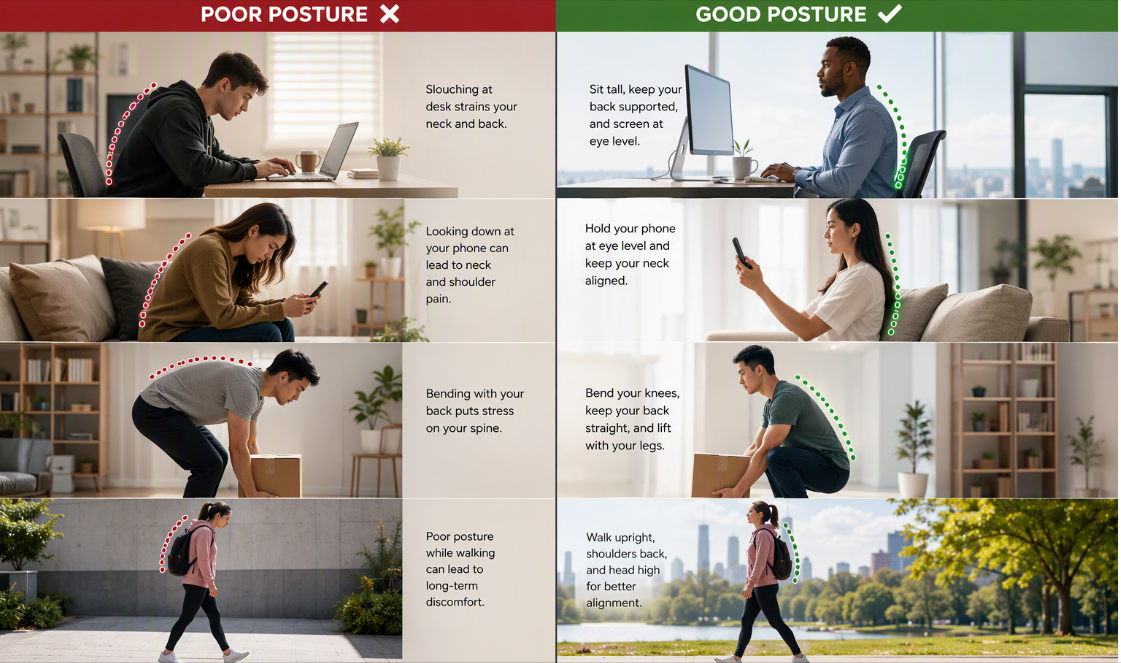
Weak bones may not show clear signs right away. A lot of people with bone loss may feel fine at first. The problem often grows slowly until there is a break in the bone. It helps to notice if your posture changes, if you seem shorter, if you feel back pain, or if you get hurt more easily. These signs can help you find out about weak bones early.
Lower bone density makes bones more likely to break. This often happens in the spine, wrist, and hip. If you know the risks for you and act soon, you can protect bone health, keep your bones strong, and lower the risk of fractures. The next part talks about warning signs. It also tells you when you should get help.
Warning Signs, Bone Disorders, and When to Seek Help
Poor bone health can be hard to spot. At times, the first sign is when you break a bone after a small fall. In other cases, your body may show softer hints. These signs should not be brushed off, especially if you have low bone mass or other risk factors.
Several bone disorders can come from weakness in the bones. These include osteopenia, osteoporosis, Paget’s disease of bone, rickets in children, osteomyelitis, and bone fractures. Osteoporosis is a big worry. It can make hip fractures and spine fractures more likely. This can lead to a long time to heal.
- You may get bone fractures, even from small injuries.
- There can be back pain that you don’t know why you have.
- You might lose height or your posture can become stooped.
- If you have a family history of osteoporosis or hip fractures, that is important.
- If you use steroids for a long time, or have a chronic illness, this can matter too.
If these things are true for you, talk to your doctor about getting a bone density test. Ask about your risk of osteoporosis.
Conclusion
To sum up, it is important to focus on bone health at any age. Strong bones help the body work well and give you a good quality of life. If you learn about key nutrients like calcium and vitamin D, eat a healthy diet, and do regular exercise, you can make your bones strong. It also helps to know the risk factors and signs of weak bones. You can then take steps to keep your bone health good. It is never too late to start caring for your bones. If you want advice or help about bone health, feel free to ask for a consultation.
What are early signs of unhealthy bones?
Early signs of poor bone health can be back pain, getting shorter, a hunched posture, or bone fractures from a small fall. Because bone loss happens quietly, weak bones may not show up until bone density gets so low that it leads to injury or pain
How much calcium do Indians need for healthy bones?
Most adults need around 1000 to 1200 mg of calcium each day. This helps keep healthy bones and bone strength. The amount of calcium you need can change with age and health. Some people should ask their doctor if they need to change their diet or take supplements.